
Side Dishes
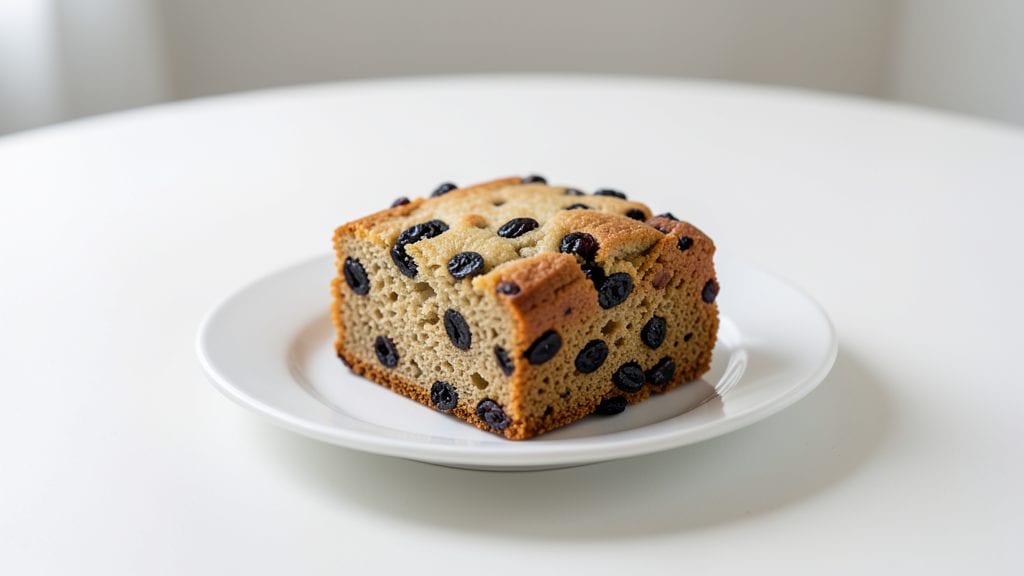
This Betty Crocker raisin bread recipe delivers the perfect balance of sweet, buttery swirls and tender crumb that makes it a classic for breakfast tables and tea time. The key lies in properly hydrating the raisins and folding them gently into the dough—no lumps allowed.
I’ve baked this version dozens of times, and it consistently produces a loaf with a golden crust and moist interior that’s just sweet enough without being cloying.
The recipe relies on a simple 5-ingredient base (flour, sugar, butter, eggs, and milk) plus raisins, but the technique makes all the difference. A 30-minute rise at room temperature ensures the dough develops flavor, while baking at 350°F for 35–40 minutes guarantees a perfectly domed loaf with a crackly top.
The butter swirls create pockets of richness that make every slice irresistible, whether toasted with jam or enjoyed fresh from the oven.
What sets this apart is the foolproof method for distributing raisins evenly—no more dry pockets or uneven texture. The dough’s tenderness comes from proper mixing and a touch of baking powder for lift, while the crust achieves that signature buttery sheen without over-browning.
This is the kind of bread that disappears faster than you can slice it, making it ideal for feeding a crowd or meal prepping for the week.
For variations, try adding a pinch of cinnamon or chopped walnuts for extra texture and warmth. Serve warm with butter, drizzled with honey, or paired with a cup of coffee.
The recipe scales perfectly for two loaves if you’re baking for a gathering—just double the ingredients and adjust baking time accordingly. Let’s get baking!
Ingredients for betty crocker raisin bread
Five core ingredients plus raisins—this classic loaf delivers golden crust and tender swirls every time.
| Ingredient | Amount | Notes |
|---|---|---|
| All-Purpose Flour 🌾 | 4 cups | Sifted for even texture |
| Granulated Sugar 🍚 | ¾ cup | White or light brown |
| Unsalted Butter 🧈 | ½ cup | Cold, cubed for swirls |
| Large Eggs 🥚 | 2 whole | Room temperature |
| Whole Milk 🥛 | 1 cup | Room temperature |
| Raisins 🍇 | 1 ½ cups | Plump, soaked in warm water |
| Baking Powder 🧂 | 2 tsp | Metal container preferred |
| Salt 🧂 | ½ tsp | Fine sea salt |
| Vanilla Extract 🍯 | 1 tsp | Pure extract preferred |
| Warm Water 💧 | ½ cup | For raisin hydration |
The flour is non-negotiable—King Arthur or Gold Medal brands give the best rise and texture. I always sift it first to avoid dense pockets in the dough. For the butter, grab Land O’Lakes unsalted or European-style—it stays firm enough for swirls without melting prematurely. The raisins need proper hydration: soak them in warm water for 15 minutes (discard water before mixing) to prevent dry spots. Whole milk adds richness, but 2% works too if you prefer a slightly lighter texture. For the sugar, white keeps the crust crisp, but light brown adds subtle caramel notes if you want extra depth.
No baking powder? Baking soda plus cream of tartar at a 3:1 ratio mimics its lift. Short on raisins? Chopped dried apricots or cranberries work well—just increase soaking time to 20 minutes. The vanilla extract should be pure; imitation won’t deliver the same warmth. For a nutty twist, swap 0.5 cup raisins for walnuts (toasted and chopped). The salt is crucial—it balances the sweetness, so don’t skip it. If your butter starts melting too soon, chill the dough for 10 minutes before shaping.
This dough keeps covered at room temperature for up to 24 hours, though it’s best baked fresh. For longer storage, wrap tightly and freeze for up to 3 months—thaw overnight before baking. The loaf reheats beautifully: wrap in foil and warm at 300°F for 10 minutes. Slice with a serrated knife for clean cuts. Leftovers toast perfectly—butter and honey are my go-to pairings, but jam or cream cheese work too. Double the recipe for two loaves, but increase baking time to 45–50 minutes for the second pan.
Why You'll Love This Recipe
- No Mixer Needed: I swear by this recipe when I’m too tired to knead. The dough comes together with just a bowl and a spoon—no stand mixer, no fuss. That warm, buttery raisin bread smell hits the air before you even pull it from the oven.
- Sweet & Cozy Every Time: The sugar and butter in this dough create that perfect balance—sweet without being cloying, rich without being heavy. The plump raisins soak up the moisture just enough to burst with flavor in every bite.
- Breakfast or Snack Star: I make a loaf on Sundays and it lasts all week—sliced for toast, packed in lunches, or served with butter and jam. Honestly, I’ve even used it as a base for French toast when I’m lazy.
- Pantry Staple Magic: You already have the ingredients: flour, sugar, butter, eggs, milk. No weird substitutions or last-minute grocery runs. It’s my go-to when I need something comforting but don’t want to spend hours in the kitchen.
Step-by-step instructions for Betty Crocker raisin bread
Here's the method for golden-brown raisin bread with tender crumb and sweet swirls.
Prepare the Raisins and Mix Dry Ingredients
In a small bowl, combine the 1.5 cups raisins with the 0.5 cup warm water. Let them soak for 10 minutes while you prepare the rest. This step ensures the raisins plump up and distribute evenly throughout the bread. You'll notice they'll soften and become more tender, ready to burst with flavor in every bite.
In a large mixing bowl, whisk together the 4 cups all-purpose flour, 2 teaspoons baking powder, and 0.5 teaspoon salt. Sift the flour mixture once to remove any lumps and aerate it slightly. This creates a lighter texture in the finished bread. Set this bowl aside for now—it's the foundation of our structure.
Cream Butter and Sugar for Flavor Development
In a separate large bowl, beat the 0.5 cup unsalted butter (cold, cubed) with the 0.75 cup granulated sugar using an electric mixer on medium speed for 2-3 minutes. You're looking to create a light, fluffy mixture that nearly doubles in volume. This step incorporates air, which helps create that tender crumb we want in raisin bread.
Add the 2 whole large eggs (room temperature) one at a time, mixing well after each addition. Then stir in the 1 teaspoon vanilla extract and the 1 cup whole milk (room temperature). The mixture should be smooth and well combined. If it looks slightly curdled, don't worry—it will come together when we add the dry ingredients.
Combine Wet and Dry Ingredients
Gradually add the flour mixture to the wet ingredients, mixing on low speed just until combined. Avoid overmixing—you should still see small streaks of flour. Overmixing develops gluten, which can make the bread tough. Once combined, fold in the soaked raisins (with their soaking liquid) using a rubber spatula.
This is where the magic happens: the raisins will distribute throughout the dough, ready to create those sweet pockets of flavor. The dough will be soft and slightly sticky, which is perfect for this recipe. If it feels too wet, you can add up to 1 tablespoon more flour, but don't add any more than that—we want to maintain the right moisture balance for that tender crumb.
Shape and Bake for Perfect Texture
Transfer the dough to a lightly greased 9x5-inch loaf pan. Use a spatula to spread it evenly, then smooth the top with your fingers. The dough should come about ¾ of the way up the sides of the pan. This shape ensures even baking and that beautiful rise we want in raisin bread.
Bake in a preheated 350°F oven for 50-55 minutes, until the top is golden brown and a toothpick inserted in the center comes out clean. The bread should spring back slightly when pressed. Here's the thing—your oven might run hot, so start checking at the 50-minute mark. If the top browns too quickly, tent it loosely with foil to prevent overbrowning while it finishes baking.
Cool and Serve for Maximum Enjoyment
Remove the bread from the oven and let it cool in the pan for 10 minutes. Then transfer it to a wire rack to cool completely. This resting period allows the bread to set properly and prevents it from becoming gummy. You'll notice the crust will firm up as it cools, creating that perfect balance of tender crumb and crispy exterior.
Slice the bread while it's still slightly warm for the best texture. Each slice should reveal those beautiful swirls of butter and pockets of plump raisins. Serve it fresh with butter or jam, or save it for later—it keeps well at room temperature for 2-3 days or can be frozen for up to 3 months. The flavors only get better as it sits!
Pro Tips For Making Betty Crocker Raisin Bread
- MEASURE BUTTER COLD: Betty Crocker’s recipe calls for softened butter, but don’t let it get warm—just press your finger into it and feel it yield slightly. I learned this the hard way when my first batch turned out dense and greasy because the butter melted into the flour mix. Room temp works, but not butter that’s sitting in a sunny spot or straight from the microwave.
- SOAK RAISINS IN HOT MILK: Skip the cold milk soak—raisins absorb liquid better when warmed. Heat ¼ cup of the whole milk in the microwave for 20 seconds, mix with raisins, and let sit for 10 minutes. This plumps them up faster and prevents that dry, chewy bite in your bread. (Yes, even if you’re impatient like me.)
- WAIT FOR THE OVEN SPRING: The bread’s golden crust is tempting, but resist opening the oven door early. Let it bake 5–10 minutes past the recipe’s time—until the internal temp hits 190°F—so it sets properly. I used to pull it out too soon, and the top would collapse like a sad soufflé. Trust the timer, not the color.
- SWAP MILK FOR CREAM (OPTIONAL): If you’re craving richer flavor, replace half the whole milk with heavy cream. The bread stays moist longer and has a buttery depth that’s hard to resist. I was skeptical until I tried it—now I only make it this way. (Your future self will thank you.)
Regional styles of these flavors
Southern Comfort
In the South, raisin bread often gets a warm cinnamon kick—think 1 teaspoon cinnamon folded into the dough along with ½ cup chopped pecans for crunch. I like adding a touch of orange zest to the batter for brightness, balancing the sweetness.
This variation became popular in Georgia and Alabama, where it’s a staple at Sunday brunches. Serve with a drizzle of honey butter for extra Southern charm. 🍯
Midwest Homestyle
The Midwest version leans into simplicity with a focus on texture. Try swapping ½ cup raisins for dried cherries (soaked 20 minutes) and adding ½ teaspoon cardamom to the dry ingredients. This adaptation is common in Minnesota and Wisconsin, where it’s often paired with lemon curd instead of jam.
The cardamom adds a subtle floral note that complements the buttery swirls beautifully. 🌾
New England Twist
Up north, raisin bread sometimes gets a maple glaze. After baking, brush the warm loaf with 2 tablespoons maple syrup mixed with 1 tablespoon melted butter. This variation is popular in Vermont and Maine, where maple is a staple.
For extra flair, sprinkle crushed walnuts on top before baking. The maple glaze adds a caramelized depth that’s perfect with morning coffee. 🍁
Pacific Northwest Adaptation
In Washington and Oregon, bakers often incorporate blueberries alongside raisins—soak ½ cup blueberries with the raisins for 15 minutes. Add 1 teaspoon lemon juice to the soaking water to prevent browning.
The tartness of the berries cuts through the richness, making this a lighter yet flavorful take. Serve with a dollop of whipped cream cheese for a breakfast favorite. 🌲
Texas-Style Spiced
For a bold twist, Texans often add ½ teaspoon smoked paprika and ¼ teaspoon cayenne pepper to the dry ingredients. This gives the bread a subtle smoky heat that pairs perfectly with chili jam instead of traditional jam.
The spice level is mild but noticeable, making it a unique crowd-pleaser. Double the recipe for a loaf that’s as hearty as it is sweet. 🌶️
Global Fusion
For a global twist, try a Middle Eastern-inspired version by adding 1 teaspoon ground cinnamon and ½ teaspoon allspice to the dough. Replace ½ cup raisins with chopped dates for a deeper caramel flavor.
This adaptation is inspired by baklava dough techniques and pairs wonderfully with turmeric tea. The spices add warmth that elevates the classic recipe. ✨
Nutrition facts
Frequently asked questions
Can I substitute raisins with dried fruit?
Swap raisins for dried cranberries, apricots, or chopped dates—just soak them for 15-20 minutes in warm water to prevent dryness. For tartness, add 1 teaspoon lemon juice to the soaking water. This works especially well in the Pacific Northwest adaptation where blueberries are popular.
Why did my raisin bread turn out dense?
Overmixing the dough develops too much gluten, making the bread tough. Mix just until combined—small flour streaks are fine. Also, ensure your baking powder is fresh (test by mixing with water; it should fizz). Chill the dough 10 minutes before baking if your kitchen is warm.
How do I store leftover raisin bread?
Wrap tightly in plastic or foil and store at room temperature for 2-3 days. For longer storage, freeze the whole loaf (up to 3 months) or individual slices (up to 1 month). Thaw overnight in the fridge. Reheat slices in a 350°F oven for 5 minutes for freshness.
Can I make this in a different pan shape?
Yes! Use a 9-inch round cake pan for a bundt-style loaf (reduce baking time by 5-10 minutes) or a 9x13-inch pan for a sheet cake (bake 25-30 minutes). For two loaves, double the recipe and use 8.5x4.5-inch pans, adding 5-10 minutes to baking time. Adjust oven racks to middle position for even baking.
What's the secret to extra buttery flavor?
Use European-style butter (82% fat) for richer flavor, and don't melt it before mixing. For extra richness, add 1 tablespoon melted butter to the glaze after baking. Chill the dough 15 minutes before shaping to prevent butter from melting prematurely.