
Side Dishes
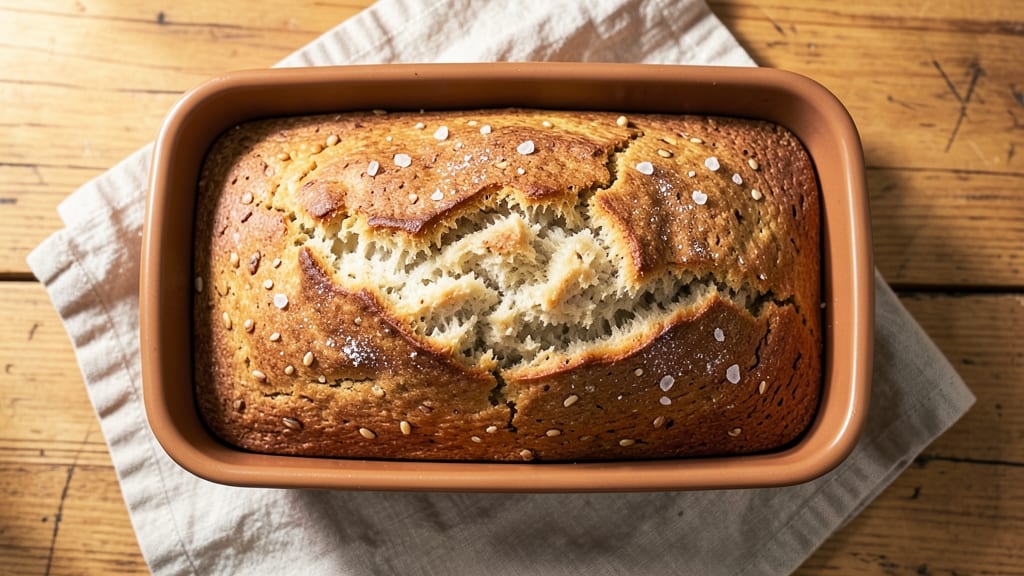
Betty Crocker’s wheat bread recipe brings the comforting aroma of homemade bread to your kitchen with nutty depth and a golden crust that rivals artisanal bakery loaves. This classic method combines simple ingredients with traditional kneading techniques to create a loaf that’s both hearty and tender—perfect for sandwiches or toast.
The secret lies in precise timing and gentle handling, ensuring a soft interior and crispy exterior every time.
What sets this recipe apart is its approachability—no special equipment needed, just a stand mixer or strong arms for kneading. The dough rises naturally, developing that signature wheat flavor, while the baking process transforms it into a loaf with a satisfying crunch.
Whether you're a beginner or a seasoned baker, this recipe delivers restaurant-quality results at home.
By following these steps, you’ll achieve a loaf with a perfectly golden crust and a tender crumb that’s ideal for everyday meals. The nutty undertones from whole wheat blend seamlessly with the familiar taste of classic bread, making it a staple for any kitchen.
Let’s get started on baking this timeless loaf.
This recipe is designed to be foolproof, with clear instructions for mixing, kneading, proofing, and baking—just like Betty Crocker’s trusted methods. The process is straightforward, yet the outcome is undeniably impressive, proving that homemade bread can be both simple and spectacular.
Ingredients for betty crocker wheat bread
Simple pantry staples transform into a golden-crusted wheat loaf with nutty depth and restaurant-quality texture.
| Ingredient | Amount | Notes |
|---|---|---|
| Whole Wheat Flour 🌾 | 4 cups | Unbleached preferred for nutty flavor |
| All-Purpose Flour 🌾 | 1 cup | Standard white flour for structure |
| Active Dry Yeast 🍞 | 2 ¼ tsp | Ensure freshness with expiration date |
| Granulated Sugar 🍚 | 2 tbsp | White sugar for yeast activation |
| Salt 🧂 | 1 ½ tsp | Diamond Crystal preferred for flavor |
| Water 💧 | 1 ¼ cups | Room temperature for optimal mixing |
| Unsalted Butter 🧈 | ½ cup | Cold, cubed for dough enrichment |
| Large Eggs 🥚 | 2 whole | Room temperature for even baking |
| Milk 🥛 | ¼ cup | Whole milk for tenderness |
| Honey 🍯 | 1 tbsp | For subtle sweetness and moisture |
| Cornmeal 🌽 | ½ cup | For bread pan dusting |
The whole wheat flour is the heart of this recipe—opt for unbleached for richer flavor. King Arthur or Bob's Red Mill brands yield the best results due to their high protein content. For the yeast, check the expiration date—old yeast won't activate properly, leaving you with flat dough. The butter should be cold but not rock-hard; European-style unsalted butter like Plugrá adds superior richness. Store your flours in airtight containers in a cool, dark place to preserve freshness for up to 6 months.
No whole wheat flour? Substitute with 100% all-purpose flour, but expect a less nutty flavor. Running short on butter? Vegetable oil at half the amount works in a pinch, though texture will differ. Honey can be swapped for maple syrup if preferred, though it may darken the crust slightly. For the milk, any dairy milk works—lactose-free or almond milk can be used, though texture may vary. The eggs should be large for proper structure; if using smaller eggs, add an extra one. Always measure your flour by spooning it into the cup and leveling—never scoop directly from the bag.
This dough requires two rises—first after mixing, then after shaping. Keep the dough in a lightly oiled bowl covered with a damp towel for the first rise, which should take about 1-2 hours until doubled. For the final rise, shape the loaf and place in a greased loaf pan dusted with cornmeal. The baked loaf keeps well at room temperature for 3 days wrapped in a clean towel, or up to 1 week in the fridge. For longer storage, freeze slices wrapped in plastic for up to 3 months—toast directly from frozen.
Why You'll Love This Recipe
- No-Knead Magic: I swear by this recipe—just mix the whole wheat and all-purpose flours with warm water, a pinch of sugar, and that yeast, then let it rise while you watch one episode of your favorite show. No stand mixer, no stress, no overworking the dough. The yeast does all the heavy lifting, and you get that perfect airy crumb without breaking a sweat.
- Tastes Like Homemade: Between us, store-bought wheat bread often tastes like cardboard. This recipe? The whole wheat flour gives it real substance—earthy but not heavy—while the touch of sugar and yeast keeps it bright and fresh. Toast it, and that crust gets crispy enough to shatter, but the inside stays soft. Honestly, my picky teenage son doesn’t even complain.
- Meal Prep MVP: I bake two loaves every Sunday because this bread holds up for days. Freeze one for when I’m too tired to cook, and the other lasts in the fridge until I’m ready to slice it for sandwiches or charcuterie boards. The yeast and flour combo means it doesn’t dry out like some whole-grain breads I’ve tried—it stays moist and tasty, even after a week.
- Budget-Friendly Staple: Whole wheat flour and yeast are cheap, and this recipe stretches a little sugar and salt to make something that feels special. I use the leftovers for croutons, breadcrumbs, or even a quick bread pudding when I’m craving something sweet. Plus, making it from scratch costs less than buying pre-packaged wheat bread that’s basically sawdust. Win-win.
Step-by-step instructions for Betty Crocker's wheat bread
A perfect balance of rustic texture and golden crust awaits with these precise techniques.
Activate the Yeast and Mix the Dough
In a small bowl, combine the 1.25 cups water, 2 tbsp granulated sugar, and 2.25 tsp active dry yeast. Let this mixture sit for 5-10 minutes until it becomes frothy—this confirms the yeast is active. If it doesn't bubble, your yeast may be old, and you'll need to start over.
In a large mixing bowl, whisk together the 4 cups whole wheat flour, 1 cup all-purpose flour, 1.5 tsp salt, and the yeast mixture. Stir until just combined, then add the 0.5 cup cold unsalted butter, cut into small cubes, and the 2 whole large eggs. Mix with a wooden spoon until the butter is fully incorporated and the dough begins to come together.
Knead the Dough for Optimal Texture
Transfer the dough to a lightly floured surface and knead for 8-10 minutes by hand, or use a stand mixer with a dough hook attachment on medium speed for 5-6 minutes. The dough should be smooth, elastic, and slightly tacky but not sticky. If it sticks to your hands, add 1 tablespoon of water at a time until it reaches the right consistency.
Here's the thing—whole wheat dough is denser than white flour dough, so don't be surprised if it feels heavier. The goal is to develop the gluten just enough to create structure without overworking the dough, which can make the bread tough. Test for readiness by performing the "windowpane test": stretch a small piece of dough thin enough to see light through it without tearing.
First Rise and Shaping
Lightly grease a large mixing bowl with a small amount of milk and place the dough inside. Cover the bowl with a damp kitchen towel and let it rise in a warm place for 1-1.5 hours, or until it has nearly doubled in size. The dough should feel light and springy when pressed gently with a finger.
Once risen, punch down the dough to release any air bubbles, then shape it into a loaf. For a classic Betty Crocker-style loaf, fold the dough into thirds and roll it tightly from the center outward. Place the shaped loaf seam-side down in a 9x5-inch loaf pan that has been lightly dusted with 0.5 cup cornmeal to prevent sticking. Cover again with the damp towel and let it rise for another 30-45 minutes until it's just above the pan's rim.
Bake to Golden Perfection
Preheat your oven to 375°F and place a baking sheet on the lower rack to catch any drips. Brush the top of the dough with a small amount of milk and sprinkle lightly with 1 tbsp honey for a subtle sweetness and a beautiful golden crust. Bake for 35-40 minutes, until the internal temperature reaches 190°F and the crust sounds hollow when tapped with a knuckle.
Your oven might run hot, so start checking at the 30-minute mark. The bread is done when the top is a deep golden brown and the internal temperature is confirmed with a thermometer. If the crust browns too quickly, loosely cover the loaf with aluminum foil to prevent over-browning while it finishes baking.
Cool and Serve
Remove the bread from the pan and place it on a wire rack to cool completely for at least 1 hour. This resting period allows the moisture to redistribute, ensuring every slice is tender and flavorful. Cutting into the bread too soon will result in a gummy texture.
The finished loaf should have a crisp golden crust with a nutty aroma from the whole wheat flour. Slice thickly for sandwiches or toast, and enjoy the rich, hearty flavor that comes from the combination of whole grains and classic baking techniques. Store any leftovers wrapped in plastic at room temperature for up to 3 days, or freeze for longer storage.
Pro Tips For Making Betty Crocker Wheat Bread
- Bloom Yeast Slowly: DESCRIPTION: Whole wheat flour can be tough on yeast, so don’t dump the warm water all at once. Sprinkle the yeast over the sugar first, then add just a splash of warm water (105°F) and let it foam for 5 minutes before mixing in the rest—this gives it a head start in the flour’s heavier environment.
- Measure Flour Right: DESCRIPTION: The recipe’s success rides on accurate flour measurements. Spoon the whole wheat and all-purpose flour into the cup, then level it off with a knife—don’t scoop directly from the bag. Packing it down (even slightly) adds too much moisture, and your dough will turn gummy.
- Knead Until Smooth: DESCRIPTION: Whole wheat dough resists stretching like all-purpose flour, so keep kneading until it’s uniformly smooth and elastic—about 8–10 minutes by hand. If it still feels sticky after adding flour, you’ve likely overworked it; let it rest 10 minutes and try again.
- Shape Loaves Tightly: DESCRIPTION: Don’t rush the shaping—press the dough into a tight, slightly rounded loaf with smooth sides. This prevents air gaps that lead to uneven baking and a dense crumb. If your hands get too sticky, wet them first; dry flour weakens the gluten you’ve worked so hard to build.
Flavor customization for these flavors
Sweet & Nutty Twist
Add 2 tbsp honey or 1 tbsp maple syrup to the dough for a subtle sweetness that caramelizes beautifully during baking. For extra depth, fold in ¼ cup chopped walnuts or pecans during the final kneading stage.
I recommend toasted nuts for enhanced flavor—simply spread them on a baking sheet at 350°F for 5-7 minutes before mixing. 🍯
Herb-Infused Variations
Brighten the dough with 1 tbsp fresh rosemary or thyme finely chopped and mixed into the flour. For a Mediterranean touch, add 1 tsp dried oregano and ½ tsp garlic powder to the yeast mixture.
The herbs pair especially well with the nutty wheat flavor, creating a fragrant loaf perfect for grilled sandwiches. 🌿
Seeded Crunch
Sprinkle 2 tbsp sesame seeds, 1 tbsp flaxseeds, or 1 tbsp sunflower seeds on top before baking for added texture. For a savory-sweet combo, mix 1 tbsp poppy seeds with 1 tsp cinnamon and sprinkle generously.
These seeds not only add crunch but also enhance the visual appeal of your golden crust. 🌽
Spiced Warmth
Infuse the dough with warmth by adding ½ tsp ground cinnamon and ¼ tsp nutmeg to the flour mixture. For a cozy fall version, swap the honey for 2 tbsp molasses and add ½ tsp ginger.
This spiced variation works beautifully with butter or jam, making it ideal for holiday breakfasts. 🍂
Cheesy Bread Boost
Fold ½ cup shredded sharp cheddar or monterey jack into the dough during the final shaping stage. For a richer flavor, use ½ cup cream cheese mixed with 1 tbsp melted butter. The cheese melts slightly during baking, creating pockets of gooey goodness that elevate every slice. 🧀
Savory Garlic & Herb
Create a savory loaf by adding 2 minced garlic cloves and 1 tbsp fresh parsley to the dough. For extra depth, mix 1 tsp onion powder and ½ tsp smoked paprika into the flour. This variation pairs perfectly with soups, stews, or as a base for garlic butter toast. 🧄
Nutrition facts
Frequently asked questions
Can I substitute whole wheat flour with all-purpose flour?
Yes, but the texture and flavor will change. For a 1:1 substitution, expect a lighter loaf with less nutty depth. To maintain some whole grain benefits, use half whole wheat and half all-purpose flour. The bread will still be delicious but less dense.
Why did my dough not rise properly?
Most likely, your yeast was old or the water wasn't warm enough. Always use room-temperature water (105-110°F) and fresh yeast (test it first by mixing with sugar and water—it should bubble in 5-10 minutes). Cold environments or drafty areas can also slow rising. Try placing the bowl in a warm oven with the light on for the first rise.
How do I know when the bread is fully baked?
Check for three key signs: the internal temperature should reach 190°F, the crust should be deep golden brown, and tapping the bottom should sound hollow. If unsure, bake 5 more minutes—underbaked bread feels dense and gummy when sliced. A meat thermometer is your best tool!
Can I make this recipe without a stand mixer?
Whole wheat dough is forgiving when kneaded by hand. Work it on a floured surface for 8-10 minutes until smooth and elastic. For extra strength, use your knuckles to press into the dough—this builds gluten just as effectively. The key is patience; don't rush the kneading process.
What's the best way to store leftovers?
Wrap cooled slices tightly in plastic wrap or aluminum foil to maintain freshness. At room temperature, it stays good for 3 days in an airtight container. For longer storage, freeze slices for up to 3 months. To revive frozen bread, toast directly from frozen or warm in a 350°F oven for 5-10 minutes wrapped in foil.