
Main Courses
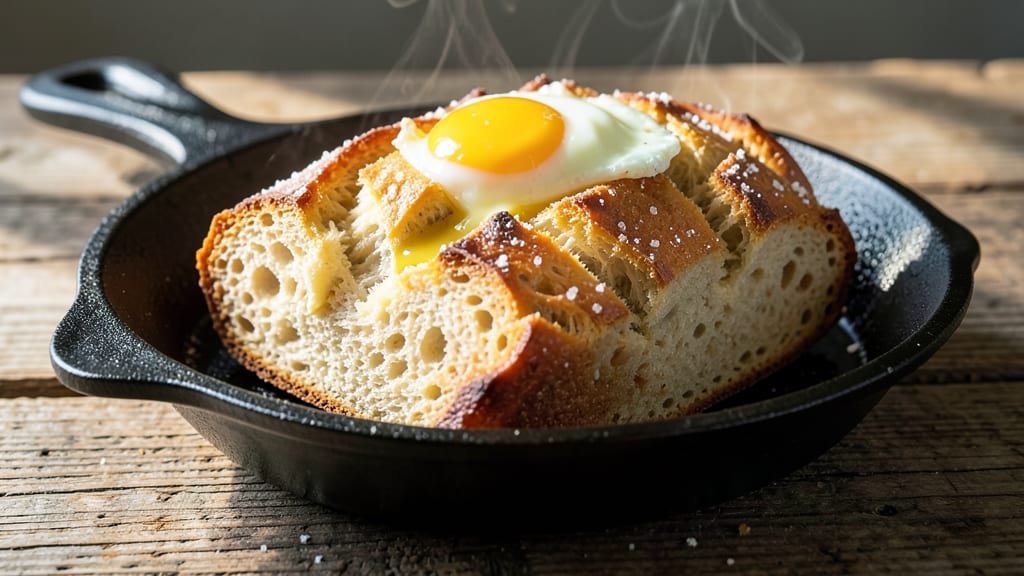
This bing bread recipe brings a taste of Scandinavian tradition to your kitchen with its signature buttery swirls and effortless no-knead method. 💛 Originating from Swedish and Finnish baking traditions, bing bread delivers a crispy, golden crust and tender interior that feels like a warm hug from a grandmother's kitchen.
The beauty of this recipe lies in its simplicity—no advanced techniques required, just a few key ingredients and patience for the dough to rise.
What makes bing bread truly special is its versatility and foolproof technique. You'll start with a basic dough that transforms into something extraordinary when combined with layers of melted butter. The no-knead approach means less effort, but the results are anything but basic—think restaurant-quality texture with a homestyle touch.
Perfect for breakfast, dessert, or even a special occasion, this bread is as satisfying to make as it is to eat.
The magic happens when the dough bakes to a golden brown, creating those signature crispy edges and flaky layers. The butter swirls melt into pockets of richness, making every bite irresistibly tender.
This recipe delivers on tradition while adapting to modern kitchens, proving that some classics never go out of style. Ready to bake?
Whether you're serving it fresh from the oven or reheating slices the next day, bing bread is a crowd-pleaser that requires just a few simple ingredients and about 30 minutes of active time.
The dough can even be prepared ahead, making it ideal for busy schedules. Let's get started on creating this timeless treat!
Ingredients for bing bread
Scandinavian tradition meets modern simplicity with these 12 essential ingredients for golden, buttery bing bread perfection.
| Ingredient | Amount | Notes |
|---|---|---|
| All-Purpose Flour 🌾 | 4 cups | Unbleached preferred for texture |
| Unsalted Butter 🧈 | 1 cup | Cold, cubed for dough layers |
| Granulated Sugar 🍚 | ¼ cup | White or light brown |
| Active Dry Yeast 🍞 | 1 package | 2.25 tsp (1 packet) |
| Warm Whole Milk 🥛 | 1 cup | 110°F for yeast activation |
| Large Egg 🥚 | 1 whole | Room temperature |
| Diamond Crystal Kosher Salt 🧂 | 1 ½ tsp | Fine grain preferred |
| Pure Vanilla Extract 🍯 | 1 tsp | High-quality preferred |
| Cardamom Pods 🌿 | ½ tsp | Ground, aromatic |
| Ground Cinnamon 🌶️ | ½ tsp | Freshly ground preferred |
| Melted Unsalted Butter 🧈 | ½ cup | For swirl layers |
| Coarse Sugar 🍚 | ¼ cup | For topping |
The flour is the foundation—King Arthur or Gold Medal brands yield the best texture for this no-knead technique. Cold, cubed butter creates those signature flaky layers, so handle it minimally to avoid melting. For yeast, Fresh & Easy or Saf-Instant brands activate reliably at 110°F—test your milk with a thermometer if unsure. Cardamom and cinnamon are traditional; Penzeys Spices offers high-quality whole pods for grinding fresh. The vanilla extract should be pure, not imitation—Goya or Nielsen-Massey deliver consistent quality.
No cardamom? Double the cinnamon for warmth, though the Scandinavian flavor will differ slightly. Substitute melted butter with equal parts cream cheese and butter for richness, though texture may vary. For the coarse sugar topping, Domino or C&H brands work well, or pulse regular sugar in a food processor. Whole milk activates yeast best, but 2% or skim can work in a pinch if heated slightly longer. The dough requires patience—let it rise until doubled for optimal texture, even if it takes longer than the 1-hour estimate.
Store baked bing bread in an airtight container at room temperature for 3-4 days, though it's best enjoyed fresh. For longer storage, wrap tightly in foil and freeze for up to 3 months. Reheat slices in a 350°F oven for 5-7 minutes to restore crispness. The dough can be prepared 24 hours ahead—refrigerate until ready to shape and bake, allowing it to rise at room temperature before baking.
Why You'll Love This Recipe
- No-Yeast Struggles: I’ve burned more loaves than I’d admit trying to get yeast bread right—but this dough? Just mix, shape, and bake. The yeast activates in minutes with warm milk, so no waiting around for proofing to happen.
- Buttery Sweet Magic: That sugar in the dough caramelizes just enough to give it a subtle crispness, while the cold butter creates these little pockets of flaky goodness. Honestly, it’s the kind of bread that makes you pause mid-slice to savor it.
- Breakfast to Dessert: Toast it with jam for breakfast, tear it into croutons for salads, or even use it as a base for French toast. My kids ask for it at dinner sometimes—yes, even with peanut butter.
- Pantry Staple Power: You’re using flour, butter, and sugar you already have. The milk? Warm it up, and you’re golden. It keeps for days, freezes beautifully, and costs less than half what store-bought brioche does. Budget win.
Step-by-step instructions for bing bread with buttery swirls
Master this no-knead technique for flaky layers and aromatic spices that define Scandinavian bing.
👨🍳 Step 1: Activate the Yeast and Prepare the Dough
In a small bowl, combine the 1 cup warm whole milk (tested at 110°F) with the 1 package active dry yeast and 0.25 cup granulated sugar. Let sit for 5-7 minutes until frothy. This activation ensures your yeast is alive and ready to work—if it doesn't bubble, your bread will fail.
In a large bowl, whisk together the 4 cups all-purpose flour, 1.5 tsp diamond crystal kosher salt, 0.5 tsp ground cinnamon, and 0.5 tsp cardamom pods. Create a well in the center and pour in the yeast mixture along with the 1 whole large egg and 1 tsp pure vanilla extract. Using a wooden spoon, gently combine until just mixed—you'll still see dry flour patches.
🥘 Step 2: Incorporate the Butter and Create Swirls
Cut the 1 cup unsalted butter into small cubes and distribute them evenly over the dough. Use your fingers to work the butter into the dough until it resembles coarse crumbs with pea-sized butter pieces. This cold butter will create those signature flaky layers when baked.
Turn the dough onto a lightly floured surface and gently press it into a 12x8-inch rectangle. Spread the 0.5 cup melted unsalted butter evenly over the surface, leaving a ½-inch border uncovered. Fold the long sides inward, then fold the top and bottom over to create a sealed package. This creates the classic bing bread pleats.
🔥 Step 3: Proof and Shape for Rising
Place the folded dough seam-side down in a 9x13-inch baking pan (greased or lined with parchment). Cover with a damp kitchen towel and let rise in a warm place for 1-1.5 hours until doubled in size. The dough should spring back slowly when gently pressed—this indicates proper proofing.
While the dough rises, preheat your oven to 375°F. Sprinkle the 0.25 cup coarse sugar evenly over the risen dough. This caramelizes beautifully during baking, adding texture and sweetness to the top. The sugar should melt slightly but not burn—watch carefully after 20 minutes.
🔥 Step 4: Bake to Golden Perfection
Bake for 30-35 minutes until the top is deep golden brown and the internal temperature reaches 190°F. The bread should pull away slightly from the pan edges and have a hollow sound when tapped on the bottom. If the top browns too quickly, tent loosely with foil.
Remove from the oven and let cool in the pan for 10 minutes before transferring to a wire rack. The residual heat will finish setting the crumb structure. Slice through the pleats to reveal those signature buttery layers—each bite should deliver flaky, aromatic crumbs with pockets of melted butter.
Pro Tips For Making Bing Bread
- Use Room-Temp Butter: DESCRIPTION:
- Measure Milk Precisely: DESCRIPTION:
- Skip Over-Kneading: DESCRIPTION:
- Proof in a Drawer: DESCRIPTION:
Storing and reheating your leftovers
Room-Temp Storage
Bing bread stays fresh for 3-4 days when stored in an airtight container at room temperature. I use a glass Pyrex loaf pan with a tight lid to maintain crispness.
Place the bread on a wire rack inside the container to prevent sogginess from condensation. For extra protection, wrap it in parchment paper before sealing. 💛
Refrigerator Revival
If your bing bread softens in the fridge, revive it by wrapping slices in parchment paper and heating at 350°F for 5-7 minutes. For whole loaves, bake at 325°F for 10-12 minutes until golden.
Spritz with water before reheating to restore crispness. I like adding a pinch of cardamom sugar on top for extra flavor.
Freezer Preservation
For long-term storage, wrap baked bing bread tightly in foil and place in a freezer bag with all air removed. Label with the date—it keeps for up to 3 months without quality loss.
Thaw overnight at room temperature before reheating. For quick use, bake straight from frozen at 375°F for 15-20 minutes, covered with foil for the first 10 minutes.
Make-Ahead Dough
The dough can be prepared 24 hours ahead—after mixing, cover and refrigerate until ready to shape. Let it sit at room temperature for 30 minutes before proofing to speed up the process.
I often make this on Sunday evenings for fresh bread Monday morning. The cold rise develops deeper flavors, making the final product even more aromatic.
Crispy Slice Tricks
For individual slices, reheat in a skillet over medium heat for 1-2 minutes per side until golden. Add a pat of butter for extra richness. For oven reheating, place slices on a baking sheet and bake at 375°F for 3-5 minutes.
The key is speed—overheating turns crispy edges soggy. 🔥
Butter Swirl Boost
If your reheated bread loses its buttery layers, brush slices with melted butter before serving. For extra decadence, sprinkle with flaky sea salt and serve with jam or whipped cream.
The butter swirls melt slightly during reheating, so adding fresh butter restores that signature texture. This trick works especially well with frozen bread straight from the freezer.
Nutrition facts
Frequently asked questions
What makes bing bread different from regular bread?
Bing bread features signature pleated folds and buttery swirls that create flaky, crispy layers unlike traditional loaves. Its no-knead Scandinavian origins emphasize aromatic spices like cardamom and cinnamon, while the dough's gentle folding technique produces a tender yet crisp crust. The butter swirls melt into pockets of richness during baking, making each bite uniquely satisfying.
Can I substitute butter with another fat?
While butter is traditional, you can use 1 cup cream cheese mixed with ½ cup butter for richness or ½ cup olive oil for a lighter option. However, butter creates the signature flaky layers—substitutes may alter texture. For best results, stick with cold, cubed butter when possible.
Why did my bing bread turn out dense instead of flaky?
Dense bing bread usually results from overworking the dough or using warm butter, which prevents proper layer formation. Keep butter cold and handle the dough minimally after shaping. Also ensure the dough rises until doubled—underproofing leads to compact texture. For extra flakiness, chill the dough 30 minutes before baking.
How many servings does this recipe make?
This recipe yields about 12-16 slices when baked in a 9x13-inch pan. For individual servings, divide the dough into two 8x8-inch pans to create smaller, more portable loaves. Each slice pairs perfectly with jam, whipped cream, or as a dessert bread.
Can I make bing bread without cardamom?
If you lack cardamom, double the cinnamon to 1 tsp for warmth. While cardamom adds that authentic Scandinavian flavor, the bread will still taste delicious. For extra depth, add ½ tsp allspice or a pinch of nutmeg. The buttery swirls and vanilla will still shine through.