
Breakfast & Brunch
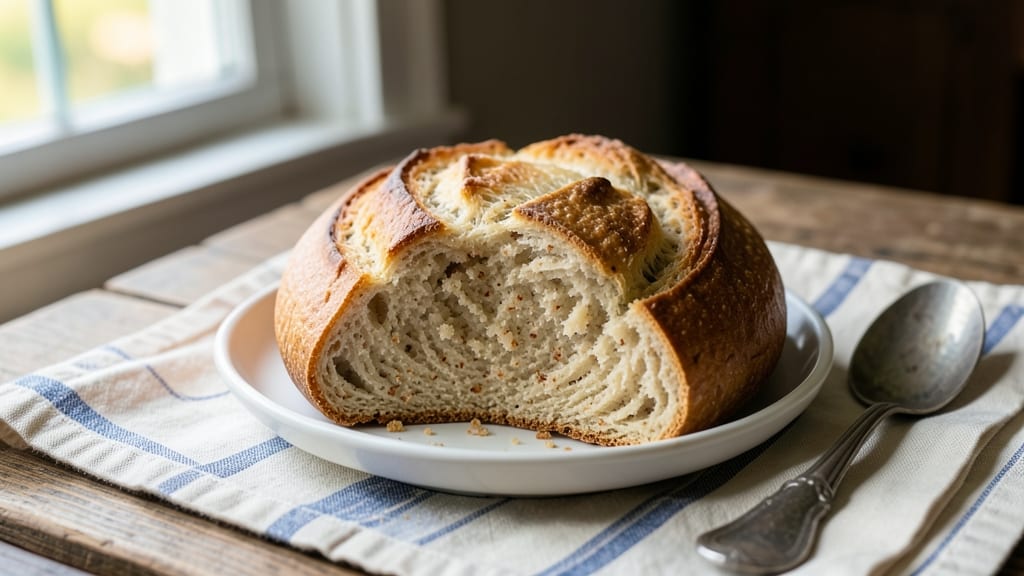
This Bishop's bread recipe delivers a fluffy, buttery loaf with no yeast required, rooted in Eastern European traditions that have been passed down for generations. The secret lies in baking powder and soda, creating a tender crumb and golden crust without the wait of yeast fermentation.
I first discovered this recipe during a trip to a small village bakery, where the aroma of warm, spiced bread filled the air—it’s that same comforting flavor I recreate here.
The beauty of this recipe is its simplicity: just five key ingredients—flour, butter, sugar, eggs, and baking powder—come together to form a dough that bakes into a moist, slightly sweet loaf with a hint of cinnamon or nutmeg.
Unlike traditional yeast-based breads, this version rises quickly and bakes in under an hour, making it perfect for busy mornings or holiday gatherings. The texture is what sets it apart—light yet dense, with a subtle crumb that melts in your mouth.
What makes this bread truly special is its versatility. Serve it warm with butter, dusted with powdered sugar, or sliced for toast the next morning. The recipe also lends itself to variations—add dried fruit for a festive twist or a touch of lemon zest for brightness.
Whether you’re baking for a family breakfast or a special occasion, this loaf brings warmth and tradition to your table without the complexity.
For those who prefer dietary adaptations, substitutions like applesauce for butter or almond flour for wheat flour work well, though the classic version remains the star. Let’s get started on a loaf that tastes like home.
Ingredients for bishop's bread
Five simple ingredients transform into a golden, buttery loaf with no yeast needed.
| Ingredient | Amount | Notes |
|---|---|---|
| All-Purpose Flour 🌾 | 3 ½ cups | Sifted for even texture |
| Unsalted Butter 🧈 | ¾ cup | Cold, cubed for better mixing |
| Granulated Sugar 🍚 | ¼ cup | Light brown for subtle caramel notes |
| Large Eggs 🥚 | 2 whole | Room temperature for even blending |
| Baking Powder 🍞 | 2 tsp | Freshly opened for proper rise |
| Ground Cinnamon 🌿 | 1 tsp | Warm, aromatic variety preferred |
| Ground Nutmeg 🌿 | ½ tsp | Freshly grated preferred |
| Salt 🧂 | ½ tsp | Fine sea salt for balance |
| Powdered Sugar 🍚 | 2 tbsp | For dusting finished loaf |
| Milk 🥛 | ¼ cup | Warmed for tender crumb |
The flour is the foundation, so King Arthur or Gold Medal brands work best—they hold up well to the butter content. Unsalted butter is essential here; salted can make the dough too salty, especially with the baking powder already present. Grab European-style butter if possible—it has higher fat content, which gives that signature richness. The sugar can be light or dark brown, but light brown adds a subtle caramel note that pairs beautifully with the spices. For the eggs, room temperature is key—they blend more smoothly into the dough. If you're in a hurry, microwave them for 20 seconds to take the chill off.
No butter? Applesauce or Greek yogurt work in a pinch (reduce by half the amount), though the texture will be slightly denser. Swap regular flour for whole wheat at a 1:1 ratio, but expect a nuttier flavor and denser crumb. The cinnamon and nutmeg are critical for that traditional Bishop's bread taste—Penzeys or McCormick are reliable brands. Short on baking powder? Baking soda plus cream of tartar at double the amount works, but test it first. The milk can be any kind, but whole milk adds richness that skim milk lacks. For a festive touch, add chopped dried apricots or cranberries to the dough before baking.
This dough is best baked immediately, but it keeps covered at room temperature for up to 24 hours if needed. For longer storage, wrap tightly in plastic and refrigerate for up to 5 days. To reheat, wrap slices in foil and warm in a 350°F oven for 5-10 minutes. The loaf freezes beautifully—slice before freezing and toast directly from frozen for up to 3 months. For extra shine, brush the baked loaf with melted butter before dusting with powdered sugar. Store leftovers in an airtight container to maintain freshness.
Why You'll Love This Recipe
- No-Measurement Guessing: I’ll be real—this recipe only needs a handful of ingredients, and you can eyeball the flour and sugar without stress. That butter-egg ratio? It’s forgiving, so even if I’m distracted, the bread still turns out tender and golden.
- Sweet-Butter Magic: The moment that warm, buttery crust hits your plate—that’s the moment. The sugar caramelizes just enough to give it a subtle richness, while the eggs keep it moist without being heavy. Honestly, I reach for this over store-bought pastries any day.
- Breakfast or Dessert: Serve it toasted with jam for a lazy morning, or drizzle with honey for a quick dessert. The neutral flavor means it pairs with everything—savory toppings, fruit compotes, even a sprinkle of cinnamon. My kids ask for it at both meals, no lie.
- Pantry Staple Power: Flour, butter, sugar, eggs—these are things I already have. No weird ingredients, no last-minute grocery runs. And since it’s dense but not heavy, slices stay fresh for days, making it my go-to for lunchboxes or emergency snacks. Budget-friendly? Absolutely.
Step-by-step instructions for Bishop's bread
This method delivers a tender, buttery loaf with perfect rise—no yeast required.
Prepare the Dry Ingredients
In a medium bowl, whisk together the 3.5 cups all-purpose flour, 2 teaspoons baking powder, 1 teaspoon ground cinnamon, 0.5 teaspoon ground nutmeg, and 0.5 teaspoon salt. Sift the mixture once to remove any lumps and aerate the flour. This ensures an even distribution of leavening agents and spices throughout the batter, which is critical for that signature tender crumb.
Set the bowl aside while you prepare the wet ingredients. I like to use a fine-mesh sieve for sifting—it creates a lighter texture and prevents dense pockets in the finished loaf. If you don't have a sieve, whisk vigorously for 1 minute to break up any flour clumps manually.
Cream Butter and Sugar
In a separate large mixing bowl, combine the 0.75 cup unsalted butter (cold and cubed) with the 0.25 cup granulated sugar. Using a hand mixer or stand mixer fitted with the paddle attachment, beat on medium speed for 3-4 minutes until the mixture is light and fluffy. You'll notice the butter soften and blend completely with the sugar, creating a pale, airy base.
The reason we cream the butter and sugar together is to incorporate air into the mixture—this creates the signature fluffy texture of Bishop's bread. If your butter is too soft or melted, chill the bowl in the freezer for 5-10 minutes before starting. You want it to hold its shape when pressed but still blend easily.
Add Eggs and Milk
Add the 2 whole large eggs (room temperature) one at a time, mixing on low speed for 30 seconds after each addition until fully incorporated. Then add the 0.25 cup milk and mix on low speed for another 30 seconds until just combined. The batter should be smooth but still slightly thick—it shouldn't be runny or overly stiff.
Here's the thing—room temperature eggs blend more evenly into the butter mixture, preventing streaks of raw egg in your finished loaf. If your eggs are cold, warm them in a bowl of warm water for 5 minutes before using. The warm milk also helps dissolve the sugar more completely, creating a smoother batter overall.
Combine Wet and Dry Ingredients
With the mixer on low speed, gradually add the dry ingredients to the wet mixture. Mix for 30-45 seconds until just combined—you should still see a few streaks of flour. Overmixing develops gluten, which can make the bread dense rather than tender. Stop mixing as soon as the batter comes together into a cohesive dough.
Real talk: This is where many home bakers go wrong. The batter will look shaggy at first, but resist the urge to mix longer. Once you've combined everything, the dough will naturally come together into a smooth, thick batter. If it's too stiff to handle, add 1 tablespoon milk at a time until it reaches a pourable consistency.
Bake to Golden Perfection
Preheat your oven to 350°F and grease a 9x5-inch loaf pan thoroughly with butter or nonstick spray. Pour the batter into the prepared pan and smooth the top with a spatula. Bake for 50-55 minutes until the top is golden brown and a toothpick inserted into the center comes out clean. The bread is done when it springs back slightly when pressed gently in the center.
Don't open the oven door during the first 40 minutes of baking—this prevents the bread from sinking in the middle. If the top browns too quickly, loosely tent the pan with aluminum foil after 30 minutes to prevent overbrowning while allowing the bread to continue baking evenly. Let the bread cool in the pan for 10 minutes before transferring to a wire rack.
Dust and Serve
Once cooled, dust the top of the loaf generously with the 2 tablespoons powdered sugar using a fine-mesh sieve. This step adds that classic sweet finish while keeping the bread's texture light and fluffy. Slice the bread into ½-inch thick portions and serve warm for the best texture.
The powdered sugar not only enhances the flavor but also creates a beautiful presentation. Store any leftovers in an airtight container at room temperature for up to 3 days, or freeze for up to 3 months. When reheating, wrap slices in a damp paper towel and warm in the microwave for 10-15 seconds to restore moisture.
Pro Tips For Making Bishop'S Bread
- Cream Butter and Sugar First: I learned this the hard way—whisking cold butter into sugar makes a crumbly mess. Beat the butter and sugar together until it’s pale and fluffy (about 3-5 minutes), because this step actually builds structure in the bread. The eggs will mix in smoother, and the final texture stays tender.
- Measure Flour Right: Spoon the flour into the measuring cup, then level it off with a knife—don’t scoop directly from the bag. Packing it down (even a little) makes the bread dense, and this recipe relies on a light, airy crumb. Trust me, your kitchen scale isn’t cheating here.
- Don’t Overmix the Batter: Mix just until combined—stop when the flour disappears. Overworking the dough activates the gluten too much, and you’ll end up with a tough, chewy loaf instead of the soft, cake-like texture bishop’s bread should have. Fold gently if needed, but keep it loose.
- Bake Until Golden, Not Just Set: The bread’s done when the top is deep golden brown, not just pale with a few spots. If you pull it out too soon, it’ll taste undercooked and sink in the center. A toothpick should come out clean, but don’t rely on that alone—watch the color.
Make-ahead tips for this dish
Dough Prep Ahead
Mix the dry ingredients and store them in an airtight container for up to 3 days at room temperature. This saves time on baking day—just add the wet ingredients when ready.
For longer storage, refrigerate the dry mix for up to 1 week in a sealed container with a desiccant packet to prevent moisture absorption. 💡
Batter Storage
Prepare the full batter (without baking) and refrigerate it in a sealed container for 24 hours. Stir well before baking—this works perfectly for holiday mornings. For longer storage, freeze the batter in 1-cup portions in silicone molds or freezer bags.
Thaw overnight in the fridge before baking, adding 1 extra tablespoon of milk if it seems too thick. ❄️
Baked Loaf Make-Ahead
Bake the loaf completely, then cool it completely before wrapping tightly in plastic wrap and freezing. This fully baked version keeps for 3 months in the freezer. To serve, thaw overnight at room temperature or reheat slices wrapped in foil at 300°F for 10 minutes.
The texture remains perfectly tender when reheated properly. 🔥
Portioning for Convenience
Slice the baked loaf into ½-inch thick portions and freeze them individually on a parchment-lined tray for 1 hour to prevent sticking. Transfer to a freezer bag and store for up to 3 months.
Toast frozen slices directly in a toaster or warm in a skillet for 2-3 minutes per side—no thawing required. This is my go-to method for quick breakfasts. 💪
Holiday Prep Strategy
For large gatherings, double the recipe and bake two loaves. Wrap each cooled loaf in foil, then place in a paper grocery bag with a damp towel to keep them moist during transport.
Store at room temperature for up to 5 days or freeze for 3 months. The foil prevents drying while the bag maintains freshness longer than plastic. 🎄
Gift-Worthy Packaging
Slice the cooled loaf and wrap individual portions in parchment paper, tying each with twine and a sprig of fresh rosemary. Place wrapped slices in a wooden bread box or decorative tin for gifting.
These packages stay fresh for 3 days at room temperature or 1 week refrigerated. Perfect for teacher gifts or holiday exchanges! ✨
Nutrition facts
Frequently asked questions
Why does this recipe call for baking powder instead of yeast?
This traditional recipe skips yeast entirely to create a quick-rise, tender loaf. Baking powder provides the lift while keeping the texture light and fluffy—perfect for busy mornings. The result is a bread that bakes in under an hour with that signature buttery, spiced flavor.
Can I make this bread without butter?
Yes! Substitute ½ cup applesauce or ½ cup Greek yogurt for the butter. The texture will be slightly denser but still delicious. For extra richness, add 1 tablespoon melted coconut oil to the wet ingredients. The spices will still shine through beautifully.
What's the best way to store leftovers?
Wrap cooled slices in plastic wrap and store at room temperature for 2 days, or refrigerate for 5 days. For longer storage, freeze slices individually on a tray before transferring to a bag. Toast directly from frozen for 2-3 minutes per side in a toaster or skillet. The texture stays perfectly tender when reheated properly.
How can I tell when the bread is fully baked?
The bread is done when the top is golden brown and a toothpick inserted in the center comes out clean. Tap the loaf gently—it should spring back slightly. If the top browns too quickly, loosely cover with foil after 30 minutes to prevent overbrowning while allowing even cooking.
Can I add dried fruit or nuts to this recipe?
Fold in ½ cup chopped dried apricots, cranberries, or walnuts with the dry ingredients. For extra moisture, reduce the milk by 1 tablespoon. These additions work especially well during holiday seasons or for festive breakfast gatherings. The fruit adds natural sweetness that pairs perfectly with the spices.