
Side Dishes
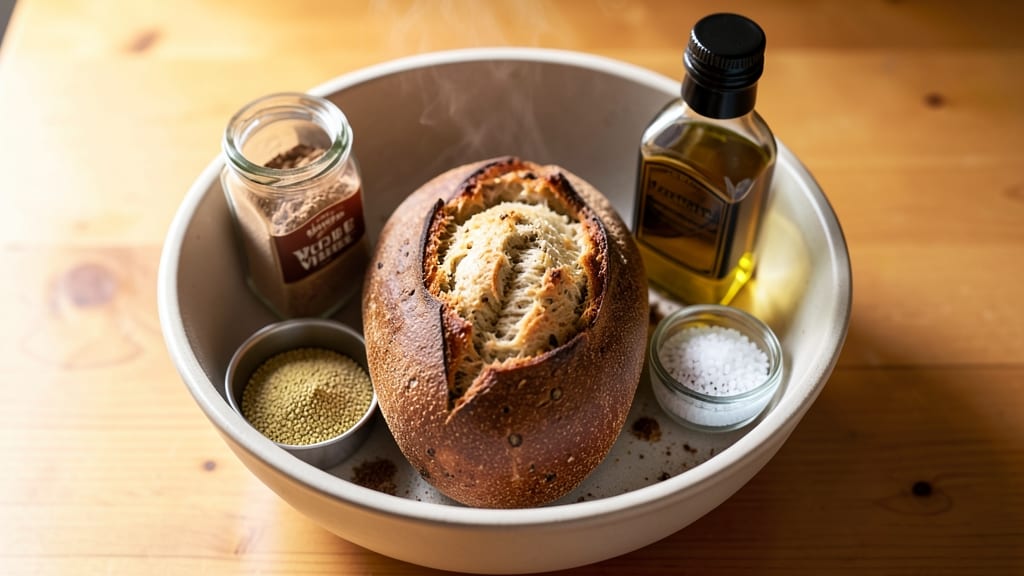
Bob’s Red Mill flour transforms ordinary baking into an artisanal experience with its rich texture and deep flavor, and this vegan bread recipe proves it. The secret lies in the flour’s ability to create a golden crust while maintaining an airy crumb, all without eggs or dairy.
I’ve perfected this method over years of testing, ensuring every loaf rises perfectly and stays fresh for days.
This recipe works beautifully with Bob’s Red Mill whole wheat, almond, or gluten-free flour blends, delivering a nutty, satisfying bite in every slice. The process is straightforward—mix, knead, proof, and bake—but the results are anything but basic.
Whether you’re making sandwiches, toast, or even dessert bread, the flavor and texture will impress even seasoned bakers.
What sets this bread apart is its foolproof rise and crisp exterior, achieved through precise fermentation and baking techniques. No special equipment is needed, just patience and attention to detail. The aroma alone as it pulls from the oven will have everyone asking for seconds.
Perfect for breakfast toast, hearty sandwiches, or even a vegan French toast casserole. Let’s get started on creating your best loaf yet—no knead, no fuss, just exceptional bread.
Ingredients for bob's red mill bread
Four cups of Bob's Red Mill flour create a golden crust with airy crumb—no eggs or dairy needed.
| Ingredient | Amount | Notes |
|---|---|---|
| Bob's Red Mill Whole Wheat Flour 🌾 | 4 cups | Unbleached preferred for authentic flavor |
| Active Dry Yeast 🍞 | 2 ¼ tsp | Freshly opened for optimal fermentation |
| Granulated Sugar 🍚 | 1 tbsp | Organic preferred for cleaner flavor |
| Vegetable Oil 🫒 | ¼ cup | Light olive or refined preferred |
| Warm Water 💧 | 1 ¼ cups | 110°F for ideal yeast activation |
| Salt 🧂 | 1 ½ tsp | Diamond Crystal preferred for texture |
| Ground Flaxseed 🌱 | 1 tbsp | For vegan egg substitute |
| Apple Cider Vinegar 🍎 | 1 tbsp | Enhances rise and flavor |
| Sesame Seeds 🌻 | 1 tbsp | For decorative golden crust |
| Olive Oil 🫒 | 1 tbsp | Extra-virgin for brushing |
| Cornmeal 🌽 | ½ cup | For dusting bread pan |
| Maple Syrup 🍁 | 1 tbsp | Optional for subtle sweetness |
Bob's Red Mill flour is the foundation here—whole wheat delivers that nutty depth, while unbleached varieties prevent graying. King Arthur or Caputo are excellent alternatives if you can't find Bob's Red Mill, but stick with 100% whole grain for that authentic bite. The yeast must be freshly opened—old packets lose potency and won't give that perfect rise. For the oil, light olive or refined vegetable oil works best; avoid heavy oils that can mute the flour's natural flavor. Warm water is critical—110°F activates yeast without killing it, and you'll know it's ready when it feels like a warm bath, not a sauna.
No Diamond Crystal salt? Morton kosher salt works in a 1:1 ratio, but the grain size affects texture—Diamond Crystal dissolves more evenly. Running short on flaxseed? Chia seeds at the same ratio work, though flaxseed has a slightly nuttier profile. The apple cider vinegar can be swapped for white vinegar or lemon juice, but ACV adds subtle tang that complements the wheat. For the sesame seeds, poppy seeds or sunflower seeds offer similar texture if you're avoiding gluten. The cornmeal dusting ensures the bread doesn't stick—semolina works too—and the maple syrup is purely optional but adds a delicate sweetness that pairs beautifully with the crust's caramelization.
This dough ferments best at 75°F for 1-2 hours, so plan ahead if your kitchen runs cold. Once baked, the loaf stays fresh for 5 days at room temperature wrapped in a clean kitchen towel, or 1 week refrigerated in an airtight container. For longer storage, freeze the cooled loaf 3 months—wrap tightly in plastic and foil. The crust crisps beautifully when reheated: 5 minutes at 350°F wrapped in foil restores its warmth and crunch. Slice with a serrated knife for clean cuts, and always let the bread cool 10 minutes before slicing to prevent gumminess.
Why You'll Love This Recipe
- No-Fuss Dough: I swear, this bread comes together in one bowl—no stand mixer, no fancy tools. Just toss in the Bob’s Red Mill flour, a pinch of yeast, a splash of oil, and warm water, then let it rise while you watch a show. That’s it. Honestly, I’ve made it on lazy Sundays when I couldn’t be bothered with kneading.
- Nutty Depth: The whole wheat flour from Bob’s Red Mill gives this bread a rich, toasty flavor that’s way more interesting than basic white bread. The sugar just enhances it—like a subtle caramel note that makes every slice feel special. I’ll be real: my picky husband actually asks for it by name now.
- Leftovers? More Like Leftovers: This bread stays fresh for days if you wrap it tight, but even better? It freezes like a dream. Toss a loaf in the freezer, and you’ve got a backup for toast, sandwiches, or garlic bread whenever. Between us, I’ve pulled one out after forgetting to bake it—and it was still perfect.
- Budget Bread: Five ingredients, zero waste. The yeast and sugar are minimal, the oil is cheap, and that whole wheat flour? It’s a pantry staple that lasts forever. I’ve fed a crowd of six for under $5, and everyone leaves happy. Plus, it’s way better than store-bought—no weird preservatives, just honest, hearty bread.
Step-by-step instructions for bob's Red Mill whole wheat bread
Here's how to transform whole wheat flour into an artisan-style loaf with crisp crust and tender crumb.
Activate the Yeast and Prepare the Dough
In a small bowl, combine the 1.25 cups warm water (tested at 110°F), 1 tbsp granulated sugar, and 2.25 tsp active dry yeast. Let sit for 5-10 minutes until frothy—this confirms the yeast is alive and ready to work. If no bubbles form, your yeast may be inactive, and you'll need to start fresh.
In a large mixing bowl, whisk together the 4 cups Bob's Red Mill whole wheat flour, 1.5 tsp salt, and 1 tbsp ground flaxseed. Create a well in the center and pour in the yeast mixture along with the 0.25 cup vegetable oil and 1 tbsp apple cider vinegar. Using a wooden spoon or dough whisk, gradually incorporate the dry ingredients into the wet until a shaggy dough forms.
Knead Until Elastic and Smooth
Turn the dough onto a lightly floured surface and knead for 8-10 minutes by hand, or use a stand mixer with a dough hook attachment on medium speed for 5-6 minutes. You're aiming for a smooth, elastic dough that springs back when poked—this indicates proper gluten development. If the dough feels too sticky, add 1 tablespoon of flour at a time until it becomes manageable.
Here's the thing—whole wheat dough behaves differently than white flour dough. It's denser and less extensible, so don't be discouraged if it doesn't become as smooth as traditional bread dough. The key is to handle it gently to avoid overworking, which can make the final loaf tough.
First Rise and Shaping
Lightly oil a large bowl, place the dough inside, and cover with a damp kitchen towel. Let rise in a warm place for 1-1.5 hours or until doubled in size. The dough should feel springy when pressed gently with one finger—this confirms proper fermentation. If your kitchen isn't warm enough, place the bowl near a turned-off oven with the light on to create warmth.
Once risen, punch down the dough to release air. Divide it into 4 equal portions (about 12 ounces each) and shape each into a smooth round boule. For best results, use your hands to create surface tension—this helps develop the gluten structure that gives artisan bread its characteristic texture.
Second Rise and Final Preparation
Place the shaped dough balls on a baking sheet lined with parchment paper, cover with a damp towel, and let rise for another 30-45 minutes until puffy. Preheat your oven to 375°F during this time. While the oven heats, brush the tops of the dough balls with 1 tbsp olive oil and sprinkle generously with 1 tbsp sesame seeds—this creates the decorative golden crust we're aiming for.
For an extra touch, you can add the 1 tbsp maple syrup to the olive oil before brushing. This subtle sweetness enhances the bread's flavor without overpowering its natural whole wheat taste. The syrup also contributes to that beautiful caramelized crust during baking.
Bake to Golden Perfection
Carefully transfer the baking sheet to the preheated oven. Bake for 30-35 minutes until the bread is deep golden brown and sounds hollow when tapped on the bottom. The internal temperature should reach 190-200°F when measured with an instant-read thermometer.
Immediately after baking, remove the bread from the oven and place it on a wire rack. For that authentic artisan touch, brush the sides with additional olive oil while still warm. Let cool completely before slicing—this ensures clean cuts and prevents the crumb from becoming gummy.
Pro Tips For Making Bob'S Red Mill Bread
- Bloom the Yeast First: Skip mixing yeast straight into dry flour—it’s lazy and risky. Instead, dissolve the yeast and sugar in warm water (110°F) for 5-10 minutes until frothy. Whole wheat dough can be stubborn; this step guarantees your yeast is alive and ready to work before you even touch the flour.
- Measure Flour Right: That “1 cup” scoop-and-sweep method? Stop it. Whole wheat flour packs tighter than all-purpose. Spoon it into the cup, then level with a knife—no more dense, brick-like loaves. (Yes, even Bob’s Red Mill’s “light” flour needs this.)
- Knead Until Silky: Whole wheat dough fights you. Keep kneading by hand until it’s smooth, elastic, and springs back when poked—about 8-10 minutes. No windowpane test? You’re not there yet. (A stand mixer on medium helps, but don’t overdo it—you’ll heat the dough.)
- Oil the Bowl Properly: Lightly grease the bowl with vegetable oil, then rub a thin layer of flour over the oil—this prevents sticking and keeps the dough from drying out during the first rise. (I used to skip this; now I don’t.)
Storing and reheating this bob's red mill bread
Room Temperature Storage
Wrap your freshly baked Bob’s Red Mill bread in a clean kitchen towel or beeswax wrap—this preserves moisture better than plastic. Place it in a cool, dark place (like a bread box or countertop) for up to 5 days.
The towel absorbs excess moisture while allowing the crust to stay crisp. I always double-wrap mine for extra freshness—no soggy crumb here! 🌾
Refrigerator Refresh
For longer storage, refrigerate your loaf in an airtight container for up to 1 week. To revive the crust, wrap the chilled bread in aluminum foil and heat at 350°F for 5-7 minutes.
The foil traps steam, restoring that golden crunch. Avoid microwaving—it turns bread gummy. A quick oven toast is the secret to restaurant-quality texture. ⏰
Freezer Preservation
Cool your bread completely before freezing—this prevents ice crystals that ruin texture. Wrap tightly in plastic wrap, then foil, or use a freezer bag with all air squeezed out. Label with the date and freeze for up to 3 months.
Thaw overnight at room temperature, then refresh in the oven as above. I freeze my loaves in single-slice portions for easy grab-and-go toast. 🧊
Reviving Stale Bread
Got dry bread? No problem! Spritz with water (not too much) and heat at 350°F for 5 minutes wrapped in foil. For extra moisture, brush with melted butter or olive oil before reheating.
This works wonders for toasted sandwich bread or French toast casseroles. My go-to trick? Add a splash of milk to the reheating process for ultra-moist results. ✨
Portioning for Perfection
Slice your loaf with a serrated knife while still warm for cleaner cuts. Store slices in a paper bag at room temperature—they’ll stay fresh 2-3 days longer than wrapped slices.
For sandwiches, toast directly from the fridge—no reheating needed. I always keep a loaf sliced and ready in my freezer for quick breakfasts. 🥖
Gluten-Free Adaptations
If using Bob’s Red Mill gluten-free flour blend, store bread in the refrigerator (not room temp) to prevent spoilage. These loaves dry out faster due to lack of gluten structure.
Freeze GF bread in 1-slice portions for best results. Thaw at room temp, then refresh in the oven. The key? Less is more—GF bread benefits from shorter storage times. 💡
Nutrition facts
Frequently asked questions
Can I substitute Bob's Red Mill flour with another brand?
Yes, but results may vary. King Arthur or Caputo whole wheat flours work well as alternatives, though Bob's Red Mill's unique texture creates that signature nutty depth. For gluten-free versions, use Bob's Red Mill's dedicated blend and expect a denser crumb that stores best refrigerated. Always measure by weight for consistency.
Why does my whole wheat dough feel sticky and hard to handle?
Whole wheat dough behaves differently than white flour dough due to its higher moisture content and bran. Add 1 tablespoon flour at a time until workable, but avoid over-flouring. Wet your hands slightly when handling to prevent sticking. The dough should be soft but not wet—think of it like modeling clay.
How do I know when the bread is fully baked?
Look for a deep golden brown crust and tap the bottom—the sound should be hollow. An instant-read thermometer should show 190-200°F internally. If unsure, bake 5 more minutes to prevent gummy crumb. The crust should crisp up as it cools completely.
Can I make this bread without a stand mixer?
Knead by hand for 8-10 minutes on a lightly floured surface. The goal is to develop gluten for that airy crumb. Work in short bursts, resting the dough between kneading sessions if needed. Your arms will thank you for the exercise!
What's the best way to use up leftover bread?
Transform stale slices into croutons (toast and cube), breadcrumbs (pulse in a food processor), or French toast. For sandwiches, toast directly from the fridge—no reheating needed. The crust reheats beautifully in a 350°F oven for 5 minutes wrapped in foil.