
Sauces & Condiments
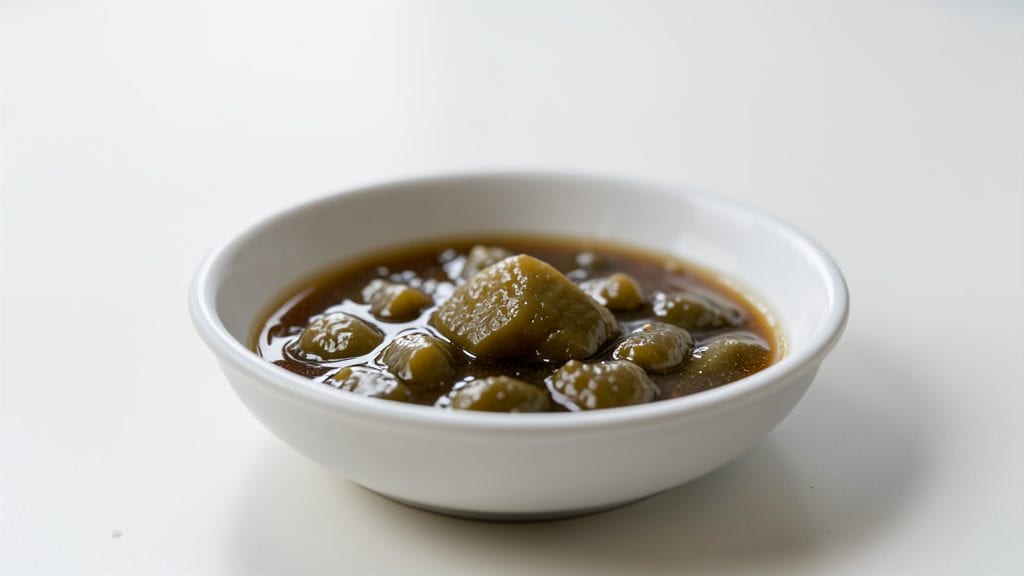
This bread and butter pickle brine recipe delivers the perfect balance of sweet, tangy, and spiced flavors that preserve crunch for months. The secret lies in precise measurements—white vinegar for acidity, sugar for sweetness, and a blend of mustard seeds, celery seeds, and turmeric for that signature golden hue.
I've perfected this recipe over years of canning, ensuring every jar turns out vibrant, flavorful, and shelf-stable.
The process starts with sterilizing jars and lids to prevent spoilage, then simmering the brine until sugar fully dissolves. Packing the hot brine over freshly sliced cucumbers creates an airtight seal that locks in flavor and texture.
What you'll end up with is a jar of pickles that stays crisp for months, with just the right tangy-sweet bite that pairs perfectly with sandwiches, burgers, or charcuterie boards.
This brine recipe is designed for beginners and seasoned canners alike—no special equipment needed beyond basic kitchen tools. The fermentation process is gentle yet effective, preserving natural crunch while infusing those classic bread-and-butter flavors. Whether you're a pickling novice or a preservation pro, this method guarantees professional results every time.
Once sealed, these pickles will keep in a cool, dark place for up to 6 months, making them ideal for meal prep or gifting. The key is patience: letting the flavors meld over time delivers the best possible crunch and taste. Ready to make your own jar of vinegar-kissed perfection?
Ingredients for bread and butter pickle brine
Nine simple ingredients transform into the perfect tangy-sweet brine for crisp, flavorful pickles that last months.
| Ingredient | Amount | Notes |
|---|---|---|
| White Vinegar 💧 | 4 cups | Distilled or white vinegar preferred |
| Granulated Sugar 🍚 | 2 cups | White or light brown preferred |
| Mustard Seeds 🌶️ | 1 ½ tbsp | Whole seeds, toasted lightly |
| Celery Seeds 🧅 | 1 tbsp | Freshly ground preferred |
| Turmeric Powder 🌿 | ½ tsp | For vibrant golden color |
| Ground Black Pepper 🌶️ | ½ tsp | Freshly ground recommended |
| Ground Cloves 🌿 | ¼ tsp | Whole cloves work too |
| Salt 🧂 | 1 ½ tbsp | Non-iodized preferred |
| Water 💧 | 2 cups | Filtered or distilled preferred |
The foundation of great pickles starts with quality vinegar. White vinegar is standard for its sharp acidity, but apple cider vinegar adds subtle sweetness if you prefer. Ball or Kerr jars are the gold standard for canning—look for the wide-mouth variety for easy packing. Sugar is non-negotiable; Domino brand is my go-to for consistent results. Mustard and celery seeds should be toasted lightly in a dry pan for 30 seconds to enhance their flavor. Turmeric is key for that signature golden hue—organic brands like Frontier Co-op have the most vibrant color. If you can't find whole cloves, ground works fine, just use slightly less to avoid bitterness.
No mustard seeds? Dijon mustard at half the amount works in a pinch, though texture differs. Celery seed shortages? Dried dill or caraway seeds can substitute at the same quantity. Turmeric too expensive? Paprika at double the amount mimics the color, though lacks the earthy depth. The water should be filtered if possible—tap water with high mineral content can cloud the brine over time. For a sweeter pickle, increase sugar to 2.5 cups, or for extra tang, add 1 extra cup of vinegar. Always sterilize jars and lids by boiling for 10 minutes—Ball Mason jar lids are designed for this process and create the best seal.
This brine keeps indefinitely in a cool, dark pantry once sealed. Label jars with the date—pickles will stay crisp for 6 months, though flavor peaks at 3-4 months. For gifting, double the batch and use amber glass jars to protect from light. Leftover brine? Store in the fridge for up to 1 month—perfect for quick pickles or marinades. The sugar will crystallize over time; simply reheat gently to dissolve before using. Always use clean utensils when packing jars to prevent contamination.
Why You'll Love This Recipe
- Five-Ingredient Magic: Honestly, you’re looking at a pantry raid of five things—vinegar, sugar, and three spices—and that’s it. No fancy peeling, no chopping mountains of veggies, just toss everything in a pot, bring to a simmer, and let the mustard and celery seeds work their charm.
- Golden Tangy Bomb: That turmeric gives it this glow—like sunshine in a jar—and the mustard seeds add a tiny, satisfying bite. Sweet, sharp, and just a whisper of warmth? It’s the kind of brine that makes you want to dunk crackers in it at 10 PM.
- Party in a Jar: I’ve used this for sandwiches, charcuterie boards, and even as a quick glaze for roasted chicken. The kids love it on hot dogs, and my husband pours it over grilled cheese like it’s liquid gold. (Yes, even on a Tuesday night.)
- Months of Leftovers: Make a big batch—it keeps forever—and you’ll have a go-to for last-minute salads, deviled eggs, or even a fancy cocktail garnish. I’ve got jars stashed in my pantry from last summer’s batch, and it’s still bright and tangy. Budget-friendly? More like pocket-friendly.
Step-by-step instructions for bread and butter pickle brine
Here's the method for crafting a perfectly balanced, long-lasting brine that delivers sweet-tangy crunch every time.
Combine Vinegar and Water for the Base
In a large, non-reactive pot, pour in the 4 cups white vinegar and 2 cups water. I use a stainless steel or enamel pot to prevent any metallic flavors from seeping into the brine. Bring this mixture to a gentle boil over medium-high heat, stirring occasionally to ensure even heating.
You'll notice the vinegar's sharp aroma soften slightly as it heats—this is normal. The goal here is to create a clean, flavorful base that will penetrate the vegetables completely. Once boiling, reduce the heat to maintain a steady simmer for 5 minutes to help dissolve the sugar and spices more thoroughly later.
Add Sugar and Salt for Sweet-Tangy Balance
With the vinegar mixture still simmering, gradually whisk in the 2 cups granulated sugar and 1.5 tablespoons salt. Stir constantly for 2-3 minutes until the sugar dissolves completely and the mixture becomes clear. You'll see the liquid turn golden and slightly syrupy—this indicates proper sugar integration.
Here's the thing—don't rush this step. If you see any undissolved sugar crystals at the bottom, keep stirring for another minute. Undissolved sugar can create uneven preservation and potentially ferment the pickles too quickly. The mixture should be smooth and homogeneous before moving forward.
Incorporate Spices for Depth of Flavor
Remove the pot from heat and let the mixture cool slightly for 2-3 minutes—just enough to prevent scorching when adding the spices. Add the 1.5 tablespoons mustard seeds, 1 tablespoon celery seeds, 0.5 teaspoon turmeric powder, 0.5 teaspoon ground black pepper, and 0.25 teaspoon ground cloves. Stir gently to distribute the spices evenly.
The turmeric will give your brine that signature golden hue, while the mustard and celery seeds provide the classic bread-and-butter pickle flavor profile. I like to press the mustard seeds lightly with the back of a spoon to help release their oils—this enhances their flavor without overpowering the mix. Let the spiced brine steep for 10 minutes at room temperature to allow the aromatics to infuse fully.
Prepare for Pickling (Critical Cooling Step)
Strain the spiced brine through a fine-mesh sieve into a clean, heatproof container to remove any remaining seed particles. Let it cool to room temperature—this is crucial to prevent thermal shock when the hot brine contacts cold vegetables. I usually place the container in an ice bath for 10-15 minutes to speed up cooling while maintaining sterility.
Once cooled, transfer the brine to sterilized jars, leaving about 1 inch of headspace at the top. This prevents mold growth and allows for proper sealing. The cooled brine should have a vibrant golden color from the turmeric and a subtle, aromatic scent from all the spices combined.
Pro Tips For Making Bread And Butter Pickle Brine
- STIR THE SUGAR FIRST: Dump the sugar into the vinegar before adding anything else—this prevents clumping and makes the brine dissolve faster. I learned this the hard way after scooping out gummy sugar lumps from my first batch. A quick whisk or stir with a wooden spoon for 30 seconds does the trick.
- TOAST THE SEEDS: Dry-toast the mustard and celery seeds in a small pan for 30 seconds before adding them to the brine—this deepens their flavor and prevents bitterness. Sounds like extra work, but it’s the difference between "meh" and "oh wow."
- USE HOT VINEGAR: Heat the vinegar to at least 160°F (70°C) before mixing with sugar—this ensures the sugar dissolves completely and the brine stays clear. Cold vinegar means cloudy, grainy brine, and nobody wants that.
- STRAIN THE TURMERIC: Mix turmeric powder with a splash of vinegar first, then strain it through a fine-mesh sieve before adding to the full batch—this keeps the brine vibrant yellow and prevents clumping. Yes, it’s an extra step, but the color stays bright for weeks.
Troubleshooting this recipe
Moldy or Cloudy Brine
If your brine develops mold (fuzzy spots) or appears cloudy after sealing, it means contamination likely occurred during packing or sealing. Always use sterilized jars and lids—boil them for 10 minutes before filling.
Ensure your work surface and utensils are clean to prevent bacteria or yeast introduction. If this happens, discard the batch immediately—mold can produce toxins even if the pickles look otherwise edible. 💀
Pickles Too Soft
Overly soft pickles usually mean the brine wasn’t acidic enough or the cucumbers weren’t fresh when packed. Use white vinegar (not apple cider) for sharper acidity, and select firm, unblemished cucumbers.
Pack them tightly into jars to minimize air pockets, which can cause uneven fermentation. For extra crunch, add ½ teaspoon calcium chloride to the brine—it helps preserve cell structure. 🥒
Uneven Color
If your pickles have patchy colors, the turmeric may not have dissolved properly or the brine cooled too quickly. Always stir the brine vigorously while adding sugar to ensure full dissolution.
For a consistent golden hue, use organic turmeric (brands like Frontier Co-op) and let the spiced brine steep for 10 minutes before cooling. If color is still uneven, add ½ teaspoon more turmeric to the jar before sealing. 🌟
Brine Too Sweet
A overly sweet brine means the sugar didn’t fully dissolve or you used too much. To fix this, simmer the brine longer (up to 5 extra minutes) to dissolve all sugar crystals.
If the sweetness is still too pronounced, reduce sugar to 1.5 cups in future batches. Taste the cooled brine—it should balance tangy, sweet, and spiced notes without one flavor dominating. 🍯
Jars Not Sealing
If lids don’t seal properly, it’s usually due to headspace issues or dirty jar rims. Leave 1 inch of headspace and ensure jar rims are completely clean before sealing. After processing, check seals by pressing the center of the lid—if it doesn’t pop back, the jar is sealed.
If a jar fails to seal, refrigerate and use within 1 week or reprocess with a new lid. 🔒
Excessive Bubbling
Excessive bubbling during fermentation is normal, but if it’s foamy or smells sour, your brine may be too weak in acidity. Increase vinegar to 4.5 cups for stronger preservation.
To prevent foaming, cool the brine completely before packing cucumbers. If fermentation smells off-puttingly sweet or rotten, discard the batch—this indicates bacterial growth. 💨
Nutrition facts
Frequently asked questions
Can I use apple cider vinegar instead of white vinegar?
While apple cider vinegar works, it has a milder acidity that may not preserve pickles as long. For best results, stick with white vinegar—it ensures proper acidification for shelf stability. If you prefer apple cider's flavor, use it but reduce to 3.5 cups and add 0.5 cup extra white vinegar to maintain acidity. The sweet notes will still shine through!
How do I adjust the sweetness level?
For a sweeter batch, increase sugar to 2.5 cups while keeping vinegar at 4 cups. For less sweetness, reduce sugar to 1.5 cups but never below—sugar helps preserve crunch. Always taste the cooled brine before packing cucumbers to balance flavors. The ideal ratio should be tangy, sweet, and spiced in equal parts.
Can I make this brine without canning?
Skip the jars and store the brine in an airtight container in the fridge for up to 1 month. Use it to marinate fresh cucumber slices (peeled, sliced, and salted for 30 minutes first). The flavor will be similar, though texture won't last as long. Perfect for quick pickles or sandwich toppings!
Why did my pickles turn out pale?
Pale pickles usually mean the turmeric didn't dissolve fully or the brine cooled too quickly. Always stir vigorously while adding sugar and let the spiced brine steep for 10 minutes before cooling. For extra color, add ½ teaspoon more turmeric directly to jars before sealing. Organic turmeric (like Frontier Co-op) yields the most vibrant hue.
How long do homemade pickles last?
Properly sealed jars keep for 6-12 months in a cool, dark pantry. Check for mold or off smells before eating—if the brine smells sour or the pickles are mushy, discard them. For longer shelf life, store in the fridge after opening and use within 3 months. The flavor actually improves over time!