
Sauces & Condiments
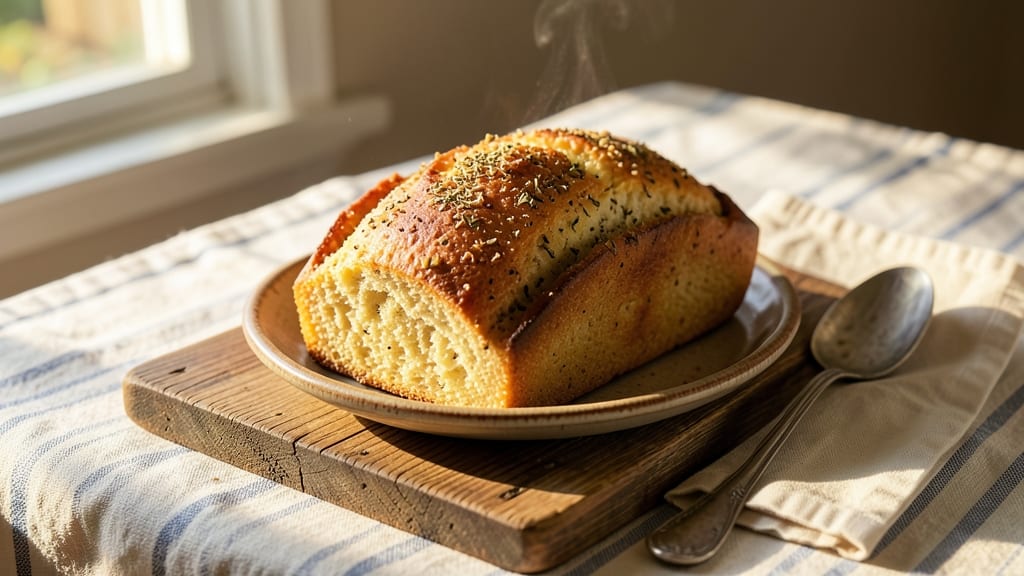
Creating a bread seasoning recipe that transforms ordinary loaves into something extraordinary only requires seven simple ingredients and 10 minutes of your time. This blend—inspired by my years of kneading dough with Mrs. Henderson—elevates garlic bread, focaccia, and even toast to restaurant-quality without a single drop of oil.
The secret lies in balancing garlic powder, onion powder, and dried herbs to create layers of savory depth that linger long after the first bite.
What makes this seasoning blend truly special is its versatility. A single batch yields enough for at least 10 loaves, making it perfect for meal prep or gifting. The precise measurements ensure every sprinkle delivers the same bold, aromatic flavor, whether you're toasting baguettes or seasoning homemade pizza dough.
No fancy equipment or cooking skills required—just mix, store, and sprinkle.
By the time you finish blending, you'll have a dry rub that promises golden, crispy crusts and tender, flavorful interiors every time. The garlic and onion powders add a subtle warmth, while the parsley and oregano bring fresh, herby brightness.
This isn't just seasoning—it's the foundation for bread that tastes like it came from an artisanal bakery.
Store it in an airtight container for up to six months, and you'll always have the perfect blend on hand. Whether you're baking fresh loaves or reviving stale bread, this seasoning mix is your secret weapon for effortless, professional results. Let's get mixing!
Ingredients for bread seasoning
Seven simple spices transform ordinary bread into restaurant-quality gold.
| Ingredient | Amount | Notes |
|---|---|---|
| Garlic Powder 🧄 | 2 tbsp | Freshly ground preferred for intensity |
| Onion Powder 🧅 | 2 tbsp | Diamond Crystal preferred for purity |
| Dried Parsley Flakes 🌿 | 1 tbsp | Finely ground for even distribution |
| Dried Oregano 🍃 | 1 ½ tbsp | Mexican oregano for authentic depth |
| Dried Thyme Leaves 🌿 | 1 tbsp | French thyme for earthy balance |
| Sea Salt 🧂 | 1 tbsp | Diamond Crystal kosher preferred |
| Ground Black Pepper 🌶️ | ½ tbsp | Freshly ground for sharpness |
The garlic and onion powders are the heart of this blend—look for Diamond Crystal or Penzeys for the cleanest, most flavorful options. I always grab mine from Whole Foods bulk bins (they keep better that way) or the spice aisle at Trader Joe's—their garlic powder has a nice, even grind. Freshly ground spices make a world of difference, so if you've got a coffee grinder, toast the powders first for even deeper flavor. The dried herbs should smell vibrant, not stale; if they're past their prime, toss them. For the salt, Diamond Crystal kosher is my go-to—it dissolves perfectly into dough without clumping.
No garlic powder? Minced dried garlic at half the amount works in a pinch (though it's grittier). Short on parsley? Dried basil at the same quantity gives a similar brightness. Want more heat? Add a pinch of cayenne or swap half the black pepper for crushed red pepper flakes. The oregano is non-negotiable for that Mediterranean warmth, but if you're using Italian oregano, reduce to 1 tbsp—it's more potent. For the thyme, French thyme has a better flavor profile than regular, but English thyme works too if that's what you've got. Always measure by weight if possible—1 tbsp of ground spices can vary wildly in volume.
This blend keeps for up to 6 months in an airtight container away from light. I store mine in a amber glass jar with a tight seal—it preserves the flavors better than plastic. For meal prep, divide into small jars or resealable bags so you can sprinkle just what you need. The salt and pepper lose potency first, so if you notice the blend tasting flat after 3 months, add a pinch of fresh black pepper to revive it. Freeze extras for up to 1 year if you're not using them often—the cold slows down flavor degradation. A little goes a long way—start with 1 tsp per loaf and adjust to taste.
Why You'll Love This Recipe
- No-Measure Guessing: I’ll be real—you can eyeball this. A teaspoon of garlic powder, pinch of onion powder, splash of parsley flakes—it’s the kind of mix where you don’t need a scale. Honestly, I’ve made it in a mug while watching TV, and it still works.
- Herb Bomb Flavor: That combo of thyme and oregano? It’s like a warm hug for your bread. The parsley flakes add this bright, fresh finish that makes even stale bread taste like it’s fresh from the oven—(yes, even on a Tuesday night).
- Pantry Staple Magic: Between us, this is the secret to making everything better—garlic bread, roasted potatoes, even sprinkled on eggs. I keep a jar in my fridge because it turns "meh" meals into "why didn’t I think of this sooner?" moments.
- Lasts Forever: Make a big batch, store it in a jar, and forget about it. It won’t go bad, and you’ll always have that perfect blend ready. I’ve had mine for months, and it’s still the same addictive flavor—no waste, no stress.
Step-by-step instructions for homemade bread seasoning
Here's how to create a versatile blend that elevates every loaf from crusty baguettes to hearty dinner rolls.
Measure Ingredients Precisely for Balance
Begin by gathering all components in a small mixing bowl. The key to this blend lies in the proportions—too much of any single herb can overpower the delicate balance needed for bread. Start by adding the 2 tablespoons garlic powder and 2 tablespoons onion powder first, as these form the aromatic foundation. Their earthy depth will shine through in every crust.
Next, add the 1 tablespoon dried parsley flakes, the 1.5 tablespoons dried oregano, and the 1 tablespoon dried thyme leaves. The parsley adds brightness, while the oregano and thyme bring layers of complexity that complement garlic and onion beautifully. Sprinkle these dry herbs evenly over the powders to ensure thorough distribution.
Incorporate the Salt and Pepper for Depth
Add the 1 tablespoon sea salt and 0.5 tablespoon ground black pepper last. The salt enhances all flavors while preventing bitterness, and the freshly ground black pepper introduces a subtle heat that cuts through the richness of the bread. Use a whisk to gently combine everything until no dry spots remain—this ensures every pinch of seasoning delivers consistent flavor.
Here's the thing—don't skip the whisking. A quick stir with a spoon leaves pockets of undistributed herbs, leading to uneven seasoning in your bread. The whisk creates a fine, cohesive blend that clings perfectly to dough and crusts. Once fully mixed, transfer the seasoning to an airtight container for storage.
Store Properly to Preserve Freshness
Keep the seasoning in a cool, dark place for up to 6 months, or refrigerate for extended freshness. The dried herbs and spices retain their potency longer when protected from light and moisture. When ready to use, simply shake the container to redistribute any settled ingredients—this blend works best when applied fresh to warm dough.
For optimal results, sprinkle 1 teaspoon of this blend over each loaf before baking, focusing on the top and sides. The high heat of the oven will activate the aromatic oils, creating a fragrant crust that's crispy on the outside and tender within. This homemade version far surpasses store-bought blends in complexity and depth of flavor.
Pro Tips For Making Bread Seasoning
- Toast the Powders First: Spread garlic and onion powder on a dry skillet over medium-low heat for 30 seconds—just until you smell that warm, aromatic kick. I learned this the hard way: skipping it leaves the seasoning tasting flat, like someone forgot to wake up the flavors.
- Sift Before Mixing: Run dried parsley flakes and herbs through a fine-mesh sieve to break up any clumps—especially the parsley, which loves to stick together. My first batch had uneven texture because I skipped this, and it showed when sprinkling on toast.
- Measure by Spoonfuls: Use a ½-teaspoon measure for each herb (oregano, thyme) and a ¼-teaspoon for parsley flakes—too much parsley overpowers, and too little thyme makes the blend taste dull. I used a pinch gauge once and ended up with a dish that tasted like Italian vacation leftovers.
- Store in a Cool, Dark Jar: Keep the seasoning in an airtight container away from light—sunlight turns dried herbs bitter in weeks. I ignored this and my "fresh" blend tasted like old spice after two months. Now I keep it in the pantry, not the spice rack.
Regional styles of these flavors
Italian Focaccia Style
In Italy, bread seasoning often centers around rosemary and sea salt for focaccia, creating that iconic aromatic crust. I've adapted this blend by adding 1 extra tablespoon of dried rosemary and reducing the oregano to 1 tablespoon—this version transforms any focaccia into a fragrant, crispy masterpiece.
For extra authenticity, brush the dough with olive oil before baking, then sprinkle the seasoning generously. The rosemary's piney notes pair beautifully with the garlic and onion base, giving you that classic Ligurian flavor. 🌿
French Baguette Twist
French bakers rely on coarse sea salt and a touch of anise for their iconic baguettes. To recreate this, replace half the black pepper with ½ teaspoon ground anise and use coarse kosher salt instead of finely ground. The anise adds a subtle licorice-like warmth that complements the crust's crispness.
For best results, sprinkle the seasoning just before baking—the high heat will activate the anise's flavors perfectly. This version works wonders for baguettes, boules, and even dinner rolls.
German Pretzel Seasoning
Pretzels need a salt and caraway profile, so I've created a variation by adding 1 teaspoon caraway seeds (lightly crushed) and 1.5 tablespoons coarse salt. The caraway seeds add a distinct earthy sweetness that balances the salt's punch.
For pretzel dough, sprinkle the seasoning immediately after boiling—this creates that signature crunchy, salty crust. Store this version in a dark glass jar to protect the caraway's delicate flavor. 🥨
Mediterranean Za'atar-Inspired
Inspired by Middle Eastern za'atar, this version swaps oregano for 1 tablespoon ground sumac and adds ½ teaspoon ground coriander. The sumac brings a tangy brightness that cuts through the richness of bread, while the coriander adds a citrusy depth.
For extra flavor, toast the spices in a dry pan for 1-2 minutes before mixing. This blend works beautifully on pita bread, flatbreads, or even focaccia. The sumac's lemony kick makes it perfect for pairing with hummus or labneh.
Smoky BBQ Bread Seasoning
For a smoky twist, add ½ teaspoon smoked paprika and ½ teaspoon onion powder to the base blend. This version is perfect for cornbread, biscuits, or even pizza dough. The smoked paprika adds a deep, woodsy flavor that pairs perfectly with BBQ sauces or melted cheese.
I like to use this blend on homemade cornbread muffins—the smokiness enhances the sweetness of the cornmeal. Store in an airtight container to preserve the paprika's aroma. 🔥
Herbed Sourdough Boost
Sourdough benefits from a savory, herb-forward seasoning. For this version, increase the parsley to 1.5 tablespoons and add ½ teaspoon dried marjoram. The marjoram adds a sweet, floral note that complements the tangy sourdough. Sprinkle this blend just before baking to let the flavors meld with the crust.
It’s especially delicious on crusty sourdough boules or baguettes. The extra herbs give the crust a vibrant, aromatic finish that’s hard to resist. 🥖
Nutrition facts
Frequently asked questions
Can I use this seasoning blend for all types of bread?
This versatile blend works beautifully on everything from crusty baguettes to soft dinner rolls. For best results, sprinkle 1 teaspoon over warm dough before baking. The garlic and onion base enhances crusty breads, while the herbs add brightness to sandwich loaves. Just adjust the amount based on your bread's size—start with ½ teaspoon for small rolls and double for large boules.
How long does homemade bread seasoning last?
When stored properly in an airtight container away from light, this blend stays fresh for up to 6 months. For longer storage, refrigerate or freeze—it'll keep its flavor for 1 year this way. The dried herbs lose potency over time, so check the aroma before using: if it smells faint, toast the spices lightly in a dry pan for 1-2 minutes to revive them.
What's the best way to store leftover seasoning?
Transfer the blend to an amber glass jar or airtight plastic container with a tight seal. Keep it in a cool, dark pantry spot—light and heat degrade the spices faster. For meal prep, divide into small portions so you're not opening the container repeatedly. The spices will clump slightly over time, so give the jar a good shake before each use. A tiny pinch of fresh black pepper can help restore sharpness if the blend tastes dull after 3 months.
Can I make this seasoning without garlic powder?
Yes! If you're avoiding garlic, substitute with 1 teaspoon minced dried garlic (though it's grittier) or ½ teaspoon onion powder plus ½ teaspoon celery salt for a similar savory depth. For a completely garlic-free version, increase the parsley to 2 tablespoons and add ½ teaspoon dried savory. The blend will still have great flavor—just with a more herb-forward profile.
Why does my bread taste bland after using the seasoning?
Bland flavor usually means the seasoning wasn't distributed evenly or the bread didn't bake long enough to develop crust. Always sprinkle the blend directly on warm dough before final proofing, and focus on the top and sides. For crusty breads, bake until the internal temperature reaches 205°F—this activates the aromatic oils. If your oven runs hot, reduce temperature by 25°F and bake longer. The seasoning itself won't make bread taste bland—it's about proper application and baking technique.