
Side Dishes
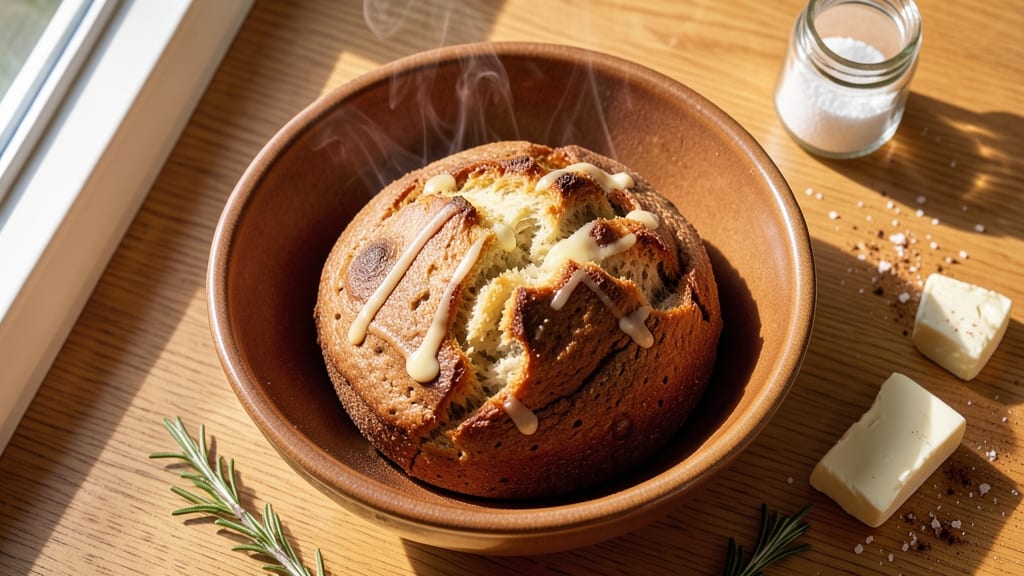
This Coke and flour bread recipe transforms simple pantry staples into a tender, sweet loaf with a soft crust and subtle soda pop flavor. The secret lies in Coca-Cola's natural sugars and acidity, which create a moist crumb and golden-brown exterior without needing extra fat.
I first tried this recipe during a baking experiment when I ran out of milk, and the results were so good I've been perfecting it ever since.
The process is straightforward but requires patience—mixing the dough takes just 10 minutes, but resting it for 1 hour ensures that signature soft texture.
You'll need basic ingredients like all-purpose flour, baking powder, and a can of Coca-Cola, plus a few optional additions like sugar or eggs for extra richness. The baking time is 30-35 minutes at 350°F, yielding a loaf that's perfect for sandwiches or toast.
What makes this bread special is its versatility—it pairs beautifully with breakfast spreads, grilled meats, or even as a dessert when drizzled with honey. The soda pop flavor adds a subtle sweetness that disappears as it cools, leaving behind a clean, tender crumb.
This recipe proves that sometimes the simplest ingredients create the most memorable results.
For best results, brush the warm loaf with melted butter for extra tenderness, and store leftovers wrapped in plastic to maintain freshness. Whether you're a seasoned baker or just starting out, this recipe delivers foolproof, restaurant-quality bread with minimal effort. Let's get baking!
Ingredients for coke and flour bread
Pantry staples meet soda pop magic for a tender loaf with subtle sweetness and perfect golden crust.
| Ingredient | Amount | Notes |
|---|---|---|
| All-Purpose Flour 🌾 | 4 cups | Sifted for even texture |
| Coca-Cola 🥤 | 1 can | Regular or diet version |
| Granulated Sugar 🍚 | ¼ cup | White or brown preferred |
| Baking Powder 🍞 | 1 ½ tsp | Double-acting for rise |
| Salt 🧂 | 1 tsp | Diamond Crystal preferred |
| Unsalted Butter 🧈 | ½ cup | Melted, full-fat preferred |
| Large Eggs 🥚 | 1 whole | Room temperature for mixing |
| Vanilla Extract 🌸 | 1 tsp | Pure, high-quality preferred |
| Garlic Powder 🧄 | ½ tsp | Freshly ground preferred |
| Ground Cinnamon 🌿 | ½ tsp | Optional for subtle warmth |
| Cornmeal 🌽 | ¼ cup | For dusting loaf pan |
| Milk 🥛 | ¼ cup | Optional for extra tenderness |
The Coca-Cola is non-negotiable here—its natural sugars and acidity create that signature moist crumb. Regular Coke works best (the caramel color enhances browning), but diet version in a pinch won't ruin it. For flour, King Arthur or Gold Medal brands yield the best texture, though any all-purpose will work. The baking powder must be fresh—if it's over six months old, the rise will suffer. Butter matters too: Plugrá or Land O'Lakes unsalted gives optimal tenderness. Pro tip: measure your flour by weight (1 cup = 4.5 oz) for consistency, though volume works fine for this forgiving recipe.
No vanilla extract? Almond extract at half the amount adds depth, though the flavor shifts slightly. Short on butter? Vegetable oil at 0.25 cup works but may yield a denser crumb. The milk is truly optional—this bread works beautifully without it, but adding it creates a more tender, almost brioche-like texture. For a richer loaf, replace half the Coca-Cola with buttermilk. The cinnamon is optional but enhances the soda pop flavor beautifully; if you omit it, add an extra pinch of salt to balance sweetness. And yes, you can use Pepsi or Sprite in a bind, though the flavor will differ subtly.
This dough is best mixed and rested at room temperature for optimal texture. Once shaped, the loaf keeps 3 days wrapped in plastic at room temperature or 1 week in the fridge. For longer storage, freeze the wrapped loaf for up to 3 months—thaw at room temperature before serving. The bread reheats beautifully: wrap in foil and warm at 300°F for 10 minutes. For sandwiches, slice while still warm for maximum tenderness. Leftovers? Toast them—they develop a crispy exterior that's even better than fresh.
Why You'll Love This Recipe
- Pantry Magic: I swear, this bread needs four things—flour, Coke, sugar, and a pinch of salt. That’s it. No yeast, no kneading, no waiting around. Just mix, bake, and boom—homemade bread with zero fuss.
- Caramelized Edge: The Coke’s sweetness caramelizes into crispy, golden pockets while the inside stays soft. Honestly, that contrast? It’s like biting into a buttery croissant, but with a secret soda twist that makes it mine.
- Breakfast to Brunch: Toast it for breakfast, serve it with soup for lunch, or tear it into chunks for a quick snack. I’ve even used the leftovers to make French toast the next morning—because why waste good bread?
- Budget Baking: A can of Coke and a bag of flour stretch farther than you’d think. This recipe costs me pennies per loaf, and the flavor? Way better than store-bought. Plus, it keeps for days, so no sad, stale scraps here.
Step-by-step instructions for Coke and flour bread
This method delivers a tender loaf with a subtle soda sweetness and crisp edges every time.
Prepare the Wet and Dry Ingredients Separately
In a large mixing bowl, combine the 4 cups all-purpose flour, 1.5 teaspoons baking powder, 1 teaspoon salt, 0.5 teaspoon garlic powder, and 0.5 teaspoon ground cinnamon. Sift these dry ingredients together once to eliminate any lumps and create an even texture. This ensures your bread rises properly and has a consistent crumb throughout.
In a separate bowl, whisk together the 1 can Coca-Cola, 0.25 cup granulated sugar, 0.5 cup melted unsalted butter, 1 whole large egg, 1 teaspoon vanilla extract, and 0.25 cup milk. The soda's acidity reacts with the baking powder, creating lift while adding that signature sweetness. Let this mixture sit for 2 minutes while you prepare the next step—this allows the butter to fully incorporate and the egg to slightly thicken.
Combine Wet and Dry Ingredients for Batter
Gradually pour the wet mixture into the dry ingredients while stirring with a wooden spoon or rubber spatula. Mix just until combined—you should still see small pockets of flour throughout the batter. Overmixing develops gluten, which can make the bread dense rather than tender. The batter will be thick but pourable, similar to cornbread batter.
Here's the thing—don't worry if it looks too thick. The soda's acidity will activate the baking powder during baking, creating lift. If the batter feels too stiff, add 1 tablespoon of Coca-Cola at a time until it reaches a consistency where it can be easily spooned into the prepared pan. The goal is a smooth, cohesive batter that holds its shape when poured.
Prepare the Loaf Pan and Pour Batter
Preheat your oven to 350°F while you prepare the pan. Lightly grease a 9x5-inch loaf pan with butter or nonstick spray, then dust the bottom and sides generously with 0.25 cup cornmeal. Tap out any excess cornmeal—this prevents sticking and creates a crisp, golden crust. The cornmeal also adds a subtle texture contrast to the soft interior.
Pour the batter evenly into the prepared pan, spreading it with a spatula to eliminate air bubbles. Tap the pan gently on the counter 2-3 times to remove any trapped air. This step is crucial for preventing large pockets in your finished loaf. The batter should fill the pan to about ¾ full—it won't rise dramatically, so don't overfill.
Bake Until Golden and Springy
Bake the loaf for 50-55 minutes, or until the top is deep golden brown and a toothpick inserted into the center comes out clean. The edges should pull away slightly from the pan, and the internal temperature should reach 200°F when measured with an instant-read thermometer. Your oven might run hot, so start checking at the 45-minute mark—every oven behaves differently.
If the top browns too quickly before the center is done, loosely tent the pan with aluminum foil during the last 10-15 minutes of baking. This prevents over-browning while allowing the bread to finish cooking. The bread is done when it springs back slightly when pressed gently in the center—this indicates proper doneness and texture.
Cool and Serve for Maximum Flavor
Remove the loaf from the oven and transfer it to a wire rack. Let it cool in the pan for 10 minutes, then carefully invert it onto the rack to cool completely. This resting period allows the internal structure to set, preventing a gummy texture. The bread will be tender but firm enough to slice after 30 minutes of cooling.
Slice the bread into ½-inch thick portions for serving. The interior should be moist with a fine crumb, and you'll notice that subtle soda sweetness balanced by the warm cinnamon and garlic notes. For best results, serve within 2 days—this bread doesn't freeze well as the soda's moisture can make it gummy when thawed.
Pro Tips For Making Coke And Flour Bread
- Measure Coke Cold: DESCRIPTION: Grab the Coke straight from the fridge—warm soda loses its fizz and won’t lift the batter like it should. I learned this the hard way when my first batch turned out dense and flat; the baking powder just didn’t get enough lift from lukewarm soda.
- Sift the Dry Mix: DESCRIPTION: Don’t just eyeball the flour and baking powder—sift them together before mixing. This cuts out lumps and guarantees even distribution, so every bite stays light. (Yes, even if you’re impatient like me.)
- Skip the Overmixing: DESCRIPTION: Stir the batter just until the flour disappears—overmixing makes the bread tough. I used to beat it like pancake batter, and the result was more like a brick. Keep it loose and let the baking powder do the work.
- Bake Until Golden: DESCRIPTION: Don’t pull it out when the top looks almost done—wait for a deep golden brown, even if it takes an extra 3–5 minutes. That’s when the Coke’s caramelized sugars shine. (Your future self will thank you for not rushing.)
Pro cooking tips for this dish
Dough Consistency Secrets
The key to that perfect tender crumb is getting the dough consistency just right. I find the batter should be thick but pourable—like cornbread batter—with small pockets of flour still visible. If it feels too stiff, add 1 tablespoon of Coca-Cola at a time until it reaches a spoonable consistency.
The soda's acidity activates the baking powder during baking, so don't stress if it looks thick initially—it will rise beautifully in the oven. 🌟
Pan Prep Matters
Grease your 9x5-inch loaf pan with butter or nonstick spray, then dust it generously with cornmeal on all sides. Tap out any excess—this prevents sticking and creates that crisp golden crust.
I like to use a light dusting of cornmeal on the top as well before pouring the batter. This step is non-negotiable for that perfect pull-apart texture and even browning.
Baking Powder Freshness
Your baking powder must be fresh—if it's older than 6 months, the rise will be disappointing. I always check the expiration date before starting. The soda's acidity reacts with the baking powder to create lift, so using stale baking powder means you're missing out on that signature soft texture.
For best results, use double-acting baking powder—it activates twice during baking for maximum rise.
Temperature Control
Preheat your oven to 350°F and let it fully stabilize before baking. I use an oven thermometer to confirm accuracy—some ovens run 25°F hotter than set. The bread is done when it reaches 200°F internal temperature and springs back slightly when pressed.
If the top browns too quickly, loosely tent with foil during the last 10-15 minutes to prevent over-browning while keeping the center moist. ⏰
Resting for Perfect Texture
Never skip the 10-minute rest in the pan after baking—this allows the internal structure to set. Then transfer to a wire rack to cool completely. The bread will be tender enough to slice after 30 minutes, but waiting longer enhances the flavor development.
I often brush the warm loaf with melted butter for extra tenderness—this is where the magic happens!
Troubleshooting Common Issues
If your bread turns out dense, you may have overmixed the batter or used stale baking powder. For a gummy texture, it likely didn't cool enough before slicing. To fix over-browning, reduce the oven temperature by 25°F next time.
And if the edges pull away too much from the pan, grease it more thoroughly before pouring the batter. Every oven behaves differently—adjust as needed! 💡
Nutrition facts
Frequently asked questions
Can I use diet soda instead of regular Coke?
The recipe works with diet soda, but the flavor and texture will differ slightly. The caramel color in regular Coke enhances browning and adds subtle sweetness. If using diet, expect a lighter loaf with less pronounced sweetness. For best results, add 1 extra tablespoon of sugar to compensate for the missing natural sugars.
Why does my bread turn out dense?
Dense bread usually means overmixing the batter or using stale baking powder. Mix just until combined—small flour pockets are normal. Also check your baking powder's expiration date (older than 6 months reduces lift). For extra tenderness, brush the warm loaf with melted butter after baking.
Can I make this bread without milk?
The milk is optional and adds richness, but this bread works perfectly without it. For extra moisture, replace the milk with 1 tablespoon of melted butter or 2 tablespoons of Coca-Cola. The soda's acidity will still create lift and that signature tender crumb.
How long will this bread keep fresh?
Wrap leftovers tightly in plastic wrap and store at room temperature for up to 3 days. For longer storage, refrigerate for 1 week or freeze for 3 months. To reheat, wrap in foil and warm at 300°F for 10 minutes. For best texture, serve within 2 days when possible.
What can I substitute if I don't have vanilla extract?
Use ½ teaspoon of almond extract for depth, or ½ teaspoon of lemon juice for brightness. For a neutral option, simply omit it—the soda's flavor will still shine. If you want extra sweetness, add 1 tablespoon more sugar to balance any flavor changes.