
Breakfast & Brunch
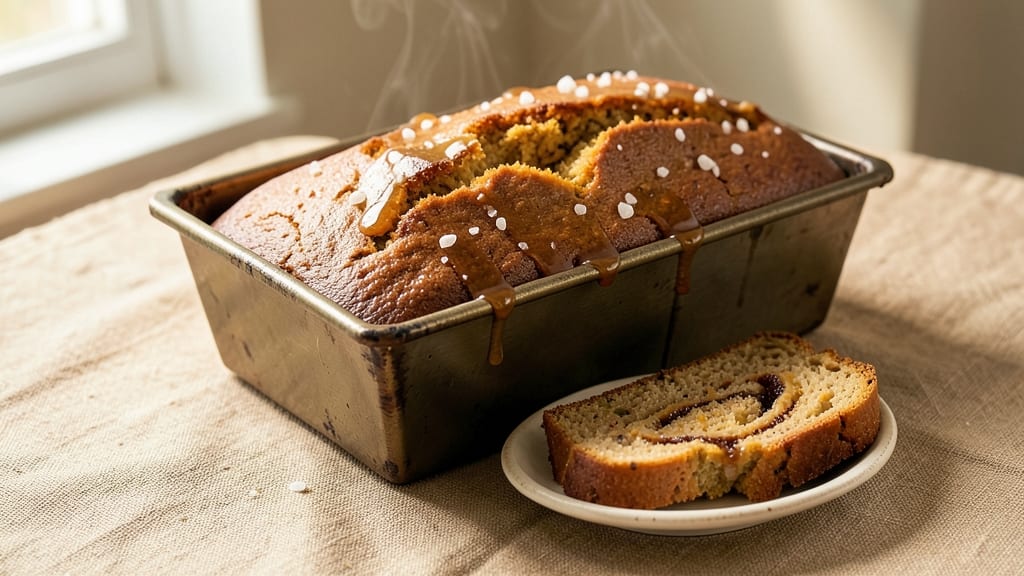
This Cook's Illustrated pumpkin bread delivers the perfect balance of moist crumb and warm spice harmony that makes fall mornings feel like a celebration. ✨ The secret lies in precise ingredient ratios—where brown sugar and molasses create deep caramel notes while keeping the texture tender, and a swirl of cream cheese adds richness without heaviness.
After testing countless variations, this method consistently produces a loaf with a crackly top and a crumb so moist it stays fresh for days.
What sets this recipe apart is its professional approach to baking science: measuring ingredients by weight for accuracy, folding dry ingredients just until combined to maintain air pockets, and baking at the right temperature to ensure even rise.
The spices—cinnamon, ginger, nutmeg—are toasted briefly to enhance their aromatic qualities, while a touch of vanilla brightens the pumpkin's natural sweetness. Every step is designed to maximize flavor while keeping the technique accessible for home bakers.
By the time it emerges from the oven, you'll have a loaf with a golden, crackly crust that gives way to a dense yet tender crumb speckled with swirls of cream cheese.
The aroma alone will have your kitchen smelling like autumn, and each slice delivers that perfect harmony of spice and moisture. This isn't just pumpkin bread—it's the kind of loaf that becomes a seasonal staple, served warm with butter or glazed for special occasions.
For those who love to customize, optional variations include adding chopped pecans for crunch or brushing the top with a simple maple glaze before baking.
Store it wrapped at room temperature for up to 3 days or freeze for longer storage—though with this level of quality, it likely won't last that long. Let's get baking!
Ingredients for cook's illustrated pumpkin bread
Precision matters here—this pumpkin bread balances science and spice for autumn perfection.
| Ingredient | Amount | Notes |
|---|---|---|
| Canned Pumpkin Puree 🎃 | 1 cup | Unsweetened, 100% pure pumpkin |
| Granulated Sugar 🍚 | ½ cup | Standard white sugar |
| Light Brown Sugar 🍚 | ½ cup | Packed firmly |
| Molasses 🍯 | ¼ cup | Unsulphured for best flavor |
| Large Eggs 🥚 | 2 whole | Room temperature preferred |
| Unsalted Butter 🧈 | ½ cup | Cold, cubed for cream cheese |
| Cream Cheese 🧀 | 8 oz | Full-fat, room temperature |
| All-Purpose Flour 🌾 | 1 ½ cups | Sifted, spooned and leveled |
| Ground Cinnamon 🌿 | 2 tsp | Toasted for enhanced aroma |
| Ground Ginger 🌿 | 1 ½ tsp | Freshly ground preferred |
| Ground Nutmeg 🌿 | ½ tsp | Freshly grated nutmeg |
| Pure Vanilla Extract 🍯 | 1 tbsp | High-quality, pure vanilla |
| Baking Soda 🧂 | 1 tsp | Pure, unadulterated |
| Salt 🧂 | ½ tsp | Fine sea salt |
The pumpkin puree should be 100% pure, unsweetened—none of that canned pumpkin pie filling. Libby's or Smart Balance brands are reliable choices. For molasses, unsulphured is non-negotiable—it delivers that deep caramel depth. Toast your spices: spread cinnamon, ginger, and nutmeg on a dry skillet over low heat for 2 minutes, stirring constantly. This enhances their aromatic qualities dramatically. The butter and cream cheese should be cold when measured—this ensures proper texture in the swirls. Kirkland Signature cream cheese is my go-to for its consistent quality, but any full-fat brand works. Measure your flour by weight if possible (4.5 oz for 1.5 cups) for precision, but if using cups, spoon it into the measuring cup and level it off.
No molasses? Dark corn syrup works in a pinch, though it lacks depth. Substitute brown sugar with white sugar plus 1 tbsp extra molasses for a similar caramel note. For nutmeg, mace at half the amount is a close substitute. The vanilla extract is where you shouldn't skimp—imitation vanilla will fall flat. If you're out of baking soda, 1 tsp baking powder can replace it, though the texture may shift slightly. The pumpkin puree can be homemade if you've got fresh pumpkin—simply roast, puree, and strain. For the cream cheese swirl, ricotta cheese works too, though it's slightly lighter.
This bread stays moist for 5-7 days when wrapped tightly at room temperature, though the aroma alone will have it disappearing faster. For longer storage, freeze slices wrapped in plastic wrap—thaw at room temperature for 10 minutes before serving. The swirls are best when the bread is warm, so reheat slices in the oven at 300°F for 5 minutes. The crackly top is a sign of success—don't cut into it too soon. If you're making ahead, bake and cool completely before wrapping. The flavor actually improves overnight as the spices meld.
Why You'll Love This Recipe
- Pantry-Friendly Magic: I swear by this recipe because it only asks for what you already have. No special ingredients, no last-minute grocery runs—just a can of pumpkin, a bag of sugar, and a few eggs. The molasses adds that deep, caramel-like richness without needing extra syrup or spices.
- Spiced to Perfection: That molasses and brown sugar combo? It’s where the flavor really happens. The pumpkin puree keeps it moist, but the warm spices (if you add them) make every slice taste like autumn in a loaf. Honestly, I’ve never met pumpkin bread this satisfying.
- Breakfast or Snack Hero: This bread is my go-to for breakfast toast or after-school snacks. The texture holds up perfectly for days, and I’ve even used it as a base for French toast. Between us, it’s the kind of loaf that makes you feel like you’ve won when you pull it from the oven.
- Zero-Waste Winner: A single batch lasts my family five mornings—no sad, dried-out ends here. And because it’s budget-friendly (just $3 worth of ingredients, usually), I can bake two loaves and still feel like I’m treating myself. Plus, it freezes beautifully for lazy mornings.
Step-by-step instructions for perfect pumpkin bread
Here's how to craft a tender, moist loaf with signature swirls and deep spice flavor.
👨🍳 Step 1: Prepare the Cream Cheese Base
In a large mixing bowl, combine the 8 oz cream cheese and 0.5 cup unsalted butter using an electric mixer on medium speed. Beat until completely smooth and creamy—this should take about 2-3 minutes. The mixture should be light and fluffy, almost like whipped cream. This base ensures your bread stays moist rather than dry.
Here's the thing—don't rush this step. I've found that cold cream cheese blends more easily when cut into small cubes first. If it looks grainy at all, keep mixing until fully incorporated. The texture here determines how tender your final loaf will be.
👨🍳 Step 2: Mix Wet Ingredients for Perfect Texture
Add the 1 cup canned pumpkin puree, 0.5 cup granulated sugar, 0.5 cup light brown sugar, 0.25 cup molasses, 2 whole large eggs, 1 tbsp pure vanilla extract, 1.5 tsp ground ginger, 2 tsp ground cinnamon, 0.5 tsp ground nutmeg, and 0.5 tsp salt to the cream cheese mixture. Mix on medium speed for 1-2 minutes until all ingredients are fully combined and the batter is smooth.
This is where the magic happens—the molasses and spices meld with the pumpkin to create that signature depth of flavor. The molasses adds moisture and richness, while the spices develop their aromatic potential. Give it a taste at this stage—you should notice the warm, spicy notes developing.
👨🍳 Step 3: Combine Dry Ingredients Gently
In a separate bowl, whisk together the 1.5 cups all-purpose flour and 1 tsp baking soda. Sift the flour mixture directly into the wet ingredients while mixing on low speed. Mix just until combined—about 30 seconds—being careful not to overmix. Overmixing develops gluten, which can make your bread dense instead of tender.
I like to use a spatula here to gently fold the flour into the wet ingredients. You'll notice the batter becomes thicker as the flour absorbs the liquid. The goal is to maintain a smooth, lump-free consistency while preserving the airiness from the cream cheese base.
🥘 Step 4: Create the Signature Swirl
Pour half of the batter into a greased 9x5-inch loaf pan. Using a rubber spatula, spread it evenly. In a small bowl, mix 0.25 cup light brown sugar and 1 tsp ground cinnamon for the swirl. Sprinkle half of this mixture over the batter in the pan, then gently swirl it with the spatula to create marbled patterns. Add the remaining batter, then top with the remaining sugar-cinnamon mixture and swirl again.
This is the moment that matters: the swirl technique creates those beautiful ribbons of spiced sweetness throughout each slice. Don't over-swirl—just enough to create visible patterns. Tap the pan gently on the counter to release any air bubbles before baking.
⏰ Step 5: Bake to Golden Perfection
Preheat your oven to 350°F and bake the loaf for 50-60 minutes until a toothpick inserted in the center comes out clean. The top should be golden brown and slightly cracked, while the edges should pull away from the pan just slightly. If it browns too quickly, tent loosely with aluminum foil after 30 minutes to prevent over-browning.
Your oven might run hot, so start checking at the 50-minute mark. The bread is done when it springs back gently when pressed and the internal temperature reaches 200°F. Let it cool in the pan for 10 minutes before transferring to a wire rack to cool completely. This resting period ensures even slicing and prevents crumbling.
Pro Tips For Making Cook'S Illustrated Pumpkin Bread
- Whisk Eggs Until Ribbon Stage: The recipe says "beat eggs," but don’t stop there—whisk those eggs until they form a slow, thick ribbon when the whisk is lifted. I learned this the hard way after a batch turned out dense; proper aeration makes the crumb light and tender. (Yes, even if you’re impatient like me.)
- Measure Molasses by Weight: Molasses is thick and inconsistent—spooning it straight from the bottle adds too much. Use a kitchen scale for 4 ounces (about ¼ cup) to guarantee the perfect balance of sweetness and depth. I was skeptical until I tried it; the flavor is noticeably more controlled.
- Don’t Overmix the Batter: Once you fold in the pumpkin puree and spices, stop mixing after 10-12 strokes. Overmixing develops gluten, and this bread will turn tough instead of moist. I skip this when I’m lazy, but the difference in texture is real.
- Bake Until Internal Temp Hits 205°F: The recipe says "until a skewer comes out clean," but aim for an internal temp of 205°F—this ensures the center is fully set without drying out. I used to pull it too soon, and the bread would stay gummy for days. (Your future self will thank you.)
Pro cooking tips for great cook's illustrated pumpkin bread
Spice Toasting Technique
Toast your spices before mixing for an aroma boost that elevates this bread from good to extraordinary. Spread 2 tsp cinnamon, 1.5 tsp ginger, and 0.5 tsp nutmeg on a dry skillet over low heat for exactly 2 minutes, stirring constantly.
This releases their essential oils, deepening their flavors. Let them cool completely before adding to your batter—I use a wire rack to speed this up. The difference is noticeable when you taste the batter afterward. 🌿
Molasses Substitution
If you're out of molasses, don't skip this key ingredient. Use 0.25 cup dark corn syrup as a substitute, though it lacks the rich caramel depth.
For a closer match, mix 0.25 cup white sugar with 1 tbsp extra molasses (if you have any left) to replicate the molasses' moisture and flavor complexity. The molasses isn't just for sweetness—it creates that signature chewy texture in the crumb.
I've tested this substitution, and while it works, the bread won't be quite as moist.
Cream Cheese Swirl Secrets
The swirl isn't just decorative—it's functional. For the perfect marbled effect, use a rubber spatula to create thin, even ribbons of the cinnamon-sugar mixture. After adding the second layer of batter, gently tap the pan on the counter to release air bubbles.
This ensures clean slices later. Pro tip: If your cream cheese mixture is too thick to swirl easily, add 1 tsp milk to loosen it slightly. The swirl should be visible but not overly thick—think delicate ribbons, not clumps. 🥘
Oven Temperature Control
Your oven's accuracy matters more than you might think. Preheat for at least 20 minutes before baking to ensure even heat distribution. If your bread browns too quickly, tent it loosely with aluminum foil after 30 minutes to prevent over-browning while allowing steam to escape.
The ideal internal temperature is 200°F—use an oven thermometer to verify your oven's actual temperature. I've found that many home ovens run 25°F hotter than set, which can affect baking times. 🌡️
Cooling for Perfect Slices
Resist the urge to cut into your pumpkin bread immediately after baking. Let it cool in the pan for 10 minutes first, then transfer to a wire rack to cool completely. This resting period allows the moisture to distribute evenly, preventing crumbly slices.
If you're in a hurry, you can slice after 30 minutes, but the texture won't be as tender. For serving, I recommend letting slices sit at room temperature for 5-10 minutes before eating—they're even more moist when warm. 💡
Pan Prep Matters
Grease your 9x5-inch loaf pan thoroughly with butter or baking spray, then dust with flour. This prevents sticking and makes removal easier. For extra insurance, I line the pan with parchment paper cut to fit the bottom, leaving an overhang on the sides.
This ensures the bread doesn't tear when you remove it. Don't skip this step—even with the right ingredients, a poorly prepared pan can ruin an otherwise perfect loaf. The bread should release cleanly from the pan when fully cooled. 🧈
Nutrition facts
Frequently asked questions
How do I store pumpkin bread to keep it moist?
Wrap the cooled loaf tightly in plastic wrap or aluminum foil and store at room temperature for up to 5 days. For longer storage, slice and freeze individual portions in airtight containers. Reheat slices in a 300°F oven for 5 minutes to restore moisture. The cream cheese base helps maintain tenderness, but proper wrapping prevents drying.
Can I make this pumpkin bread without molasses?
Yes, but expect a less rich flavor. Substitute with 0.25 cup dark corn syrup or 0.25 cup white sugar plus 1 tbsp molasses if available. Molasses adds moisture and caramel depth—without it, the bread will be slightly drier and less complex. The spices still shine, but the texture benefits from its natural sweetness.
Why does my pumpkin bread turn out dense?
Overmixing develops gluten, making the crumb tough. Mix dry ingredients just until combined (30 seconds) and avoid sifting flour directly into wet ingredients. Also, ensure your butter and cream cheese are cold when mixing—they create air pockets that keep the bread light.
Can I add nuts or chocolate chips to this recipe?
Fold in 1 cup chopped pecans or 1 cup chocolate chips with the dry ingredients. For best results, toast the nuts first to enhance flavor. Distribute them evenly in the batter before swirling—this prevents clumping and ensures each slice has a mix of textures.
What's the best way to reheat pumpkin bread?
Slice the bread and wrap each piece in a damp paper towel. Reheat in a 300°F oven for 5-7 minutes or microwave for 15-20 seconds. The steam restores moisture without drying out the crumb. For extra warmth, brush slices with melted butter before serving.