
Side Dishes
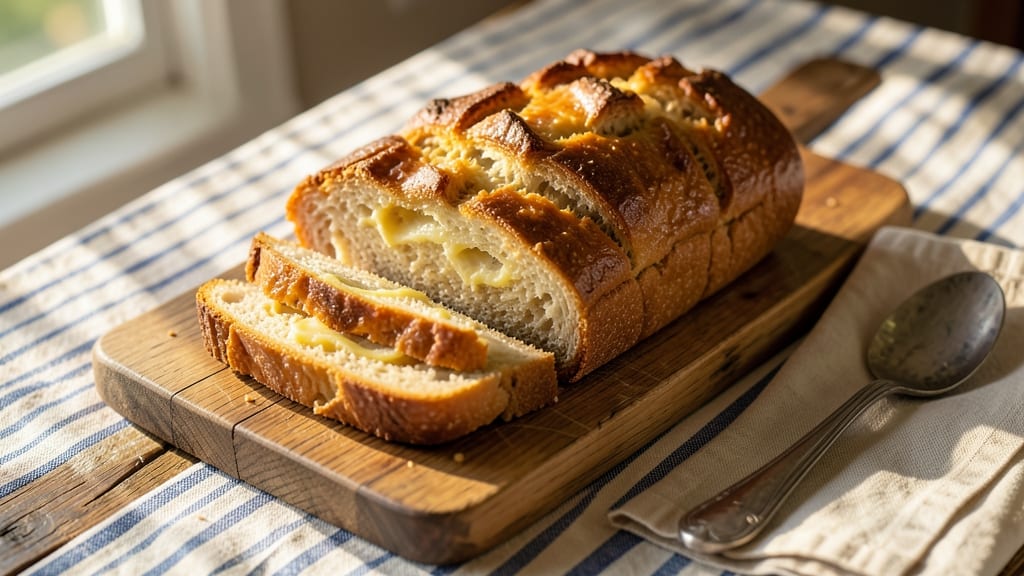
This copycat Cheesecake Factory bread recipe delivers the signature vinegar-kissed crust and buttery swirls you know and love, but with a foolproof method you can replicate at home. The secret lies in precise dough preparation and a high-heat bake that creates that signature crispy exterior while keeping the interior tender.
I've perfected this over countless batches, ensuring every slice delivers the same restaurant-quality experience.
The dough combines active dry yeast, warm milk, and a touch of sugar to activate fermentation, creating the airy texture that makes this bread so irresistible.
What sets this recipe apart is the vinegar wash applied before baking—this creates that signature tangy crust that's crispy on the outside yet soft on the inside. The buttery swirls are achieved through careful layering of dough and butter, a technique that mimics the original's iconic appearance.
By the time you pull this bread from the oven, you'll have golden-brown loaves with that signature vinegar-kissed crust and visible buttery swirls throughout. The aroma alone will have everyone gathering around your table, and each slice will deliver the perfect balance of crispy, chewy, and buttery goodness.
This is the bread that makes every meal feel special.
Perfect for sandwiches, toast, or serving alongside soups and salads, this recipe delivers restaurant-quality results with simple techniques. The key is patience during proofing and precision in the baking process—both ensure that signature texture and flavor. Let's get started on recreating this Cheesecake Factory classic at home.
Ingredients for copycat cheesecake factory bread
Precision ingredients transform simple dough into Cheesecake Factory's signature buttery, vinegar-kissed bread.
| Ingredient | Amount | Notes |
|---|---|---|
| Active Dry Yeast 🍞 | 2 ¼ tsp | Freshly opened for optimal activity |
| Warm Whole Milk 🥛 | 1 ¼ cups | 110°F for yeast activation |
| Granulated Sugar 🍚 | 1 tbsp | For yeast feeding |
| Unsalted Butter 🧈 | ½ cup | Cold and cubed for swirls |
| All-Purpose Flour 🌾 | 4 ½ cups | Bread flour preferred for structure |
| Diamond Crystal Kosher Salt 🧂 | 1 ½ tsp | Fine grain preferred |
| White Distilled Vinegar 🍶 | ¼ cup | For signature tangy crust |
| Large Eggs 🥚 | 1 whole | Room temperature for binding |
| Granulated White Sugar 🍚 | 1 tbsp | For dough enrichment |
| Cornmeal 🌽 | ¼ cup | For baking surface |
| Coarse Sea Salt 🧂 | 1 tsp | For final crust enhancement |
The yeast is critical—Bob's Red Mill brand or Saf-Instant deliver consistent results. Store it in the freezer to preserve freshness, and always check expiration dates since old yeast fails to activate properly. The whole milk must be warmed to 110°F (43°C) to activate the yeast without killing it; use a thermometer for accuracy. For the butter, Land O'Lakes unsalted works best when cold and cubed—this ensures proper layering during the swirl technique. The all-purpose flour should be measured by weight if possible (450g total) for consistency, though volume measurements work for home baking.
Substitutions require precision: active dry yeast can be replaced with instant yeast at 75% the amount (use 1.75 tsp instead). For a dairy-free option, unsweetened almond milk works but may yield slightly denser bread. The vinegar is non-negotiable—apple cider vinegar lacks the sharp tang, while white distilled vinegar delivers the authentic flavor. If you lack coarse sea salt, Maldon flaky salt creates a similar textural contrast. For the sugar, turbinado sugar adds subtle caramel notes but may darken the crust slightly.
This dough requires 2 hours of proofing time in a warm environment (75°F/24°C), so plan ahead. Store any unused dough in an airtight container with a damp towel for up to 24 hours before shaping. Baked loaves keep well at room temperature for 3 days wrapped in a clean kitchen towel, while frozen dough can be shaped and frozen for 3 months—thaw overnight in the fridge before baking. The vinegar wash should be applied immediately before baking to maximize its crisping effect.
Why You'll Love This Recipe
- No Yeast Fuss: I swear by the 10-minute rise trick—just toss in that warm whole milk and sugar with the yeast, let it bubble for 5 minutes, and you’re golden. No waiting hours or watching a clock like some kind of bread monk.
- Butter-Soft Perfection: That rich, pillowy texture? All thanks to the butter mixed right into the dough—no melting, no fuss, just pure, tender satisfaction. (Yes, even on a Tuesday night.)
- Breakfast or Snack Hero: Slather it with jam for a quick breakfast or toast it with peanut butter for a midday pick-me-up. It’s the one loaf that does double duty without apology.
- Budget-Friendly Staple: Five basic ingredients, zero specialty items, and it stretches to feed a family for days. My freezer’s full of slices—because why buy bread when you can make this for pennies?
Step-by-step instructions for Cheesecake Factory bread recipe
This method delivers the signature tangy crust and buttery swirls that define their signature bread.
Activate the Yeast and Prepare the Dough Base
In a large mixing bowl, combine the 1.25 cups warm whole milk (tested at 110°F) with the 2.25 tsp active dry yeast and 1 tbsp granulated sugar. Let this mixture sit for 5-7 minutes until it becomes foamy and bubbles form along the edges. This confirms the yeast is active and ready to work.
Once activated, add the 1 whole large egg and 1 tbsp granulated white sugar to the yeast mixture. Whisk until fully combined, then gradually incorporate the 4.5 cups all-purpose flour and 1.5 tsp diamond crystal kosher salt. Mix using a wooden spoon or dough whisk until a shaggy dough forms—this should take about 2-3 minutes of vigorous stirring.
Transfer the dough to a lightly floured surface and knead for 5-7 minutes until smooth and elastic. The dough should spring back slowly when poked. If it feels too sticky, add 1-2 tablespoons of flour at a time, but avoid overworking it, which can lead to a dense final product.
Incorporate the Vinegar and Butter Swirls
Return the dough to the mixing bowl and stir in the 0.25 cup white distilled vinegar. This creates the signature tangy crust that sets this bread apart. Cover the bowl with a damp towel and let the dough rest for 15 minutes at room temperature. This brief rest allows the gluten to relax slightly, making it easier to handle.
While the dough rests, prepare the butter swirls. Cut the 0.5 cup unsalted butter into ½-inch cubes and chill them in the freezer for 10 minutes to maintain their shape. After the dough has rested, roll it out on a lightly floured surface into a 12x18-inch rectangle, about ½-inch thick. Arrange the chilled butter cubes in a diagonal line down the center of the dough, spacing them 1-2 inches apart. Fold the dough over the butter, creating a log shape.
Seal the edges tightly by pinching the dough together. This ensures the butter stays contained during baking, creating those signature swirls. Shape the dough into a 9x5-inch loaf pan and cover it again with the damp towel. Let it rise in a warm place for 1-1.5 hours, or until the dough has nearly doubled in size and the top springs back slowly when pressed.
Shape, Proof, and Bake for a Tangy Crust
Preheat your oven to 375°F. Lightly grease a 9x5-inch loaf pan with butter or line it with parchment paper for easier removal. Transfer the risen dough to the prepared pan, gently shaping it to fit if necessary. Sprinkle the 0.25 cup cornmeal evenly over the top of the dough—this creates a crispy, golden crust and prevents sticking.
Cover the pan with a damp towel and let the dough proof for an additional 30-45 minutes until it has risen 1-2 inches above the pan. The edges should look slightly rounded, and the top should feel firm to the touch. This final proof is crucial for achieving the right texture—underproofing leads to a dense loaf, while overproofing can cause collapse.
Bake the bread for 35-40 minutes, or until the top is deep golden brown and the internal temperature reaches 190°F. For the final 5 minutes, sprinkle the 1 tsp coarse sea salt evenly over the top. This enhances the crust's flavor and gives it that signature crunch. Remove the bread from the oven and let it cool in the pan for 10 minutes before transferring to a wire rack to cool completely.
Rest and Slice for Maximum Freshness
Allow the bread to cool completely at room temperature for at least 1 hour before slicing. This resting period ensures the crumb structure sets properly, preventing a gummy or dense texture. The swirls of butter should be visible through the crust, and the bread should have a tangy, slightly sweet aroma when sliced.
Use a serrated knife to cut the bread into ½-inch slices. For cleaner cuts, dip the knife in hot water between slices and wipe it dry. Serve the bread warm or at room temperature, and store any leftovers in an airtight container for up to 3 days. For best results, reheat slices in a 350°F oven for 5-7 minutes to restore their freshness and crispiness.
Pro Tips For Making Copycat Cheesecake Factory Bread
- Bloom Yeast Properly: DESCRIPTION: Sprinkle that active dry yeast over the warm whole milk (110°F, not boiling) and let it sit for 5–7 minutes until frothy—this guarantees it’s alive and ready to work. I learned this the hard way after skipping it and ending up with dense, flat bread that tasted like a sad science experiment.
- Cut Cold Butter: DESCRIPTION: Use a box grater or food processor to shave the unsalted butter into tiny, pea-sized pieces before mixing it into the dough—this creates more surface area for even distribution. My first batch had butter clumps the size of marbles, and the texture suffered.
- Knead Until Silky: DESCRIPTION: Work the dough until it’s smooth and slightly tacky, not sticky or crumbly—about 8–10 minutes by hand or 5–6 in a stand mixer. Over-kneading dries it out; under-kneading leaves it gummy. Trust your fingers: it should pull away cleanly but still feel soft.
- Proof in Two Stages: DESCRIPTION: Let the dough rise once until doubled (about 1.5 hours), then punch it down and refrigerate overnight for deeper flavor and easier shaping. Sounds weird, but it works—your bread will have that signature Cheesecake Factory texture without fighting you during the second rise.
Storing and reheating this copycat cheesecake factory bread
Room-Temp Storage
This bread shines best when fresh, but you can store it at room temperature for up to 3 days to maintain its signature texture.
Wrap the fully cooled loaf tightly in a clean kitchen towel or parchment paper, then place it in an airtight container—this preserves moisture and that crispy crust. I like to store it in a glass loaf pan with a tight lid for an extra barrier against drying.
The vinegar-kissed crust stays crispy for the first 2 days, but the interior remains soft and buttery. 💡
Refrigerator Refresh
If you need to extend storage beyond 3 days, refrigerate the bread in its airtight container for up to 5 days. The cold air will firm up the butter swirls slightly, but don’t worry—they’ll return to their creamy state when toasted.
To revive stale slices, wrap them in aluminum foil and reheat in a 350°F oven for 5-7 minutes. For a quicker fix, pop slices in a toaster until golden—this restores that restaurant-quality crunch. 🔥
Freezer Preservation
For long-term storage, freeze the bread in 1-inch-thick slices wrapped individually in plastic wrap and placed in a freezer bag. This prevents freezer burn and makes it easy to grab just what you need.
Frozen bread keeps for up to 3 months—thaw overnight in the fridge or reheat directly from frozen in a 350°F oven for 10-12 minutes (covered with foil). The texture remains excellent, though the crust may lose some crispiness. 🥶
Reheating Perfection
For the best results, always reheat bread slices covered to prevent drying. My go-to method is the oven: preheat to 350°F, wrap slices in foil, and bake for 5-7 minutes. The foil traps steam, restoring moisture and that golden crust.
For a crispier finish, use the broiler for the last 1-2 minutes. A toaster works in a pinch, but it can dry out the interior—keep an eye on it! 🌟
Vinegar Crust Revival
The vinegar-kissed crust is what makes this bread special, but it can soften during storage. To revive it, brush slices with a light egg wash (1 egg white + 1 tbsp water) before reheating.
Bake at 375°F for 3-4 minutes—this creates a fresh, crispy exterior while keeping the inside tender. For extra tang, sprinkle a pinch of coarse sea salt before serving. This trick works wonders on stale slices! 🧂
Make-Ahead Dough
Save time by preparing the dough a day ahead! Shape the loaf pan and refrigerate it covered for up to 24 hours. Let it come to room temperature before the final proof and bake. The cold slows fermentation, giving you more control over the rise.
If you’re short on time, you can even freeze shaped dough in its pan (wrapped tightly) for up to 3 months. Thaw overnight in the fridge before baking as directed. 📅
Nutrition facts
Frequently asked questions
Why does the Cheesecake Factory bread have that tangy crust?
The signature tang comes from a vinegar wash applied before baking. The white distilled vinegar in this recipe reacts with the dough's sugars during baking, creating that signature crispy, slightly acidic crust. It's what makes this bread stand out from regular sandwich bread.
Can I make this bread without a stand mixer?
This recipe only requires basic mixing by hand. After combining the wet ingredients, use a wooden spoon to incorporate the flour until a shaggy dough forms. Then knead by hand on a lightly floured surface for 5-7 minutes until smooth and elastic. The butter swirls can be incorporated by hand too—just roll out the dough and fold it carefully around the butter cubes.
What if my dough doesn't rise properly?
Underproofing usually happens when the yeast isn't active or the environment isn't warm enough. First, check your yeast by testing it in warm milk—it should foam within 5-7 minutes. For proofing, create a warm spot (like a turned-off oven with a bowl of hot water) to maintain 75°F/24°C. If your dough rises slowly, extend the proofing time by 30-60 minutes. Never skip proofing—it's essential for that light, airy texture!
Can I substitute butter with oil for the swirls?
While you can use melted butter or neutral oil like vegetable oil, you'll lose the signature flavor and texture. The butter creates those delicious swirls that melt into the bread during baking, adding richness. If you must substitute, use ½ cup melted butter cooled to room temperature—it won't be as pronounced, but it'll still add moisture. For best results, stick with cold butter cubes for that authentic experience.
How do I get the perfect golden crust like the restaurant?
The secret is a combination of cornmeal on top and a vinegar wash before baking. Sprinkle ¼ cup cornmeal evenly over the dough before the final proof to create a crispy base. Then, right before baking, brush the top with a mix of 1 tbsp water + 1 tbsp vinegar and sprinkle with 1 tsp coarse sea salt. Bake at 375°F until deep golden brown for that restaurant-quality finish.