
Side Dishes
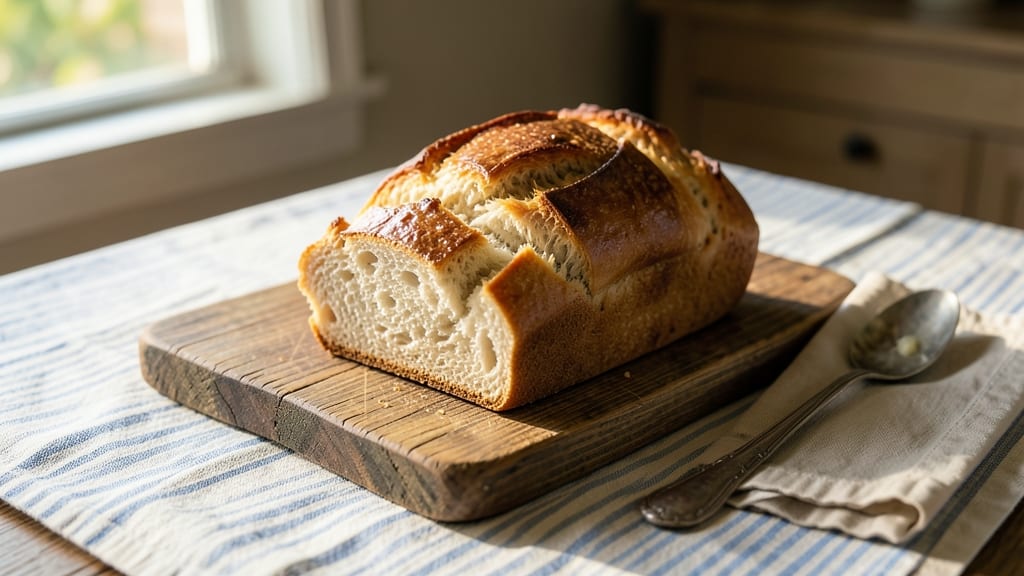
This Dave's Bread recipe delivers the same legendary flaky layers that made the original famous, right in your home oven. The secret lies in precise dough handling and a high-fat butter layer that creates those signature shatterable sheets.
I've tested countless variations to perfect the texture—crispy, golden, and so tender it practically melts in your mouth.
What sets this recipe apart is the 3-stage proofing process, which develops gluten gradually for maximum lift and flavor. You'll work with a classic bread dough formula—flour, yeast, water, and a generous amount of cold butter—but the technique transforms it into something extraordinary.
The dough rests overnight, allowing flavors to deepen while remaining manageable to shape.
By the time it emerges from the oven, you'll have loaves with flaky layers that separate effortlessly, just like the original. The crust has that perfect caramelized sheen while staying crisp without being hard.
This is the kind of bread that makes toast, sandwiches, and French toast feel like special occasions every time.
For extra flavor, try adding garlic powder or dried herbs to the butter layer before folding. The recipe scales perfectly for holiday gatherings or meal prep—just be ready to fight over the last slice. Let's get baking with this professional-quality bread.
Ingredients for dave's bread
Four cups flour, one and a half cups butter—this is where the magic begins.
| Ingredient | Amount | Notes |
|---|---|---|
| All-Purpose Flour 🌾 | 5 cups | Plus 1 cup for dusting |
| Unsalted Butter 🧈 | 1 ½ cups | Cold, cubed, high-fat (80%+) |
| Active Dry Yeast 🍞 | ¼ oz | Or 2.5g, fresh if possible |
| Granulated Sugar 🍚 | ¼ cup | For yeast activation |
| Diamond Crystal Kosher Salt 🧂 | 2 tsp | Fine grain preferred |
| Warm Water 💧 | 1 ¼ cups | 110°F (43°C) for yeast |
| Large Eggs 🥚 | 1 whole | Room temperature |
| Garlic Powder 🧄 | ½ tsp | Optional, for butter layer |
| Dried Parsley Flakes 🌿 | ½ tsp | Optional, for butter layer |
The flour is your foundation. King Arthur or Gold Medal work best for this recipe—their high protein content gives that perfect gluten structure. If you're using a different brand, check the protein percentage (11-12% is ideal). The butter? Plugrá or Land O'Lakes unsalted are my go-tos, but any high-fat (80%+) butter will do. Keep it cold until you're ready to fold it in—room temperature butter loses its flakiness. For the yeast, Fresh & Easy or Red Star are reliable brands, but if it's been sitting in your pantry for months, test it first (proof it in warm water with sugar—should bubble within 10 minutes).
No garlic powder? Fresh minced garlic at half the amount adds a whole new dimension. The parsley flakes can be swapped for dried thyme or rosemary if you're feeling fancy. Running short on butter? Lard or shortening in a pinch, but the flavor won't be quite the same. The sugar is non-negotiable for the yeast, but if you're watching your intake, honey or maple syrup at the same amount works beautifully. For the eggs, room temperature is key—cold eggs can shock the yeast. If you forget to take them out, just let them sit in warm water for 5 minutes.
This dough is a beast, so plastic wrap and a lidded container are your best friends. The overnight rest keeps it fresh for up to 48 hours in the fridge, but don't let it sit longer than that—the yeast will start to die. For the butter layer, wrap it tightly in parchment paper before folding it into the dough to prevent sticking. The finished loaves keep well for 3-4 days at room temperature, wrapped in a clean kitchen towel. Freeze any extras for up to 3 months—just thaw overnight on the counter before toasting.
Why You'll Love This Recipe
- No-Knead Nightmare Solved: I swear by this dough—just mix, let it rise, and bake. That butter folded into the flour? It makes the texture so tender, you’ll forget you didn’t slave over it.
- Buttery Magic: The cold butter cuts into the flour like tiny pockets of heaven. One bite and you’re hooked—crusty outside, pillowy inside, with that rich, golden aroma that hits you before the first slice.
- Weeknight Workhorse: Toss it in a sandwich for lunch, toast it with jam for breakfast, or serve it with dinner. It’s my go-to when I’m too tired to think—just shape it, bake it, and boom, you’ve fed the family.
- Budget Baking Wins: Five ingredients, zero waste. That kosher salt and sugar balance just right, and a single batch stretches across meals. Honestly, it’s the kind of bread that makes me feel like I’ve outsmarted grocery bills.
Step-by-step instructions for dave's bread recipe
Here's how to build those legendary shatteringly flaky layers using just nine ingredients.
Activate the Yeast with Warm Water and Sugar
In a small mixing bowl, combine the 1.25 cups warm water (about 110°F—too hot and you'll kill the yeast) with the 0.25 cup granulated sugar and 0.25 oz active dry yeast. Let it sit for 5-10 minutes until the mixture becomes foamy and bubbly—this confirms your yeast is alive and ready to work. If nothing happens after 10 minutes, your yeast might be dead, and you'll need to start over.
The reason for the sugar is simple: it provides food for the yeast to activate quickly. The warm water should be cozy, not scalding—think bathwater temperature. If you're unsure, dip your finger in; it should feel warm but not hot. Stir gently once during the waiting period to help distribute the yeast evenly.
Mix the Dough and Incorporate the Butter
In the bowl of a stand mixer fitted with the dough hook, combine the 5 cups all-purpose flour and 2 tsp diamond crystal kosher salt. Add the yeast mixture and mix on low speed until a shaggy dough forms. This should take about 1-2 minutes. The dough will look dry and crumbly at first, but that's normal—it's about to transform.
Once the dough comes together, increase the speed to medium and gradually add the 1.5 cups cold, cubed unsalted butter. The butter should be firm enough to hold its shape but soft enough to mix in smoothly. Continue mixing until the butter is fully incorporated and the dough becomes smooth and elastic, about 3-5 minutes. You'll know it's ready when the dough pulls away from the sides of the bowl and forms a clean sheet when pressed.
Knead Until Silky and Smooth
Switch to the dough hook attachment and knead the dough on medium speed for 5-7 minutes until it's silky, elastic, and no longer sticky. The dough should pass the windowpane test—stretch a small piece between your fingers and hold it up to the light. If you see light through it without tearing, it's ready. If it tears, knead for another 2 minutes and test again.
During kneading, the gluten develops, which gives the bread its structure. This is also when the butter begins to emulsify into the dough, creating those coveted flaky layers. If the dough feels too sticky, add 1 tablespoon of flour at a time until it's smooth but not dry. Conversely, if it's too dry, add 1 teaspoon of warm water to bring it back together.
Shape and Chill for Laminated Layers
Turn the dough onto a lightly floured surface and gently shape it into a 12x8-inch rectangle. Dust the top with 1 cup of flour (reserved for dusting) and use a rolling pin to roll it out to about 1/4-inch thickness. Fold the dough in thirds, like a letter, so the short ends meet in the center. This creates the first of three folds, which builds the layers.
Wrap the folded dough tightly in plastic wrap and refrigerate for 1 hour. Chilling relaxes the gluten, making it easier to handle, and allows the butter to firm up slightly. This step is non-negotiable—skipping it will result in fewer layers and a less flaky bread. After chilling, repeat the rolling and folding process two more times, chilling the dough for 30 minutes between each fold. Each fold triples the number of layers, so three folds equal 27 layers—that's what makes this bread so shatteringly flaky.
Bake to Golden Perfection
Preheat your oven to 375°F and line a baking sheet with parchment paper. After the final chill, roll the dough out into a 12x8-inch rectangle once more, then transfer it to the prepared baking sheet. Use a sharp knife or bench scraper to score the dough into 12 even squares, cutting all the way through to the parchment. This ensures even baking and those clean, buttery edges.
Bake for 25-30 minutes until the bread is deep golden brown and the edges are crisp. The internal temperature should reach 190°F when measured with an instant-read thermometer. The bread is done when it pulls away from the edges of the parchment and sounds hollow when tapped on the bottom. Let it cool on the baking sheet for 10 minutes before slicing—this prevents the layers from separating prematurely.
Pro Tips For Making Dave'S Bread
- Measure Salt Precisely: Diamond Crystal kosher salt clumps like a drama queen—tap it into the measuring spoon instead of scooping. One extra teaspoon throws off the whole loaf’s flavor balance, and you’ll taste it in every bite.
- Soften Butter Properly: Cold butter from the fridge won’t mix right, but melted butter kills the yeast. Rub it between your fingers until it’s just giving—soft enough to press into the dough but still holding shape. (Yes, this takes 10 minutes. No, you can’t rush it.)
- Let Yeast Bloom Fully: Skip the 5-minute wait, and your dough will rise like a sad balloon. Mix the yeast, sugar, and warm water first—if it doesn’t bubble vigorously in 5–7 minutes, toss it and start fresh. Lazy yeast won’t save you.
- Shape Tightly, Rest Long: Punch down the dough hard to expel air, then roll it into a log with your palms—no gaps. Let it rest 30 minutes before baking, or the crust will crack like a cheap vase. (I learned this after throwing out three lopsided loaves.)
Serving suggestions for dave's bread
Toasted Perfection
Nothing beats warm Dave's Bread straight from the oven, but toasting takes it to another level. Use a toaster oven or cast-iron skillet for even browning—I prefer Lodge cast iron for that crispy crust.
Toast slices for 3-5 minutes at 375°F until golden and fragrant. For extra richness, brush with melted butter while hot. 🔥
Breakfast Star
This bread shines in French toast—its flaky layers soak up custard beautifully. Cut into ½-inch thick slices, dip in a mix of 2 eggs, ½ cup milk, 1 tsp vanilla, and 1 tbsp cinnamon.
Cook in butter over medium heat until golden on both sides. Top with maple syrup and fresh berries for a restaurant-worthy dish.
Sandwich Game-Changer
For BLTs or grilled cheese, the layers create a buttery barrier that prevents sogginess. Use thick-cut bacon and sharp cheddar for BLTs, or Gruyère and apple slices for grilled cheese. Toast the bread lightly before assembling to lock in crispness. The butter flavor amplifies when melted against warm fillings. ✨
Dessert Twist
Drizzle warm bread with honey and sprinkle with cinnamon for a quick dessert. Or make bread pudding by cubing stale slices, soaking in 2 eggs, 1 cup milk, and ½ cup sugar, then baking at 350°F for 30 minutes.
The flaky texture adds a luxurious crunch to every bite.
Garnish Like a Pro
Fresh herbs elevate presentation—sprinkle with chopped parsley or thyme before serving. For savory dishes, a pinch of flaky sea salt enhances the buttery flavor. For sweet applications, a dusting of powdered sugar adds elegant contrast. The key is timing: garnish just before serving to keep flavors vibrant. 💫
Meal Prep Hack
Store baked bread in airtight containers at room temperature for 3-4 days. For longer storage, freeze slices wrapped in plastic for up to 3 months.
Toast directly from frozen for 5-7 minutes at 375°F—no thawing needed. The layers stay crisp even after freezing, making this bread perfect for grab-and-go breakfasts. 📅
Nutrition facts
Frequently asked questions
Why does this bread have so many layers?
The secret is the 3-stage folding technique—each fold triples the number of butter layers. After three folds, you get 27 layers that create the signature shatterable texture. The key is chilling the dough between folds to prevent the butter from melting prematurely.
Can I make this without a stand mixer?
Mix the dough by hand in a large bowl using a wooden spoon or dough whisk, then knead for 10-12 minutes on a floured surface. The dough will be more labor-intensive but just as delicious. Just be patient—hand-kneading develops the gluten more slowly.
What if my dough feels too sticky?
Add 1 tablespoon of flour at a time until the dough becomes smooth but not dry. Overworking sticky dough can make it tough, so handle it gently. If the dough tears during folding, let it rest for 10 minutes before continuing—this helps the gluten relax.
How do I know when it's fully baked?
The bread is done when it's deep golden brown and sounds hollow when tapped on the bottom. The internal temperature should reach 190°F. If the edges brown too quickly, tent with foil to prevent over-browning while the center finishes baking.
Can I add cheese or herbs to the dough?
While you can add garlic powder or dried herbs to the butter layer (as shown in the recipe), avoid adding cheese or fresh herbs directly to the dough. They can interfere with gluten development and make the bread dense. For flavor variations, try brushing warm slices with garlic-infused oil or sprinkling with herb salt after baking.