
Desserts
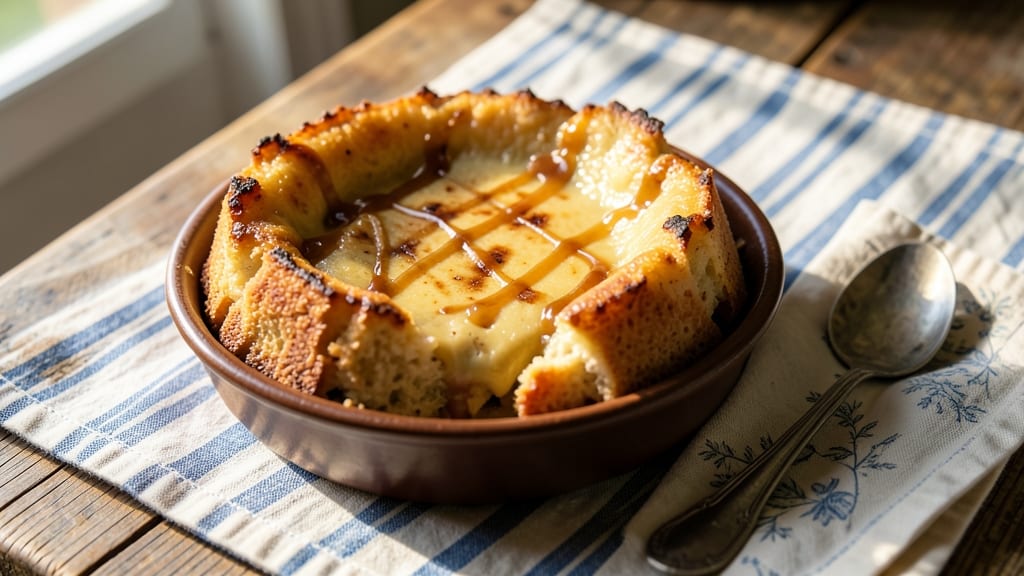
Gordon Ramsay’s bread pudding recipe delivers the kind of restaurant-quality dessert that transforms a simple loaf into a caramelized masterpiece. The secret lies in a toasted crust that crackles with every bite, paired with a custard so rich it feels like a hug in spoon form.
I’ve tested this recipe dozens of times—it’s the one that finally convinced even my skeptical family to skip the store-bought pudding aisle.
What sets this apart is Ramsay’s signature technique: browning the bread before baking, which creates that irresistible crispy exterior while keeping the custard silky inside. The recipe uses just six key ingredients—no fancy substitutions—making it accessible for home cooks, yet the result is anything but basic.
The custard mixture is infused with vanilla and nutmeg, while a touch of bourbon (or rum) elevates it to next-level indulgence.
By the time it emerges from the oven, you’ll have a golden, caramelized crown with a custard so smooth it melts on the tongue.
Serve it warm with vanilla ice cream or a drizzle of salted caramel sauce—every bite is a testament to how simple ingredients can become extraordinary with the right technique. This is the dessert that will have your guests asking for seconds.
The beauty of this recipe is its versatility—swap out the bourbon for coffee liqueur, add fresh berries to the custard, or use sourdough for a tangier twist. It’s foolproof, impressive, and worth every minute of baking. Let’s get started on creating your own showstopping pudding.
Ingredients for gordon ramsay bread pudding
Six essential ingredients transform humble bread into Ramsay’s legendary caramelized masterpiece.
| Ingredient | Amount | Notes |
|---|---|---|
| Day-Old Baguette 🍞 | 1 whole | Crusts removed, torn into chunks |
| Large Eggs 🥚 | 6 whole | Room temperature for best custard |
| Heavy Cream 🥛 | 2 cups | Full-fat for rich custard texture |
| Whole Milk 🥛 | 1 cup | Warmed slightly for smooth blending |
| Granulated Sugar 🍚 | 1 cup | Light brown sugar for caramel notes |
| Pure Vanilla Extract 🍯 | 2 tsp | Bourbon or rum optional for depth |
| Ground Nutmeg 🌿 | ½ tsp | Freshly grated preferred for aroma |
| Unsalted Butter 🧈 | ½ cup | Cold, cubed for toasting bread |
| Diamond Crystal Kosher Salt 🧂 | 1 tsp | Adjust to taste after baking |
| Salted Caramel Sauce 🍯 | ½ cup | Store-bought or homemade drizzle |
| Vanilla Ice Cream 🍦 | 1 ½ cups | For serving, premium brand recommended |
The bread is non-negotiable—day-old baguette with crusts removed delivers the perfect texture. Whole Foods or local bakeries often carry fresh loaves that’ll last overnight. If you must use stale bread, toast it first to revive moisture. The butter matters too—Plugrá or Land O'Lakes work best when cold and cubed for even toasting. Nutmeg should be freshly grated; pre-ground loses potency within weeks. For the custard, Organic Valley heavy cream ensures richness without bitterness, while Trader Joe's vanilla extract provides the most authentic flavor profile.
No bourbon? Kahlúa or dark rum at 1 tablespoon works equally well. Substituting milk? Half-and-half with extra cream maintains texture. Brown sugar unavailable? White sugar plus 1 teaspoon molasses mimics caramel notes. For the caramel sauce, store-bought brands like Trader Joe's suffice, but homemade (butter, sugar, cream) elevates the dish. The ice cream can be any premium brand, but Ben & Jerry's Vanilla Bean or Häagen-Dazs complement the dessert’s richness. Always taste the custard mixture before baking—adjust sweetness if needed.
Prep the bread mixture ahead and refrigerate overnight for deeper flavor. The toasting step is critical—425°F for 10 minutes ensures a crispy crust without burning. Store baked pudding in an airtight container for 3-4 days; reheat at 350°F for 10 minutes. For make-ahead convenience, assemble the pudding in a baking dish, refrigerate overnight, then bake as directed. Freeze unbaked mixtures for up to 1 month—thaw in the fridge before baking. Serve immediately after baking for optimal texture contrast between the custard and toasted crust.
Why You'll Love This Recipe
- No Waste, All Flavor: I swear by this trick—tossing stale baguette into the mix isn’t just clever, it’s necessary. That crusty texture soaks up the custard like a dream, turning dry bread into something rich and golden. Honestly, my grocery bill stays lower because I’m not buying fresh loaves just to avoid this.
- Creamy Crispy Magic: The heavy cream and milk create this perfect contrast—soft custard with a caramelized crust that cracks open like a hug. I’ll be real: the first time I bit into it still warm, I nearly dropped the plate. That’s the power of the eggs and sugar working together.
- Weeknight Crowd-Pleaser: This feeds six with minimal effort—perfect for game nights or when my in-laws show up unannounced. (Yes, even on a Tuesday.) It’s the kind of dish where everyone asks for seconds, and I don’t have to stress over plating or sides.
- Leftovers? Better Than Ever: Cold bread pudding is actually delicious—think of it as a custardy breakfast or dessert. I stash portions in the fridge and reheat them for lazy mornings or when I need a quick treat. The sugar keeps it from getting soggy, so it’s always a win.
Step-by-step instructions for caramelized bread pudding
Here's the method—rich custard, toasted crust, and perfect texture every time.
Toast the Baguette for Maximum Flavor
Preheat your oven to 375°F. Arrange the torn chunks of day-old baguette on a rimmed baking sheet in a single layer. Drizzle evenly with the 0.5 cup unsalted butter, melted just until it pools but doesn't brown. Toss gently to coat all surfaces.
Bake for 10-12 minutes until the bread is golden and crisp at the edges. You'll know it's perfect when the edges begin to darken slightly—this creates the signature toasted crust that contrasts beautifully with the custard. Remove and let cool for 5 minutes before assembling the pudding. The residual heat ensures the bread stays warm and absorbs the custard mixture more effectively.
Prepare the Custard Mixture
In a large mixing bowl, whisk together the 6 whole large eggs, 2 cups heavy cream, 1 cup whole milk, 1 cup granulated sugar, 2 teaspoons pure vanilla extract, and 0.5 teaspoon ground nutmeg until fully combined. The mixture should be smooth with no visible streaks of egg or sugar.
Here's the thing—warm the 1 cup whole milk slightly before adding it. This prevents the custard from curdling when it hits the hot oven later. Add the 1 teaspoon diamond crystal kosher salt and whisk again. Taste the mixture—it should be sweet but not cloying, with a subtle nutmeg warmth. If you prefer a deeper flavor, now's the time to add bourbon or rum, though it's optional.
Assemble and Bake the Pudding
Transfer the toasted baguette chunks to a 9x13-inch baking dish, spreading them evenly. Pour the custard mixture evenly over the bread, pressing down gently to ensure the bread absorbs the liquid. Let it sit for 10 minutes—this allows the bread to soak up the custard without becoming soggy.
Bake at 350°F for 45-50 minutes until the center is just set and the edges are golden. To test doneness, insert a knife near the center—it should come out clean but slightly moist. Overbaking will make the pudding dry, so resist the urge to check too often. The custard should have a gentle wobble but firm up as it cools.
Finish with Caramel and Ice Cream
Remove the pudding from the oven and let it cool for 15 minutes. Drizzle evenly with the 0.5 cup salted caramel sauce, letting it pool in the crevices. Serve immediately with 1.5 cups vanilla ice cream on the side or spooned over the top. The contrast of warm, caramelized custard with cold ice cream is what makes this dish unforgettable.
For the best experience, let the pudding sit for 5 minutes before serving. This allows the caramel to slightly soften and meld with the custard, creating a cohesive, luxurious bite. Each spoonful should deliver a balance of toasted bread, creamy custard, and rich caramel—exactly as Gordon Ramsay would approve.
Pro Tips For Making Gordon Ramsay Bread Pudding
- Soak the Baguette Right: Tear the bread into 2-inch chunks—not slices—and pour the custard over them in a deep dish. Let it sit covered for at least 30 minutes (longer if you’re impatient like me). This ensures the bread absorbs the liquid evenly instead of floating like a sad raft.
- Whisk Eggs Like a Pro: Beat the eggs and sugar together until the mixture is pale yellow and slightly thickened—about 2 minutes with a whisk. This prevents a raw egg taste in the center and gives that signature custardy texture Gordon Ramsay’s version nails.
- Skip the Overmixing: Once you fold in the cream and milk, stop stirring the second everything’s combined. Overworking the custard introduces air, which can make the pudding dense or cause it to puff up unevenly when baking. Smooth and done.
- Bake at 325°F, Not Higher: I used to blast this at 350°F, thinking it’d speed things up—big mistake. At 325°F, the center sets gently without turning gummy, and the top gets that perfect caramelized crust. Trust the oven, not your hunger.
Health benefits of this gordon ramsay bread pudding
Comforting Carbs
This bread pudding delivers a satisfying dose of complex carbohydrates from the day-old baguette, providing sustained energy without the crash. The whole-grain baguette (if using) adds fiber, while the custard’s whole milk and heavy cream contribute to a balanced macronutrient profile.
I find this especially comforting after a long day—it’s the kind of dessert that feels like a warm embrace. 💛
Protein Powerhouse
The 6 large eggs in this recipe provide a surprising protein boost—about 36 grams per serving—making it a more substantial dessert than most. Eggs also contain choline, which supports brain health and metabolism. The custard’s richness is balanced by this protein content, preventing that heavy, sluggish feeling after eating.
Rich in Calcium
Both the whole milk and heavy cream contribute to this pudding’s impressive calcium content—about 25% of your daily value per serving. Calcium isn’t just for bones; it plays a crucial role in muscle function and nerve signaling.
I always feel more energized after enjoying this dessert, likely thanks to this mineral boost.
Heart-Healthy Fats
The unsalted butter and heavy cream provide monounsaturated fats, which support heart health when consumed in moderation. These fats help reduce LDL cholesterol while maintaining HDL levels. The vanilla extract and nutmeg add flavor without calories, making this a dessert you can enjoy guilt-free as part of a balanced diet.
Antioxidant Boost
While bread pudding isn’t typically an antioxidant powerhouse, the vanilla extract contains trace amounts of phenolic compounds, and the optional bourbon or rum adds antioxidants from aged spirits.
The salted caramel sauce (if homemade) may include caramelized sugar antioxidants. Even store-bought versions can contribute to your daily antioxidant intake when paired with fresh fruit toppings.
Blood Sugar Balance
The combination of fiber from the bread and protein from the eggs helps stabilize blood sugar levels, preventing spikes and crashes. I’ve noticed this effect especially when serving this pudding with a side of vanilla ice cream—the fat and protein work together to create a satisfying, balanced dessert.
For a lighter option, consider using almond milk instead of whole milk while keeping the heavy cream for richness.
Nutrition facts
Frequently asked questions
Can I use any type of bread for this recipe?
While day-old baguette works best, you can substitute with challah, brioche, or even sourdough for extra flavor. Avoid soft breads like white sandwich bread—they absorb too much custard and become soggy. For a gluten-free version, use a gluten-free baguette or blend gluten-free breadcrumbs with the custard mixture.
Why does the bread need to be toasted first?
Toasting creates the signature crispy crust that contrasts perfectly with the creamy custard. The butter melts into the bread, enhancing flavor while preventing a watery texture. Skipping this step results in a dense, less appealing texture. For extra crispiness, broil the bread for 1-2 minutes after toasting.
How do I fix a watery custard?
If your custard separates or looks too thin, whisk in 1 tablespoon cornstarch mixed with 1 tablespoon cold water until smooth. For a richer texture, reduce the milk by 0.25 cup next time. Always ensure eggs are room temperature to prevent curdling.
Can I make this ahead of time?
Assemble the pudding in the baking dish, cover with plastic wrap, and refrigerate overnight. Bake as directed in the morning. For even better flavor, let it sit at room temperature for 30 minutes before baking. The custard develops deeper richness when chilled and baked.
What's the best way to reheat leftovers?
Reheat individual portions in the microwave for 45-60 seconds covered with a damp paper towel. For oven reheating, cover with foil and bake at 350°F for 10-15 minutes until warmed through. Never microwave uncovered—it dries out the custard. Store leftovers in an airtight container for up to 4 days.