
Side Dishes
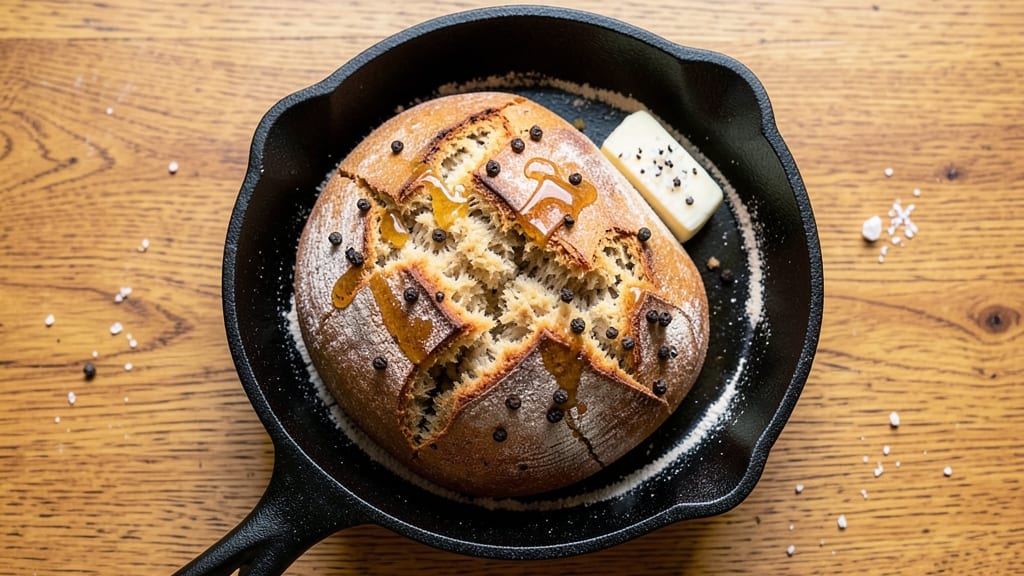
Ina Garten's soda bread recipe delivers that perfect balance of buttery crust and tangy spice that makes every bite irresistible. The secret lies in its simplicity—just a few ingredients, no yeast, and a quick rise that yields a crust so golden it looks like it belongs in a bakery.
I've baked this version countless times, and it never fails to impress, whether served warm with butter or as a base for savory toppings.
What sets this recipe apart is the way the buttermilk tenderizes the dough while the baking soda creates that signature tangy flavor. The crust develops a crisp texture that contrasts beautifully with the soft, slightly dense interior, making each slice satisfyingly hearty.
Ina's approachable method ensures you'll achieve professional results without needing advanced baking skills.
By the time you pull this loaf from the oven, you'll have a bread with a crisp, caramelized crust and a tender crumb that's perfect for soaking up soups or pairing with cheeses.
The aroma alone will have everyone gathering around the table, and the simplicity of the ingredients makes it a go-to recipe for both weeknight dinners and special occasions.
The best part? This recipe scales effortlessly for gatherings, and the leftovers reheat beautifully. Whether you stick to the classic version or experiment with savory herbs or sweet additions, you'll always end up with a bread that tastes like a hug from Ina Garten herself. Let's get baking!
Ingredients for ina garten soda bread
Eight simple ingredients transform into Ina's legendary buttery, tangy soda bread—no yeast, no fuss, pure magic.
| Ingredient | Amount | Notes |
|---|---|---|
| All-Purpose Flour 🌾 | 4 cups | Sifted for light texture |
| Buttermilk 🥛 | 1 ¼ cups | Full-fat for richness |
| Unsalted Butter 🧈 | ½ cup | Cold, cubed for crust |
| Granulated Sugar 🍚 | ¼ cup | Light brown for subtle caramel |
| Baking Soda 🧂 | 1 tbsp | Freshly measured |
| Sea Salt 🧂 | 1 ½ tsp | Fine grain for balance |
| Fresh Chives 🌿 | 2 tbsp | Finely chopped, optional |
| Poppy Seeds 🌱 | 1 tbsp | Toasted for extra crunch |
| Sesame Seeds 🌱 | 1 tbsp | For golden crust finish |
The buttermilk is non-negotiable here—it's what gives this bread that signature tender crumb. Whole Foods or Trader Joe's carry the best quality, but any full-fat buttermilk works. If you're in a pinch, mix 1 cup milk + 1 tbsp vinegar and let it sit for 5 minutes. The butter should be cold when you cube it—this creates those irresistible golden flecks in the crust. I always grab Plugrá butter from the refrigerated section if I'm feeling fancy, but any good unsalted butter will do. For the flour, King Arthur is my go-to—it's consistently reliable for bread baking.
No buttermilk? Plain yogurt thinned with milk works in a bind, but it won't be exactly the same. The baking soda is the secret to that tangy flavor—don't use baking powder. For the seeds, I like to toast them in a dry pan for 2 minutes before sprinkling—they add a nice nutty depth. Want extra flavor? Swap the chives for fresh dill or parsley. The sugar can be white or light brown, but if you're feeling adventurous, maple syrup or honey at half the amount adds a lovely sweetness. Just be sure to measure your baking soda precisely—too much and it'll taste soapy.
This bread keeps beautifully—wrap it in a clean kitchen towel and store at room temperature for 2-3 days. For longer storage, freeze slices wrapped in plastic for up to 3 months. The best part? It reheats perfectly—just pop slices in a 350°F oven for 5 minutes to restore that fresh-baked warmth. I always make a double batch because it disappears faster than you can say 'Ina Garten.' The crust stays crisp for about an hour after baking, so enjoy it warm with butter or jam while it's at its best.
Why You'll Love This Recipe
- Here’s what sold me: that tangy, slightly thick buttermilk cuts through the richness of the butter, giving it a tender crumb that’s not dense or dry. And the sugar? Just enough to balance the slight sourness—like a hug in bread form.
- No-Fuss Mixing: I swear by this recipe because it’s literally three bowls and a spoon—no stand mixer, no fancy techniques. Just toss the flour, buttermilk, and cold butter together until it almost comes together, then fold in the sugar and baking soda. That’s it. No overworking, no stress.
- Buttermilk Magic: Here’s what sold me: that tangy, slightly thick buttermilk cuts through the richness of the butter, giving it a tender crumb that’s not dense or dry. And the sugar? Just enough to balance the slight sourness—like a hug in bread form.
- Weeknight Workhorse: I keep this dough in the fridge for days because it’s perfect for lazy mornings or last-minute guests. Toast it straight from frozen, or pop it in the oven as a side for soup or chili. Even my picky teenager grabs a slice when he thinks I’m not looking.
Step-by-step instructions for Ina Garten's soda bread
This is the method that delivers Ina Garten's signature buttery crust and tender crumb every time.
Mix the Wet and Dry Ingredients Separately
In a large mixing bowl, combine the 4 cups all-purpose flour, 1.5 teaspoons sea salt, and 1 tablespoon baking soda. Use your fingers to gently break up any flour lumps—this ensures even distribution of the leavening agent throughout the dough. The baking soda will react with the buttermilk later to create that signature tangy flavor.
In a separate small bowl, whisk together the 1.25 cups buttermilk and 0.25 cup granulated sugar until fully dissolved. The sugar will help balance the tanginess of the buttermilk while adding just enough sweetness to complement the savory seeds. This mixture should be smooth with no visible sugar granules.
Combine Wet and Dry Ingredients
Create a well in the center of your dry ingredients and pour in the buttermilk mixture. Using a wooden spoon or silicone spatula, gently fold the ingredients together until just combined. You'll notice the dough will be shaggy and sticky—this is normal for soda bread. Avoid overmixing, as it can develop gluten and make the bread dense rather than tender.
Once combined, sprinkle the 2 tablespoons fresh chives, 1 tablespoon poppy seeds, and 1 tablespoon sesame seeds over the dough. Fold them in gently to distribute evenly. The seeds will add texture and a subtle nutty flavor, while the chives bring a fresh, oniony brightness that cuts through the richness of the butter.
Incorporate the Cold Butter
Cut the 0.5 cup unsalted butter into small cubes and work them into the dough one piece at a time. Use your hands or a pastry cutter to break up the butter into pea-sized pieces throughout the dough. The butter should remain cold but workable—this creates pockets of fat that will melt during baking, resulting in that signature buttery crust and tender crumb.
Once the butter is fully incorporated, the dough will become slightly sticky and firm. You may need to wet your hands lightly with water to handle it without sticking. Shape the dough into a rough ball, then place it on a lightly floured surface. Gently press down on the dough to flatten it into a 1-inch thick round loaf.
Shape and Score the Bread
Transfer the shaped dough to a parchment-lined baking sheet. Using a sharp serrated knife, score the top of the bread with a deep cross, about ½ inch deep. This not only creates a beautiful presentation but also allows the bread to expand evenly as it bakes, preventing it from cracking unpredictably.
Preheat your oven to 375°F while the dough rests. Place the baking sheet on the middle rack and bake for 45-50 minutes, until the bread is deep golden brown and sounds hollow when tapped on the bottom. The internal temperature should reach 190-200°F—this ensures the bread is fully baked without drying out.
Cool and Serve
Remove the bread from the oven and let it cool on the baking sheet for 10 minutes. This allows the crust to set slightly, making it easier to handle. Transfer the bread to a wire rack to cool completely. The bread will continue to firm up as it cools, and the crust will develop even more flavor.
Slice the bread into 8 even servings and serve warm or at room temperature. The interior should be tender with a fine crumb, while the crust remains crisp and buttery. Pair it with soups, stews, or simply enjoy it with a pat of cultured butter and a sprinkle of flaky sea salt for an extra touch of elegance.
Pro Tips For Making Ina Garten Soda Bread
- Measure Butter Cold: DESCRIPTION: Scoop that unsalted butter straight from the fridge—no softening needed. I used to melt it by accident, and the bread turned dense instead of tender. Cold butter creates those perfect pockets of flakiness, even in soda bread.
- Mix Just Until Combined: DESCRIPTION: Fold the wet ingredients into the flour until barely united—no need to overwork it. Overmixing develops gluten, and this bread should stay tender, not chewy. Think "doughy clumps," not a smooth ball.
- Skip the Overproofing: DESCRIPTION: Resist the urge to let the dough sit longer than 10 minutes after mixing. The baking soda works fast, and waiting too long makes the bread collapse in the oven. Shape it, bake it—no loafing required.
- Use a Heavy Pan: DESCRIPTION: Cast iron or steel conducts heat better than glass or ceramic. I learned this after my first batch emerged underbaked in the middle. A heavy pan ensures even browning and a crisp crust without burning the edges.
Flavor customization for this dish
Sweet Variations
For a dessert twist, swap the chives for 1 teaspoon cinnamon and add ½ cup raisins or dried cranberries to the dough. The warmth of the cinnamon pairs beautifully with the buttermilk's tang, while the dried fruit adds natural sweetness.
I like to sprinkle the top with turbinado sugar before baking for extra caramelization. 🍯
Savory Herb Twist
Boost the savory profile by replacing chives with 2 tablespoons fresh rosemary or thyme, finely chopped. The herbs add an earthy depth that complements the buttery crust. For extra richness, fold in ¼ cup grated Parmesan cheese—it melts slightly during baking, creating pockets of salty goodness.
This version is perfect alongside roasted vegetables or charcuterie boards. 🌿
Spiced Everything Bagel
Transform this into an everything bagel-inspired loaf by adding 1 tablespoon sesame seeds, 1 tablespoon poppy seeds, and 1 teaspoon dried everything bagel seasoning (available at specialty stores or online) to the dough.
The mix of seeds and savory spices creates a complex flavor that rivals traditional bagels. Brush the baked loaf with garlic-infused olive oil after cooling for an extra layer of flavor. ✨
Cheesy Garlic Delight
Add 1 cup shredded sharp cheddar or Gruyère to the dough for a cheesy, pull-apart texture. Fold in 2 minced garlic cloves for a bold flavor punch.
The cheese melts beautifully during baking, creating pockets of gooey goodness. This version is ideal for serving with soups or as a side to hearty mains. 🧀
Whole Grain Boost
For a nuttier, fiber-rich version, replace 1 cup all-purpose flour with whole wheat flour. The texture will be denser but still tender. Add 1 teaspoon honey to the buttermilk mixture to balance the earthy notes. This variation is perfect for those seeking a heartier, more substantial bread. 🌾
Toppings Galore
After shaping the loaf, create a well on top and add a mix of toppings before baking. Try 2 tablespoons chopped scallions + 1 tablespoon sesame seeds, or ¼ cup crumbled feta + 1 teaspoon dried oregano.
For a sweet option, sprinkle ½ cup chopped pecans + 1 tablespoon brown sugar. The toppings bake right into the crust, adding texture and flavor. 💫
Nutrition facts
Frequently asked questions
Why does Ina Garten's soda bread have a buttery crust but stay tender inside?
The magic comes from cold cubed butter folded into the dough. When baked, the butter melts just enough to create pockets of flavor in the crust while keeping the interior moist and tender. Using full-fat buttermilk also adds richness without making the bread dense. The key is handling the butter gently—never let it warm up before mixing!
Can I make this soda bread without buttermilk?
Yes! Mix 1 cup milk + 1 tablespoon vinegar or lemon juice and let it sit for 5 minutes to curdle. This DIY buttermilk works in a pinch, though the flavor won't be identical. For best results, use whole milk and a mild vinegar. The tang is essential for that signature soda bread flavor.
How do I know when the bread is fully baked?
Look for a deep golden brown crust and listen for a hollow sound when tapping the bottom. The internal temperature should reach 190-200°F. If the top browns too quickly, tent with foil. Overbaking dries out the bread, so pull it out when it's just done—it continues cooking slightly as it cools.
Can I add cheese to this recipe?
Fold in 1 cup shredded sharp cheddar or Gruyère with the seeds. The cheese melts beautifully during baking, creating pockets of gooey goodness. For extra flavor, add 2 minced garlic cloves too. This version pairs perfectly with soups or charcuterie.
Why did my soda bread turn out dense instead of tender?
Overmixing develops gluten, making the bread tough. Also, ensure your baking soda is fresh—old leavening loses potency. Cold butter is crucial too. If your dough feels too sticky, resist adding extra flour—just wet your hands slightly. The bread should be slightly shaggy when shaped.