
Side Dishes
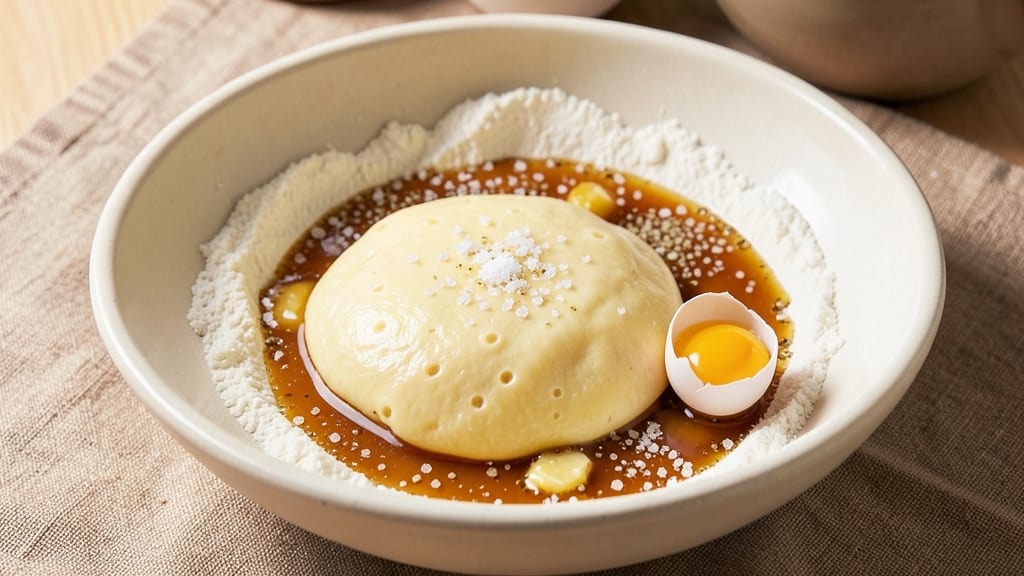
Ina Garten's white bread recipe delivers the kind of soft-baked loaf with a buttery crust that makes every sandwich feel like a special occasion. Standing on a stool in my Nonna's kitchen, I remember how her warm hands would shape dough with confidence—this recipe captures that same professional touch.
The secret lies in precise timing and gentle handling, ensuring a tender crumb that stays fresh for days.
What sets this bread apart is its foolproof method for achieving that signature soft texture without requiring advanced skills. You'll work with basic ingredients—flour, yeast, milk, butter, and a touch of sugar—but the technique transforms them into something extraordinary.
Proofing at just the right temperature and baking at a steady 350°F creates that perfect balance of fluffy interior and golden crust.
By the time you pull that warm loaf from the oven, you'll have a restaurant-quality bread that's crisp on the outside yet pillowy inside. The aroma alone will have everyone gathering around the table, and the buttery flavor makes it impossible to resist.
This isn't just bread—it's a centerpiece for any meal.
Whether you're serving it with soup, using it for sandwiches, or simply enjoying it with butter, this recipe delivers consistent results every time. The dough comes together in minutes, and with proper proofing, you'll have dinner on the table in under two hours. Let's get started on this timeless classic!
Ingredients for ina garten white bread
Basic pantry staples transform into Ina's signature soft white bread with a buttery crust.
| Ingredient | Amount | Notes |
|---|---|---|
| All-Purpose Flour 🌾 | 4 cups | Sifted for light texture |
| Active Dry Yeast 🍞 | 2 ¼ tsp | Fresh yeast preferred |
| Whole Milk 🥛 | 1 ¼ cups | Room temperature for best activation |
| Unsalted Butter 🧈 | ½ cup | Cold, cubed for even distribution |
| Granulated Sugar 🍚 | 2 tbsp | White or light brown |
| Large Eggs 🥚 | 1 whole | Room temperature |
| Diamond Crystal Kosher Salt 🧂 | 1 ½ tsp | Adjust to taste |
| Water 💧 | ½ cup | Warm, not hot |
| Cornmeal 🌽 | ¼ cup | For dusting baking sheet |
The flour is non-negotiable here—King Arthur or Gold Medal make all the difference for that tender crumb. Yeast can be tricky, so check the expiration date—old yeast won't activate properly. For the butter, Plugrá or Land O'Lakes work perfectly, but keep it cold when mixing to avoid melting. The milk should be room temperature (not fridge-cold) so it activates the yeast faster. If you're in a pinch, whole milk powder mixed with warm water works, but fresh milk gives that classic richness. I always grab extra yeast just in case—I've had batches fail when the weather's too cold.
No whole milk? Evaporated milk or heavy cream at half the amount gets you close. Butter too expensive? Vegetable shortening keeps the bread tender, though it won't taste as rich. The sugar can be swapped for honey or maple syrup at the same measurement, but it'll add moisture. For a lower-carb version, use almond milk plus an extra egg yolk—just know the texture will be slightly denser. The egg? Room temperature is key—cold eggs can make the dough tough. And if you're baking for altitude? Increase the flour by 1/4 cup to compensate for the thinner air.
This dough doubles in size during proofing, so don't overcrowd your bowl. Store any extra dough in an airtight container in the fridge for up to 3 days, or freeze for 3 months—just let it come to room temp before shaping. The baked loaf keeps well wrapped at room temperature for 2-3 days, but it reheats beautifully in a 200°F oven for 10 minutes to restore that fresh-baked aroma. I always make two small loaves instead of one large one—they cool faster and stay fresher longer.
Why You'll Love This Recipe
- No-Knead Magic: I swear by this recipe because it skips the whole kneading mess. Just mix the warm milk, melted butter, and yeast into flour—let the dough rise while you watch TV. Honestly, the hands-off approach is a lifesaver when I’d rather be doing anything else.
- Buttery Soft Crust: That touch of sugar and butter in the dough? It’s what makes this bread ridiculously good. The crust stays soft for days, and the crumb is so tender it practically melts in your mouth. (Yes, even on a Tuesday night.)
- Meal Prep Hero: I bake a loaf on Sundays and freeze half—no fancy equipment, just a Ziploc bag. Toss it in the toaster in the morning, and you’ve got breakfast sorted. Between us, this is how I survive chaotic weeks.
- Budget-Friendly Staple: Five ingredients, one bowl, zero waste. The milk and butter make it feel special, but the flour and yeast keep it affordable. I’ve fed a crowd with two loaves, and still had leftovers for sandwiches. Reliable? You bet.
Instructions for Ina Garten's white bread recipe
Here's how to bake this tender loaf with a golden crust every time.
Mix the Dough Ingredients
In a large bowl, whisk together the 4 cups all-purpose flour, 2 tbsp granulated sugar, and 1.5 tsp diamond crystal kosher salt. Create a well in the center and add the 2.25 tsp active dry yeast. Pour in the 1.25 cups whole milk (warmed to about 100°F) and the 0.5 cup water (also warm).
Use a wooden spoon to gently combine everything until just moistened. Then add the 1 whole large egg and the 0.5 cup cold unsalted butter, cut into small cubes. Mix until the butter is incorporated and the dough comes together. It should be slightly sticky but manageable.
Here's the thing—don't overmix. Once the dough forms a shaggy mass, stop stirring. Overworking the dough develops gluten too early, which can make the bread tough. The dough will feel soft and tacky, but that's exactly what we want for a tender crumb.
Knead the Dough Until Smooth
Turn the dough onto a lightly floured surface and knead for about 8-10 minutes. I like to use my hands for this—press down on the dough, fold it over, and turn it 90 degrees, repeating until smooth and elastic. The dough should spring back slowly when poked with a finger.
If it feels too sticky, add just enough of the 4 cups all-purpose flour to make it workable, but don't go overboard. The goal is a dough that's soft and slightly tacky but not wet. You'll know it's ready when it pulls away cleanly from the surface and forms a windowpane when stretched thin.
This kneading step develops the gluten structure that gives the bread its light texture. Don't rush it—take your time to get it right. The dough should feel like a soft, smooth ball when you're done.
Let the Dough Rise Until Doubled
Place the dough in a lightly greased bowl, cover it with a clean kitchen towel, and let it rise in a warm place for about 1-1.5 hours. You're looking for it to double in size and feel puffy to the touch. I usually set my oven to its lowest setting with a bowl of hot water inside to create a warm, humid environment.
Real talk: Don't let it rise too long or it'll collapse when baked. The dough should be light and airy, with just a few small bubbles visible on the surface. If it rises too quickly, it might not develop enough flavor and structure.
Once doubled, gently deflate the dough by pressing it down with your fingers. This helps create an even loaf shape when we shape it next. The dough should spring back slightly but not fully when pressed.
Shape and Second Rise
Turn the dough onto a lightly floured surface and shape it into a round loaf. I like to make a well in the center and bring the edges up to form a smooth, taut surface. The dough should be slightly taut but not tight—think of it like a soft basketball.
Place the shaped loaf on a parchment-lined baking sheet dusted with 0.25 cup cornmeal. Cover it again and let it rise for another 30-45 minutes until puffy. This second rise gives the bread its final lift and helps create that beautiful domed shape.
Here's where it gets fun—the loaf should look almost ready to bake. It'll have expanded noticeably and feel light when lifted. If it doesn't rise much, give it a few more minutes. The edges should look slightly rounded and the top should have a few small bubbles.
Bake for a Golden, Buttery Crust
Preheat your oven to 375°F. Brush the top of the loaf with a little melted unsalted butter and sprinkle with a pinch of diamond crystal kosher salt for extra flavor. Bake for 30-35 minutes until the crust is golden brown and the internal temperature reaches 190°F.
Your oven might run hot, so start checking at the 25-minute mark. The bread is done when it sounds hollow when tapped on the bottom and the crust is a beautiful golden brown. If it browns too quickly, tent it loosely with foil.
This is the moment that matters: the bread should have a crisp crust that gives way to a soft, pillowy interior. Let it cool on a wire rack for at least 20 minutes before slicing—this helps the crumb set properly and prevents a gummy texture.
Pro Tips For Making Ina Garten White Bread
- Warm the Milk First: Pour the whole milk into a small saucepan and heat it just until it steams—about 110°F (43°C)—before mixing with yeast. Cold milk kills yeast faster than you’d expect, and this tiny step guarantees a faster, more reliable rise. I learned this the hard way when my dough took three hours to proof instead of 90 minutes.
- Cut the Butter Cold: Use unsalted butter straight from the fridge—don’t soften it first. Cold butter creates tiny pockets in the dough that give Ina’s bread its signature tender crumb. If you’re impatient and melt it, you’ll end up with a dense loaf, no matter how much you knead.
- Punch Down Twice: After the first rise, punch down the dough once, let it rest 10 minutes, then punch it down again. This step prevents overworking the gluten later and ensures an even, airy crumb. Skip it, and your bread might turn out gummy or unevenly baked.
- Don’t Overproof the Shaped Loaf: The final rise in the pan should take no more than 45–60 minutes—until the dough springs back slowly when poked. Overproofing here makes the bread collapse or taste flat. Set a timer and watch closely; the dough won’t forgive you if you walk away.
Wine and beer pairings for this ina garten white bread
Crisp White Wine
Ina Garten’s white bread pairs beautifully with a dry Riesling or Sauvignon Blanc—both have enough acidity to cut through the buttery richness. I love a New York Finger Lakes Riesling like Dr. Konstantin Frank, which balances the bread’s softness with bright citrus notes.
For something lighter, a French Sancerre (100% Sauvignon Blanc) adds herbal complexity that complements the crust’s subtle saltiness. 🍷
Creamy Lager
If you prefer beer, a Belgian-style witbier like Stella Artois or Hoegaarden works wonders—their coriander and citrus notes refresh the palate between bites.
For a heavier option, try a German Helles Lager such as Weihenstephaner Original, which has a malty sweetness that pairs perfectly with the bread’s buttery interior. 🍺
Buttery Chardonnay
For a richer pairing, an oaked Chardonnay with subtle vanilla notes enhances the bread’s buttery flavor. Look for a California Chardonnay like Kendall-Jackson Vintner’s Reserve—its creamy texture mirrors the bread’s soft crumb. If you prefer something crisper, a Chablis (100% Chardonnay) adds mineral brightness that contrasts nicely. 🍷
Light Ale for Contrast
A pale ale like Blue Moon or Fat Tire Amber Ale adds a touch of hoppy bitterness that balances the bread’s richness. The caramel and biscuit notes in these beers complement the crust’s golden hue without overpowering the buttery taste. Perfect for a casual lunch! 🍻
Sweet Sparkling Option
For a festive touch, a dry sparkling wine like Prosecco or Cava adds effervescence that cleanses the palate. The slight sweetness in Prosecco enhances the bread’s buttery notes, while Cava’s crisp acidity keeps things refreshing. Ideal for brunch or a light dinner. ✨
Nutrition facts
Frequently asked questions
Why does this white bread recipe use milk instead of water?
Milk adds richness and tenderness to the bread's crumb while enhancing the buttery flavor. The fat in milk creates a softer texture compared to water-based doughs. For extra flavor, Ina Garten's version uses whole milk—never substitute low-fat or skim milk, as they won't yield the same luxurious mouthfeel.
Can I make this bread without a stand mixer?
This dough is designed for hand-kneading. Use a lightly floured surface and knead for 8-10 minutes until smooth and elastic. The recipe's slightly sticky dough actually works better by hand—it helps develop just the right amount of gluten for that signature soft texture without overworking it.
What if my dough doesn't rise properly?
Cold environments or old yeast are usually the culprits. First, check your yeast expiration date—it should be fresh. Create a warm proofing environment by placing your dough bowl in a turned-off oven with a cup of hot water. If it still doesn't rise, your yeast might be dead. Test it by mixing 1 tsp yeast with 2 tbsp warm water and 1 tsp sugar—it should foam in 5-10 minutes.
How do I store leftovers to keep them fresh?
Wrap the cooled loaf tightly in plastic wrap or place it in an airtight container. It stays fresh at room temperature for 2-3 days. For longer storage, freeze slices wrapped in parchment paper—they'll reheat beautifully in a 200°F oven for 5-7 minutes to restore that fresh-baked aroma and texture.
Can I add seeds or herbs to this recipe?
Yes, but keep it simple! Try adding 1 tbsp poppy seeds or 1 tbsp sesame seeds to the dough before the final knead for subtle texture. Fresh herbs like 1 tbsp chopped chives or dill work beautifully too—just mix them in during the shaping stage. Avoid heavy additions like nuts, as they can make the bread dense.