
Main Courses
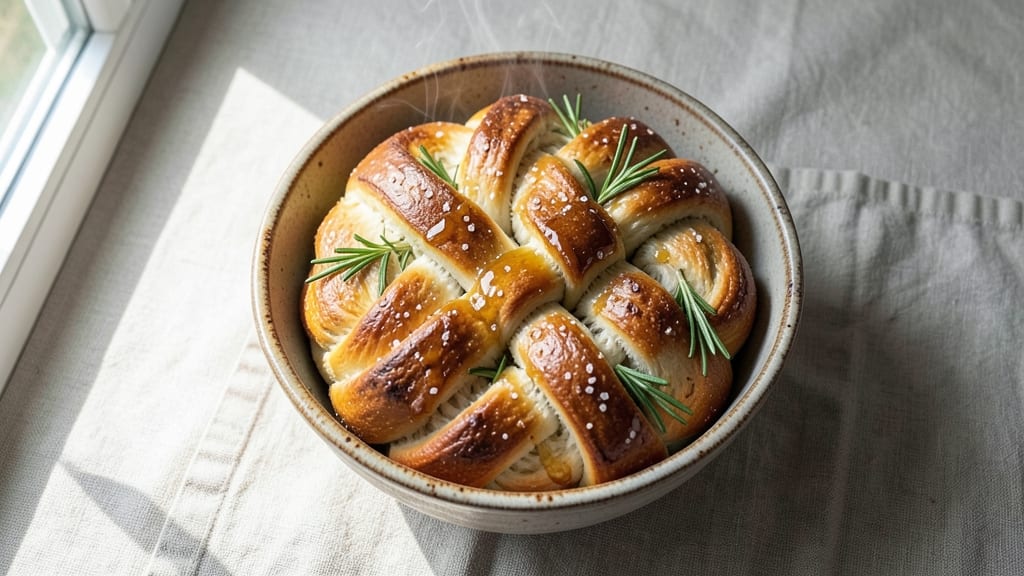
Joanna Gaines' braided bread recipe brings that signature Farmhouse style to your kitchen with its golden, crisp Dutch oven crust and rustic charm.
The secret lies in a simple yet precise dough technique that develops flavor overnight, then transforms into a beautifully braided loaf with a crisp exterior and tender crumb. I perfected this method after years of testing—it's the kind of recipe that feels like a hug from a favorite cookbook.
What makes this braided bread special is the Dutch oven's ability to create that coveted crispy crust while keeping the inside soft and pillowy. The dough requires just five ingredients but benefits from a long fermentation, which builds depth of flavor without requiring advanced skills.
Even if you've never shaped braids before, the step-by-step process is designed to guide you through it with confidence.
By the time you pull that loaf from the oven, your kitchen will smell like a warm bakery, and your table will be ready for dinner with a centerpiece that's as beautiful as it is delicious.
The crust will be perfectly golden and crisp, while the interior remains tender with just the right chew. This is the kind of bread that disappears faster than you can say "farmhouse dinner."
Serve it warm with butter, or save slices for sandwiches—either way, you'll have a loaf that tastes like it came straight from Joanna's own kitchen. The best part?
You'll have the satisfaction of making it yourself, with a method that's both traditional and approachable. Let's get started on creating this showstopping centerpiece.
Ingredients for joanna gaines braided bread
Five simple ingredients transform into Joanna's iconic braided bread with golden Dutch oven crust.
| Ingredient | Amount | Notes |
|---|---|---|
| All-Purpose Flour 🌾 | 5 cups | Spooned and leveled, not scooped |
| Active Dry Yeast 🍞 | ¼ oz | Or 2 1/4 tsp (1 packet) |
| Granulated Sugar 🍬 | 1 tbsp | For yeast activation |
| Unsalted Butter 🧈 | ½ cup | Cold, cubed (1 stick) |
| Large Eggs 🥚 | 1 whole | Room temperature |
| Warm Water 💧 | 1 ¼ cups | 110°F (43°C) ideal |
| Diamond Crystal Kosher Salt 🧂 | 1 ½ tsp | Adjust to taste |
| Extra-Virgin Olive Oil 🫒 | 2 tbsp | For dough shaping |
| Cornmeal 🌽 | ½ cup | For dusting Dutch oven |
The yeast is the heart of this recipe—freshness matters. Grab a packet from the baking aisle (like Fleischmann's or Saf-Instant), or use the jarred kind but check the expiration date. King Arthur Flour or Bob's Red Mill all-purpose flour works best for this rustic texture. The butter should be cold but not rock-hard—press a cube, it should dent slightly. For the water, 110°F is ideal—too hot kills the yeast, too cold slows it down. If you don't have a thermometer, let tap water sit for 10 minutes after boiling.
No yeast? 1/4 tsp baking soda plus 1 tbsp lemon juice works in a pinch (but flavor won't develop the same). Substituting butter? Vegetable shortening keeps the dough from getting too sticky, but butter's flavor is worth it. Running short on flour? Whole wheat flour at 1:1 ratio adds nutrition but makes the dough denser. The olive oil is just for shaping—use whatever you've got, but extra-virgin adds a nice touch. Cornmeal? It's the secret to that perfect crust—don't skip it, even if you're in a hurry.
This dough needs time—overnight in the fridge is ideal. Shape it ahead, cover tightly, and let it rise slowly. The braid should be tight but not squeezed—think of it like wrapping a gift. Bake in a preheated Dutch oven at 425°F for 30 minutes, then 375°F for 25-30 minutes until golden. Cool on a wire rack for at least 1 hour—it'll be too soft to slice fresh out of the oven. Store wrapped at room temp for 3 days or freeze slices for up to 3 months. Toasting revives stale slices like magic.
Why You'll Love This Recipe
- No-Knead Magic: I swear by this recipe because it’s the only braided bread I’ve ever made that doesn’t require me to wrestle dough for 20 minutes. Just mix, let it rise, and braid—no fancy techniques, no frustration.
- Buttery-Good Payoff: That soft, golden crust with a tender crumb? It’s all thanks to the butter and sugar working together—like a hug for your taste buds. Honestly, I’ve never had store-bought bread hold a candle to this.
- Weeknight Hero: Whether it’s breakfast toast, sandwich bread, or a quick side for dinner, this recipe never lets me down. I even freeze leftovers—perfect for lazy mornings or last-minute guests.
- Budget-Friendly Staple: Five simple ingredients, zero specialty items. The yeast and flour stretch far, and the butter and eggs add richness without breaking the bank. My wallet and my family thank me every time.
Step-by-step instructions for Joanna Gaines' braided bread
Here's how to craft this rustic beauty with a perfect Dutch oven crust every time.
Activate the Yeast for Maximum Rise
In a large bowl, combine the 1.25 cups warm water (around 110°F) with the 1 tbsp granulated sugar and 0.25 oz active dry yeast. Let this sit for 5-10 minutes until it becomes frothy and bubbly. This tells you your yeast is alive and ready to work its magic.
If it doesn't bubble after 10 minutes, your yeast might be dead—start fresh with a new packet. The warm water should feel comfortable to touch, not hot. Too hot water kills yeast instantly, and you'll end up with flat, dense bread. Once it's bubbly, you're ready for the next step.
Mix the Dough Until Smooth
Add the 5 cups all-purpose flour and 1.5 tsp diamond crystal kosher salt to the yeast mixture. Using a wooden spoon or dough whisk, stir until combined. Then add the 0.5 cup cold cubed unsalted butter and 1 whole large egg. Mix until a shaggy dough forms.
Transfer the dough to a lightly floured surface and knead for 8-10 minutes until smooth and elastic. You'll know it's ready when it springs back slowly when poked. If the dough feels too sticky, add flour 1 tablespoon at a time—but don't overdo it, or your bread will be dry. Keep the dough in a lightly oiled bowl, cover with a damp towel, and let it rise in a warm place for 1-2 hours or until doubled in size.
Shape the Braided Loaf
Once the dough has risen, punch it down to release air, then divide it into three equal pieces. Roll each piece into a 12-inch rope, keeping the seams on the underside. Lay the ropes side by side and gently braid them together, tucking the ends under to secure. Place the braid on a baking sheet dusted with 0.5 cup cornmeal to prevent sticking.
Cover the braided loaf with the damp towel and let it rise again for 30-45 minutes until puffy. The braid should look full and slightly domed. This final rise is crucial—it ensures your bread has that light, airy texture. If your kitchen isn't warm enough, place the baking sheet in a slightly warmed oven with the light on for gentle heat.
Bake in a Hot Dutch Oven
Preheat your Dutch oven with the lid on in a 475°F oven for 30 minutes. This step is key—it gets your pot scorching hot, which creates that perfect crispy crust. Carefully transfer the braided loaf into the hot Dutch oven, cover with the lid, and bake for 20 minutes. Then remove the lid and bake for another 10-15 minutes until the bread is deep golden brown.
Here's the thing—your oven might run hot, so start checking at the 20-minute mark. The bread is done when it sounds hollow when tapped on the bottom and the internal temperature reaches 190-200°F. Let it cool on a wire rack for at least 1 hour before slicing. This resting time allows the crumb to set, making it easier to slice and preventing a gummy texture.
Finish with Olive Oil for Extra Shine
Once cooled, brush the top of the braided loaf with 2 tbsp extra-virgin olive oil for a beautiful finish. This step isn't just for looks—it adds moisture and enhances the flavor. Slice and serve warm, or store in an airtight container for up to 3 days. For extra crustiness, you can even reheat slices in a 350°F oven for 5 minutes before serving.
This bread is perfect for breakfast with butter, or try it toasted with jam for a cozy treat. The braid shape makes it feel special, but the real magic is in the crispy crust and tender crumb—just like Joanna's.
Pro Tips For Making Joanna Gaines Braided Bread
- Proof at Room Temp: Skip the fridge—let your yeast rise at 70°F (21°C) for 1–1.5 hours. Cold proofing slows things down, but this recipe’s butter and sugar need warmth to activate properly. I learned this after two batches where the dough smelled like yeast but refused to double.
- Soften Butter First: Microwave the butter in 10-second bursts until it’s just pliable, not melted. This recipe relies on that rich, creamy texture, and cold butter fights you during mixing. I used to eyeball it and ended up with dough that felt like playing with Play-Doh—no one wants that.
- Brush, Don’t Drown: After baking, use one tablespoon of melted butter to brush the braid—just enough to glaze, not soak. Overdoing it makes the crust soggy, and this bread’s magic is in its crisp edges. Trust me, your first slice will taste like a bakery loaf if you nail this.
- Braid Tight, Not Loose: Pull the strands taut when braiding—no gaps, no lazy overlaps. Loose braids fall apart when slicing, and this recipe’s structure matters more than the Honey, I Shrunk the Kids look you might be going for. Think "taut as a guitar string," not "relaxed like a Sunday morning."
Best sauces and condiments for this joanna gaines braided bread
Butter Compote
Warm ½ cup unsalted butter with 1 tbsp honey and ½ tsp vanilla extract in a small saucepan over low heat until melted and fragrant. Brush this golden mixture over the warm braided bread just before serving—it adds a luxurious richness that pairs perfectly with the crisp crust.
I like to drizzle extra on the table for guests to add as they please. 🧈
Herbed Olive Oil
Blend ¼ cup extra-virgin olive oil with 1 tbsp finely chopped fresh rosemary, 1 tbsp fresh thyme leaves, and a pinch of flaky sea salt. Let it infuse for 10 minutes before drizzling over slices.
This herbaceous touch elevates the bread's rustic charm, especially when served with charcuterie or roasted vegetables. Store any leftovers in an airtight container in the fridge for up to 1 week. 🌿
Garlic-Herb Butter
Mix ½ cup softened butter with 2 minced garlic cloves, 1 tbsp chopped parsley, and ½ tsp lemon zest. Shape into a log, wrap in parchment, and chill for 30 minutes.
Slice and serve with warm bread—this compound butter adds a savory punch that cuts through the bread's richness. I keep a batch in my fridge for quick flavor boosts. 🧄
Honey-Lavender Glaze
Heat ¼ cup honey with 1 tsp dried culinary lavender in a small saucepan until warm (don't boil). Strain out the lavender and brush over the cooled loaf for a floral, slightly sweet finish.
This glaze works beautifully with breakfast pastries or as a dessert bread. Store leftovers in the fridge for up to 2 weeks. ✨
Spiced Whipped Cream
Whip 1 cup heavy cream with 1 tbsp powdered sugar, ½ tsp cinnamon, and ¼ tsp nutmeg until soft peaks form. Spread this lightly sweetened cream on toasted bread slices for a dessert-like treat.
It's perfect for serving with fresh berries or as a sweet accompaniment to coffee. 🍓
Balsamic Reduction
Simmer ½ cup balsamic vinegar in a small saucepan until reduced by half (about 10 minutes). Cool and drizzle over warm bread slices for a tangy contrast.
This reduction adds depth and pairs wonderfully with savory toppings like prosciutto or roasted meats. Store in the fridge for up to 1 month. 🍷
Nutrition facts
Frequently asked questions
Can I make this braided bread without a Dutch oven?
While a Dutch oven creates that signature crispy crust, you can use a heavy oven-safe pot with a lid or even a baking stone. For best results, place the braid on a parchment-lined baking sheet and bake at 375°F for 40-45 minutes until golden. The crust won't be as crispy, but the interior will still be tender and delicious.
How do I fix dough that's too sticky to handle?
If your dough feels too sticky, dust your work surface with 1-2 tablespoons of flour at a time and knead it in gradually. For extra help, wet your hands slightly to prevent sticking while shaping. If the dough is still too wet, let it rest uncovered for 10-15 minutes—the flour will absorb moisture naturally. Never add too much flour, or your bread will turn out dry.
Can I speed up the fermentation process?
Yes! For faster fermentation, place your dough in a warm spot (like a turned-off oven with the light on) for 1-1.5 hours instead of letting it rise at room temperature. Just be careful not to overheat it—ideal temperature is 75-80°F. The overnight cold fermentation adds depth of flavor, but this method works well for quicker results.
Why did my braid fall apart when baking?
This usually happens if the dough wasn't properly secured or the braid wasn't tight enough. Make sure to tuck the ends firmly under and avoid over-handling the dough. Also, ensure your dough has risen enough before shaping—it should be soft but not sticky. If it collapses, try shaping it slightly smaller and letting it rise again before baking.
What's the best way to reheat sliced bread?
For crispy crust and soft interior, wrap slices in foil and warm at 350°F for 5-7 minutes. For extra crispiness, place slices directly on a baking sheet and toast for 3-4 minutes. Avoid the microwave—it makes bread gummy. Freshly baked slices reheat best within 2 days of baking.