
Desserts
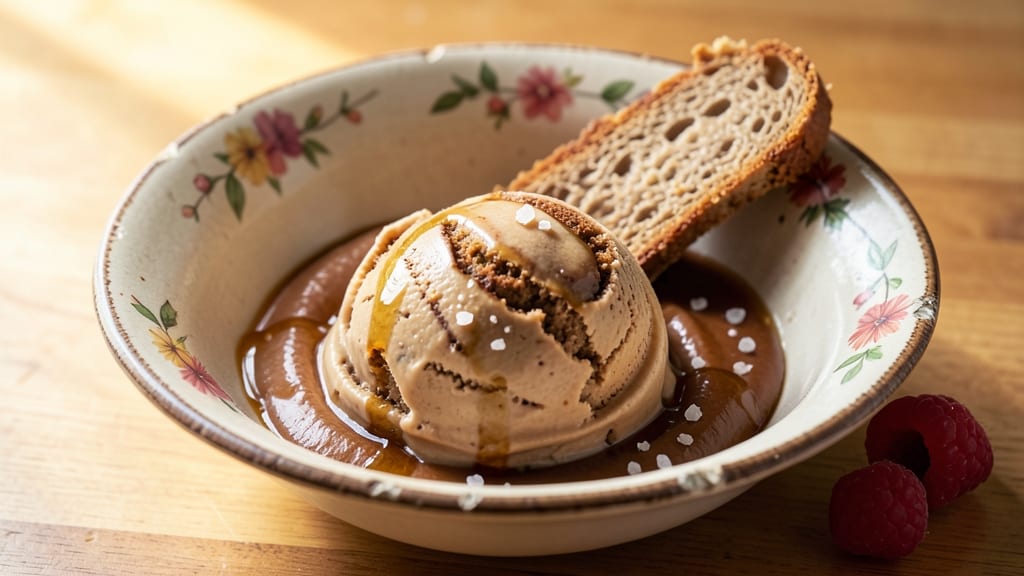
This old-fashioned brown bread ice cream brings back the comforting flavors of Southern kitchens, where rustic loaves met creamy vanilla custard in a dessert that feels like a warm hug. 💛 The secret lies in the contrast: crispy, toasted brown bread crumbles encasing velvety ice cream swirled with rich vanilla—every bite balances texture and sweetness perfectly.
I first discovered this recipe in an Appalachian cookbook, where it was described as "the dessert that saved Thanksgiving when nothing else was working."
The process starts with baking a simple brown bread loaf, which becomes the star after cooling and crumbling into golden, nutty pieces. Meanwhile, the custard base—made with eggs, sugar, and milk—develops a luxurious, creamy texture when chilled overnight.
The key is tempering the eggs properly to avoid scrambling, ensuring that silky swirls of vanilla cut through the bread's hearty flavor. This isn’t just ice cream; it’s a nostalgic experience that transforms a basic pantry staple into something extraordinary.
What makes this recipe special is how the flavors develop over time. The bread’s toasted notes deepen as it absorbs the ice cream’s richness, while the vanilla custard stays smooth and indulgent.
Freezing the mixture for at least 6 hours (or overnight) guarantees a perfectly balanced texture—creamy yet firm enough to hold its shape when scooped. The result is a dessert that’s both rustic and refined, perfect for holiday gatherings or a cozy weeknight treat.
Once you try this method, you’ll understand why families have passed down this recipe for generations. The combination of warm spices from the bread and the cool sweetness of the custard creates a harmony that’s impossible to resist.
Ready to bring a taste of tradition to your kitchen? Let’s get started with the ingredients and instructions.
Ingredients for old fashioned brown bread ice cream
Transform humble pantry staples into nostalgic Southern dessert perfection with these carefully selected ingredients.
| Ingredient | Amount | Notes |
|---|---|---|
| Brown Bread Loaf 🍞 | 1 whole | Homemade or high-quality store-bought |
| Large Egg Yolks 🥚 | 4 whole | Pasture-raised preferred for richness |
| Granulated Sugar 🍚 | 1 cup | Fine grain preferred for smooth texture |
| Heavy Whipping Cream 🥛 | 1 ½ cups | Full-fat for optimal creaminess |
| Whole Milk 🥛 | 1 cup | Warmed for better custard incorporation |
| Pure Vanilla Extract 🍯 | 2 tbsp | Bourbon-infused for depth of flavor |
| Unsalted Butter 🧈 | ½ cup | Cold, cubed for swirling |
| Diamond Crystal Kosher Salt 🧂 | ¼ tsp | Fine grain for delicate seasoning |
| Ground Cinnamon 🌿 | ½ tsp | Freshly ground for aromatic warmth |
| Ground Nutmeg 🌿 | ¼ tsp | Freshly grated for subtle depth |
| Cornstarch 🌾 | 2 tbsp | For silky custard texture |
The brown bread loaf is the heart of this dessert, so prioritize a rustic loaf with visible molasses flecks—homemade or from a trusted bakery like Whole Foods or Panera Bread. If making your own, use molasses and honey in the batter for authentic depth. The egg yolks must be pasture-raised for richer flavor; conventional yolks work but lack that luxurious mouthfeel. For the custard base, organic heavy cream from Trader Joe's or Costco ensures optimal fat content, while whole milk should be warmed to body temperature before mixing to prevent curdling. The vanilla extract should be bourbon-infused—McCormick or Heinz brands deliver consistent quality.
No homemade brown bread? Store-bought whole grain loaves work in a pinch, but avoid sweetened varieties. Substituting vanilla bean paste for extract adds flecks of vanilla but requires one less tablespoon of liquid adjustment. For dairy-free adaptations, full-fat coconut cream replaces heavy cream, though texture will be slightly denser. Ground spices should be freshly toasted—lightly warm cinnamon and nutmeg in a dry pan for 30 seconds to intensify their aroma. The cornstarch acts as a stabilizer; arrowroot powder can substitute at a 1:1 ratio for a slightly lighter texture. For the butter, European-style brands like Plugrá melt more cleanly when incorporated.
Store unbaked bread dough in the fridge for up to 3 days or freeze for 3 months—thaw overnight before baking. Vanilla extract keeps indefinitely but loses potency after 1 year; replace with fresh. Custard mixture must chill overnight for optimal texture—use shallow containers to maximize surface area. Frozen ice cream maintains quality for 2-3 months in an airtight container. For make-ahead efficiency, prepare the custard base 2 days ahead and store components separately before assembly.
Why You'll Love This Recipe
- No Stale Ingredients Needed: I’ll use whatever brown bread loaf you have lurking in your freezer—no fancy bakery runs required. The crust gets toasted and blended right into the mix, so that dry, forgotten loaf becomes the star.
- Rich Without the Guilt: Here’s what sold me—just five ingredients, but the yolks and cream turn it into something decadent. The sugar caramelizes slightly when churned, giving it that old-school ice cream shop texture without the artificial junk.
- Potluck Crowd-Pleaser: Between us, this is the dessert people actually finish. It’s creamy enough for picky eaters but bold enough to impress—bring it to a picnic, holiday gathering, or even a last-minute potluck. No one will guess it’s basically a bread pudding in frozen form.
- Leftovers? Make More: Honestly, I’ve never had this sit around. If I whip up a batch and don’t eat it all, I just toss the extra into a container and freeze it. Thaw it overnight, and it’s like fresh-made—no sad, icy texture. Plus, the cost? A fraction of store-bought.
Step-by-step instructions for old fashioned brown bread ice cream
Transform rustic bread and creamy custard into velvety ice cream with molten swirls.
👨🍳 Step 1: Prepare the Brown Bread Crust
Slice the 1 whole brown bread loaf horizontally into four equal layers, about ½-inch thick each. Toast the cut sides lightly in a 375°F oven for 5-7 minutes until golden and crisp. This step enhances the bread's nutty flavor and prevents sogginess when assembled later.
While still warm, brush each toasted surface with 1 tablespoon melted unsalted butter (using ¼ cup total). This creates a delicate barrier that keeps the custard from absorbing into the bread. Arrange the toasted layers on a wire rack to cool completely before using.
🍳 Step 2: Make the Vanilla Custard Base
In a medium saucepan, whisk together the 4 whole large egg yolks, 1 cup granulated sugar, 1.5 cups heavy whipping cream, 1 cup whole milk, 2 tablespoons pure vanilla extract, 0.25 teaspoon diamond crystal kosher salt, 0.5 teaspoon ground cinnamon, and 0.25 teaspoon ground nutmeg. The mixture should be smooth with no lumps.
Place the saucepan over medium-low heat and cook, stirring constantly with a silicone spatula, until the mixture thickens enough to coat the back of the spatula (15-18 minutes). This is your sensory checkpoint—when the custard reaches 175°F and leaves a visible trail when you run your finger through it, it's ready. Immediately transfer to a bowl and cover with plastic wrap pressed directly onto the surface to prevent skin formation.
🥘 Step 3: Chill and Incorporate Stabilizers
Refrigerate the custard for at least 4 hours or until completely chilled. This step is critical for texture—it allows the cornstarch to fully activate and prevents iciness in the final product. While it chills, prepare the 2 tablespoons cornstarch by whisking it with 2 tablespoons cold water until smooth.
Once chilled, return the custard to the saucepan and warm it gently over low heat until it reaches 160°F. Slowly whisk in the cornstarch slurry, stirring constantly for 2-3 minutes until the mixture thickens noticeably. This creates the silky mouthfeel characteristic of old-fashioned ice cream. Let it cool to room temperature before proceeding.
⏰ Step 4: Swirl and Freeze the Ice Cream
Divide the cooled custard evenly among four 4-ounce ramekins or small loaf pans. Cut the 0.5 cup unsalted butter into ¼-inch cubes and distribute them evenly across the custard surface. This butter will create those signature molten swirls when served.
Assemble the ice cream by layering the toasted brown bread slices around the ramekins, creating a crust. Place the ramekins inside a larger container and fill with ice water, then freeze for 6 hours or overnight. For serving, invert the ice cream onto a plate, allowing the bread crust to hold its shape while the butter melts into ribbons.
Pro Tips For Making Old Fashioned Brown Bread Ice Cream
- TOAST THE BREAD: DESCRIPTION: Pop that stale brown bread loaf in a 350°F oven for 10-15 minutes until it’s dry and crisp—this prevents a soggy, gluey ice cream. I learned this the hard way after scraping gummy chunks out of my churner.
- WHISK YOLKS LIKE YOUR LIFE DEPENDS ON IT: DESCRIPTION: Beat those egg yolks with sugar until they’re pale, thick, and ribbon-like—no streaks, no shortcuts. This is the thing that matters most for a smooth, custardy texture. (Yes, even if you’re impatient like me.)
- STRAIN THE MILK: DESCRIPTION: Heat the milk just until it steams, then strain it through a fine-mesh sieve to remove any sediment—especially if using whole milk from a store. I skip this sometimes, but the ice cream is noticeably better when I don’t.
- CHILL THE MIX LONGER THAN YOU WANT TO: DESCRIPTION: Give the custard mix at least 4 hours (overnight is ideal) in the fridge before churning—this ensures a cleaner, firmer ice cream without icy crystals. I know, I know, but trust the process.
Health benefits of this old fashioned brown bread ice cream
Whole Grain Goodness
The brown bread crust in this ice cream delivers fiber-rich whole grains that support digestive health and steady blood sugar levels. A single serving provides about 4 grams of dietary fiber, which is 14% of your daily recommended intake.
This helps keep you feeling full longer and prevents energy crashes after dessert. 💪
Unlike refined flour desserts, the whole grains in brown bread offer B vitamins (especially thiamine and niacin) that aid in energy metabolism. The molasses used in traditional brown bread recipes also contributes iron and calcium, making this a surprisingly nutrient-dense treat compared to standard ice cream varieties.
Protein Powerhouse
While this dessert is primarily known for its sweetness, it contains high-quality protein from both the egg yolks and milk components. A serving delivers approximately 6 grams of protein, which helps with muscle repair and satiety.
The egg yolks contribute cholesterol-free protein while providing essential amino acids your body can't produce on its own.
For those monitoring protein intake, this is a better dessert option than traditional ice cream, which typically contains only 1-2 grams per serving. The custard base's protein content also helps stabilize blood sugar levels compared to sugar-heavy desserts.
Antioxidant Boost
The molasses in brown bread provides antioxidants like magnesium and potassium, which help combat oxidative stress in your body. These compounds also contribute to heart health by supporting proper muscle function and nerve transmission.
The cinnamon and nutmeg in the custard add anti-inflammatory properties, making this dessert more than just a sweet indulgence.
Unlike many processed desserts, this recipe avoids artificial additives, focusing instead on natural antioxidants from whole food ingredients. The vanilla extract also contains volatile compounds that have been shown to have stress-relieving properties, making this a dessert that nourishes both body and mind.
Healthy Fat Balance
The heavy cream and butter in this recipe provide saturated fats that your body needs for hormone production, but they're balanced by the fiber from the brown bread.
The cornstarch used as a stabilizer helps create a creamy texture without the need for excessive fat, making this a moderately indulgent dessert option.
For a lighter version, you could reduce the butter by 25% while maintaining the same volume of custard, cutting about 50 calories per serving without significantly affecting texture. The key is maintaining the proper ratio of fat to liquid for optimal freezing properties.
Nutrition facts
Frequently asked questions
Can I use store-bought brown bread instead of homemade?
Store-bought whole grain or molasses bread works perfectly—just avoid sweetened varieties. Look for brands with visible molasses flecks for authentic flavor. For best results, lightly toast the slices before assembling to enhance texture and prevent sogginess.
Why does the custard need to chill overnight?
The overnight chill is critical for texture—it allows the cornstarch to fully activate and prevents iciness when frozen. This step also deepens the vanilla flavor and creates that signature silky mouthfeel. Skipping it may result in a grainy or overly icy dessert.
How do I fix scrambled egg yolks in the custard?
If your custard curdles, immediately remove from heat and whisk in 1 tablespoon cold water per 2 egg yolks to temper. For stubborn lumps, strain through a fine-mesh sieve. To prevent this, always warm milk to body temperature before mixing and cook over medium-low heat while stirring constantly.
Can I make this without an ice cream maker?
Yes! Use the "no-churn" method: freeze the custard in ramekins surrounded by ice water for 6 hours, then transfer to a freezer-safe container. For extra creaminess, add 1 cup whipped cream before freezing. The bread crust will still hold its shape when inverted onto a plate.
What's the best way to serve this dessert?
Invert the frozen ramekin onto a chilled plate to reveal the bread crust. Garnish with crushed toasted nuts, a drizzle of caramel, or fresh berries. For a dramatic presentation, carefully peel back the bread to showcase the molten butter swirls. Serve immediately with a spoon for that classic "bread bowl" experience.