
Side Dishes
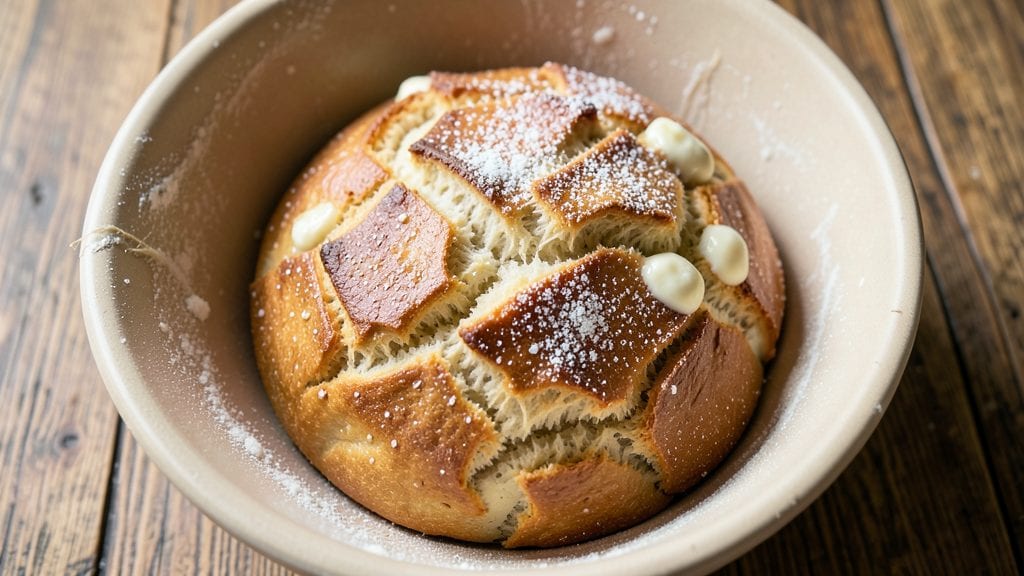
Paula Deen's bread recipe delivers that signature Southern crust—crispy outside, buttery inside, with just enough honey sweetness to make every slice irresistible. I remember the first time I tried to recreate this in my Boston kitchen, where buttery bread was a weekly ritual but never quite captured that Southern soul.
The secret lies in the buttermilk batter and the slow bake that creates that perfect golden crust.
This recipe brings together simple ingredients with precise technique to deliver restaurant-quality results at home. We're talking about a bread that's rich enough to stand up to hearty stews but light enough to melt in your mouth.
The buttermilk adds tangy depth, while the honey glaze gives it that signature Paula Deen touch that makes it unforgettable.
By the time you pull this bread from the oven, you'll have a loaf with a crackly crust that shatters when broken, revealing tender crumb inside. The aroma alone will have your whole house smelling like Sunday dinner.
This is the kind of bread that makes you want to slow down and savor every bite—perfect for serving alongside fried chicken or just enjoying with a pat of that same butter you used to make it.
Best of all, this recipe scales beautifully whether you're feeding a family or just want to enjoy a slice with your morning coffee. The technique is straightforward once you understand the key steps, and the ingredients are all pantry staples. Let's get started on baking bread that tastes like home.
Ingredients for paula deen bread
Buttermilk, honey, and a touch of vanilla—this is Paula Deen's secret to Southern bread perfection.
| Ingredient | Amount | Notes |
|---|---|---|
| All-Purpose Flour 🌾 | 5 cups | Sifted for light texture |
| Granulated Sugar 🍚 | ¼ cup | White or light brown |
| Active Dry Yeast 🍞 | 2 ¼ tsp | Fresh or 1 packet |
| Salt 🧂 | 2 tsp | Kosher or sea salt |
| Buttermilk 🥛 | 1 ½ cups | Room temperature |
| Unsalted Butter 🧈 | ½ cup | Melted, full-fat |
| Large Eggs 🥚 | 1 whole | Room temperature |
| Honey 🍯 | ¼ cup | Wildflower preferred |
| Vanilla Extract 🌸 | 1 tsp | Pure vanilla |
| Water 💧 | ½ cup | Warm, not hot |
| Cornmeal 🌽 | ¼ cup | For dusting pan |
The buttermilk is non-negotiable here—it's what gives that signature tang and tender crumb. Look for full-fat buttermilk at the grocery store; the fat content matters for that rich flavor. If you can't find it, mix 1 tbsp lemon juice or vinegar with 1.5 cups milk and let it sit for 5 minutes. The yeast is your leavening agent, so make sure it's fresh and active—test it in warm water with a pinch of sugar. If it foams in 5-10 minutes, you're good to go. For the honey, local wildflower adds depth, but any honey will work in a pinch. The butter? Full-fat is essential—none of that low-fat nonsense here.
No buttermilk? Milk plus acid is your best bet, as mentioned above. Short on honey? Maple syrup works too, though the flavor will shift slightly. The vanilla extract can be swapped for vanilla bean paste if you're feeling fancy—just add a pinch of salt to balance the sweetness. For the flour, King Arthur or Gold Medal are my go-tos, but any all-purpose will do. The cornmeal is just for dusting the pan—it helps create that crispy crust. If you're in a bind, semolina or flour will work, but cornmeal gives that classic Southern texture. And don't skip the sifting—it keeps the bread light and airy.
This dough needs time to rise, so plan ahead. Let it rise for 1-2 hours until it's doubled—don't rush it. Once baked, the bread keeps well wrapped at room temperature for 3 days, but it's best enjoyed fresh. For longer storage, freeze slices wrapped in plastic for up to 3 months. Just reheat in a toaster or oven for that fresh-baked goodness. And trust me, every slice is worth the wait—this bread pairs perfectly with fried chicken or butter straight from the fridge.
Why You'll Love This Recipe
- Sweet & Simple Mix: This bread uses just five ingredients—no fancy swaps or hard-to-find staples. Honestly, I keep a bag of flour and a tub of buttermilk on hand just for this.
- Buttermilk Magic: That tangy buttermilk gives it a tender crumb and a subtle richness—no need for expensive milk substitutes. The sugar caramelizes just enough to make every slice taste like a little treat.
- Weeknight & Holiday: Make a batch on Sunday, and you’ve got breakfast, sandwiches, or French toast for days. (Yes, even on a Tuesday night.) It’s my go-to for potlucks too—always disappears first.
- No-Waste Wonder: The dough rises overnight, so you’re not stuck kneading while dinner burns. Leftovers? Toast them—crispy edges, soft middle—no one will guess it’s from yesterday. Budget-friendly too.
Step-by-step instructions for Southern-style buttery bread
Here's how to create Paula Deen's signature bread with that perfect golden crust and rich, buttery interior.
Activate the Yeast for Perfect Rise
In a small bowl, combine the 0.5 cup warm water (about 110°F—test by placing your finger in it; it should feel warm but not hot) with the 0.25 cup granulated sugar and 2.25 tsp active dry yeast. Stir gently and let sit for 5-10 minutes until it becomes frothy and bubbly. This tells you the yeast is alive and ready to work its magic.
If it doesn't bubble, your yeast might be old. Start fresh—this step is non-negotiable for that light, airy texture we're after. Once it's active, you'll know you're on the right track for a bread that rises beautifully.
Mix the Dough with Buttery Richness
In a large mixing bowl, combine the 5 cups all-purpose flour and 2 tsp salt. Sift them together for a light, airy texture—this prevents dense pockets in the final loaf. Make a well in the center and pour in the yeast mixture, 1.5 cups buttermilk, 0.5 cup melted unsalted butter, 1 whole large egg, 0.25 cup honey, and 1 tsp vanilla extract. Mix with a wooden spoon until it starts to come together, then knead by hand for 8-10 minutes until smooth and elastic.
The dough should be soft but not sticky—if it's too sticky, add 1 tablespoon flour at a time until it pulls away from the bowl. This ensures a tender crumb and that signature Southern fluffiness. Cover the bowl with a damp towel and let it rise in a warm place for 1 hour or until doubled in size.
Shape and Let It Rise Again
Punch down the risen dough to release air, then turn it out onto a lightly floured surface. Shape it into a 9x5-inch loaf by folding the edges toward the center and rolling it gently to form a smooth, taut surface. This step is key for that classic Paula Deen crust—tight and golden.
Place the shaped loaf in a greased 9x5-inch loaf pan, seam-side up. Cover again with the damp towel and let it rise for another 30-45 minutes until it puffs up noticeably. The dough should spring back slowly when poked—this confirms it's ready for the oven.
Bake to Golden Perfection
Preheat your oven to 375°F. Brush the top of the loaf with a little melted butter and sprinkle with 0.25 cup cornmeal for that signature crunchy crust. Bake for 30-35 minutes until the top is deep golden brown and the internal temperature reaches 190°F. Tap the bottom—it should sound hollow.
Here's the thing—don't overbake. The bread continues cooking as it cools, and you want that moist, buttery interior. Let it cool in the pan for 10 minutes, then transfer to a wire rack. Slice while still warm for that irresistible pull-apart texture.
Pro Tips For Making Paula Deen Bread
- STIR THE YEAST FIRST: Skip mixing the yeast with the buttermilk—it’ll clump and wake up slower. Instead, bloom it in warm water (110°F) with a pinch of sugar for 5 minutes until frothy, then add the buttermilk. This guarantees the yeast is active before it hits the flour, and your dough won’t fight you.
- MEASURE THE FLOUR RIGHT: Paula Deen’s recipe relies on the sugar and buttermilk for moisture, so don’t pack the flour. Spoon it into the bowl and level it—no scooping from the bag. Too much flour makes the bread dense; too little, and it’ll collapse. Trust the scale if you have one, or use the "snowball method" (press flour into a ball, then shake out excess).
- DON’T OVERKNEAD THE DOUGH: This isn’t sourdough—stop kneading when the dough pulls cleanly away from the bowl and springs back when poked (about 5–7 minutes by hand). Overworking it develops gluten too much, and the bread turns tough. I burned out my arms the first time, then realized the recipe’s sweetness and buttermilk don’t need a tight, chewy texture.
- LET THE DOUGH RISE TWICE: The first rise (1–1.5 hours) builds volume, but the second rise (after shaping) is where the magic happens. Place the shaped loaf in a greased pan, cover it, and let it rise until it’s just overflowing the edges—about 45–60 minutes. Skipping this step means a flat, sad loaf. (Yes, even if you’re hungry and impatient.)
Creative variations of paula deen bread
Honey-Cinnamon Twist
For a cozy fall twist, swap the honey glaze for a honey-cinnamon mixture—combine 0.25 cup honey with 1 tsp ground cinnamon and ½ tsp vanilla extract. Brush this on top before baking for a warm, aromatic crust.
I love this version with morning coffee or alongside apple butter. The cinnamon adds depth while keeping that signature Southern sweetness. 🍂
Savory Herb Loaf
Skip the honey entirely and infuse the dough with 2 tbsp fresh rosemary and 1 tbsp fresh thyme instead. Add them to the wet ingredients before mixing. This creates a fragrant, savory loaf perfect for serving with roasted meats or soups.
I often finish it with a sprinkle of flaky sea salt after baking for extra contrast. The herbs brighten the buttery richness beautifully.
Cornbread Hybrid
For a Paula Deen-inspired twist, replace 1 cup of the all-purpose flour with 1 cup fine cornmeal and add ½ cup shredded cheddar cheese to the dough. This gives you a tender crumb with a subtle cornbread texture.
Brush with melted butter and a sprinkle of paprika after baking for that classic Southern touch. It's fantastic with chili or BBQ dishes.
Sweet Cinnamon Swirl
Create a swirl effect by mixing ½ cup brown sugar and 1 tsp cinnamon into the dough after the first rise. Roll out the dough, sprinkle the mixture evenly, then roll it up like a jelly roll before shaping into a loaf.
The swirls of sweetness peek through the crust, making every bite a surprise. This version feels extra special for holidays or weekend brunches.
Everything Bagel Style
For a savory twist, add 2 tbsp everything bagel seasoning (sesame seeds, poppy seeds, garlic, onion, dried herbs) to the dough. Brush the baked loaf with melted butter and sprinkle with extra seasoning.
This version has a nutty crunch and savory depth that pairs perfectly with cream cheese or smoked salmon. It's like Paula Deen meets New York bagels!
Gluten-Free Adaptation
To make this bread gluten-free, replace the all-purpose flour with a 1:1 gluten-free flour blend like Bob's Red Mill. Add 1 tsp xanthan gum to help bind the dough. The texture will be slightly denser, but the buttery richness remains.
I also reduce the buttermilk to 1 cup to balance the moisture. This version works well for those with gluten sensitivities but still delivers that Southern comfort.
Nutrition facts
Frequently asked questions
Why does Paula Deen's bread have honey in it?
The honey adds that signature Southern sweetness while keeping the bread tender. It also helps create a beautiful golden crust during baking. Paula Deen often uses honey in her recipes to balance the richness of butter and buttermilk, giving this bread its iconic flavor profile.
Can I make this bread without buttermilk?
Mix 1.5 cups milk with 1 tablespoon lemon juice or vinegar, then let it sit for 5 minutes to create a buttermilk substitute. The tang is essential for that light, airy texture. If you're short on time, this works just as well as the real thing.
What's the secret to getting that perfect crispy crust?
Brush the top with melted butter before baking, then sprinkle with cornmeal. The butter adds richness while the cornmeal creates that signature crunch. Bake until the crust is deep golden brown—don't overbake, or it'll dry out. The secret is patience and attention to the oven's heat.
How long can I store this bread?
Wrap it tightly in plastic wrap and store at room temperature for up to 3 days. For longer storage, freeze slices wrapped in plastic for up to 3 months. Reheat in a toaster or oven for that fresh-baked taste. The bread actually improves slightly after a day or two!
Can I make this bread in a different pan shape?
Yes! While the recipe is designed for a 9x5-inch loaf pan, you can adapt it to round pans or even a cast-iron skillet. Just adjust the baking time—smaller pans may need 10-15 minutes less time. The key is to maintain the same depth for even baking.