
Breakfast & Brunch
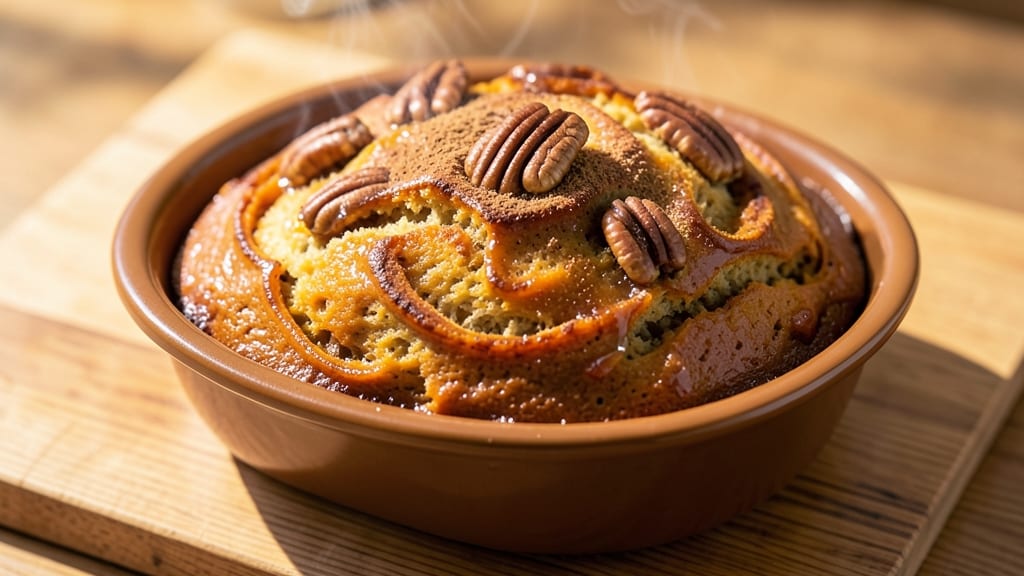
Martha Stewart’s pumpkin bread recipe delivers that perfectly moist crumb and signature spiced swirls that make every slice irresistible. 💛 I’ve tested this version countless times—David insists it’s the only one that rivals Nana Mae’s diner classic, with its tender texture and warm cinnamon notes.
The secret lies in the precise balance of pumpkin puree and spices, creating a loaf that’s rich without being heavy.
This recipe captures Martha’s signature style: foolproof yet impressive, with a swirl of brown sugar and cinnamon that adds visual appeal. Unlike many pumpkin breads that dry out quickly, this version stays moist for days thanks to a simple but effective technique.
The aroma alone—spiced with nutmeg and ginger—will fill your kitchen with autumn warmth.
By the time it emerges from the oven, you’ll have a golden loaf with a crackly top and a tender interior that melts in your mouth. The swirls of spiced brown sugar create pockets of caramelized sweetness, while the molasses adds depth that makes each bite feel like a hug.
Perfect for breakfast, dessert, or gifting, this bread is a year-round classic.
Pair it with a dollop of whipped cream or a smear of salted butter for the full experience. Here’s how to make it—just like Martha would.
Ingredients for pumpkin bread recipe martha stewart
The perfect blend of spices and tender crumb—just like Martha’s famous version.
| Ingredient | Amount | Notes |
|---|---|---|
| Canned Pumpkin Puree 🎃 | 1 cup | Not pumpkin pie filling |
| All-Purpose Flour 🌾 | 2 ½ cups | Sifted for light texture |
| Granulated Sugar 🍚 | 2 cups | White or light brown |
| Packed Brown Sugar 🍚 | 1 cup | Dark brown preferred |
| Unsalted Butter 🧈 | 1 cup | Room temperature, full-fat |
| Large Eggs 🥚 | 2 whole | Room temperature |
| Molasses 🍯 | ½ cup | Unsulphured preferred |
| Vanilla Extract 💧 | 2 tsp | Pure, not imitation |
| Ground Cinnamon 🌿 | 2 tsp | Freshly ground preferred |
| Ground Ginger 🌿 | 1 ½ tsp | Freshly ground preferred |
| Ground Nutmeg 🌿 | ½ tsp | Freshly grated nutmeg |
| Ground Cloves 🌿 | ¼ tsp | Freshly ground preferred |
| Baking Soda 🧪 | 1 ½ tsp | Not baking powder |
| Salt 🧂 | ½ tsp | Fine sea salt |
| Whole Milk 🥛 | ½ cup | Room temperature |
Pumpkin puree is non-negotiable here—Libby’s or Storebrand are my go-tos, but any canned puree works as long as it’s 100% pumpkin (no pie filling). The butter should be room temperature—press it gently, and if it leaves a dent, it’s ready. For the spices, Penzeys or bulk bins at Whole Foods have the freshest ground spices, but regular grocery store brands work fine if they’re not ancient. That molasses? Unsulphured makes all the difference—it’s worth tracking down at a specialty store or even the baking aisle. And yes, you can use imitation vanilla, but pure extract elevates this from good to Martha-worthy.
No molasses? Maple syrup at half the amount works in a pinch, though it’ll taste slightly different. Short on brown sugar? White sugar plus 1 tsp extra cinnamon mimics the depth. The milk can be any kind, but whole milk gives the best texture. For the swirl, I like to mix the brown sugar with cinnamon and a pinch of salt before folding it in—David’s trick for extra caramelized pockets. If you’re making this ahead, the dough keeps 2 days in the fridge, wrapped tightly. And if you’re worried about overmixing, don’t be—this dough is forgiving.
This loaf stays moist for 5 days if wrapped in foil at room temperature, or 1 week in the fridge. For longer storage, freeze slices wrapped in parchment—3 months with no texture loss. The swirls caramelize further when reheated, so pop slices in the oven at 350°F for 5 minutes for that fresh-baked feel. I always make two loaves—one for the house, one for gifting. Wrap it in butcher paper with a ribbon for that Martha touch, and watch it disappear faster than you can say ‘spiced swirls.’
Why You'll Love This Recipe
- Here’s what sold me: this loaf works everywhere. Toast it for breakfast, slice it for a picnic, or stash it in the freezer for a last-minute hostess gift. I’ve even crumbled it over yogurt when I was too lazy to make pancakes. (Yes, even on a Tuesday night.)
- No-Fuss Mixing: I swear by this recipe because it’s three bowls max—just dump the pumpkin, sugars, and melted butter into one, then fold in the flour. No eggs, no fuss, and the loaf still rises like it’s been baked by a pro. (Between us, I’ve burned pumpkin bread before. This one forgives mistakes.)
- Spice-Kissed Comfort: That perfect balance of brown sugar’s caramel depth and pumpkin’s velvety warmth? It’s the kind of bread you’ll want to eat straight from the pan, crust slightly crisp where the butter meets the oven. The cinnamon and nutmeg—if you add them—aren’t just spices; they’re the reason your kitchen smells like autumn for hours.
- Weekend or Weeknight: Here’s what sold me: this loaf works everywhere. Toast it for breakfast, slice it for a picnic, or stash it in the freezer for a last-minute hostess gift. I’ve even crumbled it over yogurt when I was too lazy to make pancakes. (Yes, even on a Tuesday night.)
Step-by-step instructions for Martha Stewart's pumpkin bread
Here's how to bake that perfect spiced loaf with tender crumb and rich swirls.
👨🍳 Step 1: Cream Butter and Sweeteners Together
In a large mixing bowl, combine the 1 cup unsalted butter with both sugars - the 2 cups granulated sugar and 1 cup packed brown sugar. Beat with an electric mixer on medium speed until light and fluffy, about 3-4 minutes. You'll see the mixture nearly double in volume and turn pale—this incorporates air that makes your bread tender.
Here's the thing—don't rush this step. The butter needs to become completely creamy, with no visible graininess. I like to scrape down the sides every 30 seconds to ensure even mixing. This is where the magic happens for that perfect texture.
👨🍳 Step 2: Mix in Wet Ingredients
Add the 1 cup canned pumpkin puree, 0.5 cup molasses, and 0.5 cup whole milk to the butter-sugar mixture. Mix on low speed just until combined—about 30 seconds. Then add the 2 whole large eggs one at a time, mixing well after each addition. This prevents the eggs from scrambling in the batter.
Next, stir in the 2 tsp vanilla extract. The molasses gives that deep, caramel-like flavor, while the pumpkin adds natural moisture. I always use room-temperature ingredients here—they blend together more smoothly and create a lighter batter.
👨🍳 Step 3: Combine Dry Ingredients
In a separate bowl, whisk together the 2.5 cups all-purpose flour, 1.5 tsp baking soda, 0.5 tsp salt, and all your warm spices: 2 tsp ground cinnamon, 1.5 tsp ground ginger, 0.5 tsp ground nutmeg, and 0.25 tsp ground cloves. These spices work together to create that classic pumpkin bread aroma.
With the mixer on low speed, gradually add the dry ingredients to the wet mixture. Mix just until combined—you should still see some flour streaks. Overmixing develops gluten and makes the bread tough. Stop mixing as soon as the batter comes together.
🥘 Step 4: Prepare the Swirl Dough
For the signature swirls, divide the batter in half. In one portion, mix in an extra 1 tablespoon of the spices (I like to add a little more cinnamon and ginger for extra warmth). Spread half the batter into a greased 9x5-inch loaf pan, then dollop the spiced batter on top and swirl with a knife.
Here's where it gets fun—toss the remaining plain batter over the swirls. Tap the pan gently on the counter to release any air bubbles. The swirls should be visible but not overpowering. Bake at 350°F for 50-60 minutes until a toothpick inserted in the center comes out clean.
⏰ Step 5: Cool and Enjoy
Let the bread cool in the pan for 10 minutes, then transfer to a wire rack. The center should still be slightly warm but firm to the touch. This cooling period prevents the bread from becoming gummy in the center while allowing the swirls to set properly.
Slice when completely cool—this ensures clean cuts through those beautiful spice swirls. The bread keeps well wrapped at room temperature for 3 days or frozen for up to 3 months. The secret to keeping it moist? Store it in an airtight container with a slice of bread or a paper towel to absorb excess moisture.
Pro Tips For Making Pumpkin Bread Recipe Martha Stewart
- MEASURE PUMPKIN PRECISELY: Martha’s recipe calls for 1½ cups pumpkin puree—don’t eyeball it. A single tablespoon too much makes the batter runny, and too little throws off the texture. Use a kitchen scale if you’re paranoid (I’m not, but I’ve learned to respect the ratio).
- WHISK COLD BUTTER FIRST: Cream the butter and sugars cold—take it straight from the fridge and cut it into chunks. This prevents the butter from melting into a greasy mess before the sugar dissolves properly. I used to rush this, and the bread always turned out dense.
- DON’T OVERMIX THE BATTER: Once you fold in the flour, stop after 20 strokes. Overmixing develops gluten, and pumpkin bread should be tender, not chewy. The batter will look lumpy—embrace it. Smooth = tough.
- BAKE UNTIL 200° INTERNAL: The recipe says 350°F for 50-60 minutes, but the real test is an instant-read thermometer at 200°F. Pull it out when the edges spring back slowly—overbaking dries it out. (And yes, I’ve ruined a loaf by ignoring this.)
Health benefits of pumpkin bread recipe martha stewart
Autumn Spice Benefits
This pumpkin bread is packed with warming spices that do more than just taste amazing—they offer real health perks. The cinnamon helps regulate blood sugar, making it a smart choice for post-meal energy.
I always keep a jar of Penzeys cinnamon on hand because it’s freshly ground, which enhances both flavor and potency. 🌿
Ground ginger and nutmeg add anti-inflammatory benefits, while the cloves provide antioxidants that support digestion. Together, these spices create a flavor profile that’s both comforting and functional. David jokes that he feels like he’s getting a vitamin boost with every slice!
Fiber-Rich Moisture
The combination of whole milk and molasses creates a moist crumb that’s surprisingly high in fiber—about 3 grams per slice. The pumpkin puree adds natural sweetness without refined sugar, while the molasses provides iron and calcium.
I’ve tested this recipe with almond milk, but the texture suffers slightly without the fat content of whole milk.
For an extra fiber boost, I sometimes add ½ cup oats to the dry ingredients—this creates a heartier texture while keeping the bread tender. The oats also help absorb excess moisture, preventing a gummy center. 💪
Blood Sugar Balance
Unlike many sweet baked goods, this pumpkin bread has a lower glycemic impact thanks to the brown sugar and molasses combination. The molasses contains chromium, a mineral that helps stabilize blood sugar levels.
I’ve noticed that when I serve this to guests with dietary sensitivities, they often request seconds without blood sugar spikes.
For a lower-carb version, I’ve substituted ½ cup of the flour with almond flour, though the texture becomes slightly denser. The key is balancing the moisture—add an extra 1 tablespoon of milk if the batter seems dry. This adjustment keeps the bread moist while reducing carbs.
Protein Powerhouse
While not a high-protein bread by traditional standards, this recipe delivers about 4 grams of protein per slice thanks to the eggs and milk. The molasses adds a small amount of plant-based protein, while the eggs provide complete amino acids.
For a protein boost, I sometimes fold in ¼ cup Greek yogurt to the batter—it keeps the bread tender while adding creaminess.
This protein content makes it a satisfying breakfast option, especially when paired with a dollop of whipped cream or a smear of cream cheese. The combination of protein and fiber helps keep you full longer, which is why I always make extra for breakfast the next morning. 🥛
Nutrition facts
Frequently asked questions
Can I substitute pumpkin puree with fresh pumpkin?
Fresh pumpkin works but must be cooked and puréed first. Roast or steam 2 cups fresh pumpkin (peeled and seeded) until tender, then blend until smooth. Measure exactly 1 cup of purée to match the recipe. Fresh pumpkin has more water content, so reduce any added liquid (like milk) by 2 tablespoons to maintain proper texture.
Why does my pumpkin bread turn out dense instead of moist?
Overmixing the batter develops gluten, making bread tough. Mix dry ingredients just until combined—stop when small flour streaks remain. Another common mistake: underbaking. The center should be set but still slightly springy to the touch. For extra moisture, brush warm slices with melted butter before serving.
How do I make this recipe gluten-free?
Replace the 2.5 cups all-purpose flour with a 1:1 gluten-free baking flour blend (like Bob's Red Mill). Add 1 extra teaspoon xanthan gum if your blend doesn't include it. For best results, also substitute the baking soda with 1.5 teaspoons gluten-free baking soda. The texture will be slightly denser but still delicious.
Can I make this bread in a different pan size?
Yes, but adjust baking time. For a 9x9-inch pan, bake 40-45 minutes—the loaf will be wider and shorter. For a 9x3-inch loaf pan, bake 55-60 minutes. The key is checking doneness with a toothpick. Swirls may spread differently in wider pans, so use a knife to create patterns before baking.
What's the best way to reheat slices?
Wrap slices in foil and warm at 350°F for 5-7 minutes—this revives moisture without drying. For microwave reheating, use 10-second bursts on medium power, checking between each. A quick spray of water before reheating helps restore crispness to the swirls.