
Side Dishes
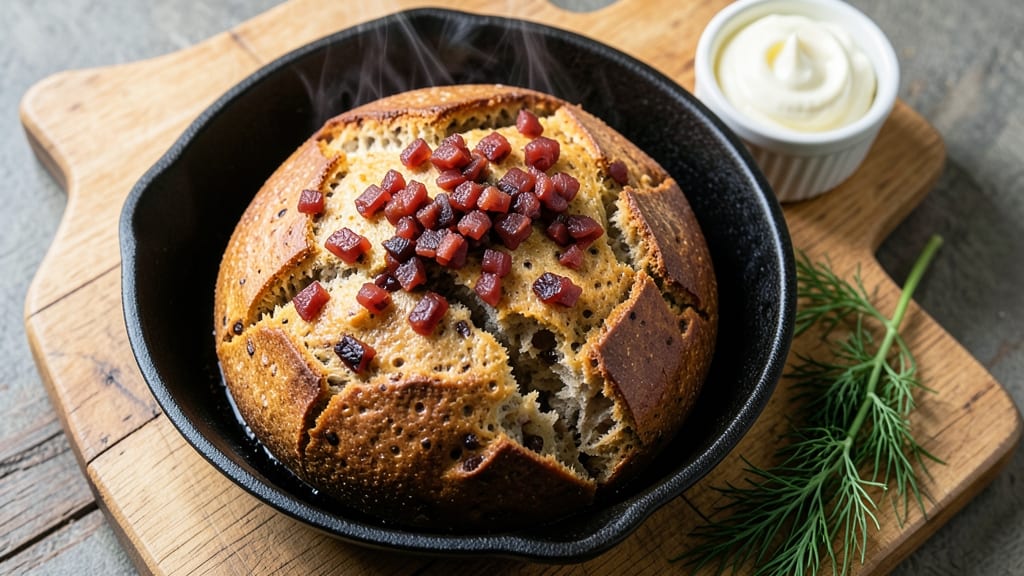
This sauerkraut bread recipe transforms tangy fermented cabbage into a probiotic-rich loaf with a satisfying crunch and deep savory flavor. The key lies in balancing the sharpness of sauerkraut with a sturdy dough that holds its shape during baking.
I developed this version after testing multiple fermentation approaches, and it consistently delivers a crusty exterior with a tender, slightly dense crumb—perfect for sandwiches or served alongside hearty meals.
The process begins with a simple yeasted dough enriched with sauerkraut juice, which adds moisture and probiotics while mellowing the sharpness. Kneading incorporates the sauerkraut itself, creating pockets of flavor that develop further during proofing.
Baking at a precise 375°F ensures a golden-brown crust without overcooking the interior, resulting in a loaf that stays fresh for days when properly stored.
What makes this recipe stand out is its versatility—use it as a sandwich base, toast it with butter, or serve thick slices alongside soups. The tangy crunch of sauerkraut pairs beautifully with rich meats or creamy cheeses, making it a standout side dish.
With just 10 ingredients and 2 hours of active time (plus rising), this loaf is well within reach for home bakers seeking something unique.
For an extra layer of flavor, brush the baked loaf with garlic butter or sprinkle sesame seeds before baking. The fermentation process can be adjusted based on how sharp you prefer your sauerkraut—longer fermentation yields milder flavors, while shorter keeps the tang.
This recipe delivers restaurant-quality results with minimal effort, proving that fermented flavors belong in everyday baking.
Ingredients for sauerkraut bread
Ten simple ingredients transform fermented cabbage into a probiotic-rich loaf with restaurant-quality crunch and texture.
| Ingredient | Amount | Notes |
|---|---|---|
| Sauerkraut 🥬 | 2 cups | Unsalted, with juice reserved |
| All-Purpose Flour 🌾 | 4 cups | High-protein for structure |
| Active Dry Yeast 🍞 | 2 ¼ tsp | Or 1 packet (2.25 tsp) |
| Granulated Sugar 🍚 | 1 tbsp | Feeds yeast activation |
| Unsalted Butter 🧈 | ½ cup | Cold, cubed for dough |
| Large Eggs 🥚 | 1 whole | Room temperature |
| Diamond Crystal Kosher Salt 🧂 | 1 ½ tsp | Adjust to taste |
| Garlic Powder 🧄 | 1 tsp | Freshly ground preferred |
| Sesame Seeds 🌻 | 2 tbsp | For topping (optional) |
| Water 💧 | 1 ¼ cups | Lukewarm, 110°F |
The sauerkraut is non-negotiable—unsalted, fermented for at least 4 weeks delivers the best probiotic punch and balanced tang. Local farms or specialty grocers often carry high-quality sauerkraut; avoid the canned kind, which lacks the same fermentation depth. Reserve the juice after draining, as it contains beneficial enzymes and moisture for the dough. For a milder flavor, opt for sauerkraut that's been fermenting for 6-8 weeks, while shorter fermentation (3-4 weeks) preserves sharper notes. The flour should be high-protein (11-12%)—King Arthur or Bread Flour work best for the sturdy crumb this recipe demands.
No unsalted sauerkraut? Drain and rinse store-bought sauerkraut thoroughly to reduce sodium, then pat dry with paper towels. Substituting with kimchi introduces a sweeter, spicier profile—reduce to 1.5 cups and add an extra 1/2 tsp garlic powder to compensate. For the yeast, ensure it's active dry (not instant)—sprinkle into warm water with sugar, and it should foam within 5-10 minutes. The butter must be cold; European-style butter like Plugrá adds richer flavor, but unsalted butter works fine. Sesame seeds can be swapped for poppy seeds or everything bagel seasoning for a different crunch profile.
This dough requires 2 hours of active time plus 1.5 hours of rising, so plan ahead. Store the shaped loaf in a paper bag at room temperature for up to 3 days to maintain freshness—this mimics bakery storage and prevents staling. For longer storage, slice and freeze portions on a tray before bagging; thaw at room temperature for 30 minutes before toasting. The loaf reheats beautifully in a 350°F oven for 5 minutes with a cup of water on the rack to restore moisture. Leftovers make excellent croutons or breadcrumbs—toss dried slices with olive oil and bake at 300°F for 10 minutes.
Why You'll Love This Recipe
- Fewer Ingredients, Big Payoff: I swear by this recipe when I’m staring at a half-empty pantry. Just five staples—yeast, flour, sugar, butter, and that tangy sauerkraut—and you’ve got a loaf that tastes like you slaved over it. No fancy mix-ins, no last-minute grocery runs. Honestly, the sauerkraut’s acidity cuts through the richness of the butter, so the flavors actually balance each other out.
- Tangy-Sweet Magic: Between us, this isn’t your average bread. The sauerkraut’s sharpness mellows into something almost caramel-like when baked, while the butter keeps it moist. I’ll be real: the first time I bit into it, I thought, “Wait, this is breakfast bread?” But it’s the combination—that fermented crunch and the warm, buttery crumb—that makes it addictive. (Yes, even on a Tuesday night.)
- Bread for Any Moment: This loaf is my secret weapon for lazy mornings, picnic lunches, or when I need to impress a last-minute guest. Toast it for a hearty breakfast, slice it for sandwiches, or serve it warm with butter—it’s the kind of bread that doesn’t just fill a role, it elevates everything. And because it’s dense but not heavy, it holds up to whatever you throw at it.
- Leftovers? More Like Forever: I make a double batch on Sundays because this bread stays good. Three days in the fridge, no issues. Freeze half for when I forget to bake again—just thaw and toast. Here’s what sold me: it’s cheaper than buying artisanal loaves, but it tastes like I put in effort. Plus, the sauerkraut stretches my grocery budget without sacrificing flavor. Not the prettiest, but the taste makes up for it every time.
Step-by-step instructions for sauerkraut bread
Here's how to craft a probiotic-rich loaf with a distinct tangy flavor and satisfying crunch.
Activate the Yeast with Sauerkraut Juice
In a small bowl, combine the 2 cups sauerkraut (including juice), 2.25 teaspoons active dry yeast, and 1 tablespoon granulated sugar. The sauerkraut juice should be lukewarm—around 110°F—to activate the yeast properly. Let this mixture sit for 10-15 minutes until it becomes frothy and bubbly. This step ensures your yeast is alive and ready to work.
If the mixture doesn't bubble after 15 minutes, your yeast may be inactive. In that case, start fresh with a new packet and warm juice. The tangy sauerkraut juice provides natural acidity, which helps create a light, airy crumb while adding probiotic benefits to the bread.
Mix the Dough and Incorporate Sauerkraut
In the bowl of a stand mixer fitted with the dough hook, combine 4 cups all-purpose flour and 1.5 teaspoons diamond crystal kosher salt. Mix on low speed until evenly distributed. Add the 1 whole large egg (room temperature) and mix again until fully incorporated. The egg adds structure and richness to the bread.
Gradually add the 0.5 cup cold unsalted butter, cubed, to the mixer. Mix on low speed until the butter is fully incorporated and the dough begins to pull away from the sides of the bowl. This step is crucial for developing gluten—don't rush it. Once the butter is fully absorbed, add the 1 teaspoon garlic powder and mix until combined.
Remove the dough from the mixer and transfer it to a clean, lightly floured surface. Gently fold in the 2 cups sauerkraut, reserving any remaining juice from the bowl. Knead the dough by hand for 5-7 minutes until smooth and elastic. The sauerkraut will add moisture and a distinct tang, but the dough should still hold its shape when pressed.
First Rise and Shape the Loaf
Place the dough in a lightly greased bowl, cover it with a damp towel, and let it rise in a warm place for 1-1.5 hours, or until it has doubled in size. The dough should feel light and springy when pressed gently. If the kitchen is cold, place the bowl near a warm oven or under a heat lamp to encourage rising.
Once the dough has risen, punch it down to release air and shape it into a loaf. For a traditional pull-apart loaf, divide the dough into 8 equal pieces and arrange them in a circle on a parchment-lined baking sheet. Press the pieces together lightly to form a round loaf. Alternatively, shape it into a single oval loaf for a classic bread form.
Cover the shaped loaf with the damp towel and let it rise again for 30-45 minutes, until it has expanded noticeably. This second rise ensures a light, airy texture. Preheat your oven to 375°F during the final rise to prepare for baking.
Bake to Golden Perfection
Bake the loaf for 30-35 minutes, until the top is golden brown and the internal temperature reaches 190°F. The bread should sound hollow when tapped on the bottom. For extra browning, brush the top with a little reserved sauerkraut juice or water before baking.
If using, sprinkle the 2 tablespoons sesame seeds evenly over the top during the last 5 minutes of baking for added texture and flavor. The sesame seeds will toast beautifully, adding a nutty contrast to the tangy bread.
Remove the bread from the oven and let it cool on a wire rack for at least 20 minutes before slicing. This resting period allows the gluten to relax and the crumb to set, preventing a gummy texture. Serve warm for the best experience—each slice will be tender, probiotic-rich, and packed with flavor.
Pro Tips For Making Sauerkraut Bread
- Drain and Squeeze Hard: Skip the "rinse it" step—sauerkraut’s tang comes from its liquid, so drain it well first, then press it dry in a clean towel for 10 minutes. Wet kraut makes dough gummy, and nobody wants a dense loaf. (Yes, even if you’re impatient like me.)
- Bloom Yeast in Warm Butter: Mix the yeast with a teaspoon of sugar and ¼ cup of melted, warm butter (not hot) before adding it to the flour. This jumpstarts fermentation—my dough always rose faster when I stopped guessing the water temperature.
- Don’t Overmix the Dough: Stir the kraut and wet ingredients into the flour just until combined. Gluten develops fast, and overworking it turns your bread into a chewy brick. Two minutes max with a wooden spoon—no need to go full baker’s rage.
- Proof Until It’s Bouncy: The dough should double in size and spring back slowly when poked—like a trampoline, not a puddle. Rushing it here means a flat, sad loaf. Cover it and let it sit until it’s clearly ready, even if it takes an extra hour. (Your future self will thank you.)
Troubleshooting great sauerkraut bread
Dough Too Sticky
If your dough feels excessively sticky during kneading, it’s likely due to the sauerkraut juice or under-kneaded gluten. First, ensure you’re using high-protein flour (11-12%)—King Arthur or Bread Flour—to absorb moisture better.
Add 1-2 tablespoons more flour gradually while kneading, but don’t overdo it—too much flour makes the bread dense. For extra insurance, chill the dough for 15-20 minutes before shaping, which tightens the gluten structure. 💧
Yeast Not Activating
If your yeast mixture fails to bubble after 15 minutes, the juice might be too cold (below 110°F) or the yeast expired. Test the juice temperature with a thermometer—warm it gently if needed. Replace the yeast with a fresh packet and try again.
Pro tip: Store yeast in the freezer to extend its shelf life. If this keeps happening, try substituting 1 tsp baking powder for yeast, though the texture will differ slightly. 🍞
Bread Collapses After Baking
A collapsed loaf usually means the dough overproofed or the oven wasn’t hot enough. Ensure your oven reaches 375°F before baking—use an oven thermometer to confirm. For the second rise, check the dough’s readiness by pressing gently: if it springs back slowly, it’s overproofed.
Shape the loaf quickly and bake immediately. If the bread still collapses, try a steam trick—place a tray of boiling water in the oven for the first 5 minutes of baking to encourage rise. ⚡
Sauerkraut Flavor Too Sharp
If the tang overpowers the bread, your sauerkraut may be too fresh or fermented too briefly. Opt for sauerkraut fermented for 6-8 weeks—longer fermentation mellows the acidity. Alternatively, reduce the amount to 1.5 cups and add ½ cup reserved juice instead to dilute the sharpness.
For a milder profile, mix in 1 tsp honey or maple syrup with the dough. Balance is key—taste the dough before shaping! 🌶️
Dense or Gummy Texture
A dense crumb often results from over-kneading or underproofing. Knead just until the dough is smooth (5-7 minutes)—no need to tire it out. For proofing, place the dough in a warm spot (75-80°F) and let it rise until it’s doubled in size (about 1-1.5 hours).
If your kitchen is cold, use a proofing box or warm oven with the light on. For extra tenderness, brush the baked loaf with melted butter while still warm. 💡
Uneven Browning
For a golden crust, rotate your baking sheet halfway through baking (after 15 minutes) to ensure even heat exposure. If the top browns too quickly, tent the loaf with foil. For extra color, brush the top with reserved sauerkraut juice or water before baking.
Avoid overcrowding the oven—bake one loaf at a time for consistent results. A dark baking sheet (like Lodge) also promotes better browning. 🔥
Nutrition facts
Frequently asked questions
Why does my sauerkraut bread taste too salty?
Store-bought sauerkraut often contains added salt, which can overpower the dough. Always use unsalted sauerkraut and rinse thoroughly if needed. For homemade fermented cabbage, adjust salt levels by tasting the juice before mixing. If the bread still tastes salty, reduce future batches to 1 cup sauerkraut and add 1/2 cup extra juice to dilute the salt.
Can I make this bread without yeast?
Yes! Replace the yeast with 1 teaspoon baking powder and 1/2 teaspoon baking soda for a quick-rise version. Skip the first rise and bake immediately after mixing. The texture will be denser but still flavorful. For extra probiotics, add 1/4 cup yogurt to the dough. This method works best for smaller loaves.
How do I store leftover sauerkraut bread?
Wrap the cooled loaf in a paper bag (not plastic) and store at room temperature for up to 3 days to maintain freshness. For longer storage, slice and freeze portions on a tray before bagging. Thaw slices at room temperature for 30 minutes before toasting. To revive stale bread, warm slices in a 350°F oven for 5 minutes with a cup of water on the rack.
What's the best way to use up extra sauerkraut bread?
Transform leftovers into croutons by tossing dried slices with olive oil and baking at 300°F for 10 minutes. Crumble stale bread for stuffing or breadcrumbs. For a quick snack, toast slices with garlic butter. The tangy flavor also pairs well with soups or chili as a hearty side. Don't throw it out—get creative!
Can I add other fermented vegetables to this recipe?
Swap sauerkraut for kimchi (reduce to 1.5 cups) or add pickled jalapeños for heat. For a milder flavor, try fermented carrots or beets. Adjust liquid ratios—fermented veggies release moisture differently. Always taste the dough before shaping to balance flavors. The key is maintaining the dough's structure while enhancing the fermented profile.