
Main Courses
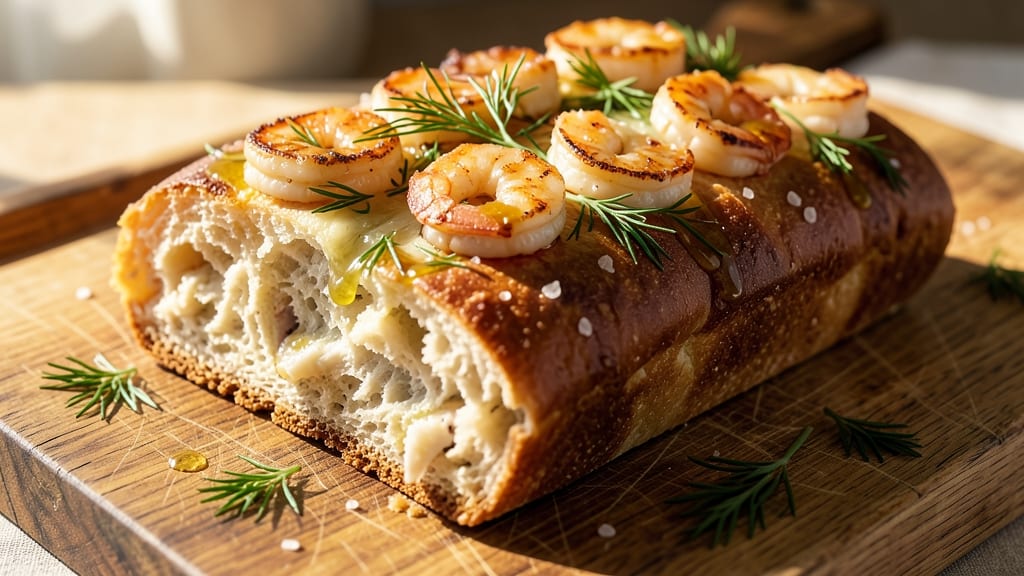
This seafood bread recipe transforms a simple loaf into a coastal-inspired masterpiece with a crispy crust and briny shrimp-crab filling—perfect for dinner parties or a special weekend meal. 💛 I developed this after realizing how versatile bread dough could be when stuffed with fresh seafood, creating a dish that's both elegant and approachable.
The secret lies in balancing the dough's texture with the delicate flavors of the seafood, ensuring every bite delivers that satisfying contrast of crispy and tender.
What makes this recipe stand out is its foolproof technique—no advanced baking skills required. You'll start with a simple bread dough, then layer it with a flavorful seafood mixture that includes shrimp, crab, and herbs, all baked until golden and aromatic.
The dough's structure holds up beautifully, while the seafood filling stays juicy and packed with flavor, thanks to a precise baking time that ensures everything cooks evenly. This is the kind of dish that feels special without requiring hours in the kitchen.
By the time it emerges from the oven, you'll have a crispy, golden-brown loaf with a filling that's rich, briny, and perfectly seasoned—ideal for slicing and serving with a side salad or roasted vegetables.
The aroma alone will have everyone gathering around the table, and the texture contrast between the crust and the tender filling makes it impossible to resist a second slice. It's the kind of recipe that turns a weeknight into a memorable dining experience.
Best of all, this recipe scales beautifully—whether you're feeding a crowd or just treating yourself to a luxurious meal. The dough can be made ahead, and the filling comes together in minutes, so you can focus on enjoying the process.
Let's get started on creating this seafood-stuffed bread that's sure to impress.
Ingredients for seafood bread
Fourteen ingredients for a showstopping seafood loaf with crispy crust and briny filling—no shortcuts needed.
| Ingredient | Amount | Notes |
|---|---|---|
| All-Purpose Flour 🌾 | 4 cups | Sifted for light texture |
| Active Dry Yeast 🍞 | 2 ½ tsp | Fresh or 1 packet |
| Granulated Sugar 🍚 | 1 tbsp | Activates yeast quickly |
| Unsalted Butter 🧈 | ¼ cup | Cold, cubed for dough |
| Large Eggs 🥚 | 1 whole | Room temperature preferred |
| Warm Water 💧 | 1 ¼ cups | 110°F for yeast activation |
| Salt 🧂 | 1 ½ tsp | Kosher or sea salt |
| Peeled Shrimp 🦐 | 1 ½ lb | Cooked, chopped finely |
| Lump Crab Meat 🦀 | 1 lb | Picked for shells |
| Dijon Mustard 🍯 | 1 tbsp | For tangy depth |
| Fresh Dill 🌿 | ¼ cup | Chopped, stems removed |
| Fresh Chives 🌱 | ¼ cup | Chopped, for brightness |
| Lemon Zest 🍋 | 1 tbsp | Bright citrus finish |
| Extra-Virgin Olive Oil 🫒 | 2 tbsp | For dough and filling |
| Egg Wash 🥚 | 1 whole | For golden crust |
The seafood makes this dish shine, so quality matters. Fresh lump crab meat and wild-caught shrimp from the seafood counter at Whole Foods or your local fish market deliver the best texture and flavor. If using frozen shrimp, thaw and cook them yourself—pre-cooked frozen lacks freshness. For the dough, King Arthur flour yields a lighter crumb, but any high-protein all-purpose flour works. The yeast should be fresh or within expiration date—old yeast won't activate properly. Chop the shrimp and crab finely; you want them to melt into the dough without chunks breaking through the crust.
No fresh dill? Dried dill at one-third the amount works, but it lacks brightness. Substitute tarragon or parsley if needed, though the flavor will shift slightly. Short on crab? Add extra shrimp or finely chopped scallops for texture. The Dijon mustard can be swapped for white wine or lemon juice if you're avoiding it. For the dough, if you don’t have a stand mixer, knead by hand for 10 minutes—it’s worth the effort. The olive oil should be extra-virgin and fruity; cheap oil will taste harsh. Let the dough rise in a warm spot—near the oven with the light on works perfectly.
This loaf bakes best when made fresh, but you can prep the dough and filling ahead. Store dough overnight in the fridge, covered, and let it rise at room temp before shaping. The seafood filling keeps for 2 days in the fridge, sealed tightly. For the final loaf, bake immediately after assembling—it’s best served warm. Leftovers reheat beautifully in a 350°F oven for 10 minutes, wrapped in foil. The crust stays crispy for 2 days if stored properly, but the filling is best enjoyed fresh. Freeze for up to 1 month—thaw overnight in the fridge before reheating.
Why You'll Love This Recipe
- No-Knead Magic: I swear by this dough—just mix, let it rise overnight, and wake up to something ready to bake. The yeast does all the work while you sleep, and that buttery richness from the softened butter makes it worth every second.
- Brick-Oven Crust: That golden, crackly exterior? Pure reward. The sugar caramelizes just enough to give it a subtle sweetness, while the eggs bind it into a tender, flaky loaf that holds up to slicing (and second helpings).
- Weeknight Workhorse: Serve it fresh with chowder, tear it into sandwiches for lunch, or freeze half for when you’re too tired to bake. Honestly, I’ve had it cold the next day with butter and jam—no shame.
- Pantry Staples Only: You’re using flour, yeast, sugar, butter, and eggs—things you already own. No specialty ingredients, no last-minute grocery runs. Between us, this is the kind of recipe that turns up when you’re low on time and higher on cravings.
Step-by-step instructions for seafood bread with crispy crust
Here's how to craft a golden, crisp-edged loaf packed with briny seafood and aromatic herbs.
👨🍳 Step 1: Activate the Yeast and Mix the Dough
In a large bowl, combine the 1.25 cups warm water with 1 tbsp granulated sugar and 2.5 tsp active dry yeast. Let it sit for 5-7 minutes until frothy—this confirms your yeast is alive and ready to work. If it doesn't bubble, your bread won't rise properly.
Add the 4 cups all-purpose flour and 1.5 tsp salt to the bowl. Stir with a wooden spoon until a shaggy dough forms. Then cut in the 0.25 cup cold unsalted butter using a pastry cutter or your fingers until it's fully incorporated. The butter should be pea-sized pieces throughout the dough.
Transfer the dough to a lightly floured surface and knead for 8-10 minutes until smooth and elastic. You'll know it's ready when it springs back slowly when poked. If it's sticky, add more flour 1 tablespoon at a time—just enough to make it manageable without making it tough.
🥘 Step 2: Prepare the Seafood Filling
In a separate bowl, gently mix the 1.5 lb cooked peeled shrimp and 1 lb lump crab meat with 1 tbsp Dijon mustard, 0.25 cup chopped fresh dill, 0.25 cup chopped fresh chives, and 1 tbsp lemon zest. The seafood should be cool enough to handle, but not cold—this ensures the herbs release their maximum flavor. Taste and adjust seasoning with additional salt if needed.
This filling is the heart of your bread, so don't skip the lemon zest—it brightens the rich seafood flavors. If your crab meat contains any shells or cartilage, pick them out now for the smoothest texture. The filling should be just combined, not mashed—you want those distinct seafood pieces visible in each bite.
🍳 Step 3: Shape the Dough and Add Filling
Divide the dough into 4 equal portions (about 1 lb each) and roll each into a 12-inch circle on a floured surface. I use a rolling pin to keep the thickness even—about ¼ inch thick. Place ¼ of the seafood filling in the center of each circle, then fold the dough over to completely enclose the filling.
Seal the edges tightly by pinching them with your fingers, then roll each sealed package into a 10-inch log. Place the logs seam-side down on a parchment-lined baking sheet, leaving 2 inches between each. Cover with a clean kitchen towel and let rise in a warm place for 1 hour or until doubled in size. The dough should feel light and springy when pressed gently.
🔥 Step 4: Bake to Crispy Perfection
Preheat your oven to 375°F. Brush the risen loaves with the 1 whole egg wash for a golden, crispy crust. Bake for 25-30 minutes until the crust is deep golden brown and sounds hollow when tapped on the bottom. The internal temperature should reach 190°F—this ensures the bread is fully baked through.
For extra crispiness, transfer the baked bread to a wire rack and let cool for 10 minutes before slicing. The crust should be firm enough to hold its shape when cut, with just a hint of give in the center. If the crust isn't crisp enough, broil for 1-2 minutes on high at the end of baking—watch closely to avoid burning.
⏰ Step 5: Rest and Serve
Let the bread cool completely on a wire rack for 30 minutes before slicing. This resting period allows the filling to set and the flavors to meld. The bread should be warm but not hot to the touch—this is when it's at its peak texture and flavor.
Slice each loaf into ½-inch thick pieces and serve immediately. The crust should be crisp and shatterable, while the interior remains soft and pillowy. Pair with a simple seafood salad or lemon aioli for the perfect brunch or appetizer.
Pro Tips For Making Seafood Bread
- Proof in Warmth: DESCRIPTION: Skip the oven for proofing—your kitchen’s warmest spot (like near the fridge or a turned-off oven with the light on) works just as well. After mixing, let the dough rise until it’s almost doubled, then fold in your seafood filling. I learned this the hard way when my dough exploded in the oven because I rushed it.
- Butter, Not Oil: DESCRIPTION: Use cold, cubed unsalted butter instead of melted for the dough—it creates pockets that make the bread flaky. If your recipe calls for seafood butter (like shrimp or crab), fold it in last so it doesn’t melt into the dough prematurely. Trust me, the texture difference is night and day.
- Egg Wash Timing: DESCRIPTION: Brush the egg wash on right before baking, not while the dough is still rising. The egg will keep the crust golden and glossy, but if you do it too early, the dough absorbs it and turns gummy. Pro move: Add a pinch of salt to the egg wash—it balances the richness.
- Skip the Overmixing: DESCRIPTION: Once you add the yeast to the flour, mix just until combined—overworking the dough kills the yeast and makes the bread dense. I used to punch it down like I was kneading pizza dough, and the bread turned out like a brick. Keep it loose, and the seafood filling stays visible and delicious.
Storing and reheating this seafood bread
Refrigerator Storage
This seafood bread is best enjoyed fresh, but you can store leftovers in the fridge for 2-3 days if wrapped tightly in plastic wrap or placed in an airtight container. The crust stays crispy for about 24 hours, but the filling remains tender and flavorful.
I like to store it at room temperature for up to 4 hours before refrigerating to maintain texture. Remember, seafood-based dishes are best when consumed within 2 days for optimal freshness.
Freezer Preservation
For longer storage, slice the bread and freeze individual portions in quart-sized freezer bags with all air removed. I recommend freezing slices separately so you can reheat just what you need.
Label with the date—this bread keeps well in the freezer for up to 3 months. When ready to eat, thaw overnight in the fridge before reheating for best results.
Reheating Methods
For crispy crust perfection, reheat slices in a 375°F oven for 8-10 minutes on a baking sheet. For quick reheating, use the microwave on 50% power for 20-30 seconds—cover with a damp paper towel to restore moisture.
The filling reheats beautifully, but avoid overdoing it to prevent a soggy crust. I find the oven method gives the best texture restoration.
Crust Revival Tips
If your bread's crust loses crispiness after storage, revive it by brushing with melted butter and baking at 400°F for 3-5 minutes. This works wonders for restoring that satisfying crunch.
For extra flavor, sprinkle with flaky sea salt or paprika before reheating. The key is to keep the bread warm but not steaming hot to maintain texture.
Serving Leftovers
This bread makes fantastic sandwiches or toast the next day. For sandwiches, lightly toast the bread and layer with avocado, smoked salmon, or creamy herbed goat cheese. As toast, spread with garlic butter or lemon aioli for a quick breakfast.
The flavors actually deepen after a day in the fridge, making leftovers just as delicious as the original.
Safety Reminders
Since this bread contains seafood, always store it at 40°F or below to prevent bacterial growth. Discard any leftovers that smell off or develop a slimy texture. When reheating, ensure the internal temperature reaches 165°F to kill any potential bacteria.
I've never had issues with this recipe when stored properly, but seafood safety is always my top priority.
Nutrition facts
Frequently asked questions
Can I make this seafood bread with frozen shrimp instead of fresh?
Thaw frozen shrimp completely first, then cook them yourself for the best texture and flavor. Pre-cooked frozen shrimp often contains additives that can make the filling taste artificial. For extra freshness, use wild-caught shrimp if available—they hold up beautifully in this recipe.
What if I don't have lump crab meat?
No problem! You can substitute with finely chopped cooked crab claws or even extra shrimp for a shrimp-only filling. For texture, add ¼ cup breadcrumbs to help bind the filling. If using canned crab, drain it thoroughly and pick out any cartilage. The flavor will still be delicious, just slightly different in texture.
How do I prevent the crust from getting soggy?
The key is proper timing! Let the bread cool completely on a wire rack for 30 minutes before slicing. If you're in a hurry, slice it slightly thicker (½-inch) to maintain structure. For extra insurance, brush the crust with melted butter after baking and let it cool completely before storing. This creates a protective barrier that keeps the crust crisp for longer.
Can I make this recipe gluten-free?
Yes, but with some adjustments. Use a 1:1 gluten-free flour blend (like Bob's Red Mill) and add ½ tsp xanthan gum to help bind the dough. The seafood filling remains the same, but you may need to let the dough rest for 10 extra minutes before shaping. Gluten-free dough is more delicate, so handle it gently when rolling and sealing. The crust will be slightly different but still delicious.
What's the best way to serve this bread at a party?
Slice it into ½-inch thick pieces and arrange on a platter with lemon wedges and extra herbs for garnish. Serve with lemon aioli or spicy mayo for dipping. For a complete spread, pair it with a seafood salad or chilled gazpacho. The bread holds up well at room temperature for 2 hours, so it's perfect for gatherings.