
Side Dishes
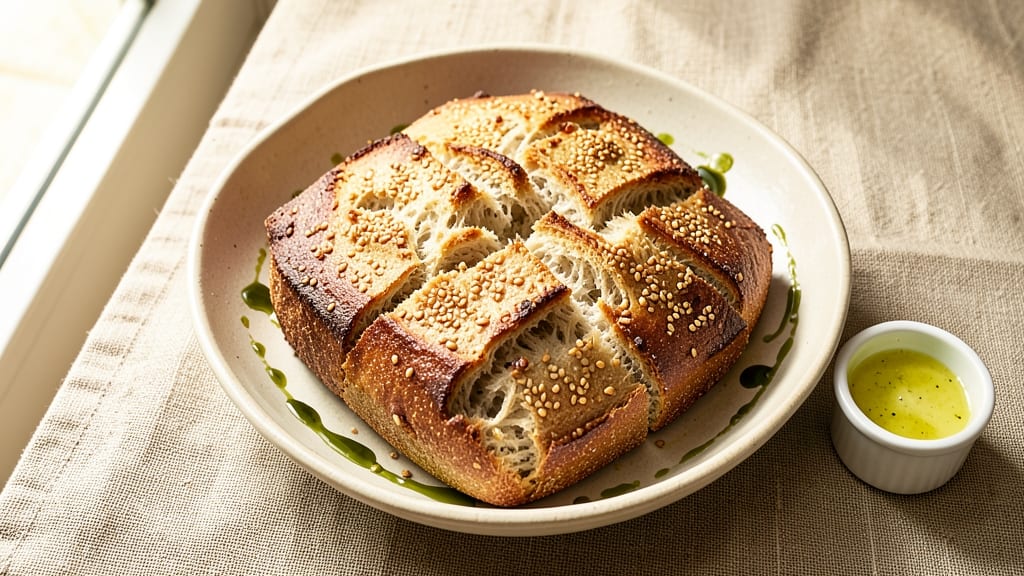
This semolina bread recipe delivers the perfect balance of crispy crust and chewy interior that makes every slice irresistible. Standing on a step stool in my grandmother’s kitchen in Sicily, I first learned how semolina’s unique texture transforms ordinary bread into something extraordinary.
The key lies in the slow fermentation and precise baking technique that creates that signature contrast.
The beauty of this recipe is its simplicity—just a few ingredients like high-quality semolina, warm water, and a touch of olive oil work together to create a loaf that’s both rustic and refined.
Unlike traditional bread, semolina’s coarse texture gives the crust a satisfying crunch while keeping the inside tender and moist. It’s the kind of bread that disappears faster than you can say "second slice."
By the time you pull it from the oven, you’ll have golden-brown crust with those coveted air pockets and a crumb that’s soft yet sturdy enough to hold up to any spread.
Whether you’re serving it with olive oil and balsamic or using it for sandwiches, this bread elevates every meal. The best part? It’s foolproof once you master the kneading and proofing steps.
Ready in about 2 hours from start to finish, this recipe is perfect for weekend baking or meal prep. You’ll want to make it again and again—trust me, I do. Let’s get started on creating your own loaf of Italian-inspired perfection.
Ingredients for semolina bread
Just eight ingredients transform your kitchen into a Sicilian bakery.
| Ingredient | Amount | Notes |
|---|---|---|
| Semolina Flour 🌾 | 3 cups | High-quality, coarse grind preferred |
| All-Purpose Flour 🌾 | 1 cup | For structure and elasticity |
| Active Dry Yeast 🍞 | ¼ oz | Or 2.5 grams, fresh if possible |
| Granulated Sugar 🍚 | ¼ cup | Feeds yeast for fermentation |
| Warm Water 💧 | 1 ½ cups | 110°F (43°C) ideal temperature |
| Extra-Virgin Olive Oil 🫒 | ¼ cup | High quality for richness |
| Salt 🧂 | 1 ½ tsp | Kosher or sea salt preferred |
| Cornmeal 🌽 | ¼ cup | For dusting bread pan |
Semolina is the star here—Barilla or Pillsbury are my go-tos, but any high-quality coarse grind works. The yeast? Fresh from the bakery section if you can find it, or active dry from a trusted brand like Saf-Instant. Warm water is key: it should feel like bathwater, not scalding. Too hot and you kill the yeast; too cold and it won't activate. I always double-check the temperature with my thermometer. The olive oil? No shortcuts here—skip the 'light' or 'pure' oils. You want that fruity, robust flavor that makes every bite sing.
No semolina? Substitute half with all-purpose flour, but you'll lose that signature crunch. Running out of yeast? Baking powder at 1 tsp can help with rise, though texture will differ. The sugar can be swapped for honey (same amount), but it might slow fermentation slightly. Cornmeal is optional for dusting, but I swear by it—it prevents sticking and adds that rustic touch. For the flour, King Arthur or Bob's Red Mill are my pantry staples. If you're gluten-sensitive, this bread won't be your friend—semolina is naturally gluten-heavy, which is what gives it that chewy interior.
This dough is a patient one—let it rise overnight if your schedule allows. It keeps beautifully in an airtight container for 3 days at room temperature, or 1 week in the fridge. For longer storage, freeze the baked loaf wrapped in plastic for up to 3 months. I like to slice it fresh from the oven and freeze those slices for quick toast later. The crust stays crisp for about 2 days if you store it in a bread bag, but honestly? It's gone by then. Worth every bite.
Why You'll Love This Recipe
- No-Knead Magic: I swear by this dough—just mix, let it rise, and bake. No stand mixer, no overworking, just a bowl and patience. The semolina gives it that sturdy, almost rustic texture without the fuss of kneading.
- Toasty Crunch: That first bite? Crispy exterior with a soft, airy crumb—thanks to the semolina and a quick bake. It’s not just bread; it’s the kind that makes you reach for seconds without thinking.
- Leftovers That Last: This bread stays fresh for days, and even better? It toasts like a dream. I make a double batch on Sundays—perfect for sandwiches, dipping in soup, or just snacking straight from the bag.
- Pantry Staple Power: Semolina and flour are cheap, yeast is cheap, sugar is cheap—this is budget baking at its finest. Honestly, I’ve made it for dinner guests, potlucks, and lazy weeknights, and it never lets me down.
Step-by-step instructions for semolina bread
Here's how to create that perfect balance of crispy crust and chewy interior—every time.
Activate the Yeast for Maximum Rise
In a small bowl, combine the 1.5 cups warm water (around 110°F) with the 0.25 cup granulated sugar and 0.25 oz active dry yeast. Stir gently and let sit for 5-10 minutes until foamy. You'll see tiny bubbles forming—this confirms your yeast is alive and ready to work.
If the mixture doesn't bubble after 10 minutes, your yeast might be dead. Start fresh with a new packet. This initial activation ensures your bread rises properly later. Once foamy, proceed immediately to avoid overproofing.
Mix the Dough for Perfect Texture
In a large bowl, whisk together the 3 cups semolina flour, 1 cup all-purpose flour, and 1.5 tsp salt. Create a well in the center and pour in the yeast mixture along with the 0.25 cup extra-virgin olive oil. Mix with a wooden spoon until a shaggy dough forms.
Knead the dough on a lightly floured surface for 8-10 minutes until smooth and elastic. You're looking for a dough that springs back when poked. The semolina flour gives that signature chewy texture, while the all-purpose flour provides structure. Don't skip this kneading—it develops gluten for that perfect crumb.
First Rise for Light, Airy Bread
Place the dough in a lightly oiled bowl, cover with a damp towel, and let rise in a warm place for 1-2 hours or until doubled in size. The dough should feel light and springy when pressed gently. Here's the thing—semolina dough rises slower than regular bread dough, so patience pays off.
I like to place my bowl on top of my oven with the light on (not preheated) for consistent warmth. If your kitchen is cold, this helps speed up the process. Once doubled, punch down the dough to release air bubbles before shaping.
Shape and Second Rise for Crusty Perfection
Shape the dough into a round loaf or your preferred form. Place it on a baking sheet dusted with 0.25 cup cornmeal—this prevents sticking and adds to that beautiful crust. Cover again and let rise for another 30-45 minutes until puffy.
The cornmeal creates a golden, crispy crust while keeping the interior tender. For extra crunch, you can also brush the top with a bit of water before baking. This step is where all the magic comes together—proper shaping ensures even baking and that perfect texture contrast.
Bake to Golden, Crispy Greatness
Preheat your oven to 375°F with a baking stone or inverted baking sheet inside. Bake the bread for 25-30 minutes until the crust is deep golden brown and sounds hollow when tapped on the bottom. The interior should read 190-200°F on an instant-read thermometer.
Here's the moment that matters: the first 5 minutes are critical. The high heat creates that beautiful crust while keeping the interior moist. Let the bread cool on a wire rack for 15 minutes before slicing—this prevents a gummy texture. The contrast between the crispy exterior and chewy interior is what makes this bread truly special.
Pro Tips For Making Semolina Bread
- Bloom the Yeast First: Skip dissolving yeast in water and watch it foam in your bowl—this guarantees it’s alive and active. I learned this the hard way after baking a dense brick once because my yeast was sluggish; now I test it every time.
- Toast the Semolina: Dry-toast the semolina in a pan for 3–5 minutes before mixing—it deepens the nutty flavor and prevents a gummy texture. Sounds weird, but it works: your bread will taste like bakery-quality, not sad.
- Don’t Over-Knead: Semolina dough is tougher than regular flour dough; knead just until smooth (about 8–10 minutes by hand). Overworking it makes the bread dense, and nobody wants a semolina brick.
- Use a Mixing Bowl: Let the dough rise in a lightly oiled mixing bowl—it’s easier to shape later and prevents sticking. I used a greased baking sheet once, and the dough turned into a nightmare to handle. Don’t repeat my mistake.
Wine and beer pairings for semolina bread
Italian Whites
Semolina bread’s nutty, toasty notes pair beautifully with crisp Italian whites. I reach for a Vermentino from Sardinia—its bright citrus and mineral finish cut through the bread’s richness. Fiano di Avellino is another winner, with its peach and almond undertones complementing the semolina’s texture.
Serve chilled to let the wine’s acidity shine while the bread’s warmth lingers. 🍷
Crisp Lager Balance
For beer lovers, a Peroni or Moretti cleanses your palate between bites. The light maltiness and effervescence contrast perfectly with the bread’s dense crumb. If you prefer craft, try a Belgian Witbier—its coriander and orange peel notes elevate the semolina’s earthiness.
Avoid heavy stouts or IPAs, which would overpower the delicate balance. 🍺
Sweet Wine Twist
Add a touch of sweetness with a Moscato d’Asti—its floral aroma and light body make it unexpected yet harmonious. The wine’s effervescence mirrors the bread’s airy crumb, while its sweetness balances the semolina’s nuttiness.
Serve slightly cooler than room temperature for the best experience. This pairing feels like a dessert, even at lunch. 💫
Red Wine Exception
While whites dominate, a Chianti Classico with its tart acidity and cherry notes can work if you prefer red. Opt for a young vintage to avoid overpowering the bread’s delicate crust.
The wine’s bright acidity cuts through the richness, making each bite feel fresh. This pairing feels more like a bold sandwich than a traditional wine match. 🍇
Nutrition facts
Frequently asked questions
Why does semolina bread have such a distinct texture?
The coarse texture of semolina flour creates that signature crispy crust while keeping the interior chewy. Unlike regular bread, the semolina grains don't fully break down during baking, giving you that satisfying crunch with every bite. The combination with all-purpose flour adds structure, making it both sturdy and tender.
Can I make this bread without semolina flour?
Yes, but you'll lose that authentic texture. Substitute half the semolina with all-purpose flour, though the crust won't be as crispy. For a gluten-free version, try a 1:1 semolina blend with xanthan gum, but expect a denser result. The flavor and texture will differ, but it's still delicious!
How do I fix overproofed semolina dough?
If your dough rises too much, knead it briefly to redistribute the air bubbles, then let it rise again for 15-20 minutes uncovered. The semolina's coarse texture helps stabilize it better than regular flour. For future attempts, keep your kitchen at 75°F or use a proofing box for better control.
What's the best way to store leftover semolina bread?
Wrap cooled bread tightly in plastic wrap and store at room temperature for 2-3 days to maintain crispiness. For longer storage, freeze slices wrapped individually—they'll stay fresh for 3 months. Reheat in a toaster or oven for that fresh-baked crunch.
Can I add herbs or seeds to this recipe?
Try adding 1 tablespoon dried rosemary or 2 tablespoons sesame seeds to the dough before shaping. For extra flavor, mix seeds into the crust after shaping. Just be mindful—semolina dough is denser, so don't overdo it or the texture may become too heavy.