
Side Dishes
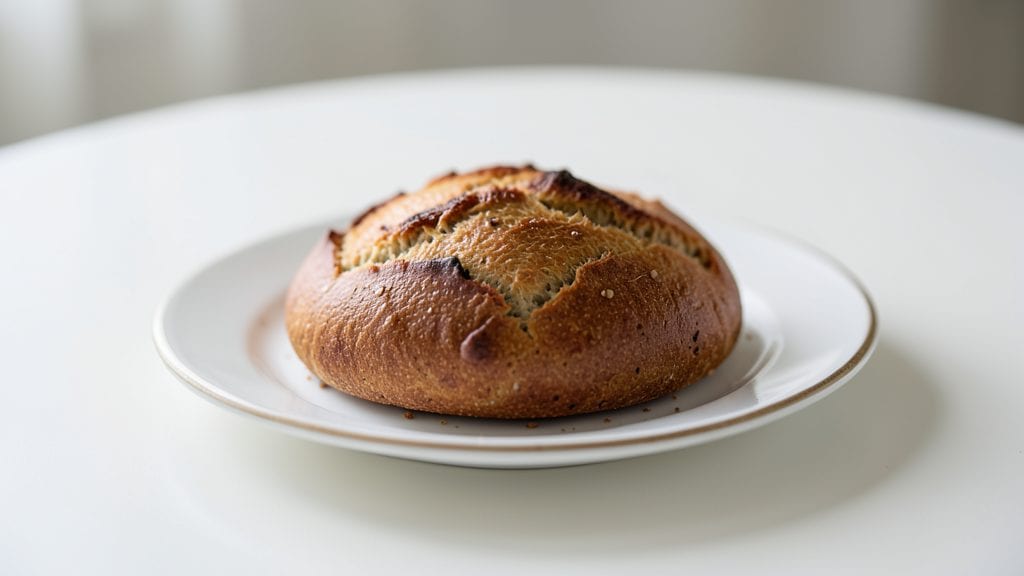
This shepherd's bread recipe brings rustic warmth to your table with its crispy golden crust and creamy mashed potato filling—a perfect blend of tradition and comfort.
I first discovered this dish while traveling through rural Italy, where it’s a staple for hearty meals, often served alongside roasted vegetables or grilled meats. The dough’s simplicity hides its versatility, allowing you to customize it with herbs, cheese, or even a touch of garlic for extra depth.
The beauty of shepherd’s bread lies in its foolproof technique: a soft, pillowy dough stuffed with mashed potatoes, then baked until the crust turns golden and irresistibly crispy. Unlike traditional flatbreads, this version combines the best of both worlds—tender inside, crispy outside—making it a standout side dish for any meal.
The key is patience during baking, ensuring even heat so every bite delivers that satisfying contrast.
What makes this recipe truly special is how it elevates simple ingredients into something extraordinary. The mashed potatoes inside stay creamy and flavorful, while the crust develops a satisfying crunch that pairs perfectly with rich stews or fresh salads.
Whether you’re serving it at a family gathering or a quiet weeknight dinner, this bread will become a quick favorite in your kitchen.
For those who love cultural variations, try adding a sprinkle of rosemary or thyme to the dough, or even a layer of melted cheese before baking. The possibilities are endless, but the foundation remains the same: a crispy crust and creamy filling that define this timeless dish.
Let’s get started—your table is about to get an upgrade.
Ingredients for shepherd's bread
Fourteen simple ingredients transform into rustic Italian comfort—crispy crust meets creamy potato heart.
| Ingredient | Amount | Notes |
|---|---|---|
| All-Purpose Flour 🌾 | 3 cups | Sifted for light texture |
| Instant Yeast 🍞 | 1 tsp | Active dry works too |
| Granulated Sugar 🍚 | 1 tbsp | For yeast activation |
| Unsalted Butter 🧈 | ½ cup | Cold, cubed for dough |
| Whole Milk 🥛 | ½ cup | Warmed to room temp |
| Large Egg 🥚 | 1 whole | Room temperature preferred |
| Russet Potatoes 🥔 | 2 lbs | Starchy variety for mash |
| Unsalted Butter 🧈 | ¼ cup | For mashed potatoes |
| Whole Milk 🥛 | ½ cup | For creamy mash |
| Sea Salt 🧂 | 1 ½ tsp | Diamond Crystal preferred |
| Fresh Rosemary 🌿 | 2 tbsp | Chopped, optional garnish |
| Extra-Virgin Olive Oil 🫒 | 2 tbsp | For dough brushing |
| Coarse Sea Salt 🧂 | 2 tbsp | For finishing crust |
The flour and yeast are your foundation—King Arthur or Caputo flour for Italian-style dough, but all-purpose works in a pinch. Yeast loses potency fast, so check the date on that jar—if it's been open more than 3 months, toss it. For the potatoes, Russet or Yukon Gold are your best bets—their starchiness makes the filling extra creamy. I always buy mine from Whole Foods when they're on sale, but the regular grocery store stuff works fine. Just avoid those waxy red potatoes—they'll turn your filling gluey instead of fluffy.
No instant yeast? Active dry yeast needs 5 minutes in warm milk before mixing. Running short on butter? Vegetable shortening works in a bind, though it lacks the same richness. For the mashed potatoes, if you're in a rush, instant potatoes cut prep time in half—but trust me, fresh is worth the extra minute. The rosemary is optional but adds that rustic Italian touch. If you don't have it, dried thyme at half the amount works just as well. And for the olive oil, any good quality will do—just avoid the cheap stuff that tastes like soap.
This dough needs time to rise—at least 2 hours in a warm spot, like near the oven with the light on. The mashed potatoes can be made ahead and stored in the fridge for 3 days or frozen for 3 months. For the finished bread, let it cool completely before slicing—10 minutes saves you from a gummy interior. Leftovers keep for 3 days wrapped tightly, though they're best eaten fresh. The crust gets crispier the longer it sits, so plan ahead if you're serving it at room temperature.
Why You'll Love This Recipe
- Five-Ingredient Magic: I swear by this list—flour, yeast, sugar, butter, milk—and that’s it. No fancy substitutions or last-minute store runs. The dough comes together faster than I can boil water, and honestly? That’s all you need for golden, pillowy perfection.
- Buttery Crisp Edge: That crispy crust with a tender inside? It’s all in the butter and milk. The sugar caramelizes just enough to give it a subtle sweetness, while the yeast keeps it light—like a hug in bread form. (Yes, even on a Tuesday night.)
- Weeknight Workhorse: Slice it fresh for sandwiches, toast it for breakfast, or freeze the leftovers for quick toast later. I’ve used it to soak up soup, pair with charcuterie, and even as a makeshift plate for dips. It’s the kind of bread that earns its keep.
- Budget-Friendly Staple: A single batch costs pennies and stretches for days. The dough’s forgiving—no need for precise measurements—and the ingredients are pantry basics. My wallet (and my family) thank me every time I pull this out.
Step-by-step instructions for shepherd's bread
Here's how to create that perfect golden crust and velvety potato filling using exactly what you have.
Prepare the Dough for Maximum Rise
In a large mixing bowl, combine the 3 cups all-purpose flour and 1 tsp instant yeast. Make a well in the center and add the 1 tbsp granulated sugar, 0.5 cup cold unsalted butter (cut into small cubes), 0.5 cup warm whole milk, and 1 whole large egg. Here's the thing—mix with a wooden spoon first until just combined, then turn it out onto a lightly floured surface and knead for 8-10 minutes by hand.
You'll know it's ready when the dough springs back slowly when poked and feels smooth but slightly tacky. This kneading develops gluten that gives your bread that satisfying chew. If it sticks too much, add just enough flour to make it workable—don't overdo it or you'll lose that crispy crust potential.
Shape into a round loaf about 2 inches thick and place in a lightly oiled bowl. Cover with a damp towel and let rise in a warm place for 1-1.5 hours until nearly doubled in size. The dough should feel light and airy when pressed gently—this is what creates that perfect open crumb structure.
Create the Creamy Potato Filling
While the dough rises, peel and chop the 2 lbs russet potatoes into 1-inch chunks. Place them in a medium saucepan and cover with cold water by about 1 inch. Add 1.5 tsp sea salt and bring to a boil over medium-high heat. Reduce to a simmer and cook for 15-20 minutes until fork-tender.
Drain the potatoes thoroughly, then return them to the pot. Add the 0.25 cup unsalted butter and 0.5 cup whole milk, then mash until completely smooth. You want this to be silky and lump-free—use a potato masher or ricer for the best texture. The filling should be thick but still spreadable, with no visible potato chunks remaining.
Season generously with additional sea salt to taste (about ½ tsp more) and fold in the 2 tbsp chopped fresh rosemary. This herb adds that earthy depth that balances the richness of the bread. Keep the mashed potatoes warm while you finish the dough.
Assemble and Shape for Perfect Texture
Preheat your oven to 400°F. On a floured surface, roll out the risen dough into a 12-inch circle about ¼-inch thick. Using a round cutter or glass, cut a 6-inch circle from the center—this will be your top crust. You'll have two pieces: the outer ring and the inner circle.
Spread the warm mashed potatoes evenly over the outer ring, leaving a ½-inch border around the edges. Brush the edges of both dough pieces with 2 tbsp extra-virgin olive oil, then place the inner circle on top. Press gently around the edges to seal, creating a ½-inch overlap. This creates that classic shepherd's pie effect with a crispy top and creamy filling.
Here's where it gets critical: Sprinkle 2 tbsp coarse sea salt evenly over the top crust. This not only seasons but also helps create those beautiful salt crystals that melt into the crust as it bakes, enhancing the flavor. Let it rest for 10 minutes before baking—this prevents the filling from bubbling out during cooking.
Bake to Golden Perfection
Bake in the preheated 400°F oven for 30-35 minutes until the top is deep golden brown and the edges are crisp. You'll know it's done when you tap the top—it should sound hollow. The filling should be bubbling gently through the center, creating that perfect contrast of textures.
For that restaurant-quality finish, increase the oven temperature to 450°F for the last 5 minutes of baking. This creates a beautiful caramelized crust that's irresistibly crispy. Watch closely—it can go from perfect to burnt in minutes at this high heat.
Remove from the oven and let rest for 10 minutes before serving. The internal temperature should reach 200°F in the center of the filling. This resting period allows the juices to redistribute, ensuring every bite delivers that perfect balance of crispy crust and creamy, flavorful potato filling.
Pro Tips For Making Shepherd'S Bread
- Measure Milk Precisely: DESCRIPTION: Whole milk’s fat content varies—use a scale for 250g (not 1 cup) to guarantee consistent dough. I learned this the hard way when my first batch turned gummy because I eyeballed it.
- Knead Until Silky: DESCRIPTION: Stop when the dough pulls cleanly and springs back slowly—about 8–10 minutes by hand. Over-kneading glues the gluten, and you’ll end up with a chewy brick instead of that tender crumb.
- Butter at Room Temp: DESCRIPTION: Cut the cold butter into tiny cubes and let it sit for 30 minutes before mixing—this ensures even distribution without lumps. Cold butter pockets melt unevenly, leaving dry spots.
- Proof in a Warm Spot: DESCRIPTION: Place the dough in a turned-off oven with a bowl of hot water (not the lightbulb trick—it’s unreliable). Aim for 85°F (29°C) for 1–1.5 hours; the dough should puff just over the bowl’s edge.
Regional styles of this shepherd's bread
Italian Rustic Style
In Italy, this dish is called pane al forno con patate—a rustic bread baked with potato filling. The Italian version often includes fresh rosemary and garlic in the dough, giving it a fragrant, earthy aroma.
I like to add grated Parmigiano-Reggiano (about ¼ cup) to the mashed potatoes for a nutty depth. Serve it warm with a drizzle of extra-virgin olive oil and a sprinkle of flaky sea salt for that authentic trattoria touch. 🌿
Middle Eastern Khubz Twist
The Middle Eastern take on shepherd’s bread transforms it into khubz—a flatbread with a crispy crust and soft interior. Replace the mashed potatoes with spiced lamb or chickpea filling (about 1.5 cups), mixed with cumin, paprika, and lemon zest.
Roll the dough thin, spread the filling, then fold into a half-moon shape before baking. Brush with garlic-infused olive oil for extra flavor. This version pairs perfectly with tzatziki or labneh.
French Shepherd’s Pie
In France, this dish is known as tourte aux pommes de terre—a savory tart with a buttery crust. Use store-bought puff pastry for the top and bottom layers instead of homemade dough.
Fill with creamy mashed potatoes mixed with Gruyère cheese (about ½ cup grated) and crispy bacon bits. Bake until the crust is golden brown and the filling is bubbly. The French version often includes a béchamel sauce drizzled on top before baking for extra richness. 🥖
American Comfort Version
For a heartier American twist, load the mashed potatoes with sharp cheddar cheese (about 1 cup shredded) and crumbled bacon (about ½ cup). Add a pinch of smoked paprika for depth.
Top with a crusty sourdough round instead of traditional dough, then bake until the cheese melts and the crust turns crispy. This version is a crowd-pleaser at Thanksgiving or holiday gatherings. 🍽️
Mediterranean Herb Infusion
For a brighter, herb-forward take, mix fresh oregano, thyme, and parsley (about 1 tbsp each) into the dough. Use lemon zest in the mashed potatoes for a citrusy kick. Add sun-dried tomatoes (about ¼ cup chopped) to the filling for a tangy contrast.
This version is lighter but packed with Mediterranean flavors, perfect for summer meals. Pair it with a Greek salad or grilled fish.
Vegan Adaptation
To make this dish vegan, replace the butter with vegan margarine (about ½ cup) and use unsweetened almond milk (about ½ cup) instead of whole milk. For the filling, mash the potatoes with vegan butter and nutritional yeast (about 2 tbsp) for a cheesy flavor.
Top with flaxseed eggs (mix 1 tbsp ground flaxseed + 3 tbsp water) brushed on the dough for a golden finish. This version is just as satisfying and works well with roasted vegetables.
Nutrition facts
Frequently asked questions
Can I make shepherd's bread without yeast?
Yes! For a quick version, replace the yeast with 1 tsp baking powder and 1 tsp baking soda in the dough. The texture will be denser but still delicious. Use a slightly higher oven temperature (425°F) and reduce baking time by 5-10 minutes to achieve that crispy crust without waiting for yeast to rise.
What's the secret to getting the crust extra crispy?
Brush the top crust with extra-virgin olive oil before baking, then sprinkle with coarse sea salt. For maximum crispiness, bake at 450°F for the last 5 minutes of cooking. Let it cool completely before slicing—this helps the crust set properly and prevents a gummy interior.
Can I prepare the mashed potato filling ahead of time?
The filling keeps well in the fridge for 3 days or freezes for 3 months. Reheat gently in a saucepan with a splash of milk to restore creaminess. For best results, let it cool completely before storing to prevent condensation that can make the texture watery.
Why did my shepherd's bread turn out dense instead of crispy?
Over-kneading the dough or under-rising it are common culprits. Use a food scale for accuracy—3 cups flour should weigh about 360g. Let the dough rise until it's puffy and springs back when poked. Also, ensure your oven is fully preheated and use a baking stone for even heat distribution.
What are some creative ways to serve this bread?
Slice it into wedges for a rustic appetizer with whipped feta and honey. Use leftovers as a base for open-faced sandwiches with roasted meats or avocado. The French version even pairs beautifully with charcuterie boards—just add a sprinkle of Gruyère and bake until bubbly.