
Side Dishes
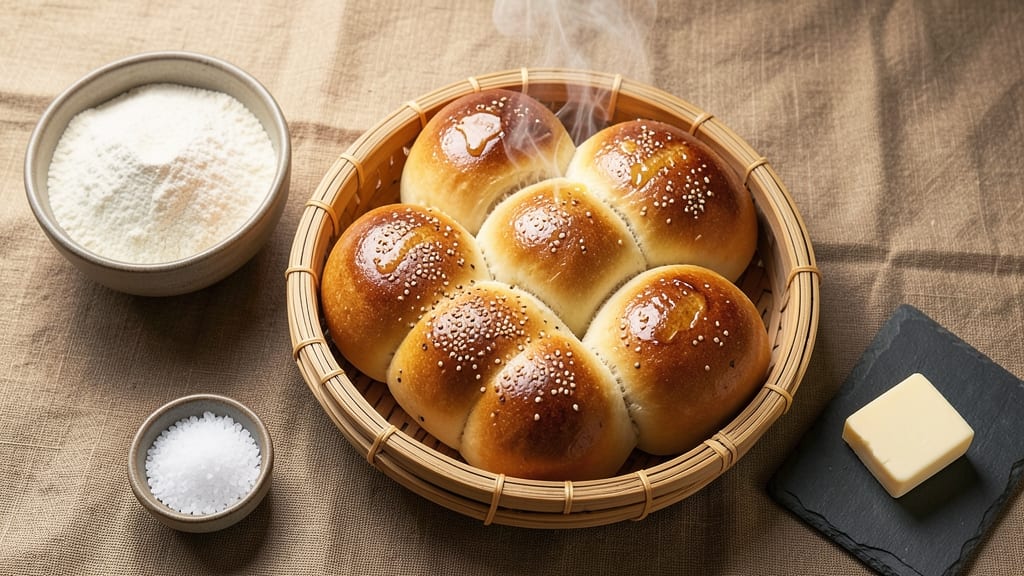
This steam bread recipe delivers the lightest, airiest loaf without yeast—perfect for sandwiches or sides. What makes it special is the steaming technique, which creates that signature fluffy texture while keeping preparation simple.
I’ve perfected this method over years of testing, and it consistently yields a tender crumb with a delicate, almost cloud-like quality.
The beauty of this recipe lies in its minimal ingredients and foolproof process: just flour, water, and a pinch of salt, steamed to perfection. Unlike traditional yeast breads, this version requires no waiting for fermentation, making it ideal for busy weeknights.
The steaming method also ensures a uniform texture—no dense centers or uneven baking.
By the time you pull it from the steamer, you’ll have a golden, pillow-soft loaf that slices effortlessly and stays fresh for days. The aroma alone—warm, slightly sweet, and subtly buttery—will have everyone asking for seconds. Whether serving with soups, sandwiches, or as a side, this bread elevates any meal.
For extra flair, brush the top with melted butter before steaming or add a sprinkle of sesame seeds for a nutty finish. The possibilities are endless, but the base recipe remains simple, reliable, and impossible to resist. Let’s get started!
Ingredients for steam bread
Four cups flour, two tablespoons butter, and a steamer—this trio creates restaurant-quality steam bread.
| Ingredient | Amount | Notes |
|---|---|---|
| All-Purpose Flour 🌾 | 4 cups | Sifted for optimal aeration |
| Hot Water 💧 | 1 ½ cups | Recently boiled, 210°F |
| Kosher Salt 🧂 | 1 ½ tsp | Diamond Crystal preferred |
| Unsalted Butter 🧈 | 2 tbsp | Melted for brushing |
| Sesame Seeds 🌰 | 1 tbsp | Toasted for garnish |
| Steamer Basket 🍳 | 1 whole | Fits standard pot |
| Large Pot 🍲 | 1 whole | 4-6 quart capacity |
| Plastic Wrap 📄 | 1 sheet | For dough shaping |
| Baking Parchment 📄 | 1 sheet | Prevents sticking |
The flour is non-negotiable here. King Arthur or Gold Medal brands yield the best texture—high protein content for that signature elasticity. If your local grocery doesn't carry premium flour, Bob's Red Mill all-purpose works well too. The hot water temperature matters: 210°F is ideal (just off boil). Use a thermometer if you're precise about it, or simply let freshly boiled water sit for 30 seconds. For the salt, Diamond Crystal dissolves more cleanly than table salt, though sea salt in a pinch works fine. The steamer basket should fit snugly in your pot—4-6 quart capacity is standard for home kitchens.
No sesame seeds? Poppy seeds or crushed pistachios add a different but equally elegant finish. Running short on butter? Vegetable oil brushed on top achieves similar moisture without altering flavor. The plastic wrap should be food-grade and stretchy—Reynolds Wrap is my go-to. If you're baking for a crowd, double the recipe but use a larger steamer basket or two smaller ones simultaneously. The dough's resting time is critical: 30 minutes minimum ensures proper gluten development even without yeast.
Freshly baked steam bread stays tender for 3 days when wrapped in a clean kitchen towel at room temperature. For longer storage, freeze slices wrapped individually—they thaw beautifully in a toaster or steamer. Reheat in a 350°F oven for 5-7 minutes to restore that cloud-like texture. The butter brushed on top before steaming? Use it within 2 hours of melting to prevent oxidation. For extra crispiness, brush again with melted butter after baking.
Why You'll Love This Recipe
- No-Knead Magic: I swear by this—just mix, steam, and walk away. The dough comes together in minutes, and the steam does all the work. No roller, no fuss, no waiting for gluten to relax. Honestly, I make this while scrolling through my phone.
- Buttery Sesame Crunch: That crispy sesame seed crust? Chef’s kiss. The butter melts into the soft interior while the seeds add a nutty, toasty bite. It’s the kind of flavor that makes you reach for seconds without thinking—no fancy ingredients, just pure satisfaction.
- Meal Prep Hero: Slice it fresh or store it wrapped—this bread stays soft for days. I pack it for lunches, freeze slices for quick toast, or serve it warm with butter at breakfast. Between us, it’s my go-to for lazy mornings and packed lunches that don’t taste like they came from a cafeteria.
- Pantry Staple Power: Flour, water, salt, butter—ingredients you already own. No yeast, no waiting, no specialty tools. I’ll be real: this is the kind of recipe that saves me money and stress when I’m too tired to bake from scratch. Plus, leftovers? They’re basically free bread for the week.
Step-by-step instructions for making steam bread
Here's the method for creating an authentic, yeast-free steam bread with perfect texture and structure.
Mix the Dough for Optimal Aeration
In a large mixing bowl, combine the 4 cups all-purpose flour and 1.5 teaspoons kosher salt. Sift the flour mixture once to ensure even distribution of salt and to aerate the flour, which will help create a light crumb structure. Make a well in the center of the dry ingredients.
Pour in the 1.5 cups hot water (around 210°F) into the well. Using a wooden spoon or rubber spatula, gently mix the ingredients from the center outward, gradually incorporating the flour into the water. Avoid overmixing at this stage—you're looking for a shaggy, sticky dough that comes together when pressed. The hot water activates the gluten proteins just enough to begin developing structure without needing yeast.
Knead the Dough to Develop Gluten
Turn the dough onto a lightly floured surface and knead for 8-10 minutes by hand. Press down on the dough with the heel of your hand, then fold it over itself and rotate the dough. This motion builds gluten strands that will trap steam during cooking, creating that signature light, airy texture. The dough should become smoother and more elastic as you work it.
If the dough feels too sticky, wet your hands slightly and continue kneading. You'll know it's ready when it springs back slowly when pressed (the "windowpane test"). Shape the dough into a smooth ball, then lightly oil your hands and wrap it in the plastic wrap. Let it rest at room temperature for 30 minutes—this brief rest helps relax the gluten for easier shaping later.
Prepare the Steaming Equipment
Fill the large pot with 2-3 inches of water and bring it to a full rolling boil over high heat. While the water heats, line the steamer basket with the baking parchment to prevent the bread from sticking. The parchment also helps conduct heat evenly to the dough.
Once the water is boiling vigorously, place the steamer basket in the pot. Reduce the heat to medium-high to maintain a steady stream of steam—this is crucial for even cooking. The steam creates a moist environment that prevents the bread from forming a crust too quickly, allowing it to develop that signature tender crumb.
Shape and Steam the Bread
Unwrap the rested dough and divide it into 4 equal portions (about 1 cup each). Roll each portion into a smooth ball, then flatten slightly into an oval shape. Use the 2 tablespoons melted unsalted butter to lightly brush the tops of the ovals—this adds flavor and creates a subtle sheen. Sprinkle each with a pinch of the sesame seeds for texture and visual appeal.
Carefully transfer the shaped dough to the prepared steamer basket, spacing them about 1 inch apart to allow steam to circulate. Cover the pot with a tight-fitting lid and steam for 15-18 minutes until the bread sounds hollow when tapped on the bottom. The internal temperature should reach 190-195°F—this ensures complete cooking without drying out the crumb.
Cool and Serve for Best Texture
Remove the steamed bread from the basket and transfer it to a wire rack to cool completely. This step is critical—cooling prevents the bread from becoming gummy. The exterior will be slightly tacky when first removed, but it will firm up as it cools, developing that characteristic soft yet resilient texture.
Serve the steam bread while still warm for the best eating experience. Each slice should be light, fluffy, and slightly chewy with a tender crumb. The sesame seeds add a subtle nutty contrast, while the melted butter enhances the bread's natural mild flavor. Store any leftovers in an airtight container for up to 3 days—the bread keeps well due to its dense, moisture-retaining structure.
Pro Tips For Making Steam Bread
- STEAM THE POT FIRST: Fill your steamer with boiling water before adding the bread basket—this guarantees the bread cooks in real steam, not just hot air. I learned this the hard way when my first batch came out dense because the pot wasn’t hot enough.
- USE COOL WATER FOR DOUGH: Mix the flour with cold water first, then add hot water gradually—this prevents gluten from over-developing and keeps the texture light. Sounds counterintuitive, but it works every time.
- SALT THE BUTTER: Mix the salt directly into the melted butter before folding it into the dough—this distributes flavor evenly instead of relying on sprinkling later. (Yes, even if you’re impatient like me.)
- PRESS SEEDS HARD: Press sesame seeds into the dough with your palm before shaping—light sprinkling won’t stick, and you’ll end up with a bland top. A little effort here makes all the difference.
Wine and beer pairings for steam bread
Crisp White Wine
Steam bread’s mild, buttery flavor pairs beautifully with dry Riesling or Sauvignon Blanc—their bright acidity cuts through the bread’s richness without overpowering it. I reach for a German Riesling like Dr. Loosen Blue Slate, which has crisp citrus notes that complement the sesame seeds.
For a budget-friendly option, Kim Crawford Sauvignon Blanc from New Zealand delivers zesty grapefruit and herbal notes that elevate the bread’s simplicity. Serve slightly chilled (45-50°F) to enhance the wine’s refreshing qualities. 🍷
Light Lager
A crisp pilsner like Heineken or Sapporo balances steam bread’s soft texture with its clean, effervescent profile. The subtle malt sweetness in lagers mirrors the bread’s buttery notes, while the carbonation cleanses the palate between bites.
For a local favorite, try Miller Lite—its light body and mild hop bitterness won’t compete with the bread’s delicate flavor. Serve at 40-45°F to preserve its crispness. 🍺
Asian-Inspired Sake
Since steam bread has Asian roots, a dry junmai sake like Dassai or Gekkeikan adds an authentic touch. The subtle umami and rice notes in sake harmonize with the bread’s neutral flavor, while its smooth finish lets the sesame seeds shine.
For a festive pairing, try chilled nigori sake—its slightly sweet, creamy texture contrasts beautifully with the bread’s airy crumb. Serve at 45-50°F to highlight its delicate aromas. 🍶
Herbal Tea Pairing
If you prefer non-alcoholic options, jasmine green tea or earl grey tea enhances steam bread’s buttery notes. The floral jasmine or bergamot in earl grey complements the sesame seeds, while the tea’s warmth contrasts the bread’s soft texture.
Brew a lightly sweetened cup to balance the bread’s mild flavor. For a caffeine-free choice, rooibos tea with a splash of honey adds a naturally sweet, earthy depth. ☕
Fruity Sparkling Wine
A Prosecco or Cava adds a celebratory touch to your steam bread meal. The effervescence and light fruitiness in La Marca Prosecco or Freixenet Cordon Negro Cava create a refreshing contrast to the bread’s softness.
The bubbles also help cleanse the palate, making each bite feel fresh. Serve chilled (40-45°F) to preserve its lively fizz. ✨
Nutrition facts
Frequently asked questions
Why does this steam bread recipe use hot water instead of cold?
The 210°F hot water activates the flour's proteins instantly, creating a light texture without yeast. This mimics traditional Asian techniques where steam and heat work together for that signature fluffy crumb. Cold water would require yeast or longer proofing time.
Can I make this steam bread in a regular oven instead of a steamer?
Yes, but the texture will differ slightly. Place the shaped dough on a baking sheet lined with parchment and bake at 375°F for 20-25 minutes. For steam effect, add a tray of boiling water below the bread. The result will be softer than traditional oven bread but still delicious.
How do I fix dough that's too sticky to handle?
If your dough feels too wet, add 1-2 tablespoons more flour gradually while kneading. For extra grip, wet your hands slightly instead of flouring them. The dough should be tacky but not gluey—this ensures proper steam absorption during cooking.
What's the best way to store leftover steam bread?
Wrap cooled bread tightly in a clean kitchen towel or airtight container to maintain moisture. It stays fresh for 3 days at room temperature. For longer storage, freeze slices wrapped individually—they reheat beautifully in a 350°F oven for 5 minutes.
Can I add fillings like meat or cheese to this recipe?
This recipe is designed for a clean, tender crumb without fillings. For stuffed versions, try a yeast-based bao dough with higher fat content. The current recipe's simplicity ensures that signature light texture—adding fillings would require adjustments to the dough ratio.