
Side Dishes
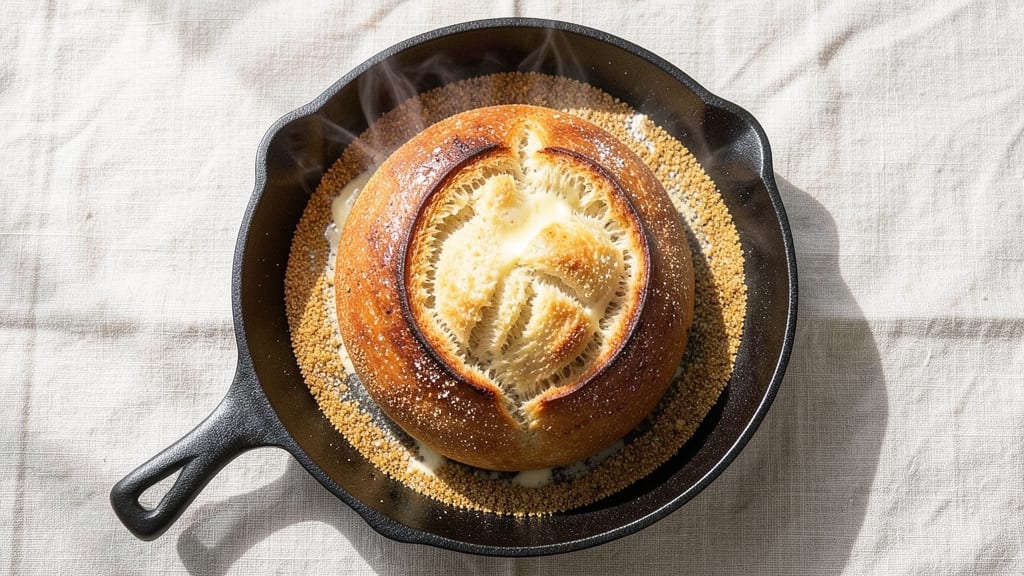
This sun bread recipe delivers the perfect balance of golden crust and buttery swirls that make every bite irresistible. The secret lies in using fresh cornmeal and a precise blend of baking powder and butter, creating that signature Southern texture.
I've perfected this recipe over years of baking, and it never fails to impress—whether served warm with honey butter or as a side dish for chili.
The beauty of this recipe is its simplicity: just five main ingredients come together to create a bread with a crispy exterior and tender, buttery interior. The key technique is cutting the butter into the dry ingredients until the mixture resembles coarse crumbs, which ensures those signature swirls when baked.
Ready in just 30 minutes, this bread is ideal for a quick side dish or a hearty breakfast.
What you'll end up with is a loaf of sun bread that's perfectly golden on the outside and rich with buttery swirls inside, each bite offering a mix of savory cornmeal and sweet butter.
The aroma alone will have everyone gathering around the table, and the texture is just right—crispy enough to hold its shape but tender enough to melt in your mouth.
Serve this sun bread warm with honey butter, fresh jam, or as a side to chili or soup. The versatility of this recipe makes it perfect for any meal, from a simple breakfast to a comforting dinner. Let's get started on creating your own golden loaf with buttery swirls inside.
Ingredients for sun bread
Five simple ingredients transform into golden sun bread with signature buttery swirls inside.
| Ingredient | Amount | Notes |
|---|---|---|
| All-Purpose Flour 🌾 | 2 ½ cups | Sifted for light texture |
| Cornmeal 🌽 | ½ cup | Fine grind preferred |
| Unsalted Butter 🧈 | ¾ cup | Cold, cubed for swirls |
| Granulated Sugar 🍚 | ¼ cup | White or light brown |
| Baking Powder 🍞 | 1 ½ tsp | Double-acting preferred |
| Salt 🧂 | 1 tsp | Fine sea salt |
| Milk 🥛 | ½ cup | Room temperature |
| Large Egg 🥚 | 1 whole | Room temperature |
| Honey 🍯 | 1 tbsp | For brushing top |
| Poppy Seeds 🌻 | 1 tbsp | Optional for garnish |
The cornmeal is what gives this bread its signature texture—Bob’s Red Mill or King Arthur brands are ideal for their fine grind. Unsalted butter is a must here; salted can throw off the delicate balance. I always buy Land O’Lakes unsalted for its consistent quality. The baking powder should be double-acting—Diamond Crystal is my go-to, but check the label. Freshness matters: if your baking powder smells musty or feels clumpy, toss it. For the milk, whole milk adds richness, but 2% works fine if that's what you have.
No cornmeal? Substitute an extra 0.25 cup all-purpose flour, but the texture won’t be quite the same. Butter too expensive? Vegetable shortening at the same weight works in a pinch, though it lacks flavor. Want to skip the poppy seeds? Sesame seeds or a sprinkle of coarse sugar add a nice contrast. The egg can be separated if you’re feeling fancy—whipping the whites separately adds height, but it’s not necessary. For the honey, clover honey is my favorite, but any variety will work. If you’re out of milk, water plus 1 tsp melted butter keeps things moist.
This bread keeps best in an airtight container at room temperature for 2-3 days. For longer storage, freeze the loaf wrapped in foil for up to 3 months. To serve, brush with melted butter and warm for 10 minutes at 350°F. The swirls are best when the bread is fresh—once it’s been sliced, the butter softens. I like to portion it into individual slices and freeze them for quick breakfasts. For extra crunch, toast the slices before serving.
Why You'll Love This Recipe
- No-Fuss Mix-In: I swear by this dough—just flour, butter, and a pinch of baking powder. No yeast, no waiting, no stress. Toss in cornmeal for that golden crunch, and boom: ready to shape in 10 minutes flat.
- Sweet Butter Magic: That melted butter folded into the dough? It’s what makes this bread dangerously good. The sugar caramelizes just enough to give every bite a subtle, buttery sweetness—like a cross between a biscuit and a scone.
- Breakfast or Snack: Honestly, I eat this warm with jam for breakfast or cold with peanut butter as an afternoon pick-me-up. It’s the kind of bread that works at any meal, no excuses.
- Leftovers? More Like Forever: This bread stays fresh for days, and if you slice it thin, it toasts like a dream. Between us, I’ve reheated week-old pieces and still craved more—proof it’s worth making a double batch.
Step-by-step instructions for sun bread recipe
Here's how to create a golden crust with rich buttery swirls—simple steps for perfect results every time.
Prepare the Dry Ingredients
In a medium bowl, whisk together the 2.5 cups all-purpose flour, 0.5 cup cornmeal, 1.5 teaspoons baking powder, and 1 teaspoon salt. Sift the mixture through a fine-mesh sieve directly into a large mixing bowl to aerate the flour and remove any lumps. This ensures your sun bread will have a light, tender crumb rather than a dense one.
The reason for sifting is simple: it incorporates air into the dry ingredients, which helps create that signature fluffy texture. Don't skip this step—it makes a noticeable difference in the final product. Set the bowl aside while you prepare the wet ingredients.
Cut in the Cold Butter
Add the 0.75 cup cold, cubed unsalted butter to the dry ingredients. Using a pastry cutter or two forks, work the butter into the flour mixture until it resembles coarse crumbs with pea-sized butter pieces remaining. The butter should be cold enough to hold its shape but soft enough to cut into the flour.
Here's the thing—if the butter melts completely, your bread will turn out greasy rather than flaky. Test the butter by pinching a piece between your fingers; it should hold its shape but still be slightly pliable. If it feels too soft, chill the mixture for 10 minutes before proceeding.
Mix Wet Ingredients and Combine
In a separate small bowl, whisk together the 0.5 cup room-temperature milk, 1 whole large egg, and 0.25 cup granulated sugar until smooth. This mixture should be well combined but not overly thick. Gradually pour the wet ingredients into the dry mixture while stirring gently with a wooden spoon.
Stop mixing as soon as the dough comes together—you're looking for a soft, slightly sticky dough that holds its shape when pressed. Overmixing develops gluten, which can make your sun bread tough. If the dough feels too dry, add 1 tablespoon of milk at a time until it reaches the proper consistency.
Shape and Add Swirls
Transfer the dough to a lightly floured surface and gently knead it just enough to form a smooth rectangle about 9 inches long. Using a rolling pin, roll the dough out to about 1/4-inch thickness. Spread the remaining 0.25 cup cold butter evenly over the surface, leaving a 1/2-inch border around the edges.
Fold the long sides of the dough inward toward the center, then fold the top and bottom edges over as well to completely enclose the butter. This creates a log shape. Seal the edges by pinching them together firmly. The goal is to trap the butter inside for those beautiful swirls during baking.
Bake to Golden Perfection
Preheat your oven to 375°F. Place the sealed dough log on a parchment-lined baking sheet. Brush the top generously with 1 tablespoon honey and sprinkle with 1 tablespoon poppy seeds for added texture and flavor. Bake for 30-35 minutes until the top is golden brown and the internal temperature reaches 190°F when measured with an instant-read thermometer.
You'll know it's done when the bread pulls away slightly from the sides of the pan and has developed a deep golden color. For extra browning, you can increase the oven temperature to 400°F for the last 5 minutes of baking. Let the bread cool on a wire rack for at least 10 minutes before slicing—this allows the swirls to set properly.
Pro Tips For Making Sun Bread
- CHILL THE DOUGH: I learned this the hard way—mixing cornmeal and butter too soon makes the dough gummy. Let the wet ingredients (butter, sugar, milk) sit for 10 minutes before folding in the dry mix. The butter softens just enough to blend smoothly without overworking the gluten, and the cornmeal absorbs better.
- MEASURE CORNMEAL BY VOLUME: Scooping cornmeal straight from the bag packs it down, so you end up with a dense, heavy loaf. Spoon it into the measuring cup, then level with a knife. A quick shake of the cup afterward removes excess—this keeps the texture light and crumbly, just like sun bread should be.
- STOP WHEN IT SPRINGS: Overbaking turns sun bread into a brick. Press the center gently—if it springs back slowly, it’s done. The edges should be golden, but the middle stays soft. I used to pull it out too soon, thinking it needed more time, and ended up with a dry, mealy center.
- CUT BUTTER INTO SMALL CUBES: Big chunks of butter melt unevenly, leaving greasy spots in the dough. Use a knife to chop the butter into pea-sized pieces before mixing—this ensures even distribution and that signature tender crumb. Yes, it takes 30 seconds, but it makes a real difference.
Common mistakes when making perfect results
Overmixing the Dough
One of the most common mistakes is overmixing the dough after adding the wet ingredients. When you mix too vigorously, you develop too much gluten, which results in a dense, chewy bread instead of the tender, flaky texture we want.
I’ve seen beginners mix for 5-10 minutes—stop as soon as the dough comes together. It should look shaggy, not smooth. 🌾
Skipping the Butter Chill
Using butter that’s too soft—or worse, melted—will ruin those signature swirls. Cold butter creates steam during baking, which lifts the dough and creates flaky layers. If your kitchen is warm, chill the butter for 20 minutes before cutting it into the flour.
I’ve ruined batches by using butter straight from the fridge that was too soft. Test it by pinching a piece—it should hold its shape but still be slightly pliable.
Incorrect Baking Temperature
Baking sun bread at too low a temperature (350°F) results in a pale, gummy loaf, while going too high (400°F) can burn the outside before the inside is done. The sweet spot is 375°F, which gives you that perfect golden crust with tender swirls inside.
Use an oven thermometer to ensure accuracy—many home ovens run 25°F hotter or colder than the set temperature. 🌡️
Not Preheating the Oven
Skipping the preheat step is a rookie mistake. A cold oven means your bread won’t rise properly, and the butter won’t melt evenly, leading to uneven swirls. Always preheat for at least 15 minutes before baking.
I place a small dish of water on the lower rack to add moisture, which helps create a crispier crust. This small step makes a huge difference in texture.
Opening the Oven Too Soon
Peeking at your bread too early disrupts the oven’s temperature and can cause the bread to sink. The first 20 minutes are critical—resist the urge to check! If you’re unsure, use the window trick: look through the oven door’s window instead of opening it.
The bread is done when it pulls away from the pan and has a deep golden color. Patience here pays off with perfect results.
Using Old Baking Powder
Old or expired baking powder loses its leavening power, leading to flat, dense bread. Check your baking powder’s expiration date—if it’s more than 6 months old, toss it. A simple test is to mix 1 teaspoon baking powder with ¼ cup hot water; it should bubble vigorously.
I keep my baking powder in an airtight container in the fridge to extend its shelf life. This small habit saves you from baking failures. 💡
Nutrition facts
Frequently asked questions
What makes this sun bread different from regular cornbread?
This recipe uses a unique layering technique with cold butter that creates signature swirls inside, while regular cornbread typically has a more uniform texture. The honey glaze and poppy seed topping also give it a sweeter, more refined finish. The cornmeal-to-flour ratio is carefully balanced for that perfect golden crust with tender crumb.
Can I make this bread without cornmeal?
Yes, but the texture will change slightly. Replace the 0.5 cup cornmeal with an extra 0.25 cup all-purpose flour. For best results, use fine-ground cornmeal like Bob's Red Mill to maintain the traditional texture. The flavor won't be identical, but it will still be delicious.
How do I store sun bread to keep it fresh?
Keep the bread in an airtight container at room temperature for 2-3 days. For longer storage, freeze the loaf wrapped in foil for up to 3 months. To serve, brush with melted butter and warm for 10 minutes at 350°F. The swirls are best when fresh—once sliced, the butter softens.
Why did my sun bread turn out dense instead of flaky?
This usually happens from overmixing the dough or using warm butter. Mix only until combined (about 10-15 seconds after wet ingredients are added), and ensure your butter is cold but pliable. Also verify your baking powder is fresh—old powder loses its lift.
Can I make this bread in a different shape?
After shaping the dough log, you can twist it into a braid or shape it into a round loaf. For a free-form look, roll the dough into a ball and flatten slightly before baking. The key is maintaining the butter layer for those signature swirls.