
Side Dishes
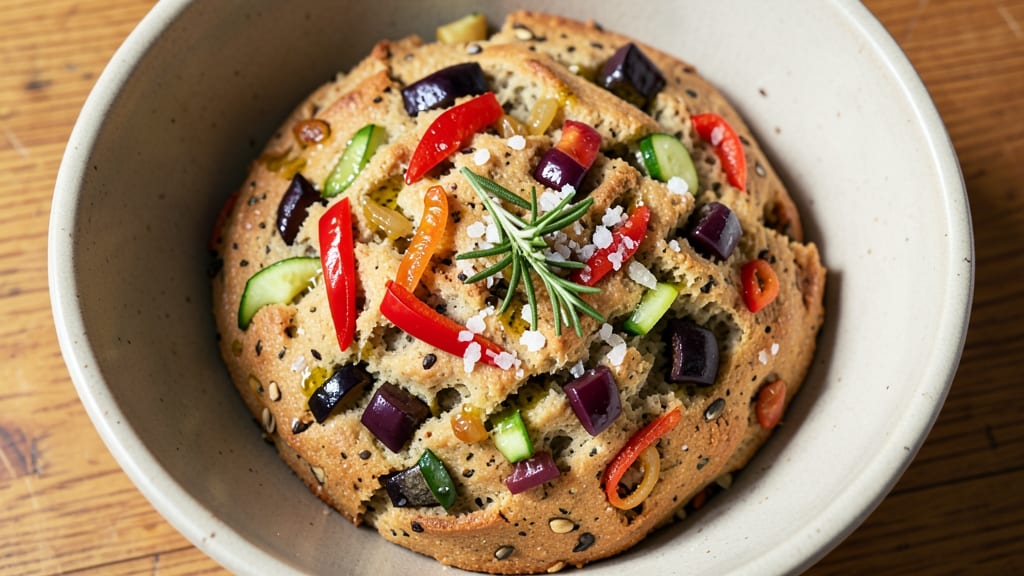
This vegetable bread recipe transforms simple whole grains into a hearty loaf packed with hidden veggie nutrition—no one will guess it's packed with puréed carrots and zucchini. As a kid flipping pancakes with my dad, I learned bread-making is all about patience and precision, and this recipe delivers both.
The key lies in balancing moisture from vegetables with the structure of whole grains, creating a loaf that's both nutritious and satisfying.
The beauty of this method is its flexibility—whether you're baking for a family dinner or meal prepping for the week, this bread adapts effortlessly.
I developed it after years of experimenting with garden-fresh vegetables, and the result is a loaf with a crisp crust, tender crumb, and subtle vegetable sweetness that pairs perfectly with soups, sandwiches, or simply toasted with butter.
The recipe uses a simple yeast-based method, but I'll share tips for sourdough and gluten-free adaptations too.
What makes this bread truly special is how it sneaks in nutrition without sacrificing flavor. The vegetables add natural sweetness and moisture, while whole grains provide fiber and texture. You'll end up with a loaf that's perfect for everyday meals—think garlic butter toast, grilled cheese sandwiches, or even French toast.
The best part? It freezes beautifully, so you can bake once and enjoy for weeks.
For those with dietary restrictions, I've included modifications to make this bread vegan-friendly or gluten-free, ensuring everyone at the table can enjoy it. Let's get started on creating a loaf that's as good for you as it is delicious.
Ingredients for vegetable bread
Pantry staples meet garden-fresh veggies for a loaf that's nutritious and delicious.
| Ingredient | Amount | Notes |
|---|---|---|
| All-Purpose Flour 🌾 | 3 cups | For structure and texture |
| Whole Wheat Flour 🌾 | 2 cups | For added fiber and nutrition |
| Active Dry Yeast 🍞 | ¼ oz | Or 2 1/4 tsp, fresh yeast preferred |
| Granulated Sugar 🍚 | ¼ cup | Feeds yeast for activation |
| Warm Water 💧 | 1 ¼ cups | 110°F for yeast activation |
| Extra-Virgin Olive Oil 🫒 | ¼ cup | For richness and moisture |
| Puréed Carrots 🥕 | 1 cup | Steamed and blended smooth |
| Puréed Zucchini 🥒 | 1 cup | Steamed and blended smooth |
| Salt 🧂 | 1 ½ tsp | Diamond Crystal preferred |
| Honey 🍯 | 1 tbsp | For subtle sweetness |
| Ground Flaxseed 🌱 | 1 tbsp | For omega-3s and binding |
| Cinnamon 🌿 | ½ tsp | Enhances vegetable sweetness |
| Cornmeal 🌽 | ¼ cup | For crust texture |
The flours are the foundation—whole wheat adds heartiness while all-purpose keeps the crumb tender. Bob's Red Mill is my go-to for whole wheat, but any high-quality brand works. For the yeast, check the expiration date—old yeast won't activate properly. The carrots and zucchini should be steamed until completely soft before puréeing; any wateriness will make the dough gummy. I always use organic produce when possible, but regular works fine too. The flaxseed is key for binding—don't skip it unless you're using an egg substitute for vegan versions.
No whole wheat flour? Substitute with spelt flour or use all all-purpose, but add 1 tbsp vital wheat gluten for structure. Short on carrots? Sweet potato purée works beautifully—just adjust the cinnamon to 1 tsp. The honey can be swapped for maple syrup if you prefer. For a gluten-free version, use a 1:1 gluten-free flour blend (like King Arthur) and add 1 tsp xanthan gum. The cornmeal is optional but gives that perfect rustic crust—skip it if you're in a hurry, but I don't recommend it. For extra flavor, add 1 tsp orange zest to the puréed veggies.
This dough keeps in the fridge for up to 24 hours, covered tightly. For longer storage, shape the loaf and freeze it unbaked—thaw overnight in the fridge before baking. The baked loaf stays fresh for 3-4 days at room temperature, wrapped in a clean kitchen towel. For freezing baked bread, slice it first—toast straight from frozen for crispy results. I always bake two loaves and freeze one; it's perfect for garlic butter toast or grilled cheese later in the week.
Why You'll Love This Recipe
- No-Knead Magic: Honestly, I swear by this—just mix the flours, yeast, and warm water, let it rise overnight, and bake. No standing over a dough, no punchy arms. The whole wheat adds heartiness, but the all-purpose keeps it light, so it’s foolproof even if you’re not a baker.
- Earthy Sweet Crunch: That touch of granulated sugar in the dough caramelizes just enough to give the crust a subtle sweetness, while the veggie purée (if you add it) keeps it rich and savory. It’s the kind of bread where every bite feels balanced—like a hug for your taste buds.
- Lunchbox Hero: Between us, this bread is my go-to for sandwiches, toast, or even as a side with soups. The whole wheat holds up to strong fillings (hello, PB&J or hummus), and it’s sturdy enough to pack for work or school. My kid still asks for it every week—no lie.
- Budget-Friendly Staple: I make a double batch on Sundays, and it lasts all week. The whole wheat flour cuts costs, and the yeast makes it stretch farther than store-bought. Plus, the leftovers? Toss them in the toaster—crispy, cheap, and always satisfying. (Yes, even on a Tuesday night.)
Step-by-step instructions for vegetable bread
Here's how to transform simple ingredients into a nutritious, flavorful loaf with hidden veggie goodness.
Activate the Yeast for Maximum Rise
In a small bowl, combine the 1.25 cups warm water (around 110°F), 0.25 cup granulated sugar, and 0.25 oz active dry yeast. Let this sit for 5-10 minutes until you see bubbles forming on the surface and a foamy texture develops. This confirms your yeast is alive and ready to work.
If no bubbles appear after 10 minutes, your yeast may be inactive—start fresh with a new packet. The warm water is crucial; too hot kills yeast, too cold slows activation. Once bubbly, proceed immediately to prevent the yeast from losing its potency.
Mix the Wet and Dry Ingredients
In a large mixing bowl, whisk together the 3 cups all-purpose flour, 2 cups whole wheat flour, 1.5 tsp salt, 0.5 tsp cinnamon, and 1 tbsp ground flaxseed. Create a well in the center and pour in the yeast mixture, 0.25 cup extra-virgin olive oil, 1 cup puréed carrots, 1 cup puréed zucchini, and 1 tbsp honey. The puréed vegetables will add moisture and subtle sweetness without altering the bread's texture.
Mix with a wooden spoon or dough whisk until a shaggy dough forms. The whole wheat flour will make this dough slightly stickier than traditional bread dough, so don't be tempted to add extra flour yet—this is normal. The dough should be soft but manageable, with no dry spots remaining in the bowl.
Knead Until Smooth and Elastic
Turn the dough onto a lightly floured surface and knead for 8-10 minutes until smooth and elastic. You'll know it's ready when it springs back slowly when poked and no longer sticks to your hands. The vegetable purées will make the dough slightly denser, so knead more vigorously than you would with all-purpose flour alone.
If the dough feels too sticky, wet your hands slightly while kneading rather than adding extra flour. This ensures the bread retains its moisture and doesn't become dry. Shape the dough into a round ball, place it back in the bowl, cover with a damp towel, and let it rise in a warm place for 1-1.5 hours or until doubled in size.
Shape and Proof for Perfect Texture
Punch down the risen dough to release air, then shape it into a 9x5-inch loaf pan by folding the edges toward the center and pressing gently. Sprinkle 0.25 cup cornmeal evenly over the bottom of the pan first—this prevents sticking and adds a subtle crunch to the crust. The cornmeal will also help create that classic bread texture you crave.
Cover the pan with a damp towel and let the dough proof for another 30-45 minutes until it rises about 1 inch above the pan's rim. The second rise is crucial for achieving that light, airy crumb. Preheat your oven to 375°F during this time to ensure it's fully heated by baking time.
Bake to Golden Perfection
Bake the bread for 35-40 minutes until the top is deep golden brown and sounds hollow when tapped on the bottom. The internal temperature should reach 190-200°F when measured with an instant-read thermometer. The bread will continue cooking slightly as it cools, so remove it when the edges are set but the center still feels slightly soft.
Let the bread cool in the pan for 10 minutes, then transfer to a wire rack. The cooling process is where the magic happens—the bread will firm up and develop its final texture. Slice while still warm for the best flavor and texture, or store wrapped at room temperature for up to 3 days. The vegetable purées will keep the bread moist longer than traditional bread.
Pro Tips For Making Vegetable Bread
- Bloom the Yeast First: Skip mixing yeast directly into flour—it’s lazy and often kills it. Instead, dissolve the yeast and sugar in warm water (110°F, not hot) and let it foam for 5-10 minutes first. If it doesn’t bubble, your bread’s going to be flat no matter how much you knead.
- Mix Flours Separately: Whole wheat flour absorbs moisture like a sponge, so blend it after the dough comes together. Start with all-purpose flour, hydrate it, then fold in the whole wheat gradually. This keeps the dough from turning into a gluey mess—trust me, I’ve seen it happen.
- Don’t Over-Knead: You’re not making pasta. Knead just until the dough pulls away from the bowl (about 8-10 minutes by hand). Overwork it, and the whole wheat flour will turn the bread dense and chewy. Stop when it’s smooth, not when your arm gives out.
- Proof at Room Temp: Skip the fridge—unless you’re in a hurry, which you shouldn’t be. Let the dough rise in a warm spot (75°F) for 1-2 hours until it’s almost doubled. Cold proofing delays things, and warm proofing makes the yeast lazy. Find that middle ground, or your bread’s going to taste half-baked.
Storing and reheating this dish
Room-Temp Storage
This bread stays fresh for 3-4 days at room temperature when wrapped in a clean kitchen towel or airtight container. The vegetable purées actually help retain moisture better than regular bread, so you won't get that dry texture.
I always keep a loaf on my counter for quick toast—just slice and pop in the toaster. For extra freshness, store it in a bread box or canvas-lined basket to maintain even humidity. 🌾
Fridge Preservation
If you need to extend freshness beyond 4 days, transfer the bread to the fridge wrapped in plastic wrap or foil. The cold air helps preserve the moisture from the vegetables for up to 7 days. I recommend slicing before storing—this prevents the loaf from drying out.
When ready to eat, simply toast slices for that fresh-baked taste. The fridge is perfect for meal prep when you're planning sandwiches or garlic bread for the week.
Freezer Magic
Baked vegetable bread freezes beautifully—slice it first for convenience. Wrap individual slices in plastic wrap, then place them in a freezer bag with all the air squeezed out. Label with the date and freeze for up to 3 months. For quick breakfasts, toast straight from frozen—no thawing needed!
I always bake two loaves and freeze one; it's perfect for lazy mornings when I don't have time to bake. The vegetables maintain their moisture even after freezing, so you won't get that freezer-burned texture. ❄️
Reviving Stale Bread
If your bread starts to dry out, don't toss it! Pop slices in a 350°F oven for 3-5 minutes with a spritz of water to refresh. For a more dramatic transformation, make French toast using the stale slices.
The vegetable purées actually make stale bread more forgiving—it soaks up liquids beautifully. I've revived bread that was dry for days this way, and it always tastes better than store-bought. This is why I always bake extra!
Vegan Adaptations
For vegan storage, use the same methods but avoid dairy-based wraps. Instead, wrap bread in parchment paper or use beeswax wraps for room-temperature storage. In the freezer, vacuum-seal slices for maximum freshness. The flaxseed in this recipe already provides natural binding, so vegan versions hold up just as well.
I've found these breads actually freeze better without dairy, as they don't develop that "greasy" texture when thawed. 🌱
Nutrition facts
Frequently asked questions
Can I use fresh vegetables instead of puréed ones?
Fresh veggies won't work—they'll release too much moisture and make the dough gummy. Always steam or roast vegetables until completely soft, then purée them smooth. This ensures the bread stays tender without becoming dense.
Why does my dough feel too sticky?
The whole wheat flour and vegetable purées create a naturally sticky dough. Instead of adding extra flour, wet your hands slightly while kneading. This keeps the bread moist and prevents dryness. The stickiness is normal—don't let it discourage you!
Can I make this bread without a loaf pan?
Shape the dough into a free-form boule or batard and bake on a parchment-lined sheet. Brush with olive oil for a crispy crust. The baking time will be 5-7 minutes longer—check at 42-45 minutes for golden brown color.
How do I know when the bread is fully baked?
Look for a deep golden brown crust and use the "knock test"—tap the bottom of the loaf. If it sounds hollow, it's done. The internal temperature should reach 190-200°F. Removing it slightly early prevents over-browning while keeping the center tender.
What's the best way to add flavor variations?
Try these easy swaps: Replace ½ cup puréed veggies with roasted red pepper purée for a smoky twist, or add 1 tsp dried herbs (rosemary or thyme) to the dough. For sweet versions, boost honey to 2 tbsp and add ½ tsp vanilla extract. The possibilities are endless!