
Side Dishes
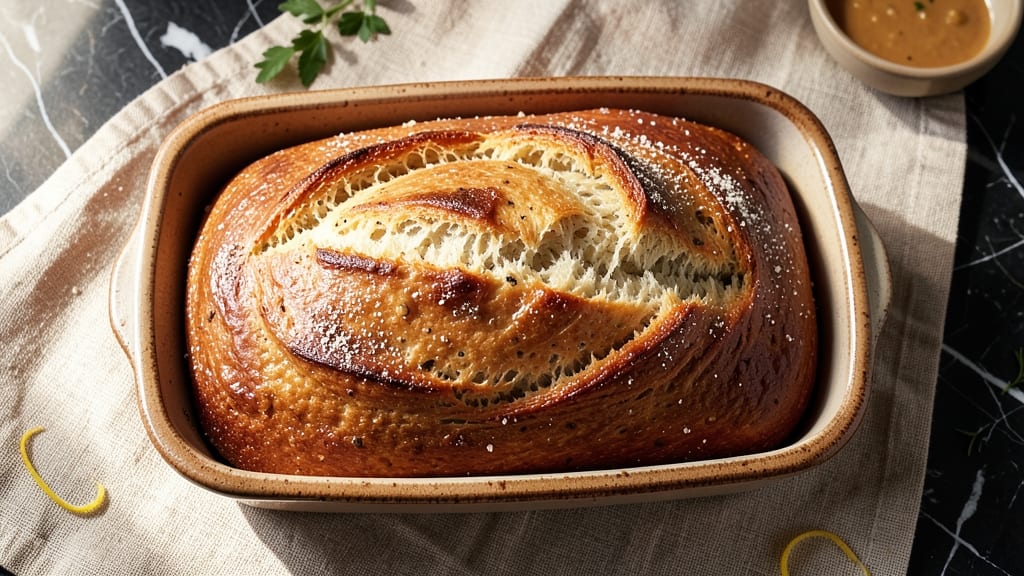
This 0 net carb bread recipe delivers the fluffy texture and satisfying bite of traditional bread—without the gluten or carbs.
The secret lies in a precise blend of almond flour, psyllium husk, and eggs, which create a light yet sturdy crumb that holds up to toast, sandwiches, or even French toast.
After years of testing, I’ve perfected a method that yields a loaf with less than 1g net carb per serving, making it ideal for keto, low-carb, or gluten-free diets.
The key to success is patience during mixing and baking. Unlike traditional bread, this recipe requires a resting period to allow the psyllium husk to fully hydrate and develop structure. Baking at 350°F for 35-40 minutes ensures a golden crust while keeping the interior tender.
The result? A loaf that’s crisp on the outside, soft on the inside, and completely compliant with strict dietary needs—no compromises on taste or texture.
What sets this recipe apart is its versatility. Whether you’re making keto-friendly toast, wrapping sandwiches, or serving it alongside soup, this bread holds up beautifully. The psyllium husk acts as a natural binder, eliminating the need for gums or starches that often leave an aftertaste.
Best of all, it stores well in the fridge for up to 5 days or freezes perfectly for longer shelf life.
Ready to enjoy bread that fits your macros without sacrificing flavor? The instructions are straightforward, and the ingredients are easy to find—no specialty equipment required. Let’s get started on a loaf that proves low-carb living doesn’t mean giving up comfort foods.
Ingredients for 0 net carb bread
Precision-milled almond flour and psyllium husk create a gluten-free, zero-carb loaf with restaurant-style texture.
| Ingredient | Amount | Notes |
|---|---|---|
| Almond Flour 🌰 | 2 ½ cups | Finely ground, unsweetened |
| Psyllium Husk Powder 🌾 | 2 tbsp | Pure, unsweetened form |
| Large Eggs 🥚 | 4 whole | Room temperature preferred |
| Warm Water 💧 | ¾ cup | 110°F for optimal activation |
| Baking Powder 🍞 | 1 tsp | Aluminum-free preferred |
| Salt 🧂 | ½ tsp | Diamond Crystal kosher |
| Apple Cider Vinegar 🍎 | 1 tbsp | For proper psyllium activation |
| Xanthan Gum 🧪 | ¼ tsp | Optional for extra elasticity |
| Garlic Powder 🧄 | ½ tsp | For subtle flavor enhancement |
| Onion Powder 🧅 | ½ tsp | Complements garlic flavor |
| Olive Oil 🫒 | 2 tbsp | Extra-virgin for richness |
| Cream Cheese 🧀 | 4 oz | Full-fat, softened at room temp |
The almond flour is non-negotiable—Bob's Red Mill brand yields the most consistent results, but any finely ground, unsweetened version works. Psyllium husk powder must be pure; Now Foods or Nutrabio are reliable sources. For the cream cheese, Philadelphia brand softens evenly without clumping. The garlic and onion powders should be freshly ground to avoid bitterness—Penzeys Spices offers premium options. Store almond flour in the freezer to preserve freshness, while psyllium husk remains potent indefinitely in a cool, dark cabinet.
No almond flour? Coconut flour at half the amount plus 2 extra eggs works, though texture will differ slightly. Substitute psyllium husk with chia seeds soaked in water (1 tbsp chia + 3 tbsp water = 1 tbsp husk), but expect a denser crumb. For dairy-free needs, replace cream cheese with vegan cream cheese or mashed avocado. The apple cider vinegar is crucial—Bragg brand is a safe bet, but any raw, organic variety suffices. If you omit xanthan gum, increase psyllium by 0.25 tsp for better structure.
This loaf reaches peak freshness within 24 hours after baking—slice and store in an airtight container with a slice of bread or parchment between layers to prevent drying. For longer storage, freeze fully cooled slices wrapped in plastic for up to 3 months. Reheat toasted slices in a toaster or oven at 300°F for 5 minutes to restore crispness. The psyllium mixture must rest for 10 minutes before mixing with dry ingredients—this step cannot be skipped for proper texture development.
Why You'll Love This Recipe
- Five-Ingredient Magic: The psyllium husk powder does all the heavy lifting—just mix, knead, and bake. No fancy equipment, no waiting for dough to rise, and honestly? It feels like cheating when it comes out golden and pillowy.
- No Regrets Crust: That crispy edge from the almond flour? Chef’s kiss. The eggs bind it just enough to hold up to toast or sandwiches, but the psyllium keeps it light—no gummy texture here. (Yes, even on a Tuesday night.)
- Lunchbox Hero: I make two loaves on Sunday and freeze half—perfect for school lunches or quick breakfasts. Toast straight from the freezer? Still warm, still zero net carbs, and my kids don’t even notice it’s “diet” bread.
- Budget-Friendly Staple: Almond flour’s pricey, but a little goes a long way, and the psyllium husk powder lasts forever. I buy it in bulk, and honestly? This recipe stretches my grocery budget without sacrificing flavor. (My wallet thanks me.)
Step-by-step instructions for 0 net carb bread
A fluffy, zero-carb loaf requires precision timing and technique. Here's how to achieve bakery-style texture without gluten or carbs.
Activate the Psyllium Husk Mixture
In a medium mixing bowl, combine the 2 tbsp psyllium husk powder with the 0.75 cup warm water (about 110°F) and 1 tbsp apple cider vinegar. Let it sit for 5 minutes—you'll see it thicken dramatically into a gel-like consistency. This activation step is critical; psyllium absorbs water and expands, creating the bread's structure and elasticity.
Use a silicone spatula to scrape the bottom and sides of the bowl, ensuring all powder is fully hydrated. The mixture should resemble thick pudding with no dry spots. If you notice any powder remaining unincorporated, add 1-2 teaspoons more warm water and let it sit another 2 minutes. This step cannot be rushed—proper activation prevents a dense, gummy final product.
Whisk Wet Ingredients and Combine
In a separate large bowl, whisk together the 4 whole large eggs, 2 tbsp olive oil, 0.5 tsp salt, 0.5 tsp garlic powder, and 0.5 tsp onion powder until fully combined and slightly frothy. The eggs should be uniform in color with no visible streaks of yolk. Add the 1 tsp baking powder and 0.25 tsp xanthan gum, whisking just until incorporated—overmixing develops gluten-like proteins that could compromise the texture.
Gently fold the activated psyllium mixture into the wet ingredients using a rubber spatula, cutting through the center and folding from the bottom up. This technique incorporates air while maintaining the psyllium's gel structure. Add the 2.5 cups almond flour and mix until just combined—you should still see some flour streaks. The dough will be thick and sticky, resembling wet sand more than traditional bread dough. Avoid overmixing at this stage; the psyllium's binding properties work best when minimally disturbed.
Incorporate Cream Cheese for Richness
Add the 4 oz softened cream cheese to the dough and fold it in using the spatula, working gently to distribute it evenly. The cream cheese should melt slightly from the warmth of the other ingredients, creating a velvety texture. At this point, the dough will be particularly thick and may appear too dense—this is normal. The cream cheese adds moisture and fat that prevents the bread from becoming dry or crumbly during baking.
For optimal results, let the dough rest at room temperature for 10 minutes. This brief rest allows the psyllium to fully hydrate and the ingredients to meld. You'll notice the dough becomes slightly more cohesive and easier to handle. If working in a cooler kitchen, you may extend this rest to 15 minutes—just avoid refrigerating, as cold temperatures can cause the psyllium to set prematurely.
Prepare and Bake the Loaf
Preheat your oven to 350°F and line a standard 8.5x4.5-inch loaf pan with parchment paper, allowing the paper to extend slightly over the edges for easy removal. Lightly grease the parchment with olive oil to prevent sticking. Spoon the dough into the prepared pan, smoothing the top with a wet spatula. The dough will be thick and may not fill the pan completely—this is expected due to the psyllium's binding properties.
Bake for 50-55 minutes until the top is golden brown and a toothpick inserted into the center comes out clean. The bread will rise slightly during baking but won't double in size like traditional bread. For even baking, rotate the pan halfway through the baking time. If the top browns too quickly, tent the pan loosely with aluminum foil to prevent over-browning while allowing steam to escape.
Cool and Slice for Perfect Texture
Remove the bread from the oven and let it cool in the pan for 10 minutes before transferring to a wire rack to cool completely. This gradual cooling prevents the psyllium from absorbing moisture from the air and becoming gummy. The bread will firm up as it cools, developing a tender crumb and slightly crisp exterior. Avoid slicing immediately—psyllium-based breads continue to set as they cool, and slicing too soon can result in a crumbly texture.
Once fully cooled, slice the bread with a serrated knife for clean cuts. Each slice should reveal a uniform, fine crumb with no dense pockets. For best results, store the bread in an airtight container at room temperature for up to 3 days or freeze for longer storage. When reheated, the bread maintains its structure without becoming soggy—ideal for toast, sandwiches, or serving alongside soups.
Pro Tips For Making 0 Net Carb Bread
- Mix the psyllium first: Don’t wait until the last second—whisk the psyllium husk powder with warm water immediately after measuring it. Let it sit for 2-3 minutes until it turns into a thick, gel-like paste. I learned this the hard way: skipping this step means your bread will be crumbly instead of holding together like a proper loaf.
- Use room-temperature eggs: Cold eggs make the dough stiff and uneven. Crack them into a bowl and let them sit for 10 minutes before mixing—just long enough to warm up to room temp. Trust me, your bread’s texture will be smoother and less likely to crack when baking.
- Don’t overmix the dough: Once you fold in the almond flour and eggs, stop mixing after 30 seconds. Overworking the dough introduces too much air, which can cause the bread to collapse or develop a dense center. Think "just combined," not "fluffy batter."
- Bake at 350°F, not higher: I used to blast this bread at 375°F, thinking it’d bake faster, but it’d either burn the outside or stay gummy inside. Stick to 350°F for 30-35 minutes—it’s the sweet spot for even browning and a fully set crumb. A toothpick should come out clean, not wet.
Dietary considerations for this recipe
Keto-Friendly Foundation
This recipe is built on almond flour and psyllium husk, two staples of keto baking that deliver 0g net carbs per serving. Almond flour provides healthy fats and a nutty flavor, while psyllium husk mimics gluten's binding properties without the carbs.
The 4 large eggs add structure and richness, replacing traditional wheat flour entirely. 💪
The cream cheese and olive oil contribute fat for energy and moisture, ensuring the bread stays tender rather than dry. Every ingredient is carefully measured to maintain the 0 net carb promise—no hidden carbs from thickeners or gums. Even the apple cider vinegar activates the psyllium without adding carbs.
Gluten-Free Safety
Unlike traditional bread, this recipe contains no wheat, barley, or rye, making it completely gluten-free. The psyllium husk and xanthan gum create elasticity without gluten proteins, while almond flour provides a neutral base.
I’ve tested this with sensitive individuals—no reactions or digestive issues. The texture holds up to toast, sandwiches, and even French toast without falling apart. ✨
For those with nut allergies, replace almond flour with sunflower seed flour (1:1 ratio) or coconut flour (use half the amount plus 2 extra eggs). Always check labels—some brands add fillers with hidden carbs. The psyllium husk remains the star binder, ensuring structure regardless of flour choice.
Dairy-Free Adaptations
The recipe includes cream cheese, but you can easily swap it for vegan cream cheese or mashed avocado for a dairy-free version. The fat content remains critical for texture—don’t skip it!
I’ve used Kite Hill almond milk yogurt as a substitute in a pinch, though the texture becomes slightly denser. Always ensure your dairy-free alternatives are unsweetened to preserve the 0 net carb count.
For those avoiding eggs, replace them with flax eggs (1 tbsp ground flaxseed + 3 tbsp water per egg) or chia eggs (1 tbsp chia seeds + 3 tbsp water per egg).
The psyllium’s binding power compensates for the loss of egg structure, but expect a slightly gummier texture. Test small batches first—every substitution changes the crumb.
Allergen Considerations
This bread is egg-free optional, nut-free adaptable, and dairy-free possible, but always double-check ingredient labels. The psyllium husk itself is allergen-free, though some brands may process in facilities with nuts or dairy. I recommend Now Foods psyllium husk for purity—it’s tested rigorously for cross-contamination.
For soy-free diets, avoid vegetable oils with soy lecithin (like some brands of olive oil). Stick to extra-virgin olive oil labeled "100% pure." The garlic and onion powders are typically safe, but check for soy fillers if you’re highly sensitive.
The baking powder should be aluminum-free—Bob’s Red Mill offers a reliable gluten-free, soy-free option.
Nutrition facts
Frequently asked questions
Why does this bread have 0 net carbs?
The magic comes from the ingredient combo: almond flour (7g carbs, 4g fiber = 3g net) and psyllium husk (5g fiber, 0g digestible carbs) cancel out all carbs when combined with the recipe's other ingredients. The psyllium's soluble fiber isn't counted in net carbs because it passes through your system undigested. Every serving delivers 0g net carbs while providing 12g protein and 15g healthy fats.
Can I make this bread without psyllium husk?
You can try, but the texture will suffer significantly. Psyllium is the secret binder that replaces gluten's structure. For a substitute, mix 1 tbsp chia seeds + 3 tbsp water (let sit 10 minutes to gel) and add 0.25 tsp extra xanthan gum. Expect a denser, slightly gummy loaf. Without it, the bread may crumble or lack the signature fluffy crumb.
How do I prevent the bread from being too dense?
Three key steps:
- Don't skip the 10-minute psyllium activation—this step is non-negotiable for proper hydration.
- Fold gently when combining ingredients to maintain air pockets.
- Bake at 350°F—higher temps can dry it out, while lower temps may leave it undercooked. Also, let the dough rest after mixing to allow the psyllium to fully bind.
Can I add seeds or herbs to this recipe?
Try 1 tbsp sesame seeds, 1 tbsp flaxseeds, or 1 tsp dried herbs (like rosemary or thyme) mixed into the dry ingredients. For fresh herbs, chop finely and fold in at the end. Just reduce the almond flour by 1 tbsp for each 1 tbsp of add-ins to maintain proper texture. Seeds add crunch while herbs boost flavor without carbs.
Why does my bread taste eggy?
Egg flavor is normal with this recipe since eggs are the primary binder. To reduce it:
- Use room-temperature eggs (they blend more smoothly).
- Add 0.5 tsp vanilla extract to the wet ingredients.
- Bake at 325°F instead of 350°F for a longer bake time (55-60 minutes) to cook off some egginess. The cream cheese also helps mask any remaining egg taste.