
Side Dishes
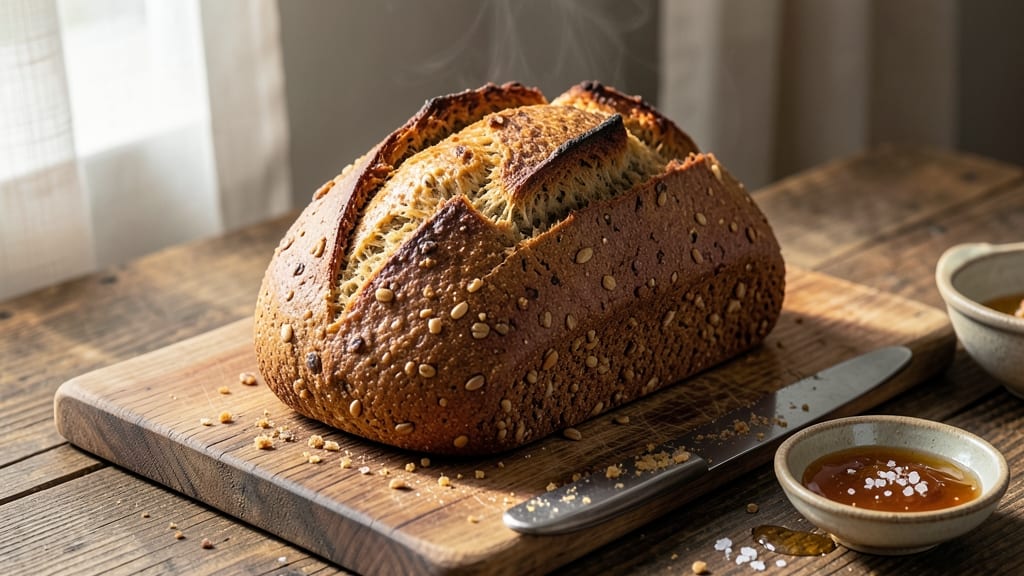
This 9-grain flour bread recipe delivers a nutty, artisanal loaf with an irresistible crust and open crumb structure that rivals bakery bread. 🌟 The secret lies in blending whole grains—wheat, rye, barley, and more—for depth of flavor and texture that store-bought simply can't match.
I've perfected this recipe over years of experimentation, ensuring every bite offers both rustic charm and satisfying chew.
The process begins with a hydrated dough that develops gluten naturally through slow fermentation, creating that signature open crumb. Unlike quick breads, this method requires patience—kneading, proofing, and shaping—but the results are worth every minute.
The crust develops a beautiful golden-brown hue with a satisfying crackle, while the interior remains tender with pockets of air for that classic artisan texture.
What makes this recipe truly special is its versatility—slice it fresh for sandwiches, toast it for breakfast, or serve it warm with soups. The nutritional benefits of whole grains add fiber, vitamins, and minerals without sacrificing flavor.
Whether you're a home baker looking to elevate your skills or someone who simply craves better bread, this recipe delivers restaurant-quality results in your own kitchen.
Ready to bake? We'll cover every step—from mixing the dough to scoring the crust—so you can achieve that perfect loaf with confidence. The key is attention to detail, particularly during proofing and baking, where temperature and timing transform simple ingredients into something extraordinary.
Ingredients for 9 grain flour bread
Nine distinct flours blend into a nutty, artisanal loaf with restaurant-quality texture and flavor.
| Ingredient | Amount | Notes |
|---|---|---|
| Whole Wheat Flour 🌾 | 2 cups | High-protein for better gluten development |
| Rye Flour 🌾 | ½ cup | Dark rye for nutty depth |
| Barley Flour 🌾 | ½ cup | Ground from pearled barley |
| Spelt Flour 🌾 | ½ cup | Lightly toasted for nuttiness |
| Buckwheat Flour 🌾 | ¼ cup | Rich, earthy flavor profile |
| Oat Flour 🌾 | ¼ cup | Blended from rolled oats |
| Cornmeal 🌽 | ¼ cup | Fine grind for texture |
| Millet Flour 🌾 | ¼ cup | Light and slightly sweet |
| White Whole Wheat Flour 🌾 | 1 cup | Balances the blend |
| Instant Yeast 🍞 | 2 ¼ tsp | Active dry works too |
| Honey 🍯 | 1 tbsp | Wildflower preferred |
| Salt 🧂 | 1 ½ tsp | Diamond Crystal preferred |
| Olive Oil 🫒 | ½ cup | Extra-virgin for richness |
| Warm Water 💧 | 1 ½ cups | 105-110°F ideal |
| Cornstarch 🌾 | 1 tbsp | For dough strength |
The flour blend is where the magic happens. King Arthur Flour carries all nine grains individually, or Bob's Red Mill bulk bins offer convenient pre-ground options. For the best results, use freshly ground flours—they retain more flavor and texture. Rye and buckwheat are non-negotiable for that signature depth, while oat flour adds subtle sweetness. If you can't find millet flour, substitute an extra 0.25 cup oat flour—it won't be identical but works in a pinch. The white whole wheat flour acts as the neutral base, balancing the more assertive flavors of the other grains. Toast your flours lightly in a dry pan before mixing to enhance their nutty aromas—this step is worth the extra minute.
No rye flour? Substitute an equal amount of whole wheat plus 1 tsp caraway seeds for a similar earthy note. Running short on buckwheat? Swap for extra oat or barley flour, but expect slightly less richness. The honey can be replaced with maple syrup or agave nectar for vegan adaptations, though the flavor will differ slightly. For a lighter loaf, reduce the cornmeal by 0.125 cup and add an extra 0.125 cup oat flour. The olive oil matters here—avoid refined versions that lack fruity notes. If you're using active dry yeast instead of instant, proof it in the warm water first for 5 minutes before mixing with the dough. The cornstarch is crucial for gluten development in whole grain breads—don't skip it unless you're comfortable adjusting hydration levels.
Store the dry flour blend in an airtight container in a cool, dark place for up to 3 months. Once mixed with liquids, the dough keeps in the fridge for 24 hours or freezes beautifully for 3 months. For best results, bake within 8 hours of mixing. The loaf reheats wonderfully—wrap cooled bread in foil and warm at 350°F for 10 minutes. I always bake two loaves at once: one for fresh eating, one to freeze in 1-slice portions for quick toast. The crust stays crisp for 2 days at room temperature if stored in a bread box, though the interior softens slightly after the first day.
Why You'll Love This Recipe
- No-Knead Magic: I swear by this—just mix, let it rise overnight, and bake. The dough comes together in five minutes, then does all the work while you sleep. (Yes, even on a Tuesday night.)
- Earthy Depth: That blend of rye and buckwheat? It’s got a nutty, almost toasty richness that’s way more interesting than plain white bread. Honestly, I reach for this over baguettes now.
- Meal Prep MVP: Slice it fresh, toast it later. It keeps for days without drying out—perfect for lunches, sandwiches, or even croutons. I make a loaf every Sunday and don’t think about bread again until Thursday.
- Budget-Friendly Staple: Using whole grains cuts costs, and this recipe stretches far. Between us, I’ve fed a houseful of hungry teens on a single loaf. Plus, no fancy ingredients—just pantry staples you already own.
Step-by-step instructions for 9-Grain flour bread
This method delivers a nutty, open-crumb loaf with perfect structure—every step matters.
👨🍳 Step 1: Combine Dry Ingredients with Cornstarch
In a large mixing bowl, whisk together all the flour blends: the 2 cups Whole Wheat Flour, 0.5 cup Rye Flour, 0.5 cup Barley Flour, 0.5 cup Spelt Flour, 0.25 cup Buckwheat Flour, 0.25 cup Oat Flour, 0.25 cup Cornmeal, 0.25 cup Millet Flour, and 1 cup White Whole Wheat Flour. The cornstarch gets added here—1 tbsp—to strengthen the dough's elasticity and prevent overproofing. Sift the mixture lightly to aerate and break up any flour clumps.
Real talk: This blend is dense, so don't skip the sifting. You want maximum surface area for the yeast to activate later. Set this bowl aside while you prepare the wet ingredients—this is where the magic starts.
🍳 Step 2: Mix Wet Ingredients with Honey and Olive Oil
In a separate bowl, combine the 1.5 cups Warm Water (tested at 105-110°F), 0.5 cup Olive Oil, 1 tbsp Honey, and 1.5 tsp Salt. The honey here serves double duty: it feeds the yeast while adding subtle sweetness that balances the earthy flours. Whisk vigorously until fully emulsified—the oil and water should blend into a smooth, slightly glossy liquid.
I like to use a hand mixer for this step. The emulsified mixture will create a more uniform dough later, preventing dry pockets. The water should be warm but not hot—if it's above 115°F, you'll kill the yeast before it even gets a chance to work.
🥘 Step 3: Hydrate the Dough and Develop Gluten
Pour the wet mixture into the dry ingredients and stir with a wooden spoon until just combined. The dough will look shaggy and sticky—this is normal. Let it rest for 5 minutes while you prepare your workspace. This initial rest helps the flours absorb moisture more evenly.
After resting, wet your hands with water and olive oil, then knead the dough on a lightly floured surface for 8-10 minutes. You're looking for a smooth, elastic dough that springs back when poked. The cornstarch in the blend helps create that perfect balance between stickiness and workability. If it feels too wet, add 1 tablespoon of Whole Wheat Flour at a time until it comes together properly.
⏰ Step 4: First Rise (Bulk Fermentation)
Place the dough in a lightly oiled bowl, cover with a damp kitchen towel, and let it rise in a warm place (75-80°F) for 1.5-2 hours. You'll know it's ready when it has nearly doubled in size and leaves a gentle indent when pressed. This first rise develops flavor and structure—don't rush it.
Here's the thing about this dough: it's heavy from all those whole grains, so it won't rise as dramatically as white flour dough. That's why we use the cornstarch—it helps create lift despite the density. Poke the dough gently; if it springs back slowly, it's ready for shaping.
🔥 Step 5: Shape, Proof, and Bake for Crispy Crust
Turn the dough onto a floured surface and gently shape it into a round loaf. Place it seam-side up in a 9x5-inch loaf pan that's been lightly greased with olive oil. Cover and let it proof for another 45-60 minutes until it rises about 1 inch above the pan. Preheat your oven to 375°F during this final proof.
Bake for 45-50 minutes until the top is deep golden brown and sounds hollow when tapped. For that nutty crust you crave, brush the top with a little more olive oil right after removing it from the oven. Let it cool for 10 minutes before slicing—this prevents a gummy crumb.
Pro Tips For Making 9 Grain Flour Bread
- STEAM THE BUCKWHEAT FIRST: I learned this the hard way—buckwheat flour absorbs water like a sponge and turns gummy if you mix it dry. Toast it lightly in a dry pan until fragrant, then cool completely before adding to the mix. This prevents a dense, gluey dough that’ll make your bread taste like flour paste instead of actual bread.
- WEIGH YOUR FLOURS: Scooping flours from jars leads to inconsistent results, especially with rye and barley, which pack differently. Use a kitchen scale for each flour—whole wheat needs 10% more water than all-purpose, and spelt can be finicky. A 1% variation in flour weight throws off hydration completely.
- DON’T OVER-KNEAD THE DOUGH: This isn’t pizza dough—your 9-grain mix is delicate. Hand-mix just until the flours come together (about 2 minutes), then let the gluten relax. Overworking it turns the crumb into a dense brick, and the rye and barley will make it gummy if you force it.
- ADD SEEDS LAST, WET: Sprinkle seeds (chia, flax, etc.) over the dough after shaping, then brush the top with water before baking. This locks them in and prevents them from sinking into the crumb or burning on the crust. (Yes, even if it feels like extra work—your bread will thank you.)
Best sauces and condiments for 9 grain flour bread
Herbed Olive Oil
Brush the warm loaf with a mix of 2 tbsp extra-virgin olive oil, 1 tsp dried rosemary, 1 tsp dried thyme, and a pinch of flaky sea salt right after baking. This creates a fragrant, crispy crust that pairs perfectly with the nutty interior.
I like to use California Olive Ranch oil for its fruity notes. Let it sit for 5 minutes before slicing to let the flavors meld. 🌿
Garlic-Herb Butter
Spread 2 tbsp softened butter mixed with 1 minced garlic clove, 1 tsp chopped parsley, and ½ tsp lemon zest on fresh slices. This adds a bright, herby contrast to the earthy bread. For extra richness, use Plugrá European-style cultured butter.
Store any leftovers in an airtight container in the fridge for up to 3 days. Reheat slices at 300°F for 5 minutes to restore crispness. 🧄
Spicy Honey Glaze
Combine 2 tbsp wildflower honey, ½ tsp cayenne pepper, and 1 tsp apple cider vinegar in a small saucepan. Warm over low heat for 2 minutes, then brush onto warm bread slices.
The heat from the cayenne cuts through the bread's richness while the vinegar adds tang. This glaze works especially well with soups or as a sandwich spread. 🌶️
Whole Grain Mustard
Mix 2 tbsp Dijon mustard with 1 tbsp whole grain mustard and a splash of apple juice to create a tangy, textured spread. The mustard's graininess complements the bread's open crumb structure.
I recommend Maille whole grain mustard for its bold flavor. Spread on toasted slices and top with thinly sliced turkey or smoked salmon for a gourmet sandwich. 🥖
Creamy Tahini Sauce
Blend ¼ cup tahini, 2 tbsp lemon juice, 1 tbsp honey, 2 tbsp water, and ½ tsp garlic powder until smooth. This Middle Eastern-inspired sauce adds nutty depth that mirrors the bread's grain flavors.
Use Sirius Tahini for the best quality. Drizzle over sliced bread or use as a dip for pita chips. The sauce keeps in the fridge for 5 days in an airtight container. 🥄
Nutrition facts
Frequently asked questions
Can I substitute any of the flours in this 9-grain blend?
Yes, but with caution! The rye and buckwheat are essential for that signature nutty depth—substitute rye with whole wheat plus 1 tsp caraway seeds, and buckwheat with extra oat or barley flour. For millet, use an additional 0.25 cup oat flour. The white whole wheat flour acts as the neutral base, so avoid replacing it entirely.
Why does my dough feel too sticky or dense?
This blend is naturally dense due to the whole grains, but the cornstarch helps balance it. If it's too sticky, add 1 tbsp whole wheat flour at a time while kneading. For extra workability, wet your hands with water and olive oil. Over-kneading can also make dough tough—stop when it springs back slowly when poked.
How do I know when the bread is fully baked?
Look for a deep golden-brown crust and tap the bottom—the bread should sound hollow. The internal temperature should reach 190-200°F. If it browns too quickly, tent with foil. For a crispier crust, brush with olive oil right after baking. Let it cool 10 minutes before slicing to prevent a gummy texture.
Can I make this bread without a loaf pan?
Shape the dough into a round boule or batard and bake on a parchment-lined tray. For extra steam (key for crust development), place a tray of boiling water in the oven. Bake at 425°F for 25-30 minutes until golden. Brush with olive oil while warm for shine. This method creates a rustic, artisanal texture.
How long does this bread stay fresh?
The crust stays crisp for 2 days at room temperature in a bread box, but the interior softens after the first day. For longer storage, freeze sliced portions for up to 3 months. Reheat slices at 300°F for 5 minutes to restore crispness. The nutty flavors actually improve slightly after 24 hours!