
Side Dishes
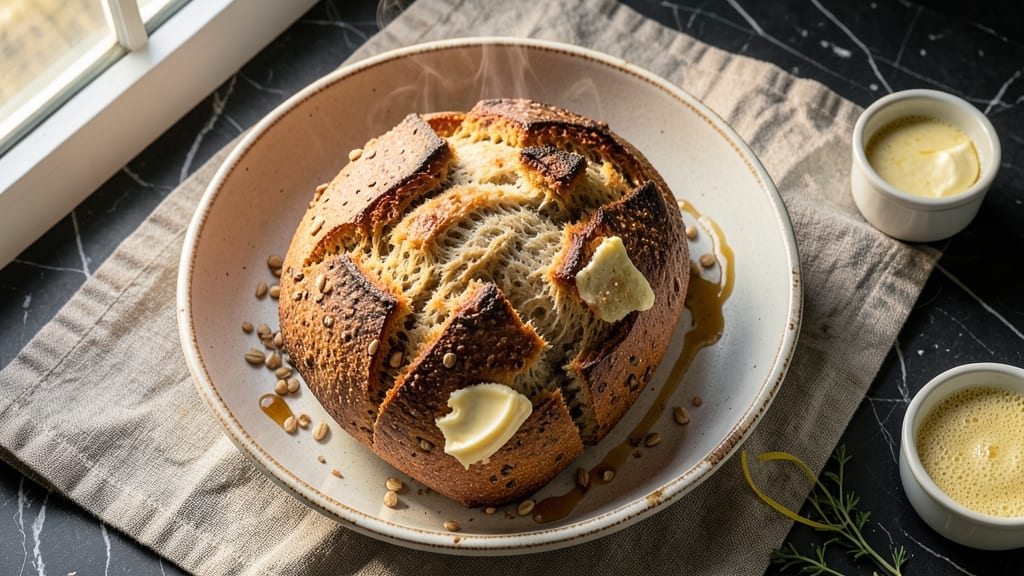
Mastering whole wheat bread with active dry yeast transforms dense loaves into golden-crusted, airy masterpieces. The secret lies in proper yeast activation and gentle handling—techniques that unlock that perfect nutty crust and tender crumb.
This recipe delivers restaurant-quality results at home, using simple ingredients and traditional methods that work every time.
Unlike store-bought versions, this bread develops deep wheat flavor through proper kneading and proofing. The active dry yeast creates ideal rise conditions, while steam during baking produces that coveted crispy crust. Each step builds on the last, ensuring you'll never settle for dense, heavy loaves again.
What you'll achieve is a loaf with a beautifully cracked crust that gives way to a soft, open crumb. The nutty whole wheat flavor shines through without overpowering, and the texture remains light despite using whole grains.
This is bread that makes you proud to serve—whether toasted with butter or sliced for sandwiches.
The process may seem detailed at first, but breaking it into yeast activation, dough development, and baking stages makes it manageable. With practice, you'll achieve perfect results consistently. Let's get started on creating your ideal whole wheat loaf.
Ingredients for active dry yeast whole wheat bread
Simple ingredients, expert techniques—this is your whole wheat bread transformation kit.
| Ingredient | Amount | Notes |
|---|---|---|
| Active Dry Yeast 🍞 | 2 ¼ tsp | Single-use packet preferred |
| Whole Wheat Flour 🌾 | 5 cups | High-protein preferred (12%+) |
| All-Purpose Flour 🍚 | 1 cup | Balances whole wheat texture |
| Granulated Sugar 🍬 | 1 tbsp | Feeds yeast activation |
| Unsalted Butter 🧈 | ½ cup | Cold, cubed for kneading |
| Warm Water 💧 | 1 ¼ cups | 110°F ideal temperature |
| Salt 🧂 | 1 ½ tsp | Diamond Crystal preferred |
| Olive Oil 🫒 | 1 tbsp | Extra-virgin for richness |
| Honey 🍯 | 1 tbsp | Enhances crust color |
| Active Dry Yeast 🍞 | 1 tsp | Extra for dough development |
| Cornmeal 🌽 | ¼ cup | For dusting baking sheet |
| Ice Water ❄️ | ½ cup | For final dough shaping |
The yeast is non-negotiable here. Bob's Red Mill or King Arthur active dry yeast works best—check the expiration date, even if unopened. Whole wheat flour varies wildly in protein content, so King Arthur or Bob's Red Mill are your safest bets for consistent results. The all-purpose flour acts as a tenderizer, balancing the whole wheat's heaviness. For the butter, Plugrá or Land O'Lakes unsalted gives the best flavor, but any good brand works. Keep everything cold until the dough comes together—warmth kills yeast too fast.
No active dry yeast? Instant yeast at half the amount works in a pinch, but don't skip the activation step. Substituting all whole wheat flour? Add 1 extra tbsp vital wheat gluten per cup to improve rise. The honey can be swapped for maple syrup at the same amount, though it'll darken the crust slightly. For the olive oil, avocado oil works too—just avoid refined oils that lack flavor. And if your kitchen's too warm for 110°F water, microwave 30 seconds to heat instead of boiling.
Yeast loses potency fast. Store your packet in the freezer for up to 6 months if you won't use it soon. The dough can be shaped and refrigerated overnight for a slower rise—just add 1-2 extra hours to baking time. For the crust, spray the oven walls with water right before baking to create steam. Leftovers? Slice and freeze portions for 3 months—toast straight from frozen for perfect texture. And save those crust scraps—they make amazing croutons.
Why You'll Love This Recipe
- No-Knead Nightmare Solved: I’ll admit, I used to dread whole wheat bread—dry, dense, and requiring a food processor. But this recipe? Just mix the yeast, warm water, and flours (half whole wheat, half all-purpose for structure), let it rise overnight, then bake. The butter and sugar add just enough richness to keep it tender without heavy hands.
- Nutty Yet Approachable: Between us, whole wheat bread can taste like eating a cardboard sandwich. Not this one—the combination of whole wheat’s earthy depth and the buttery richness from the sugar and butter creates a loaf that’s hearty but still inviting. Honestly, my picky-eater husband grabs the last slice before I do.
- Weeknight Magic: I make a batch every Sunday and freeze half. Toast straight from frozen? Perfect for rushed mornings. The rest becomes sandwich bread, French toast, or even croutons for salads. Plus, the dough’s forgiving—no strict timing, no fuss.
- Budget-Friendly Staple: Whole wheat flour’s cheaper than buying pre-made, and this recipe stretches far. A single batch feeds my family for days, and the yeast makes it rise beautifully without expensive shortcuts. That butter? A little goes a long way—just enough to make it feel special without breaking the bank.
Step-by-step instructions for active dry yeast whole wheat bread
Here's how to transform whole wheat flour into a loaf with a nutty crust and light interior—no dense crumb in sight.
Activate the Yeast for Maximum Rise
In a small bowl, combine the 1.25 cups warm water (about 110°F), 1 tbsp granulated sugar, and 2.25 tsp active dry yeast. Let it sit for 5-10 minutes until frothy—you should see bubbles forming on top. This confirms your yeast is alive and ready to work.
If no bubbles appear after 10 minutes, your yeast may be dead. Start fresh with a new packet. Once active, stir in the 1 tbsp honey and 1 tbsp olive oil to enrich the dough. This step sets the foundation for a well-developed gluten structure and that signature whole wheat flavor.
Mix and Knead the Dough
In a large mixing bowl, whisk together the 5 cups whole wheat flour, 1 cup all-purpose flour, and 1.5 tsp salt. Create a well in the center and pour in the yeast mixture. Using a wooden spoon, gently combine until a shaggy dough forms.
Turn the dough onto a lightly floured surface and knead for 8-10 minutes until smooth and elastic. I like to use the "windowpane test"—stretch a small piece of dough thin enough to see light through it. The 0.5 cup unsalted butter, cut into small cubes, should be worked into the dough during the last 2 minutes of kneading. This adds moisture and richness without making the dough too sticky.
First Rise and Shaping
Lightly oil a large bowl, place the dough inside, and cover with a damp towel. Let it rise in a warm spot for 1-2 hours, or until doubled in size. Whole wheat dough rises slower than white flour dough, so be patient—this is where the flavor develops.
Once risen, punch down the dough to release air, then divide it into 4 equal pieces. Shape each into a smooth ball, then flatten slightly into a round loaf shape. Here's the trick: fold the edges toward the center and press gently to seal. This creates a tight structure that holds its shape during baking.
Final Rise and Baking
Place the shaped loaves on a baking sheet dusted with 0.25 cup cornmeal. Cover again and let rise for 30-45 minutes until puffy. Preheat your oven to 375°F while the dough rises. Just before baking, brush the tops with a little ice water—this creates steam for a crispy, golden crust.
Bake for 30-35 minutes until the internal temperature reaches 190°F and the crust sounds hollow when tapped. The bread should have a deep golden color with a nutty aroma. If the top browns too quickly, tent with foil after 20 minutes to prevent over-browning.
Cool and Enjoy
Remove the bread from the oven and let it cool on a wire rack for at least 1 hour. This resting time allows the crumb to set properly. Slice into 4 even servings—you'll notice a light, airy interior with a satisfying chew and that beautiful nutty crust we promised.
For best results, store wrapped at room temperature for 2-3 days or freeze for up to 3 months. The flavor actually improves slightly as it stales, making it perfect for toast or sandwiches.
Pro Tips For Making Active Dry Yeast Whole Wheat Bread
- Bloom Yeast First: Skip the "just toss it in" approach—mix your active dry yeast with warm water (110°F) and a pinch of sugar first, then let it sit for 5 minutes until frothy. Whole wheat flour absorbs moisture like a sponge, and this step guarantees your yeast wakes up fully before hitting the dry ingredients. (Yes, even if you’re impatient like me, this makes a real difference.)
- Soften Butter Properly: Don’t just eyeball "softened"—press your butter between two sheets of parchment and let it sit at room temp for 30–45 minutes until it leaves a slight indent when pressed. Cold butter won’t mix evenly with whole wheat flour, and you’ll end up with uneven crumb or a dense loaf. (I learned this the hard way after kneading a brick.)
- Avoid Over-Kneading: Whole wheat dough toughens fast, so stop kneading when it springs back slowly (about 8–10 minutes by hand). Overworking it turns your bread into a chewy brick. If the dough sticks aggressively, you’ve gone too far—reduce flour slightly next time and knead less.
- Use Less Water: Whole wheat flour drinks up moisture like a camel, so reduce water by 1–2 tablespoons compared to all-purpose recipes. Start with 1 ¼ cups max, then add sparingly—your dough should be tacky but not sticky enough to glue your hands. (Trust me, your future self will thank you.)
Creative variations of this dish
Sweet Honey Whole Wheat
Boost the crust's depth by adding 1 extra tablespoon of honey to the yeast mixture—this caramelizes beautifully during baking, creating a glossy, amber finish. I like to drizzle 2 teaspoons of honey over the loaves right after shaping for extra flavor infusion.
For a richer touch, replace the olive oil with 1 tablespoon melted butter mixed into the yeast water. 🍯
Herb-Infused Variations
Stir 1 tablespoon fresh rosemary or thyme into the dough during kneading for a fragrant twist. For a Mediterranean flair, add 1 teaspoon dried oregano and ½ teaspoon garlic powder to the flour mixture.
These herbs pair perfectly with the nutty whole wheat flavor while keeping the bread light and airy.
Seeded Crunch Loaf
Mix ¼ cup sunflower seeds or pumpkin seeds into the dough for added texture. For extra crunch, sprinkle 2 tablespoons sesame seeds on top before baking. I recommend toasting the seeds in a dry pan for 2-3 minutes before adding them to enhance their flavor.
This variation adds a delightful contrast to the soft crumb.
Savory Garlic Bread Twist
Create a savory version by reducing the honey to ½ tablespoon and adding 2 minced garlic cloves to the yeast mixture. For extra richness, incorporate 1 tablespoon grated Parmesan cheese during kneading.
Brush the baked loaves with melted butter and sprinkle with garlic powder for a flavorful twist that works perfectly for sandwiches or dipping.
Dairy-Free Adaptation
Replace the butter with ¼ cup coconut oil (solid) for a dairy-free version that maintains the same moisture and richness. Use 1 tablespoon olive oil in the yeast mixture instead of honey if avoiding all sweeteners.
This adaptation keeps the bread's light texture while accommodating dietary restrictions. The flavor remains robust and satisfying.
Overnight Cold Ferment
For enhanced flavor, mix the dough as directed but refrigerate it overnight (up to 12 hours) before shaping. This slow fermentation develops deeper wheat flavors and improves gluten structure.
Simply punch down the dough, shape, and bake as usual. The result is a bread with more complexity and a slightly tangier taste. 🌙
Nutrition facts
Frequently asked questions
Why does my whole wheat bread turn out dense instead of light and airy?
Whole wheat flour absorbs more water and lacks gluten strength compared to white flour, which makes it prone to dense results. To fix this, always use high-protein whole wheat flour (12%+) and knead the dough for the full 8-10 minutes to develop gluten. Adding 1 cup all-purpose flour helps balance the texture, while ensuring proper yeast activation (frothy in 5-10 minutes) guarantees a good rise. Cold butter should be worked in during the last 2 minutes of kneading to maintain moisture without weakening the structure.
Can I substitute whole wheat flour with white flour in this recipe?
While you can replace up to 2 cups of whole wheat flour with all-purpose flour, the bread will lose its nutty flavor and nutritional benefits. For a lighter texture, reduce the substitution to 1 cup and add 1 tbsp vital wheat gluten per cup of whole wheat flour replaced. The gluten helps mimic the structure of whole wheat while keeping the flavor intact. If you're avoiding whole wheat entirely, consider a 70/30 all-purpose to whole wheat blend for a lighter loaf.
How do I know when the yeast is properly activated?
Proper yeast activation means seeing small bubbles forming on the surface and a frothy, foamy texture within 5-10 minutes of mixing with warm water and sugar. The water should be 110°F—too hot kills the yeast, while too cold slows it down. If no bubbles appear after 10 minutes, your yeast may be dead. Test a new packet immediately, as expired yeast won't activate. A quick fix is to place the packet in warm water for 10 seconds to revive it, but fresh yeast always works best.
What’s the best way to store leftover whole wheat bread?
For short-term storage, wrap the cooled bread tightly in plastic wrap or a bread bag and keep it at room temperature for 2-3 days. To extend freshness, slice the loaf and freeze portions for up to 3 months. Thaw frozen slices at room temperature or in the microwave (covered with a damp paper towel) for 10-15 seconds. Avoid refrigerating whole wheat bread—it dries out faster and loses flavor. For extra crispiness, toast frozen slices directly from the freezer.
Can I make this bread without a stand mixer?
Kneading by hand takes more effort but achieves the same results. Wet your hands slightly to prevent sticking, then press and fold the dough for 10-12 minutes until smooth and elastic. Use the "windowpane test"—stretch a small piece of dough thin enough to see light through it. For added strength, work in 1 extra minute of kneading. If the dough feels too sticky, add 1 tbsp flour at a time until it becomes manageable but not dry.