
Main Courses
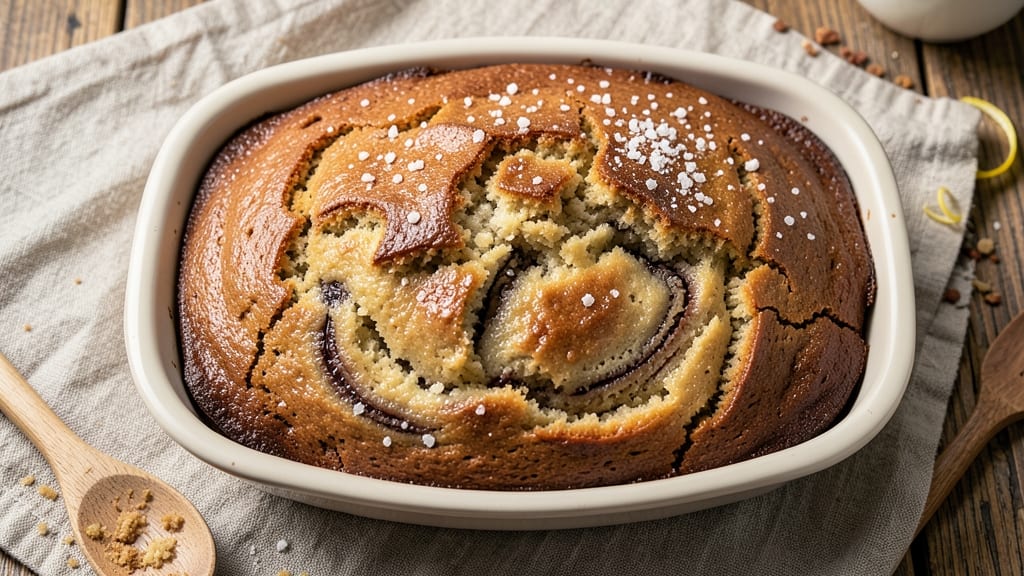
A banana bread recipe calling for 3/4 cup butter transforms simple ingredients into a loaf with a tender crumb and rich, buttery sweetness that keeps slices moist for days. The secret lies in the butter—it creates that signature velvety texture while balancing the natural sweetness of overripe bananas.
I’ve perfected this recipe through years of baking, ensuring every bite delivers that perfect harmony of moistness and flavor without being overly dense or dry.
What sets this recipe apart is the technique: creaming the butter and sugar properly aerates the batter, while the addition of sour cream adds moisture and tenderness. The result is a loaf with a golden crust and a crumb so soft it practically melts in your mouth.
Unlike many banana bread recipes that turn out gummy or cakey, this version stays perfectly balanced—moist but not soggy, sweet but not cloying.
The butter isn’t just a flavor enhancer here—it’s the foundation. Using unsalted butter gives you control over the saltiness, and the high fat content ensures the bread stays rich and flavorful.
For those watching their fat intake, I’ll share a substitution tip later, but the traditional version is hard to beat. This is the kind of banana bread that disappears faster than you can say "second slice."
Perfect for breakfast, dessert, or a snack, this recipe scales easily for gifts or gatherings. The aroma baking in the oven alone is enough to bring everyone running. Ready to bake a loaf that’ll have people asking for the recipe? Let’s get started with the ingredients.
Ingredients for a banana bread recipe calls for 3/4 cup butter
Butter, bananas, and a few pantry staples create the perfect ultra-moist banana bread loaf.
| Ingredient | Amount | Notes |
|---|---|---|
| Unsalted Butter 🧈 | ¾ cup | Room temperature for creaming |
| Granulated Sugar 🍚 | 1 cup | White or light brown |
| Light Brown Sugar 🍚 | ½ cup | Packed firmly |
| Ripe Bananas 🍌 | 3 medium | Mashed to 1.5 cups |
| Large Eggs 🥚 | 2 whole | Room temperature |
| All-Purpose Flour 🌾 | 2 ¼ cups | Sifted for best texture |
| Baking Soda 🧂 | 1 tsp | Pure baking soda |
| Ground Cinnamon 🌿 | 1 tsp | Freshly ground preferred |
| Salt 🧂 | ½ tsp | Fine sea salt |
| Sour Cream 🥛 | ½ cup | Full-fat for moisture |
| Pure Vanilla Extract 🍯 | 1 tsp | High-quality preferred |
| Walnut Halves 🥜 | ½ cup | Toasted for crunch |
| Vegetable Oil 🫒 | ¼ cup | For greasing pan |
The butter is non-negotiable here—unsalted butter gives you control over the flavor and ensures that signature tender crumb. Land O'Lakes or Plugrá are my go-tos, but any good-quality brand works. Room temperature butter is key for creaming properly—it should be soft but not melted. The bananas? Overripe is best—those dark spots mean more natural sweetness and moisture. I always buy a few extra just in case the ones I pick aren't quite ripe enough. The sour cream adds richness without making the bread dense, so don't skip it—full-fat is worth the extra few cents.
No butter? Applesauce or Greek yogurt can replace half the amount, but the texture won't be quite the same. Short on walnuts? Pecans or chopped dates work just as well for texture. The vanilla extract matters—imitation vanilla. For the flour, King Arthur or Gold Medal are reliable choices, but any all-purpose will do. If you're watching sugar, you can reduce the granulated sugar by 2 tablespoons and add an extra mashed banana—it keeps the moisture while cutting back on sweetness. The cinnamon should be fresh—ground spices lose their punch quickly, so buy small amounts and store them in airtight containers.
This batter keeps in the fridge for up to 2 days before baking—perfect if you're prepping ahead. The baked loaf stays fresh for 3-4 days at room temperature, wrapped tightly in foil. For longer storage, slice and freeze—up to 3 months. I always bake two loaves when I make this; one for the freezer and one for the table. The aroma while baking is enough to wake the whole house, so set a timer and enjoy the process.
Why You'll Love This Recipe
- Here’s the magic: bake it once, use it twice. Slice it warm for a lazy breakfast with peanut butter, or pack it for lunch when the kids need something portable. (My husband’s favorite? Toasted with a sprinkle of cinnamon—simple, but he acts like I invented it.)
- No Mash Needed: I swear by this trick—just toss those ripe bananas straight into the bowl with the melted butter and sugar. No food processor, no sticky mess, and the texture stays perfectly moist. (Yes, even when I forget to mash them.)
- Butter-Kissed Richness: That ¾ cup of unsalted butter? It’s not just a number—it’s what turns this into something dangerously tender. The brown sugar caramelizes just enough to give every bite that subtle, warm depth, while the bananas keep it from being too heavy. Honestly, I’ve tried "healthier" versions, but this one wins every time.
- Breakfast or Snack: Here’s the magic: bake it once, use it twice. Slice it warm for a lazy breakfast with peanut butter, or pack it for lunch when the kids need something portable. (My husband’s favorite? Toasted with a sprinkle of cinnamon—simple, but he acts like I invented it.)
Step-by-step instructions for ultra-moist banana bread
Here's how to create a tender, buttery loaf that stays moist for days.
Cream the Butter and Sugars Together
In a large mixing bowl, combine the 0.75 cup unsalted butter (room temperature) with the 1 cup granulated sugar and 0.5 cup light brown sugar. Using an electric mixer on medium speed, beat for 3-4 minutes until the mixture becomes light and fluffy. You'll notice the sugars gradually dissolve into the butter, creating a pale, airy texture.
This step is critical for achieving that signature tender crumb. The butter needs to be fully incorporated with the sugars to create tiny air pockets that will expand in the oven. If your butter isn't soft enough, place the bowl over warm (not hot) water for 1-2 minutes to help it soften before mixing.
Add Eggs and Sour Cream for Extra Moisture
Add the 2 whole large eggs (room temperature) one at a time, mixing well after each addition. Then stir in the 0.5 cup sour cream and 1 tsp pure vanilla extract. The batter should thicken slightly and become smooth and creamy. The sour cream adds richness and helps maintain moisture throughout the baking process.
I always use room temperature eggs and sour cream to prevent any separation in the batter. If you're in a hurry, you can place the eggs in warm water for 5 minutes to bring them to room temperature. The mixture should be thick but still pourable at this stage—if it's too thick, we'll adjust it in the next step.
Combine Dry Ingredients and Fold in Bananas
In a separate bowl, whisk together the 2.25 cups all-purpose flour, 1 tsp baking soda, 1 tsp ground cinnamon, and 0.5 tsp salt. Gradually add this dry mixture to the wet ingredients, mixing on low speed just until combined. Avoid overmixing—you should still see some flour streaks in the batter.
In the same bowl, mash the 3 medium ripe bananas until smooth (about 1.5 cups when mashed). Fold the mashed bananas into the batter along with the 0.5 cup walnut halves. The batter will be thick and slightly sticky—this is normal and exactly what we want for that ultra-moist texture. If the batter seems too thick, add 1-2 tablespoons of milk to loosen it slightly.
Prepare the Pan and Bake to Perfection
Preheat your oven to 350°F. Grease a 9x5-inch loaf pan thoroughly with 0.25 cup vegetable oil, then lightly dust with flour. Pour the batter into the prepared pan and smooth the top with a spatula. Tap the pan gently on the counter 2-3 times to remove any air bubbles.
Bake for 50-60 minutes, or until a toothpick inserted into the center comes out clean. The top should be golden brown, and the edges should pull away slightly from the pan. If the top browns too quickly, tent the pan with aluminum foil to prevent over-browning while the center finishes baking.
Cool and Enjoy for Maximum Moisture
Remove the banana bread from the oven and let it cool in the pan for 10 minutes. Then transfer it to a wire rack to cool completely. This cooling period is crucial—it allows the moisture to redistribute throughout the loaf, ensuring every slice stays tender and moist.
For best results, slice the bread 1 hour after baking when it's completely cool. The bread will keep well at room temperature for 2 days or can be refrigerated for up to 5 days. To maintain maximum moisture, store it wrapped tightly in plastic wrap or aluminum foil. This recipe yields 4 generous servings—perfect for sharing or enjoying over a few days.
Pro Tips For Making A Banana Bread Recipe Calls For 3/4 Cup Butter
- SOFTEN BUTTER FIRST: I learned this the hard way—mixing cold butter into the wet ingredients makes for a dense, greasy loaf. Take the butter out of the fridge 10 minutes before measuring, then press it into the measuring cup with a spoon to pack it down. The recipe calls for ¾ cup, but don’t scoop it straight from the tub; that’s how you end up with air pockets and uneven texture.
- MASH BANNANAS WELL: Smooth is the goal here. Use a fork first to break up the bananas, then press them through a fine-mesh strainer or pulse in a food processor until completely smooth—no chunks. I skip this step sometimes, and the bread turns out fine, but the texture gets gummy. If you’re lazy, at least mash them until there’s no resistance left.
- DON’T OVERMIX THE BATTER: Once you fold in the dry ingredients, stop stirring after 10-12 turns. Overmixing develops gluten, and your banana bread will turn out tough instead of tender. The batter should look thick and slightly streaky—like wet cake batter, not pancake dough. Trust me, your future self will notice the difference.
- USE ROOM-TEMP EGGS: Cold eggs mix unevenly and can cause the batter to curdle when combined with the butter. Let them sit out for 30 minutes before cracking them into the bowl. I know, I know—it’s easy to grab them straight from the fridge, but this small step keeps the crumb light and the texture consistent. No one wants a dense loaf just because you rushed.
Troubleshooting your a banana bread recipe calls for 3/4 cup butter
Butter Too Hard?
If your butter is too firm to cream properly, don't rush to melt it completely. Instead, place the bowl over a pot of warm (not hot) water for 1-2 minutes—this softens it just enough while keeping it solid.
I've learned the hard way that melted butter ruins the texture, so always check by pressing a finger into the butter: it should dent slightly but hold its shape. 🌡️
Batter Too Thick?
Thick batter is normal, but if it's unworkable, add 1-2 tablespoons of milk at a time until it reaches a thick but pourable consistency. The goal is to maintain moisture without making the bread gummy.
I've had success with whole milk for extra richness, but any milk works in a pinch. Stir gently to avoid incorporating air bubbles that could cause tunnels in the bread.
Dense or Dry Crumb?
Overmixing the batter is the #1 cause of dense banana bread. Mix just until combined—you should still see small flour streaks. Another common issue is underbaking: the center should reach 200°F internal temperature and a toothpick should come out clean.
If your bread turns out dry, try adding 1 extra tablespoon of sour cream to the batter next time for extra moisture.
Butter Substitutions
Need to reduce fat? Replace half the butter with unsweetened applesauce or Greek yogurt, but expect a slightly denser texture. For a vegan version, use coconut oil (solid at room temp) or vegan butter—just be aware coconut oil adds a subtle flavor.
I've found that Miyoko's vegan butter works best as a 1:1 replacement while maintaining moisture.
Uneven Baking?
If the edges brown too quickly while the center stays underdone, tent the pan with aluminum foil after 30 minutes of baking. This traps heat while preventing over-browning. Another trick is to rotate the pan halfway through baking.
I also recommend using a light-colored metal pan—dark pans can cause uneven heating and over-browning on the bottom.
Bananas Too Watery?
If your mashed bananas release too much liquid, drain them through a fine-mesh sieve before adding to the batter. This prevents a gummy texture. For extra insurance, I sometimes add 1/4 teaspoon of xanthan gum to the dry ingredients—it helps bind the moisture without affecting flavor. 🍌
Nutrition facts
Frequently asked questions about ultra-moist banana bread
Why does this recipe use so much butter?
The 3/4 cup butter creates that signature tender crumb and rich flavor that keeps slices moist for days. Butter's high fat content makes the bread velvety rather than dry, while also balancing the natural sweetness of ripe bananas. Think of it as the secret to that perfect melt-in-your-mouth texture!
Can I use salted butter instead of unsalted?
Yes, but reduce the added salt to 0.25 teaspoon since salted butter already contains about 0.5 teaspoon of salt per 1/2 cup. The flavor will be slightly saltier, but it's a great shortcut if that's all you have on hand. Just taste the batter before baking to adjust!
What if I don't have sour cream?
You can substitute with 0.5 cup plain Greek yogurt or 0.5 cup buttermilk for similar moisture. For a dairy-free option, use 0.5 cup coconut yogurt or 0.5 cup applesauce, though the texture will be slightly different. The key is maintaining that extra moisture component!
How do I know when my banana bread is fully baked?
Insert a toothpick into the center—it should come out clean or with just a few moist crumbs. The internal temperature should reach 200°F. The edges should pull away slightly from the pan, and the top should be golden brown. If it browns too quickly, tent with foil after 30 minutes.
Can I make this banana bread in a different pan size?
For a 9x5-inch pan, this recipe is perfect. For an 8x4-inch pan, reduce baking time by 10-15 minutes. For a 9x9-inch square pan, bake at 325°F for 40-45 minutes—the batter will be thinner and cook faster. Always check doneness with a toothpick!