
Side Dishes
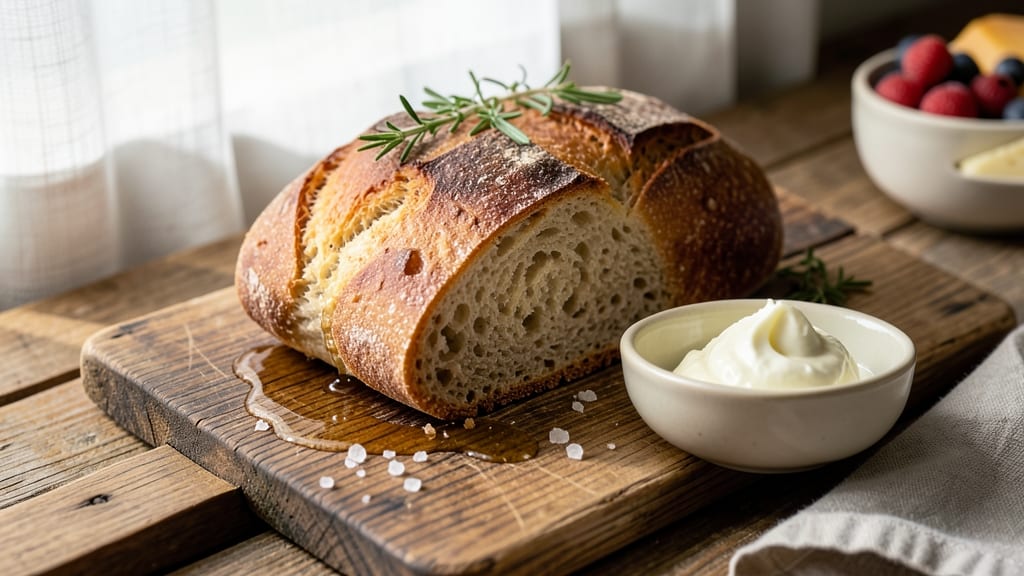
The magic happens when dry milk powder replaces a portion of water in your dough, adding protein and fat that retain moisture while enhancing flavor. This method works for sandwich bread, dinner rolls, or even sweet brioche—each variation benefits from that signature tender texture.
The key is precise hydration ratios and proper kneading to develop gluten without overworking the dough.
By the end, you'll have bread with a soft, almost cake-like crumb that stays moist for up to a week when stored properly. The aroma alone will have everyone asking for seconds, while the texture defies typical bread expectations.
This is the kind of bread that makes homemade feel like a bakery experience.
Whether you're making classic sandwich loaves or experimenting with sweet variations, dry milk elevates every batch. The technique is simple but transformative—ready to revolutionize your bread baking. Let's get started with the full recipe.
Ingredients for adding dry milk to bread
Four cups flour plus dry milk powder create that signature bakery-style crumb you crave.
| Ingredient | Amount | Notes |
|---|---|---|
| All-Purpose Flour 🌾 | 4 cups | Unbleached preferred for tenderness |
| Nonfat Dry Milk Powder 🥛 | ½ cup | Nonfat for optimal moisture retention |
| Active Dry Yeast 🍞 | 2 ¼ tsp | Ensure yeast is fresh |
| Granulated Sugar 🍚 | 2 tbsp | Feeds yeast for leavening |
| Salt 🧂 | 1 ½ tsp | Diamond Crystal preferred |
| Unsalted Butter 🧈 | ½ cup | Cold, cubed for even distribution |
| Whole Milk 🥛 | 1 ¼ cups | Room temperature for proper hydration |
| Large Eggs 🥚 | 1 whole | Room temperature for even mixing |
| Olive Oil 🫒 | 1 tbsp | Extra-virgin for flavor enhancement |
| Honey 🍯 | 1 tbsp | Optional for subtle sweetness |
The nonfat dry milk powder is non-negotiable—it's what transforms ordinary bread into something extraordinary. Bob's Red Mill or Nestlé brands work best, as they're finely milled and consistent. Look for powder that's bright white and free of lumps, which can indicate moisture exposure. The flour should be unbleached all-purpose for optimal gluten development without graying. King Arthur flour is my go-to for professional results, but any high-protein flour (11-12% protein) will work. Store both flour and dry milk in airtight containers away from heat sources—they're sensitive to temperature fluctuations that can degrade quality.
No dry milk powder? Powdered buttermilk works in a pinch, though it won't replicate the exact texture. Substituting with extra milk powder isn't ideal—it lacks the fat content that creates that signature moistness. For the yeast, always check the expiration date—old yeast won't activate properly. Fresh yeast is critical here, as it directly impacts rise time and final texture. The honey can be swapped for maple syrup or agave if you prefer, but it's optional. For the butter, European-style butter (like Plugrá) has higher fat content, which enhances tenderness—worth the splurge if you're making this regularly.
This dough is best used within 24 hours of mixing for peak freshness, though it can be refrigerated for up to 48 hours if wrapped tightly in plastic. For longer storage, freeze the shaped loaves (unbaked) for up to 3 months)—thaw at room temperature before baking. The finished bread stays moist for 5-7 days when stored in a bread box or wrapped in a clean kitchen towel. For extra shelf life, lightly toast slices before serving—they'll reheat beautifully while maintaining that ultra-moist crumb.
Why You'll Love This Recipe
- Pantry Magic: I swear by this trick—no fresh milk, no fuss. Just toss in that dry milk powder, and boom, your bread gets this rich, tender bite that’s impossible to resist. It’s the secret weapon I reach for when I’ve forgotten to buy milk but still want something special.
- No-Knead, No-Stress: Honestly, this dough comes together in minutes. You mix, let it rise while you make dinner, and bake—no standing over a counter or fighting with a sticky mess. The yeast does all the work while you sip your coffee.
- Budget Baking: Between us, dry milk is a game-changer for stretching ingredients. A little goes a long way, and suddenly you’re making bread that feels indulgent without breaking the bank. My wallet thanks me every time.
- Leftovers That Last: This bread stays fresh for days, and if you slice it thin, it’s perfect for toast or sandwiches. I’ll be real: I’ve been known to freeze half the batch for lazy mornings. That’s what I call a win.
Step-by-step instructions for ultra-moist bread with dry milk
This method transforms ordinary bread into a tender, moist loaf with extended freshness.
👨🍳 Step 1: Combine Dry Ingredients for Optimal Texture
In a large mixing bowl, whisk together the 4 cups all-purpose flour, 0.5 cup nonfat dry milk powder, 2.25 tsp active dry yeast, 2 tbsp granulated sugar, and 1.5 tsp salt. The dry milk powder acts as a moisture reservoir, creating a softer crumb that stays fresh longer. I like to sift these ingredients through a fine-mesh sieve first to eliminate any lumps and ensure even distribution throughout the dough.
Use a whisk to break up any clumps in the dry milk powder—this ensures it dissolves properly when mixed with liquids. The yeast should be fresh, so if your package is more than a few months old, test it in warm water with a pinch of sugar to confirm it's still active (it should foam within 5-10 minutes).
🥘 Step 2: Incorporate Wet Ingredients for Perfect Hydration
In a separate bowl, combine the 1.25 cups room-temperature whole milk, 1 whole large egg, 1 tbsp olive oil, and 1 tbsp honey (if using). The room-temperature milk and egg blend more smoothly into the dough, preventing dense pockets. I use a fork to whisk these ingredients until fully emulsified—the olive oil adds richness, while the honey contributes subtle sweetness and helps feed the yeast.
Create a well in the center of your dry ingredients and pour in the wet mixture. Use a wooden spoon or dough whisk to gradually incorporate the liquids, mixing just until a shaggy dough forms. Avoid overmixing at this stage—you want to preserve gluten development for structure while keeping the crumb tender. The dough should be sticky but manageable; if it's too wet, add 1-2 tablespoons more flour to achieve the right consistency.
🔥 Step 3: Knead the Dough for Elastic Structure
Turn the dough onto a lightly floured surface and knead for 8-10 minutes by hand, or use a stand mixer with a dough hook attachment on medium speed for 5-6 minutes. The dry milk powder requires slightly less kneading than traditional bread dough—it's more forgiving and less prone to overdevelopment. You'll know it's ready when the dough is smooth, elastic, and springs back slowly when pressed.
During kneading, I press down gently on the dough during the first minute—this prevents it from curling and ensures even contact with the surface. The dough should feel slightly tacky but not sticky. If it sticks to your hands, add 1 tablespoon flour at a time until it reaches the right consistency. Once kneaded, place the dough in a lightly oiled bowl, cover with a damp towel, and let it rise in a warm place for 1-1.5 hours or until doubled in size.
⏰ Step 4: Shape and Proof for Maximum Rise
Punch down the risen dough to release air, then divide it into 4 equal portions (about 8 ounces each). Shape each portion into a round loaf by pulling the edges toward the center and sealing the seam. Place the shaped loaves seam-side up in a greased 9x5-inch loaf pan or individual proofing baskets. Cover loosely with plastic wrap and let them rise again for 30-45 minutes until they've expanded by about 50%.
The dry milk powder enhances the dough's ability to retain gas, which translates to a higher, more open crumb. For even better results, I like to brush the tops of the loaves with a bit of melted butter before baking—this creates a golden crust while adding flavor. Preheat your oven to 375°F while the dough proofs, ensuring it's ready for the final step.
🔥 Step 5: Bake to Golden Perfection for Moist Crumb
Bake the loaves for 30-35 minutes until they're golden brown and sound hollow when tapped on the bottom. The internal temperature should reach 190-200°F—this ensures a fully baked crumb. The dry milk powder helps lock in moisture during baking, preventing the bread from drying out too quickly after cooling.
For extra crispness, I recommend brushing the tops with additional melted butter immediately after removing them from the oven. Let the bread cool in the pan for 10 minutes, then transfer to a wire rack. The result should be a tender, moist crumb with a slightly chewy texture and a crisp crust—perfect for sandwiches or toast. Store wrapped at room temperature for 2-3 days or freeze for longer freshness.
Pro Tips For Making Adding Dry Milk To Bread
- SIFT THE MILK POWDER: Mix the nonfat dry milk powder directly into the flour before adding liquids—this prevents clumping and ensures even distribution. I learned this the hard way after scraping stubborn lumps out of my mixer.
- LET THE YEAST BATH: Bloom the yeast in warm water (not hot) with a pinch of sugar for 5–10 minutes until frothy before mixing into the dough. This guarantees active yeast instead of guessing whether it’s fresh or not—no more flat, dense bread.
- WEIGH THE FLOUR: Use a kitchen scale for the flour (and milk powder) to avoid packing or scooping errors that throw off texture. A cup of flour varies wildly; I skip the guesswork and measure by weight every time.
- SKIP THE OVERMIXING: Stir just until the dough comes together—overworking it develops gluten too much, making the bread dense. Stop when it’s shaggy but cohesive; kneading comes later if needed.
Flavor customization for this recipe
Sweet Variations
Transform your bread into a sweet brioche by adding 2 tbsp vanilla extract and ¼ cup granulated sugar to the dough. Replace ½ cup of the milk with orange juice for a citrusy twist, or fold in ½ cup chopped candied ginger for a spiced variation.
The dry milk powder enhances sweetness while keeping the crumb ultra-tender—ideal for French toast or dessert loaves. 🍯
Savory Add-Ins
For a cheesy garlic loaf, mix in ½ cup shredded sharp cheddar and 1 tbsp minced garlic during kneading. For herbed bread, add 1 tbsp dried rosemary or 1 tbsp chopped fresh thyme to the dry ingredients.
The dry milk powder helps distribute flavors evenly, creating a cohesive texture. Savory versions stay moist longer, perfect for grilled cheese sandwiches. 🧀
Whole Grain Boost
Swap 1 cup of all-purpose flour for whole wheat flour to add fiber and nuttiness. The dry milk powder balances the heavier texture of whole grains, preventing dryness. For a seeded version, sprinkle 2 tbsp poppy seeds or 1 tbsp sesame seeds into the dough before shaping.
Whole grain bread benefits from the milk powder’s moisture-retaining properties. 🌾
Gluten-Free Adaptation
Replace all-purpose flour with a 1:1 gluten-free flour blend (like Bob’s Red Mill 1-to-1). Add ½ tsp xanthan gum to improve elasticity. The dry milk powder still enhances moisture, but gluten-free dough requires 10% less liquid to avoid stickiness.
Proof time may extend to 2 hours due to reduced gluten development. 💪
Extra-Moist Techniques
For a dairy-free version, substitute dry milk with ½ cup powdered coconut milk (though texture will differ slightly). To maximize moisture, brush the baked loaf with melted butter or honey glaze while warm.
Store in an airtight container with a slice of apple or lemon to slow staling. These tweaks ensure your bread stays fresh for up to 7 days. ✨
Nutrition facts
Frequently asked questions
Why does dry milk make bread softer?
The nonfat dry milk powder contains proteins and fats that act like tiny moisture sponges. When incorporated into dough, they create a velvety crumb that stays tender longer by preventing gluten from tightening too much during baking. This is why bread with dry milk stays fresh for 5-7 days instead of just 2!
Can I substitute powdered milk with regular milk?
Not directly—powdered milk has concentrated proteins that provide structure and moisture retention. For a similar effect, you could try adding 1 extra tablespoon of butter per cup of milk, but the texture won't be identical. The powder's ability to absorb and hold moisture is what creates that signature bakery-style softness.
How do I fix dough that's too sticky?
If your dough feels too wet, add flour 1 tablespoon at a time while kneading until it reaches a smooth, slightly tacky consistency. The dry milk powder actually makes dough slightly more forgiving than regular bread dough, but it still needs proper gluten development. For extra insurance, chill the dough for 20 minutes before shaping if it's too warm.
Will this recipe work for sandwich bread?
This is perfect for sandwich bread—just shape into a single large loaf instead of smaller portions. The dry milk powder creates an ideal texture for toast or sandwiches, staying moist through multiple uses. For extra sandwich appeal, brush the crust with garlic butter after baking.
Can I make this bread without a stand mixer?
Yes! This recipe works perfectly by hand—just knead for 8-10 minutes on a lightly floured surface. The dry milk powder actually makes the dough slightly easier to handle than traditional bread dough. Press down gently during kneading to prevent curling, and work until the dough springs back slowly when pressed.