
Sauces & Condiments
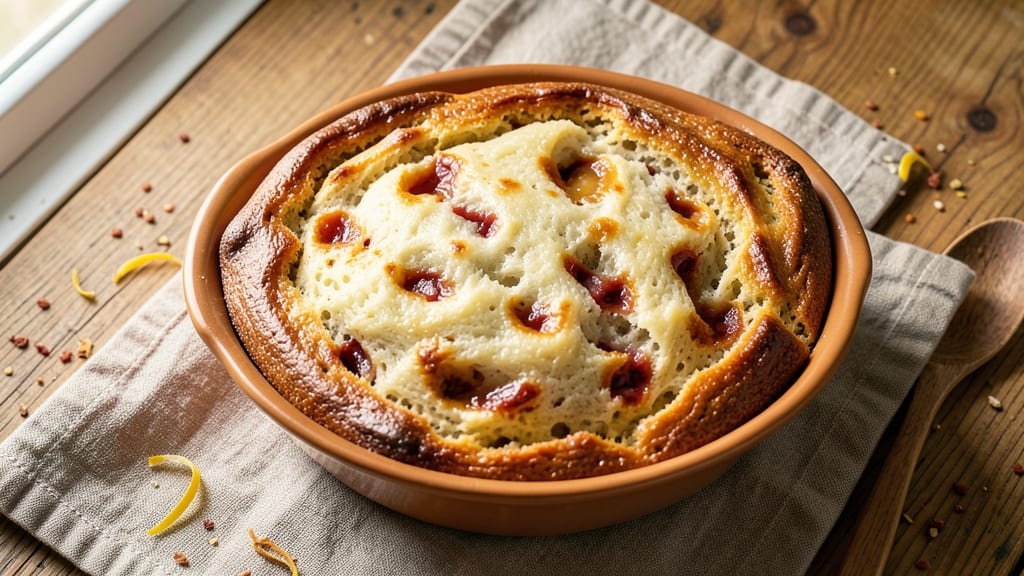
This applesauce yeast bread recipe delivers a sweet-spiced loaf with a moist crumb that stays fresh for days. The secret lies in replacing some water with unsweetened applesauce, which creates a tender crumb while adding natural sweetness without overpowering the warm cinnamon and nutmeg flavors.
I developed this recipe after years of baking dense, dry holiday breads—this version transforms ordinary yeast bread into something special.
The process is straightforward but requires patience: yeast activation, proper kneading, and two rising periods ensure that signature moist texture and airy crumb. The dough comes together quickly, but letting it rise fully develops the gluten structure and flavor depth.
This bread is perfect for breakfast toast, sandwiches, or serving warm with butter—its subtle sweetness makes it a crowd-pleaser.
What sets this recipe apart is how the applesauce tenderizes the crumb while keeping the bread light, not dense. The cinnamon and nutmeg infuse every bite with cozy warmth, while the crust develops a golden, crackly exterior.
Unlike many sweet breads, this one doesn’t dry out quickly, making it ideal for meal prep or gifting.
The result? A loaf that’s moist inside, fragrant with spice, and just sweet enough to satisfy without being cloying. Perfect for holiday tables, breakfast routines, or anytime you crave homemade bread with depth. Let’s get baking!
Ingredients for applesauce yeast bread
Sweet-spiced ingredients that transform ordinary yeast bread into a moist, tender loaf with holiday warmth.
| Ingredient | Amount | Notes |
|---|---|---|
| Unsweetened Applesauce 🍎 | ½ cup | Unsweetened, no sugar added |
| Active Dry Yeast 🍞 | 2 ¼ tsp | Freshly measured, not expired |
| Warm Water 💧 | 1 ¼ cups | 110°F for yeast activation |
| All-Purpose Flour 🌾 | 4 ½ cups | Bread flour preferred for structure |
| Granulated Sugar 🍚 | ¼ cup | Light brown sugar optional |
| Salt 🧂 | 1 ½ tsp | Diamond Crystal preferred |
| Ground Cinnamon 🌿 | 1 ½ tsp | Freshly ground for warmth |
| Ground Nutmeg 🌿 | ½ tsp | Freshly grated for depth |
| Large Egg 🥚 | 1 whole | Room temperature preferred |
| Unsalted Butter 🧈 | ½ cup | Softened to room temp |
| Milk 🥛 | ¼ cup | Whole milk preferred |
| Cornmeal 🌽 | ¼ cup | For dusting bread pan |
| Egg Wash 🥚 | 1 whole | 1 egg beaten with 1 tsp water |
The applesauce is non-negotiable here—it’s what creates that signature moist crumb. Mott’s unsweetened is my go-to for consistency, but any plain applesauce without added sugar works. The yeast needs to be fresh; Bob’s Red Mill active dry yeast is my preferred brand for reliable activation. For the flour, King Arthur bread flour gives that perfect structure, though all-purpose works in a pinch. The cinnamon and nutmeg should be freshly ground if possible—pre-ground spices lose their punch quickly. If you’re using brown sugar, toast it lightly in a dry pan for 2-3 minutes to deepen its caramel notes.
No applesauce? Pumpkin puree at half the amount works beautifully, though the flavor profile shifts slightly. Out of yeast? Instant yeast at the same weight activates faster. For a richer dough, substitute the milk with whole milk yogurt. The butter should be softened but not melted—this ensures proper incorporation without making the dough too sticky. If your kitchen runs warm, chill the dough for 20 minutes before shaping to prevent overproofing. The egg wash isn’t just for shine; it creates that golden, crackly crust that’s worth the extra minute.
This loaf keeps beautifully—3-4 days at room temperature wrapped in a clean kitchen towel, or up to 1 week in the fridge. For longer storage, freeze the fully cooled loaf wrapped in plastic for up to 3 months. To reheat, wrap the loaf in foil and warm in a 350°F oven for 10 minutes. The applesauce bread freezes exceptionally well, making it perfect for meal prep or gifting. For best results, let the bread cool completely before slicing to maintain its moist texture.
Why You'll Love This Recipe
- No-Fuss Mix-In: The applesauce replaces oil or butter—just stir it right into the dough. No measuring, no mess, and the bread still rises perfectly.
- Sweet & Subtle: That touch of sugar caramelizes just enough to give it a gentle sweetness, but the applesauce keeps it from tasting like dessert. Honestly, it’s the kind of bread you’ll eat for breakfast and toast with jam.
- Meal Prep Hero: Slice it, freeze it, and toast straight from frozen. I keep a loaf on hand for lazy mornings or when I need a quick sandwich—no waiting for the oven.
- Budget Baking Win: Applesauce stretches the dough further, so you get more bread for less flour. Plus, yeast is cheap—this recipe feeds a crowd without breaking the bank.
Step-by-step instructions for applesauce yeast bread
This method delivers a perfectly moist crumb with a tender, sweet-spiced loaf every time.
Activate the Yeast with Warm Water and Applesauce
In a large mixing bowl, combine the 1.25 cups warm water (tested at 110°F) with the 0.5 cup unsweetened applesauce and 2.25 tsp active dry yeast. Let it sit for 5-10 minutes until frothy and bubbly—this confirms the yeast is active. If no bubbles form, your yeast may be expired.
Real talk: the applesauce replaces some of the fat and sugar, creating a tender crumb while adding natural sweetness. The warm water activates the yeast, but don't let it get too hot—115°F or above will kill it. Stir gently once to distribute the yeast evenly, then wait for those telltale bubbles to appear on the surface.
Mix the Dough Ingredients Until Fully Combined
Add the 4.5 cups all-purpose flour, 0.25 cup granulated sugar, 1.5 tsp salt, 1.5 tsp ground cinnamon, and 0.5 tsp ground nutmeg to the yeast mixture. Mix with a wooden spoon until a shaggy dough forms, then incorporate the 1 whole large egg and 0.5 cup softened unsalted butter. Stir in the 0.25 cup milk gradually until the dough comes together.
Here's the thing—this dough will be softer than traditional bread dough due to the applesauce and milk. Use your hands to knead lightly on a floured surface for 3-5 minutes until smooth and elastic. The dough should be slightly tacky but not sticky. If it feels too dry, add 1-2 teaspoons of warm water; if too wet, sprinkle in 1 tablespoon of flour. This balance ensures a tender crumb without compromising structure.
Knead and Let the Dough Rise for Optimal Texture
Transfer the dough to a lightly greased bowl, cover with a damp kitchen towel, and let it rise in a warm place for 1-1.5 hours or until doubled in size. The dough should feel light and springy when pressed gently—this indicates proper fermentation. I like to place the bowl near a slightly warm oven with the light on for consistent heat.
Don't rush this step. The first rise develops flavor and structure. If your kitchen is cold, extend the time to 2 hours. Punch down the dough gently to release air, then shape it into a loaf by folding the ends toward the center. Place it seam-side up in a 9x5-inch loaf pan dusted with 0.25 cup cornmeal to prevent sticking.
Proof and Bake for a Perfectly Moist Loaf
Cover the dough again and let it proof for another 30-45 minutes until it rises 1-2 inches above the pan. Preheat your oven to 375°F while the dough proofs. Brush the top with the 1 whole egg wash (beaten egg mixed with 1 tsp water) for a golden finish.
Bake for 35-40 minutes until the internal temperature reaches 190-200°F and the top is deep golden brown. Tap the loaf lightly—it should sound hollow. The applesauce and milk create a moist interior, so avoid overbaking. If the top browns too quickly, tent loosely with foil after 20 minutes to prevent over-browning.
Cool and Slice for Maximum Moisture Retention
Remove the bread from the pan and let it cool on a wire rack for 10 minutes before slicing. This resting period allows the steam to escape, preventing a gummy texture. For the best results, slice the loaf 1 hour after baking—this ensures clean cuts and maximum moisture retention.
The finished loaf should have a tender, slightly sticky crumb with a subtle sweetness from the applesauce and warm spices. Each slice should pull apart easily without crumbling, and the aroma should be rich with cinnamon and nutmeg. Store leftovers wrapped in plastic at room temperature for 2 days or freeze for up to 3 months for freshness.
Pro Tips For Making Applesauce Yeast Bread
- TEST YEAST FIRST: Dump that yeast into ¼ cup warm water (110°F) with a pinch of sugar—if it doesn’t foam in 5 minutes, your bread’s going nowhere. I learned this the hard way when a cold fridge killed my yeast mid-dough, and I ended up with dense, sad loaves.
- CHILL THE DOUGH: Skip the rush—let the dough rest overnight in the fridge. The applesauce makes it sticky, but cold slows fermentation for better flavor and easier shaping. (Yes, even if you’re impatient like me.) My first attempt without this step tasted flat and gummy.
- MEASURE APPLESAUCE RIGHT: Use a scale or spoon-and-level method—applesauce is thick, and eyeballing it throws off hydration. Too much, and your dough turns into a gluey mess; too little, and the bread dries out. I now weigh it like a pro (or at least like someone who’s tired of sticky failures).
- STEAM THE OVEN: Toss a metal tray of boiling water in the oven before baking—this mimics a bread pan’s steam and keeps the crust from cracking. The applesauce makes the dough extra tender, so that extra moisture is non-negotiable. (Trust me, your loaf will thank you.)
Perfect pairings for this applesauce yeast bread
Butter Spreads
Whipped butter with a touch of honey and a pinch of sea salt is my go-to pairing—about ¼ cup softened butter, 1 tbsp honey, and ½ tsp Maldon sea salt.
The honey enhances the applesauce's natural sweetness while the salt balances the richness. For a spiced twist, mix in ½ tsp cinnamon and ¼ tsp nutmeg to echo the bread's flavors. 🧈
Jams and Preserves
Tart berry preserves like raspberry or blackberry cut through the bread's sweetness beautifully. I recommend 2 tbsp jam spread thinly on warm slices—its acidity refreshes the palate. For a festive touch, try cranberry orange marmalade during the holidays.
Store-bought or homemade works equally well, just ensure it's not overly sweet to avoid cloying the bread's delicate spices.
Cheese Pairings
Aged cheddar or Gouda adds depth to this sweet bread. Try sharp cheddar with a hint of smoked paprika for contrast. For a creamy option, brie or camembert melts into the warm bread, creating a luxurious bite.
I like to toast the bread lightly first—this enhances its texture and helps the cheese adhere better. 🧀
Toppings for Breakfast
Transform your bread into a breakfast star by topping with cinnamon sugar (mix 1 tbsp sugar with ½ tsp cinnamon), nut butter (like creamy peanut butter), or maple syrup. For a savory option, try scrambled eggs with a sprinkle of crumbled feta and fresh chives.
The bread's moisture keeps it from drying out during cooking, making it perfect for hearty morning meals.
Drink Pairings
A chai latte with its warm spices mirrors the bread's cinnamon and nutmeg notes beautifully. For coffee lovers, a strong black coffee with a splash of vanilla syrup complements the sweetness.
During colder months, mulled wine or hot apple cider enhances the cozy vibe. For a non-alcoholic option, sparkling apple cider adds a refreshing fizz that cleanses the palate between bites. 🍎
Sweet Garnishes
Finish your serving with toasted pecans or walnuts for crunch—about 2 tbsp chopped nuts sprinkled on top. A dusting of powdered sugar or cocoa powder adds a delicate sweetness.
For a festive touch, candied ginger or dried cranberries bring extra holiday cheer. These toppings elevate the bread from simple to show-stopping in minutes.
Nutrition facts
Frequently asked questions
Can I substitute applesauce with another fruit puree?
Yes! For a similar texture, try pumpkin puree (use half the amount) or mashed banana. The flavor will change slightly, but the moisture and tenderness will stay. Avoid citrus juices—they can interfere with yeast activation.
Why did my bread turn out dense instead of moist?
Over-kneading or skipping the first rise are common culprits. This dough needs gentle handling—just 3-5 minutes of kneading. Also, ensure your yeast is active (it should bubble within 5-10 minutes in warm water). Cold environments may require extending the rise time to 2 hours.
How do I store leftovers to keep them fresh?
Wrap cooled slices in plastic wrap or store the whole loaf in an airtight container at room temperature for 2-3 days. For longer storage, freeze the loaf (up to 3 months)—thaw overnight in the fridge. Reheat slices in a 350°F oven for 5 minutes to restore freshness.
Can I make this bread without a loaf pan?
Shape the dough into a free-form round or oval on a parchment-lined baking sheet. Brush with egg wash and bake at 375°F for 25-30 minutes until golden. For extra flavor, sprinkle with coarse sugar or poppy seeds before baking. The texture will be slightly denser but still delicious!
What’s the secret to a perfectly golden crust?
The egg wash is key! Beat 1 egg + 1 tsp water until frothy, then brush generously on the dough before baking. For extra shine, broil for 1-2 minutes at the end (watch closely to avoid burning). A 375°F oven with the top rack ensures even browning.