
Main Courses
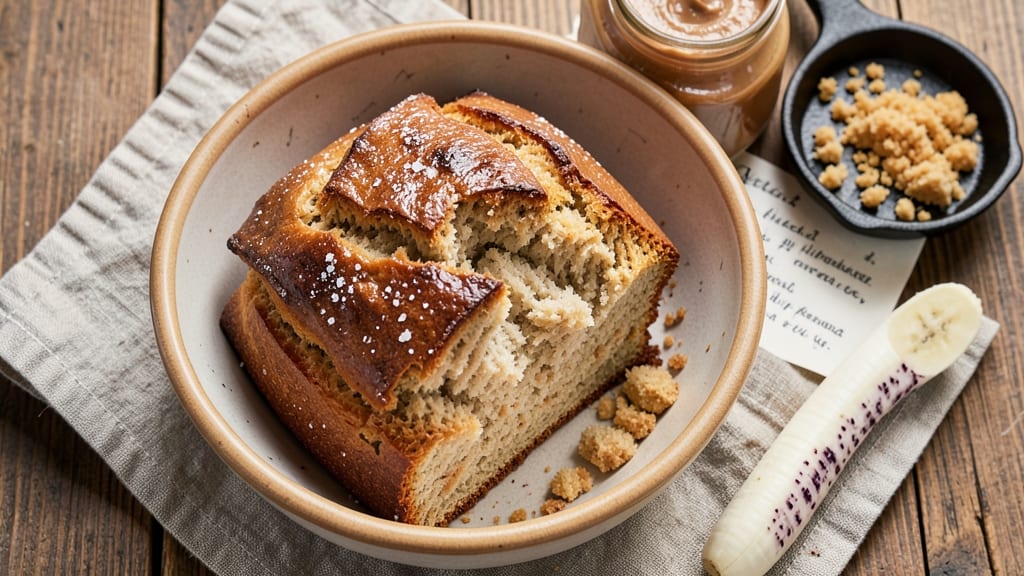
This African rice bread recipe brings the rich flavors of West Africa to your kitchen with a fragrant loaf that blends sweet peanut butter and tangy tomato into every bite.
Inspired by traditional recipes where rice flour replaces wheat, this version delivers a tender crumb and nutty aroma that lingers long after baking. The combination of peanut butter and tomato creates a complex flavor profile that's both familiar and excitingly new.
What sets this recipe apart is the use of rice flour as the base, giving the bread its distinctive texture and mild sweetness. The dough incorporates yeast for a light rise, while peanut butter adds richness and a subtle nuttiness that pairs beautifully with the tomato's acidity.
Baking time is straightforward—about 45 minutes—but the aroma filling your kitchen will make it feel like a celebration.
This fragrant loaf works as a satisfying side dish or even as a breakfast treat when lightly toasted. The peanut butter gives it a naturally sweet profile, while the tomato adds depth that balances the richness.
Perfect for serving with stews, soups, or even as a standalone snack, this bread brings a taste of Africa to your table with minimal effort.
The recipe also offers versatility—you can adjust the sweetness by adding more peanut butter or enhance the savory notes with additional tomato paste. Whether you're new to African cuisine or a seasoned fan, this loaf delivers a flavor experience that's both comforting and adventurous. Let’s get started!
Ingredients for african rice bread
Peanut butter, tomato, and rice flour—this trio creates a fragrant loaf with West African soul.
| Ingredient | Amount | Notes |
|---|---|---|
| Rice Flour 🌾 | 2 ½ cups | Fine grind for best texture |
| All-Purpose Flour 🌾 | 1 cup | For structure and rise |
| Active Dry Yeast 🍞 | 1 tbsp | Ensure freshness (test in warm water) |
| Granulated Sugar 🍚 | ¼ cup | For yeast activation |
| Salt 🧂 | 1 tsp | Kosher or sea salt |
| Peanut Butter 🥜 | ½ cup | Natural, unsweetened preferred |
| Tomato Paste 🍅 | ¼ cup | Smooth, no added salt |
| Large Eggs 🥚 | 1 whole | Room temperature for mixing |
| Milk 🥛 | ½ cup | Warm for yeast activation |
| Water 💧 | ½ cup | Room temperature |
| Vegetable Oil 🫒 | ¼ cup | For dough softness |
| Baking Powder 🍞 | 1 tsp | For light texture |
The rice flour is the star here. Bob's Red Mill or Anthony's Goods brands are my go-tos—they're finely ground and give that perfect tender crumb. If you can't find rice flour, substitute half with cornstarch, but the texture won't be identical. The peanut butter should be natural and unsweetened—Smucker's or Jif Natural work great. Tomato paste? Muir Glen is my pick—it's smooth and has no added salt. For the yeast, always check the expiration date. If it doesn't foam in warm water within 5 minutes, toss it and grab fresh.
No peanut butter? Sunflower seed butter is a solid swap, though the flavor will be subtly different. Running low on tomato paste? Fresh tomato purée works in a pinch—just strain out the seeds first. The milk can be any kind, but whole milk gives the dough just a little extra richness. If you're gluten-sensitive, you can bump the rice flour to 3 cups, but the rise won't be as dramatic. The baking powder is crucial—double-check it's fresh (old baking powder loses its lift). And if you're making this ahead, the dough keeps for 24 hours in the fridge—just let it come to room temp before shaping.
This bread smells amazing while baking—45 minutes at 350°F until golden. Store wrapped at room temp for 3 days or freeze for 3 months. I love toasting slices lightly for breakfast—the peanut butter flavor really sings when warm. For extra crispiness, brush the top with a little melted butter before baking. And if you're feeling adventurous, add 1 tsp cinnamon to the dough for a sweet-spiced twist.
Why You'll Love This Recipe
- No Yeast Fuss: I swear by this—just mix, let it rise once, and bake. The yeast works its magic without needing me to babysit it, and the rice flour keeps it light without being heavy. Honestly, it’s the kind of dough that doesn’t demand perfection.
- Nutty-Sweet Crunch: That crispy top? Chef’s kiss. The rice flour gives it a toasty, almost nutty bite, while the sugar caramelizes just enough to make every slice feel like a little treat. It’s not sweet like cake, but there’s this subtle warmth that lingers.
- Leftovers That Shine: This bread stays fresh for days, and even better? It’s perfect for toasting or making into croutons. I’ve used stale slices to thicken soups or crumbled them over salads—zero waste, all flavor.
- Budget Bread Magic: Rice flour and all-purpose flour are cheap staples, and a tiny packet of yeast stretches to feed a whole family. I’ve made this for Sunday dinners, potlucks, or just because—it’s my go-to when I need something reliable that won’t break the bank.
Step-by-step instructions for African rice bread
Here's how to craft this fragrant, moist loaf with a perfect blend of tomato and peanut butter flavors.
Activate the Yeast for Maximum Rise
In a small bowl, combine the 0.5 cup warm milk (about 110°F), 0.25 cup granulated sugar, and 1 tbsp active dry yeast. Stir gently and let sit for 5-10 minutes until frothy. You'll see bubbles form and the mixture double in volume—this confirms your yeast is alive and ready to work.
If no bubbles appear after 10 minutes, your yeast may be stale. Start over with fresh yeast, as dead yeast will result in a dense, flat loaf. Once active, proceed immediately to avoid overproofing. I like to keep this mixture at room temperature while I prepare the other ingredients.
Mix Wet and Dry Ingredients Separately
In a large mixing bowl, whisk together the 2.5 cups rice flour, 1 cup all-purpose flour, 1 tsp salt, and 1 tsp baking powder. Set aside. In a separate bowl, beat the 1 whole large egg, 0.5 cup peanut butter, 0.25 cup tomato paste, 0.25 cup vegetable oil, and the yeast mixture until smooth and well combined.
Here's the thing—don't overmix the dry ingredients. Just combine until no flour streaks remain. The peanut butter and tomato paste might seem like odd additions, but they create that signature African flavor profile while adding moisture and richness to the bread.
Combine and Knead the Dough
Gradually add the dry ingredients to the wet mixture, stirring with a wooden spoon until just combined. The dough will be thick and sticky—this is normal. Transfer to a lightly oiled surface and knead for 5-7 minutes until smooth and elastic. If it feels too sticky, wet your hands slightly to prevent sticking.
This dough behaves differently from traditional bread dough. It won't be as springy, but it should come together into a cohesive mass. The rice flour gives it that characteristic texture, so don't worry if it doesn't feel like classic bread dough. Cover with a damp towel and let rise in a warm place for 1 hour or until doubled in size.
Shape and Proof the Loaf
Gently punch down the risen dough to release air bubbles, then shape it into a 9x5-inch loaf pan lined with parchment paper. The dough will be soft and slightly sticky, so use wet hands to smooth the top. Let it rise again for 30-45 minutes until it domes slightly above the pan.
This second rise is crucial for that light, airy texture. If your kitchen isn't warm, place the pan in a slightly warm oven (200°F) with the light on for 10 minutes to help it rise faster. The bread should spring back slowly when poked with a finger—this indicates it's ready for baking.
Bake to Golden Perfection
Preheat your oven to 350°F. Bake the loaf for 45-50 minutes until the top is golden brown and a toothpick inserted in the center comes out clean. The bread will smell wonderfully fragrant with hints of peanut butter and tomato.
Don't overbake—this bread is delicate and can dry out quickly. If the top browns too fast, tent loosely with foil after 30 minutes. Let it cool in the pan for 10 minutes, then transfer to a wire rack. Slice while still warm for the best texture—each piece should be tender with a slightly crisp crust.
Pro Tips For Making African Rice Bread
- Bloom Yeast Slowly: Mix the yeast with warm water (around 110°F/43°C) and a pinch of sugar first—let it sit for 5-10 minutes until it’s frothy before adding the rest. I learned this the hard way after a batch of dough failed because the yeast was too cold; now I always test it separately.
- Sift the Rice Flour: Rice flour clumps like crazy—sift it through a fine-mesh sieve before mixing to avoid lumps in your dough. I skip this sometimes, and the bread turns out dense. (Yes, even if you’re impatient like me.)
- Don’t Overmix the Dough: Once the dough comes together, stop mixing as soon as it’s smooth—overworking it makes the bread tough. I used to knead like I was punishing the dough, and it paid off in all the wrong ways.
- Shape Tightly, Bake Low: Roll the dough into a tight, round loaf and let it rise until it’s nearly doubled—then bake at 350°F (175°C) for 25-30 minutes. Sounds weird, but it works: high heat burns the outside before the inside cooks.
Regional styles of these flavors
West African Jollof-Inspired
This version swaps the tomato paste for 1 cup cooked jollof rice—the fragrant, spiced West African one-pot dish. Blend the cooled rice with 2 tbsp tomato paste and 1 tsp jollof spice mix (find it in African markets or online) before adding to the dough.
The result? A loaf with deep, savory notes of thyme, bay leaf, and ginger that pair perfectly with stews. 🌶️
East African Ugali Twist
For an East African-inspired take, replace the peanut butter with ½ cup ground cassava flour and add 1 tsp fenugreek seeds (toasted and ground) to the dry ingredients. The cassava gives a slightly chewy texture, while fenugreek adds a warm, earthy depth.
Serve with nyama choma (grilled meat) or githeri (collard greens stew) for an authentic pairing.
Ghanaian Kenkey Bread
Ghana’s kenkey is a fermented corn and cassava dough wrapped in banana leaves—this bread version simplifies it. Swap the rice flour for 2 cups cornmeal and add 1 tbsp cornstarch to the dough.
For fermentation, let the dough rise overnight in the fridge for a tangy kick. Bake as usual, then brush the top with melted butter and sprinkle with flaky sea salt before serving.
Nigerian Eba-Inspired
In Nigeria, eba is a smooth, stretchy dough made from garri (fermented cassava flour). For this bread, mix 1 cup garri into the dough along with ½ cup warm water to form a thick paste.
The texture becomes denser but gains a unique chewiness. Top with a sprinkle of crushed peanuts before baking for extra crunch and flavor.
South African Sadza Bread
Zimbabwean and South African sadza (maize porridge) gets a bread makeover here. Replace the rice flour with 2 cups fine cornmeal and add 1 tbsp baking soda instead of baking powder.
The dough will be thicker—knead it vigorously for 10 minutes to develop gluten. Bake in a round shape for a sadza-like loaf, then serve with beef stew or tomato relish.
Sweet Plantain Version
For a dessert twist, add ½ cup mashed ripe plantains to the dough and reduce the sugar to ¼ cup. The natural sweetness of the plantains balances the peanut butter’s richness.
Top with a sprinkle of cinnamon sugar before baking for a caramelized crust. This version pairs beautifully with vanilla ice cream or a cup of chai tea. 🍌
Nutrition facts
Frequently asked questions
Why does this bread use rice flour instead of regular flour?
Rice flour gives this bread its signature tender, slightly chewy texture and mild sweetness that's characteristic of many West African recipes. Unlike wheat flour, it creates a lighter crumb while absorbing moisture differently—this makes the loaf uniquely moist even after baking. The peanut butter and tomato paste help balance the neutral flavor of rice flour.
Can I make this bread without peanut butter?
For a nut-free version, substitute the peanut butter with ½ cup sunflower seed butter or ¼ cup tahini for a similar richness. If avoiding all nuts/seeds, replace it with an extra ¼ cup tomato paste and 1 tbsp honey to maintain moisture and sweetness. The flavor will be more tomato-forward but still delicious.
How do I know when the dough is fully risen?
The dough should visibly double in size and feel springy when gently pressed. For the first rise, it typically takes 1 hour in a warm spot. After shaping, the second rise should take 30-45 minutes until it domes slightly above the pan. Pro tip: If your kitchen is cold, place the pan in a 200°F oven with the light on for 10 minutes to speed up rising.
Why did my bread turn out dense instead of light?
Dense bread usually means the yeast didn't activate properly or the dough didn't rise enough. Check these common fixes:
- Use fresh yeast (test in warm water first),
- Ensure your milk is warm (not hot), and
- Give the dough enough time—at least 1 hour for the first rise. Also, avoid overmixing the dry ingredients, which can develop too much gluten and make the texture heavy.
Can I make this bread in a different shape?
Yes! While the recipe uses a loaf pan, you can shape the dough into free-form rounds, braids, or even small rolls. For round shapes, bake at 375°F for 20-25 minutes until golden. Free-form shapes work well for a West African-inspired presentation—try brushing the tops with melted butter and sprinkling with flaky sea salt before baking for extra flavor.