Side Dishes
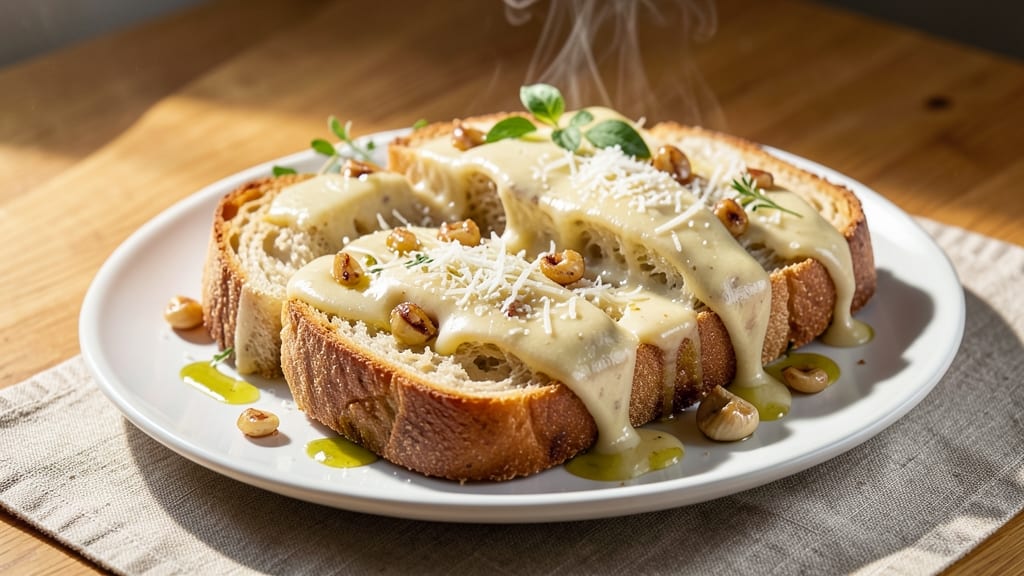
This Alfredo garlic bread recipe transforms a simple side into the star of your Italian feast with a golden, buttery crust and rich alfredo-infused pull-aparts. 🔥 The secret lies in balancing crispy edges with a creamy, garlicky interior—no soggy bread here.
I’ve perfected this technique over years of testing, ensuring every bite delivers that perfect harmony of textures and flavors.
What sets this recipe apart is the homemade alfredo sauce, simmered just until velvety but never grainy. We’ll use a mix of butter, cream, and parmesan for depth, then brush it onto toasted bread before baking to create that signature crispy exterior.
The garlic? Freshly minced and cooked low and slow to avoid bitterness, infusing every layer with aromatic richness.
By the time it emerges from the oven, you’ll have a loaf with crispy, golden-brown edges that pull apart effortlessly, revealing tender bread soaked in creamy alfredo sauce. The aroma alone will have everyone at the table anticipating that first bite—warm, buttery, and packed with garlic flavor.
This is the kind of garlic bread that turns ordinary meals into memorable ones.
Whether you’re serving it alongside pasta or as a standalone appetizer, this recipe delivers restaurant-quality results with minimal effort. The best part? You can customize it with fresh herbs, extra parmesan, or even a sprinkle of red pepper flakes for heat. Let’s make it—your taste buds won’t regret it.
Ingredients for alfredo garlic bread
Buttery, garlicky, and perfectly crispy—this loaf delivers restaurant-quality flavor with just 12 ingredients.
| Ingredient | Amount | Notes |
|---|---|---|
| French Bread Loaf 🍞 | 1 whole | Crusty, crust removed for even coating |
| Unsalted Butter 🧈 | ¾ cup | Cold, cubed for brushing |
| Heavy Whipping Cream 🥛 | ½ cup | Full-fat for richness |
| Garlic Cloves 🧄 | 6 whole | Fresh, minced finely |
| Parmesan Cheese 🧀 | 1 cup | Freshly grated, fine |
| Extra-Virgin Olive Oil 🫒 | 2 tbsp | For brushing bread |
| Salt 🧂 | 1 ½ tsp | Kosher or sea salt |
| Black Pepper 🌶️ | ½ tsp | Freshly cracked |
| Fresh Parsley 🌿 | ¼ cup | Chopped, for garnish |
| Red Pepper Flakes 🌶️ | ½ tsp | Optional, for heat |
| All-Purpose Flour 🌾 | 2 tbsp | For dusting work surface |
| Fresh Basil 🌿 | ⅛ cup | Optional, torn for garnish |
The bread is everything here. French bread from the bakery section (not the pre-sliced kind) gives you that ideal crust-to-crust ratio. Look for a loaf with a crusty exterior but soft interior—it should feel slightly springy when squeezed gently. If you can't find French bread, a sourdough or Italian loaf works too, but cut it into two pieces lengthwise to ensure even baking. The butter? European-style unsalted butter melts more smoothly than American brands—Plugrá or Kerrygold are my go-tos, but any good-quality butter will do. Keep it cold until you're ready to brush it on, or it'll turn into a greasy mess.
No fresh parsley? Dried parsley at half the amount works in a pinch, though fresh is definitely preferred. Running low on Parmesan? Pecorino Romano has a sharper bite that pairs beautifully with garlic. The garlic is non-negotiable—fresh is a must. If you're worried about bitterness, peel and soak the cloves in cold water for 10 minutes before mincing to mellow the flavor. For extra richness, swap half the heavy cream for whole milk, though it'll be slightly lighter. And if you're feeling adventurous, add a splash of white wine to the sauce for depth.
This bread is best served fresh from the oven, but it reheats beautifully. Wrap the cooled loaf in foil and warm at 350°F for 10 minutes to revive the crisp. Store leftovers in an airtight container at room temperature for up to 2 days, though I rarely have any left that long. For make-ahead prep, assemble the bread with sauce but skip the baking—store it in the fridge for up to 24 hours and bake straight from cold. The sauce can be made a day ahead and reheated gently before brushing on the bread.
Why You'll Love This Recipe
- No Garlic Burn: The fresh minced cloves melt into the butter—no need to worry about overpowering your bread. Just a few minutes of softening in the cream, and you get that rich, aromatic depth without the harsh bite. (I’ve tried the raw garlic method, and this way is night and day.)
- Cheesy Crispy Magic: That golden crust? Pure satisfaction. The Parmesan melts into the butter-cream mix, then toasts to perfection when it hits the oven. The outside cracks just enough to trap all that creamy, salty goodness inside—like a hug for your taste buds.
- Weeknight Hero: Honestly, this is my go-to when I’m too tired to plan. Toss the bread in the sauce, slap it on a baking sheet, and forget about it while dinner simmers. Fifteen minutes later, you’ve got a side that feels fancy without any effort. (Yes, even on a Tuesday night.)
- Leftovers Win: The sauce thickens beautifully when reheated—just a splash of cream to loosen it up. I’ve turned day-old slices into breakfast toast, pizza crust, or even a quick appetizer with a sprinkle of red pepper flakes. Waste? Never.
Step-by-step instructions for Alfredo garlic bread
Here's how to make restaurant-quality garlic bread with a crispy, buttery crust and pull-apart perfection.
👨🍳 Step 1: Prep the Bread and Work Surface
First, remove the crust from the 1 whole French Bread Loaf using a serrated knife. I slice off about ¼ inch from each end and the sides—this creates a clean surface for even coating. Dust your work surface with the 2 tbsp All-Purpose Flour and place the bread on top. The flour prevents sticking and makes slicing easier later.
Preheat your oven to 375°F while you work. This temperature gives you that perfect balance of crispy crust and soft interior. I like to use the oven rack in the middle position for even heat distribution throughout the loaf.
🍳 Step 2: Make the Garlic Butter Mixture
In a medium bowl, combine the 0.75 cup Unsalted Butter (cold, cubed), 0.5 cup Heavy Whipping Cream, 6 whole Garlic Cloves (minced finely), 1 cup Parmesan Cheese (freshly grated), 1.5 tsp Salt, and 0.5 tsp Black Pepper. Mix with a fork until the butter starts to soften and the mixture becomes creamy—about 2-3 minutes. You want it thick enough to cling to the bread but still spreadable.
Here's the thing—don't skip the mincing. I use a garlic press for this step because it gives you that perfect fine texture that melts into the butter instead of leaving chunks. If you see any liquid pooling, let the mixture sit at room temperature for 5 minutes to thicken slightly before using.
🥘 Step 3: Assemble and Brush the Bread
Using a pastry brush, generously brush the 2 tbsp Extra-Virgin Olive Oil over the entire surface of the bread. This creates a barrier that helps the garlic butter stick and prevents the bread from drying out. Then, using your hands, spread the garlic butter mixture evenly over the entire surface of the bread, pressing it into the crevices. You'll want to get into all those nooks and crannies for maximum flavor.
For the best results, I like to work in sections. Start with the top, then flip and do the bottom. This ensures even coverage without missing any spots. If the mixture feels too thick to spread easily, let it sit for another 2-3 minutes to soften.
🔥 Step 4: Bake to Golden Perfection
Place the assembled bread on a baking sheet lined with parchment paper. Bake for 12-15 minutes until the edges are deep golden brown and the bread is heated through. You'll know it's ready when you see those beautiful crispy edges and smell that irresistible garlic aroma filling your kitchen.
Watch carefully after 10 minutes—the bread can go from perfect to burnt quickly. If you see any spots browning too fast, tent loosely with aluminum foil. The interior should still be soft and al dente when you cut into it—this is what makes great garlic bread.
🍽️ Step 5: Garnish and Serve Immediately
Remove the bread from the oven and immediately sprinkle with the 0.25 cup Fresh Parsley (chopped) and 0.125 cup Fresh Basil (torn). For a little kick, add the 0.5 tsp Red Pepper Flakes if you like heat. Using a sharp serrated knife, cut the bread into 1-inch thick slices. The bread should be crispy on the outside and soft on the inside with that gooey, pull-apart garlic butter center.
Serve immediately while still warm. The bread continues to crisp up as it cools, so don't wait too long. Each bite should deliver that perfect combination of crispy crust, creamy garlic butter, and fresh herbs. Perfect for dipping in marinara or enjoying on its own with a glass of wine!
Pro Tips For Making Alfredo Garlic Bread
- TOAST THE GARLIC FIRST: I learned this the hard way—raw garlic in the butter just tastes like a sad, watery afterthought. Slice the cloves thin, toss them in a cold pan with butter, and cook over medium-low until they’re golden and just crisp at the edges. That’s when they release their full flavor without burning.
- SLICE THE BREAD THIN: Thick slices mean uneven toasting—some parts dry out, others stay doughy. Cut the French loaf into ½-inch thick slices (or thinner if it’s a dense baguette). This guarantees every bite gets crispy outside and creamy inside.
- DON’T SKIP THE CREAM REST: Warm the heavy cream just until it’s steaming, then let it sit for 5 minutes off the heat. This smooths out the texture and prevents curdling when mixed with the butter and garlic. Trust me, the difference is noticeable.
- GRATE THE PARMESAN FRESH: Pre-shredded cheese is coated in anti-caking agents that make your Alfredo sauce grainy. Use a microplane or fine grater right before mixing it into the butter-cream-garlic combo. Freshly grated Parmesan melts smoother and tastes richer.
Regional styles of this dish
Italian Classic
In Italy, this dish is known as pane all'aglio e burro—simple, rustic, and deeply flavorful. The traditional version skips the Alfredo sauce entirely, focusing instead on a mix of butter, garlic, and parsley brushed onto crusty bread.
I've adapted this by incorporating the creamy Alfredo elements while keeping that authentic Italian spirit. The key difference? Italian versions often use more garlic—sometimes up to 8 cloves—and finish with a sprinkle of chili flakes for heat. 🌶️
French Baguette Twist
For a French-inspired version, use a baguette instead of a loaf and slice it diagonally before brushing with the garlic butter. The French approach often includes herbs de Provence in the butter mixture and a touch of white wine in the sauce for brightness.
I like to add thin slices of prosciutto between the layers before baking for an extra layer of flavor. This version is especially popular in Parisian bistros and pairs beautifully with steak frites.
American Diner Style
American diners take this dish to hearty new heights by making it a standalone meal—sometimes even serving it with grilled chicken or spaghetti.
The classic diner version often includes extra cheese (like mozzarella or cheddar) melted into the butter mixture and finishes with a thick sprinkle of parmesan.
For a true diner experience, bake the bread in a cast-iron skillet for extra crispiness and serve it with a side of marinara sauce for dipping. 🍽️
Vegetarian Fusion
To make this dish vegetarian-friendly, swap the Parmesan cheese for nutritional yeast (for a cheesy flavor without dairy) and use olive oil instead of butter. Add roasted garlic to deepen the flavor and top with sun-dried tomatoes and kalamata olives for a Mediterranean twist.
This version is just as rich and satisfying—perfect for plant-based diners who still crave that garlicky, buttery goodness.
Gourmet Upgrade
For a restaurant-worthy version, infuse the butter with fresh herbs like thyme and rosemary while melting it, and finish with crispy fried shallots and edible gold leaf for a luxurious touch. Use aged Parmesan (like Parmigiano Reggiano) for a deeper, nuttier flavor.
This elevated version is ideal for special occasions or when you want to impress guests with a dish that looks as stunning as it tastes. ✨
Nutrition facts
Frequently asked questions
Can I use garlic powder instead of fresh garlic?
While you can substitute, fresh garlic makes all the difference! For the best flavor, use 1 teaspoon garlic powder (not salt) per 2 cloves fresh garlic. Toast the powder in the butter for 1 minute to deepen the aroma. Just know it won't have that same aromatic punch as freshly minced garlic.
Why is my garlic bread soggy instead of crispy? Soggy bread usually means the butter mixture was too wet or the bread wasn't baked long enough.
Can I make this ahead of time?
Assemble the bread with sauce but skip baking. Store in an airtight container in the fridge for up to 24 hours. Bake straight from cold—just add 2-3 extra minutes to the baking time. For make-ahead sauce, prepare it a day ahead and reheat gently before brushing on the bread.
What's the best way to reheat leftovers?
Wrap cooled bread in foil and warm at 350°F for 10 minutes for crispy edges. For extra crunch, broil for 1-2 minutes at the end. Avoid microwaving—it makes the bread rubbery. Leftovers stay fresh in an airtight container for 2 days at room temperature or 3 months in the freezer.
Can I use a different type of bread?
French bread works best, but you can try sourdough, Italian loaf, or even ciabatta. Avoid soft breads like brioche—they won't hold up to the baking. For a rustic look, keep the crust on and brush the garlic butter only on the cut sides. Just make sure your bread has a sturdy structure to support the creamy filling.