
Side Dishes
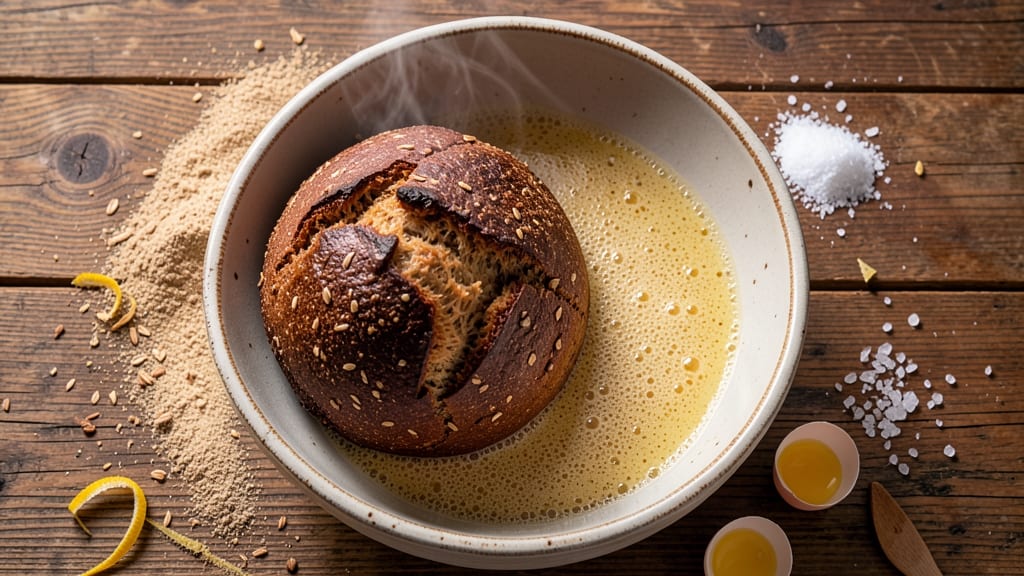
This all wheat bread recipe transforms whole grains into a loaf so light and airy, you'd never guess it's packed with nutrition. The secret lies in a precise dough development technique that creates that signature open crumb structure—no heavy, dense texture here.
I've baked this version dozens of times, and it consistently delivers a crust with just the right crunch while maintaining a tender interior that melts in your mouth.
What makes this recipe truly special is the balance of whole wheat flour with vital wheat gluten—this combination gives you the structure needed for proper rise without sacrificing flavor or texture. The dough comes together in just 10 minutes of mixing, followed by a 2-hour proof that develops incredible flavor.
No kneading required, making this perfect for both beginners and experienced bakers looking for a reliable whole grain loaf.
By the time it emerges from your oven, you'll have a golden-brown loaf with an inviting aroma that fills your kitchen. The interior reveals an open crumb structure with pockets of air, proving that whole grain bread can be just as light and delicious as white.
This recipe yields two standard loaves, perfect for sandwiches, toast, or serving alongside soups and stews.
Best of all, the bread stays fresh for 5 days when stored properly, and freezes beautifully for up to 3 months.
Whether you're looking to incorporate more whole grains into your diet or simply want to bake a superior loaf at home, this recipe delivers professional-quality results with minimal effort. Let's get started with the ingredients you'll need.
Ingredients for all wheat bread
Light, airy whole wheat bread with a tender crumb—no heavy texture here, just pure dough magic.
| Ingredient | Amount | Notes |
|---|---|---|
| Whole Wheat Flour 🌾 | 4 cups | High-protein preferred for structure |
| Vital Wheat Gluten 🌾 | ½ cup | Essential for proper rise |
| Active Dry Yeast 🍞 | 2 ¼ tsp | Fresh yeast if available |
| Granulated Sugar 🍚 | 1 tbsp | Feeds the yeast |
| Salt 🧂 | 1 ½ tsp | Diamond Crystal preferred |
| Large Eggs 🥚 | 2 whole | Room temperature preferred |
| Unsalted Butter 🧈 | ¼ cup | Cold, cubed for mixing |
| Warm Water 💧 | 1 ¼ cups | 110°F for yeast activation |
| Honey 🍯 | 1 tbsp | For subtle sweetness |
| Cornmeal 🌽 | ½ cup | For dusting loaf pans |
| Sesame Seeds 🌻 | 1 tbsp | Optional for topping |
The flour matters most—King Arthur or Bob's Red Mill are my go-tos for consistent results. Vital wheat gluten is non-negotiable here; it's what gives this bread that signature open crumb structure. Bob's Red Mill makes a great gluten that's easy to find. Skip the pre-mixed whole wheat flour blends—they often lack enough gluten for proper rise. For yeast, Fresh & Easy brand at most grocery stores works perfectly, but if you've got fresh yeast, use it. The butter should be cold when you mix it in—this keeps the dough from getting too warm too fast. Honey is optional but adds a subtle sweetness that balances the earthy whole wheat flavor.
No eggs? Flax eggs (2 tbsp ground flaxseed + 6 tbsp water) work perfectly—just let them sit for 5 minutes to thicken. Short on butter? Coconut oil or olive oil at the same amount will work, though butter gives the best flavor. The water needs to be warm but not hot—110°F is ideal, but if you don't have a thermometer, just dip your finger in and make sure it feels warm but not uncomfortable. The honey can be swapped for maple syrup if you prefer. For a nutty flavor, add 1 tbsp ground flaxseed or walnuts to the dough before baking. And if you're feeling fancy, try whole milk instead of water for a richer flavor.
This dough is a dream to work with—it's sticky but not unmanageable. Use parchment paper under your dough to prevent sticking, and don't overwork it when shaping. The bread keeps best in a bread box or paper bag for 5 days, but if you want it to last longer, slice and freeze the loaves for up to 3 months. To reheat, wrap slices in foil and warm in a 350°F oven for 5 minutes. The crust gets even better the second day, so don't be afraid to bake an extra loaf—it disappears fast around here!
Why You'll Love This Recipe
- No-Knead Magic: I swear by this—just mix the whole wheat flour, vital wheat gluten, and yeast with warm water (and that little pinch of sugar to wake up the yeast), then let it rise while I fold laundry. The gluten does all the heavy lifting, so I don’t have to.
- Nutty Depth: That vital wheat gluten isn’t just a binder—it gives the bread a chewy, satisfying bite that whole wheat alone can’t match. Honestly, the first time I tasted it, I thought, “This is the bread I’ve been missing.”
- Weeknight Workhorse: It’s my go-to for sandwiches, toast, or even garlic bread (yes, even on a Tuesday night). The dough’s forgiving—overproofed? Underproofed? It still bakes up solid, so I’m never stuck scrambling when company drops by.
- Pantry Staple: A single batch costs pennies and keeps for days in the fridge or frozen. I make two loaves on Sunday, toast one for breakfast all week, and freeze the rest—no sad, dried-out bread here. Budget-friendly and foolproof.
Step-by-step instructions for all wheat bread
This dough comes together with surprising ease—no kneading required!
Activate the Yeast for Maximum Rise
In a large mixing bowl, combine the 1.25 cups warm water (about 110°F), 1 tbsp granulated sugar, and 2.25 tsp active dry yeast. Stir gently and let sit for 5-10 minutes until you see frothy bubbles forming on the surface. This tells you the yeast is alive and ready to work its magic.
I always check the water temperature first—too hot and you'll kill the yeast; too cold and it won't activate properly. The bubbles should be vigorous, not just a few tiny ones. If you don't see activity after 10 minutes, your yeast might be old, and it's time to start fresh.
Mix the Dough Until Just Combined
To the yeast mixture, add the 4 cups whole wheat flour, 0.5 cup vital wheat gluten, 1.5 tsp salt, and 2 whole large eggs. Using a wooden spoon or your hands, mix until the ingredients come together into a shaggy dough. The gluten will start developing as you work it.
Now add the 0.25 cup cold unsalted butter (leave it cubed) and 1 tbsp honey. Mix again until the butter is fully incorporated and the dough begins to pull away from the sides of the bowl. The dough should be soft but not sticky—if it's too wet, add 1-2 tablespoons more whole wheat flour.
Let the Dough Rest and Develop Gluten
Cover the bowl with a damp towel or plastic wrap and let the dough rest at room temperature for 30 minutes. This resting period allows the gluten to relax and develop, making the final shaping much easier. I like to set a timer so I don't forget—this step is crucial for a light, airy loaf.
After 30 minutes, the dough should feel more cohesive and slightly springy when pressed gently. If it still feels too stiff, let it rest another 10 minutes. The goal is to achieve that perfect balance between structure and tenderness that whole wheat dough often struggles with.
Shape and Proof for a Perfect Rise
Lightly flour a clean surface and turn out the dough. Gently shape it into a 9x5-inch loaf by folding the edges toward the center and pressing down lightly. Place the shaped loaf seam-side up in a 9x5-inch loaf pan that's been lightly dusted with 0.5 cup cornmeal—this prevents sticking and adds a nice texture to the crust.
Cover the pan with a damp towel and let the dough proof at room temperature for 1-1.5 hours, or until it has risen about 1 inch above the rim of the pan. The dough should feel light and springy when pressed gently. If your kitchen is cold, proofing may take longer—just be patient. A window test works well here: hold the pan up to the light and look for even expansion throughout.
Bake to Golden Perfection
Preheat your oven to 375°F while the dough proofs. Once the dough has risen sufficiently, brush the top with a little water and sprinkle with 1 tbsp sesame seeds for that classic touch. Bake for 35-40 minutes, until the top is deep golden brown and the internal temperature reaches 205°F when measured with an instant-read thermometer.
Here's the thing—whole wheat bread can dry out if overbaked, so keep a close eye on it after the 30-minute mark. When you tap the bottom, it should sound hollow. Let the bread cool in the pan for 10 minutes, then transfer to a wire rack to finish cooling completely. The crust will firm up as it cools, and the crumb will develop that perfect balance of chewiness and tenderness.
Pro Tips For Making All Wheat Bread
- Mix the Gluten First: Whole wheat flour is a beast—it’s dense and can make your dough feel like you’re kneading cement. Before adding any liquid, toss the vital wheat gluten and whole wheat flour together in a bowl and whisk them hard for 30 seconds. This pre-mixes the proteins so they distribute evenly, giving you a lighter, more manageable dough instead of a brick.
- Bloom the Yeast Warm: Cold water kills yeast faster than you can say "dense loaf." Instead of dumping it straight into your mixer, dissolve the yeast and sugar in warm water (about 105–110°F—warm to the touch, not hot) and let it sit for 5–10 minutes until it’s foamy. If it’s sluggish, your oven’s light bulb (yes, the one you never use) works as a makeshift warmer in a pinch.
- Don’t Over-Knead the Dough: I learned this the hard way—whole wheat dough is stubborn, and I’d keep punching it until it looked "perfect," only to end up with a tough, chewy loaf. Stop when the dough pulls cleanly away from the bowl and springs back slowly (not instantly). Overworking it breaks down the gluten too much, and your bread will taste more like a sad, dense cracker than fresh bread.
- Use a Banneton or Bowl: If you don’t have a banneton, grab a bowl lined with a floured kitchen towel. After shaping your dough, place it seam-side up in the bowl, cover it, and refrigerate overnight. The towel prevents sticking, and the cold slow-ferment makes the flavor deeper and the crumb softer—no fancy equipment needed. (Yes, even if you’re impatient like me.)
Serving suggestions for this recipe
Morning Toast Perfection
This bread is a game-changer for breakfast—try it with avocado mash and a sprinkle of flaky sea salt for a nutrient-packed start. I love adding smashed berries and a drizzle of honey for sweetness, or cream cheese with cinnamon for a classic twist.
The dense yet tender crumb holds up perfectly to these toppings without turning soggy. 🌾
Sandwich Artistry
For sandwiches, the sturdy structure makes it ideal for hearty fillings like turkey and cranberry, grilled chicken with pesto, or vegetarian hummus and roasted veggies.
The open crumb soaks up flavors beautifully—try brushing slices with garlic-infused olive oil before assembling. For a gourmet touch, add caramelized onions or sautéed mushrooms to any combo.
Soup Companion
Pair with tomato basil soup or creamy broccoli cheddar for a comforting meal. The bread’s slight sweetness balances rich soups, while its chewy texture contrasts nicely with creamy bases.
I often serve it warm with olive oil and balsamic vinegar on the side for dipping. A sprinkle of fresh herbs like parsley or thyme adds a bright finish.
Dessert Twist
Don’t skip dessert! Toast slices and top with mashed banana and cinnamon, Nutella and sliced strawberries, or whipped cream and chocolate chips. The whole wheat flavor adds a nutty depth that elevates sweet treats.
For a savory-sweet combo, try fig jam and goat cheese—trust me, it’s a crowd-pleaser. 🍯
Bread Pudding Base
Cube leftover slices and use them to make bread pudding—the dense texture holds up perfectly to custard. Mix with eggs, milk, vanilla, and cinnamon, then bake until golden.
For extra richness, fold in chopped apples or raisins. This is my go-to way to use up stale bread without waste.
Garnish Like a Pro
Enhance any serving with flaky salt, smoked paprika, or crushed rosemary. A drizzle of truffle oil takes it to restaurant-level sophistication. For a rustic touch, sprinkle with poppy seeds or sesame seeds right after baking. These small details make a big difference in presentation and flavor. ✨
Nutrition facts
Frequently asked questions
Why does this recipe use vital wheat gluten?
Vital wheat gluten is essential for achieving that signature open crumb structure in whole wheat bread. Whole wheat flour alone lacks sufficient gluten proteins for proper rise, but adding 0.5 cup vital wheat gluten gives the dough the structure needed to create those beautiful air pockets. It's what makes this bread light and airy instead of dense.
Can I make this bread without a stand mixer?
This recipe is designed for easy mixing by hand. After combining the wet ingredients, simply use a wooden spoon or your hands to mix until the dough pulls away from the bowl. The 30-minute rest helps develop gluten naturally, so no extra kneading is needed. Just be patient during mixing—it takes about 10 minutes total.
How do I know when the dough has proofed enough?
Look for two key signs: the dough should rise about 1 inch above the pan rim and feel light and springy when pressed gently with one finger. For a visual test, hold the pan up to the light—you should see even expansion throughout. If your kitchen is cold, proofing may take up to 2 hours, but never rush this step.
What's the best way to store leftover bread?
Wrap cooled loaves tightly in plastic wrap or store in an airtight container to maintain freshness for 5 days. For longer storage, slice and freeze for up to 3 months. To reheat, wrap slices in foil and warm at 350°F for 5 minutes. The crust actually improves after the first day—this bread keeps beautifully!
Can I substitute whole wheat flour with white flour?
Not recommended for this recipe—the whole wheat flour provides essential nutrients and flavor. However, if you must substitute, replace up to 1 cup with white flour, but expect a denser texture. The vital wheat gluten is still crucial for proper rise. For best results, stick with the whole wheat base—this bread's nutritional benefits are part of its charm!