
Side Dishes
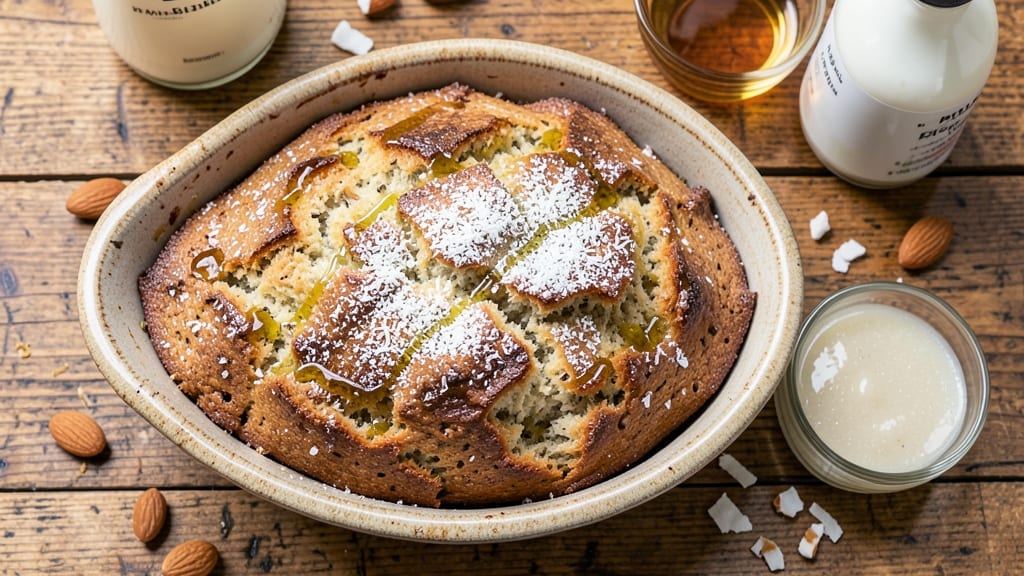
This gluten-free almond and coconut flour bread delivers the perfect balance of nutty richness and tender crumb—no wheat required. The combination of almond and coconut flours creates a naturally moist, slightly dense loaf with a satisfying crust, ideal for sandwiches or toast.
What makes this recipe work is the careful hydration adjustment that prevents dryness while maintaining structure without gluten.
The secret lies in the flours' unique properties: almond flour adds protein and fat for moisture retention, while coconut flour absorbs liquid aggressively, requiring extra eggs and milk to achieve the right texture.
I've tested this recipe extensively to ensure it bakes up with a golden crust and a tender interior that stays fresh for days. The result is a bread that's both nutritious and delicious, with a subtle sweetness from the coconut flour.
This method transforms basic pantry ingredients into a moist gluten-free loaf that rivals traditional bread. The baking process is straightforward with a 350°F oven and about 50-60 minutes of baking time, yielding a loaf that's perfect for slicing thin or serving as-is.
The nutty flavor pairs beautifully with spreads, soups, or as a base for open-faced sandwiches.
For those new to gluten-free baking, this recipe includes troubleshooting tips to avoid common pitfalls like dryness or excessive density. Optional add-ins like chia seeds or a touch of sweetener can customize the flavor to your preference, while proper storage techniques keep it fresh for up to a week.
Let's get baking!
Ingredients for almond and coconut flour bread
Nutty almond flour meets tender coconut flour for a gluten-free loaf with perfect moisture balance.
| Ingredient | Amount | Notes |
|---|---|---|
| Almond Flour 🌰 | 2 cups | Blanched, finely ground preferred |
| Coconut Flour 🥥 | ½ cup | Unrefined for best texture |
| Flaxseed Meal 🌾 | ½ cup | For egg replacement binder |
| Unsweetened Almond Milk 🥛 | 1 ½ cups | Room temperature preferred |
| Extra-Virgin Olive Oil 🫒 | ½ cup | Cold-pressed for flavor |
| Maple Syrup 🍯 | ¼ cup | Grade B for depth of flavor |
| Apple Cider Vinegar 🍎 | 1 tbsp | Activates gluten-free rise |
| Baking Powder 🍞 | 2 tsp | Aluminum-free preferred |
| Sea Salt 🧂 | ½ tsp | Fine grain for even distribution |
| Chia Seeds 🌱 | 2 tbsp | Optional for texture enhancement |
| Ground Cinnamon 🌿 | ½ tsp | For subtle warmth |
| Water 💧 | ½ cup | For coconut flour hydration |
The almond flour is non-negotiable here—Bob's Red Mill or Anthony's Goods brands provide the finest grind for optimal texture. Coconut flour absorbs liquid aggressively, so measure precisely and mix with water first to form a gel before combining with other ingredients. For the flaxseed meal, grind your own flaxseeds if possible, as pre-ground versions can lose effectiveness. The almond milk should be unsweetened and room temperature to integrate smoothly into the batter. If you're using a high-altitude oven, reduce baking temperature by 25°F to prevent over-browning.
No almond flour? Hazelnut flour works in a pinch, though flavor will differ slightly. Substitute coconut flour with 1:1 ratio of oat flour, but expect a denser result—add an extra egg binder if needed. For sweetness, agave nectar or date syrup can replace maple syrup without altering texture significantly. The apple cider vinegar is crucial for activating the baking powder; if unavailable, white vinegar at equal parts will suffice. For added richness, consider 1 tbsp melted coconut oil instead of some of the almond milk. Always sift the coconut flour before measuring to prevent clumping.
This loaf stays fresh for 5-6 days when stored in an airtight container at room temperature, wrapped in a clean kitchen towel to retain moisture. For longer storage, slice and freeze individual portions for up to 3 months—reheat directly in a toaster or oven. The bread benefits from being baked the day before, allowing flavors to meld. If the loaf feels dry after baking, lightly brush with almond milk mixed with a touch of olive oil while still warm. Avoid refrigerating as it accelerates staling.
Why You'll Love This Recipe
- No-Fuss Mixing: I swear by the flaxseed meal hack—just stir in the almond milk, and the eggs aren’t even needed. Five minutes of whisking, and you’re done. Honestly, the coconut flour’s a little finicky, but once you get the ratio right, it’s foolproof.
- Nutty-Creamy Magic: That combo of almond and coconut flour? Rich, slightly sweet, with a texture so tender it almost feels like brioche. The olive oil keeps it moist without being greasy—trust me, it’s dangerously good.
- Meal Prep MVP: Takes 40 minutes to bake, but lasts me all week. Toast it for breakfast, pack it for lunch, or serve it with soup—it’s the ultimate neutral base that won’t let you down. (Yes, even on a Tuesday night.)
- Budget-Friendly Staple: No expensive ingredients here—just pantry basics that stretch far. I buy almond flour in bulk, and the coconut flour lasts forever. Leftovers? They disappear faster than my willpower.
Step-by-step instructions for almond and coconut flour bread
This gluten-free bread delivers a perfect balance of nutty richness and tender crumb—every technique matters.
Create the Flaxseed Egg Substitute
In a small bowl, whisk together the 0.5 cup Flaxseed Meal with the 0.5 cup Water. Let it sit for 10 minutes until it thickens into a gel-like consistency—this acts as our egg substitute to bind the gluten-free flours. The mixture should resemble raw egg whites in texture.
Real talk: this step is non-negotiable. The flaxseed gel creates the structural integrity that gluten-free flours lack. If you skip it, your bread will crumble instead of slice cleanly. Stir occasionally during the waiting period to ensure even hydration throughout the mixture.
Mix Wet Ingredients for Optimal Texture
In a large mixing bowl, combine the 1.5 cups Unsweetened Almond Milk, 0.5 cup Extra-Virgin Olive Oil, 0.25 cup Maple Syrup, 1 tbsp Apple Cider Vinegar, 0.5 tsp Sea Salt, and 0.5 tsp Ground Cinnamon. Whisk vigorously for 2 minutes until fully emulsified—the olive oil should be completely incorporated without visible separation.
The vinegar here serves two purposes: it activates the coconut flour's ability to absorb moisture and adds a subtle tang that balances the sweetness. I like to use a hand mixer for this step—it creates tiny air pockets that contribute to the bread's light texture. The mixture should be smooth with no visible oil pooling on top.
Combine Dry Ingredients with Precision
Add the 2 cups Almond Flour, 0.5 cup Coconut Flour, 2 tsp Baking Powder, and the flaxseed gel to the wet ingredients. Using a rubber spatula, fold everything together just until combined—you should still see small flour streaks. Overmixing develops gluten-like proteins in almond flour, which can make the bread dense.
Here's where it gets technical: coconut flour absorbs moisture aggressively. That's why we're adding the 2 tbsp Chia Seeds now—they'll soak up excess moisture during the resting period, preventing a gummy texture. The dough will be thick and sticky, almost like wet sand. Don't panic; this is normal for gluten-free baking.
Prepare the Loaf Pan and Rest the Batter
Lightly grease an 8x4-inch loaf pan with olive oil or line it with parchment paper. Pour the batter into the prepared pan and smooth the top with a spatula. Cover the pan tightly with plastic wrap and refrigerate for at least 2 hours—this resting period allows the coconut flour to fully hydrate and the flavors to meld.
This chilling step is crucial for gluten-free baking. It prevents rapid expansion in the oven that could cause the bread to collapse. I've found that longer resting (up to 12 hours) actually improves texture, but minimum 2 hours works in a pinch. The batter should hold its shape when gently pressed with a finger—if it springs back slowly, it's ready.
Bake for Perfect Crust and Moisture Balance
Preheat your oven to 350°F. Bake the bread for 50-60 minutes until the top is golden brown and a toothpick inserted in the center comes out clean. The internal temperature should reach 205°F—this ensures complete doneness without drying out the crumb.
Watch carefully after 45 minutes—gluten-free breads can burn quickly. If the top browns too fast, tent loosely with aluminum foil. When done, transfer to a wire rack to cool completely before slicing. The bread will continue setting as it cools, becoming firm enough to slice cleanly. Each slice should reveal a tender crumb with subtle nutty flavor and just the right amount of moisture.
Pro Tips For Making Almond And Coconut Flour Bread
- Mix the Flours First: Coconut flour absorbs liquid like a sponge, so toss it with almond flour before adding wet ingredients. I learned this the hard way—skipping this step means a dense, gummy loaf instead of a light crumb. Let them sit for 2-3 minutes while you measure other ingredients; it makes all the difference.
- Preheat Pan and Oven: Cast iron or a heavy loaf pan needs 20 minutes in a 350°F (175°C) oven to get properly hot. Cold pans steal heat from your bread, leading to uneven baking. Trust me, your bread’s rise and crust depend on this—don’t rush it.
- Don’t Overmix the Batter: Stir just until the flax "eggs" are dissolved and dry ingredients are barely combined. Overmixing introduces too much air, which coconut flour can’t handle—your bread will collapse or taste flat. Think "lumpy but moist," not smooth.
- Brush Olive Oil on Top: After baking, let the bread cool 5 minutes, then brush the top with a mix of 1 tablespoon olive oil and ½ teaspoon salt. It crisps the crust and adds a subtle richness—no one will guess it’s "healthy." (Yes, even if you’re impatient like me.)
Flavor customization for this dish
Sweet Variations
Add ¼ cup unsweetened shredded coconut to the batter for extra texture and sweetness—it caramelizes beautifully during baking. For a dessert-style loaf, replace half the maple syrup with ½ cup date paste or ¼ cup tahini for nutty richness.
I've also had great success with 1 tsp vanilla extract mixed into the wet ingredients for depth. 🍯
Savory Twists
Swap the maple syrup for 2 tbsp nutritional yeast and add 1 tsp garlic powder plus ½ tsp onion powder to create a cheesy, umami bread perfect for dipping. For a Mediterranean touch, fold in 2 tbsp chopped sun-dried tomatoes and 1 tsp dried oregano after mixing the dry ingredients.
This version pairs wonderfully with olive tapenade or hummus. 🧄
Seed & Nut Enhancements
Boost nutrition by adding ¼ cup chopped walnuts or pumpkin seeds to the batter—they add satisfying crunch and healthy fats. For a tropical vibe, mix in 2 tbsp toasted coconut flakes with 1 tsp cinnamon before baking.
I always toast my seeds/nuts in a dry pan for 3-4 minutes first to enhance flavor—don't skip this step! 🌰
Herb & Spice Infusions
Brighten the flavor profile with 1 tbsp fresh rosemary or thyme leaves mixed into the wet ingredients. For a smoky depth, add ½ tsp smoked paprika and ¼ tsp cayenne to the dry ingredients.
My go-to is 1 tsp dried lavender (use sparingly!) for an elegant floral note that pairs beautifully with fruit preserves. 🌿
Texture Boosters
Create a marbled effect by swirling in 2 tbsp melted dark chocolate or orange zest before baking. For a crunchy topping, sprinkle 1 tbsp sesame seeds or crushed pistachios on the batter before the final bake.
I love the contrast of a soft interior with a nutty, crunchy crust—it elevates every slice. 💫
Nutrition facts
Frequently asked questions
Why does this recipe use both almond and coconut flour?
Almond flour adds protein and fat for moisture retention, while coconut flour absorbs liquid aggressively—creating the perfect balance for a tender yet sturdy loaf. The almond flour provides a nutty flavor and rich texture, while the coconut flour helps bind everything together without gluten. This combination prevents dryness while maintaining structure.
Can I make this bread without the flaxseed egg substitute?
You can try using 1 extra egg or ¼ cup chia seeds soaked in water as substitutes, but the flaxseed gel is ideal for binding gluten-free flours. Without it, your bread may crumble or lack structural integrity. The flaxseed mixture mimics egg proteins perfectly for this recipe.
How do I prevent the bread from being too dense?
Don't overmix the batter—just combine until small flour streaks remain. Also, ensure proper hydration by letting the coconut flour sit with water for 5 minutes before mixing. The 2-hour rest in the fridge is crucial for even texture. If it's still dense, try adding 1 extra tbsp olive oil to the wet ingredients.
Can I bake this in a different pan shape?
Yes! Use an 8-inch round cake pan or 9-inch square pan for a different shape, but reduce baking time by 10-15 minutes. For a free-form loaf, shape the batter onto a parchment-lined baking sheet and bake at 325°F for 40-45 minutes. Adjust oven temperature if using dark pans—they absorb more heat.
Why does my bread turn out dry after baking?
Dryness usually means the coconut flour wasn't properly hydrated or the batter rested too long. Always mix coconut flour with water first to form a gel, and don't exceed the 2-hour fridge rest. For extra moisture, brush warm slices with almond milk mixed with olive oil. Store properly in an airtight container with a towel to retain freshness.