
Side Dishes
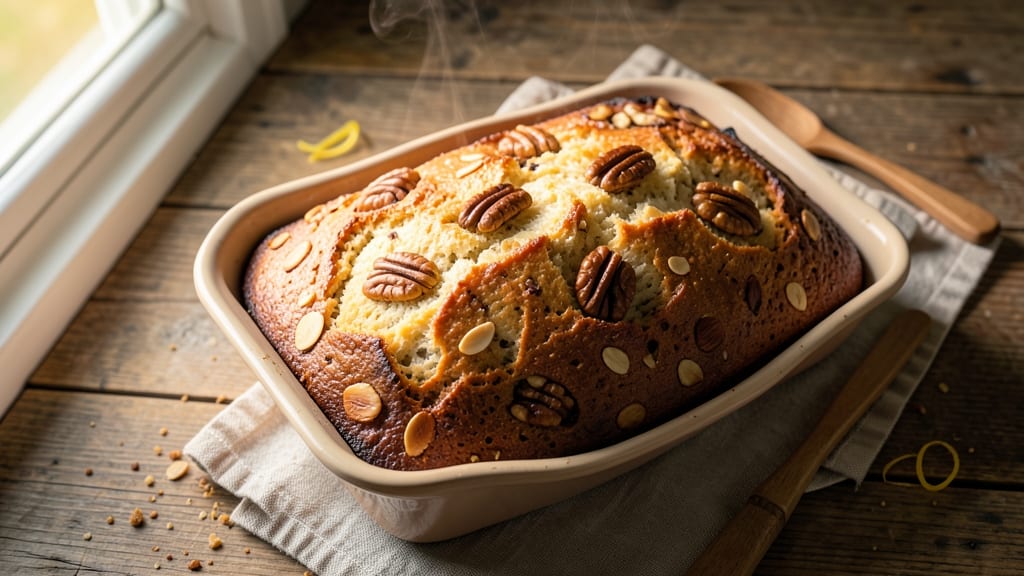
This almond flour nut bread recipe delivers the perfect balance of crispy top and moist center without a single grain of gluten. The secret lies in almond flour's natural richness, which creates a tender crumb while supporting that coveted crunchy crust.
I developed this recipe after years of testing gluten-free breads that either turned dense or dried out—until I found the right ratio of almond flour to moisture. What makes this nut bread special is its foolproof method that requires no special equipment or techniques.
The dough comes together in minutes, then proofs at room temperature (no refrigeration needed), and bakes to golden perfection in a standard home oven.
Each slice reveals a moist interior with just the right amount of nutty flavor from the almond flour, while the exterior develops that satisfying crunch you'd expect from traditional bread.
The result is a loaf that's perfect for toast, sandwiches, or serving alongside soups—all while being naturally gluten-free and packed with protein. The texture stays fresh for days, making it ideal for meal prep.
This recipe proves gluten-free baking can be just as satisfying as traditional bread, with none of the compromises. Whether you're accommodating dietary needs or simply craving a nutty, moist loaf, this almond flour nut bread delivers restaurant-quality results at home. The best part?
It's impossible to mess up once you follow these precise steps. Let's get baking!
Ingredients for almond flour nut bread
These 13 ingredients create a gluten-free nut bread with restaurant-style crunch and moisture.
| Ingredient | Amount | Notes |
|---|---|---|
| Almond Flour 🌰 | 3 cups | Blanched or unblanched, finely ground |
| Granulated Sugar 🍚 | ¼ cup | White or light brown |
| Coconut Sugar 🌿 | ¼ cup | For caramel notes (optional) |
| Large Eggs 🥚 | 4 whole | Room temperature for best mixing |
| Unsalted Butter 🧈 | ½ cup | Melted, full-fat for richness |
| Vanilla Extract 🌸 | 1 tbsp | Pure, high-quality extract |
| Unsweetened Almond Milk 🥛 | ¾ cup | Room temperature, unsweetened |
| Baking Powder 🧂 | 1 ½ tsp | Aluminum-free preferred |
| Salt 🧂 | ½ tsp | Fine sea salt |
| Lemon Zest 🍋 | 1 tbsp | From 1 organic lemon |
| Ground Flaxseed 🌾 | 1 tbsp | For binding, mixed with water |
| Sesame Seeds 🌱 | 2 tbsp | For topping, toasted |
| Coarse Sugar 🍚 | 2 tbsp | For crunchy top |
The almond flour is the star here—blanched or unblanched works, but blanched gives a slightly lighter texture. Bob's Red Mill or Anthony's Goods are my go-tos for quality, but any finely ground almond flour will do. The eggs? Room temperature is key—they mix better and create a smoother dough. If you're feeling fancy, add a splash of almond extract (½ tsp) for extra nutty depth. For the butter, full-fat is non-negotiable—it's what makes this bread tender and rich. If you're watching calories, use half butter and half coconut oil instead, but trust me on the full-fat version for that classic bread flavor.
No almond milk? Oat milk or coconut milk works just as well—just make sure it's unsweetened. Short on sesame seeds? Toasted sunflower seeds or pumpkin seeds give a similar crunch. The coconut sugar is optional, but it adds a subtle caramel note that pairs perfectly with the almond flavor. Diamond Crystal baking powder is my preference, but any brand will work. For the flaxseed, mix 1 tbsp ground flaxseed with 2.5 tbsp water and let it sit for 5 minutes to form a gel—this replaces eggs for binding. Pro tip: Zest the lemon while it's still cold from the fridge for maximum flavor. The coarse sugar topping? Don't skip this part—it's what gives you that perfect crunchy crust.
This dough is best used within 24 hours—it doesn't keep well due to the almond flour's natural oils. Store wrapped tightly in the fridge if you need to prep ahead, but bake within a day for optimal texture. The baked loaf stays fresh for 3-4 days at room temperature, wrapped in a clean kitchen towel. Freeze for up to 3 months by wrapping tightly in plastic wrap, then foil. To reheat, wrap in foil and warm in a 300°F oven for 10 minutes—it'll taste like it just came out of the oven. Slice with a serrated knife for clean cuts, and toast slices for 2-3 minutes for maximum crunch.
Why You'll Love This Recipe
- No Mixer Needed: I swear by this recipe when my hands are full—just fold the almond flour, eggs, and melted butter together until it’s just combined. No overworking, no gluten stressing out, and zero cleanup beyond one bowl.
- Buttery-Sweet Magic: That combo of granulated and coconut sugar? It’s like a secret handshake—caramel undertones with a clean finish, and the butter makes every slice taste like a hug. (Yes, even the ones I sneak at midnight.)
- Breakfast or Snack: Honestly, I’ve eaten this cold with jam, toasted with cinnamon, and even crumbled over yogurt for crunch. It’s the one loaf that works for lazy mornings, picnic baskets, or when I’m too tired to think past "carbs now."
- Lasts a Week: Between us, this bread doesn’t go stale fast. I’ll slice it, freeze half, and pull out perfect toast whenever—no sad, dry ends. Plus, almond flour stretches further than regular flour, so my wallet thanks me too.
Step-by-step instructions for almond flour nut bread
Here's how to create a tender crumb and crispy crust—no gluten, no guilt, just pure deliciousness.
Prepare the Flaxseed Egg Substitute
In a small bowl, whisk together the 1 tablespoon ground flaxseed with 3 tablespoons of the unsweetened almond milk. Let this mixture sit for 5 minutes—you'll see it thicken into a gel-like consistency. This is your egg substitute that binds everything together beautifully.
While you wait, preheat your oven to 350°F and grease an 8x4-inch loaf pan with a bit of the melted unsalted butter. The butter will create a barrier that prevents sticking and adds extra richness to the bread. Line the bottom of the pan with parchment paper for easy removal later.
Mix Wet Ingredients for Perfect Texture
In a large mixing bowl, combine the 4 whole large eggs with the 0.25 cup granulated sugar and 0.25 cup coconut sugar. Whisk vigorously for 2-3 minutes until the mixture is pale, thick, and nearly tripled in volume. You're incorporating air here, which will create that light, airy texture we're after.
Add the 1 tablespoon vanilla extract and 1 tablespoon lemon zest, mixing until fully incorporated. The lemon zest adds a bright, citrusy note that balances the richness of the almond flour. Then stir in the flaxseed mixture you prepared earlier—this will help bind all the dry ingredients together beautifully.
Combine Dry Ingredients Gently
In a separate bowl, sift together the 3 cups almond flour, 1.5 teaspoons baking powder, and 0.5 teaspoon salt. This step ensures even distribution of the baking powder and prevents dense pockets in your bread. Gently fold these dry ingredients into your wet mixture using a spatula, mixing just until combined.
Add the remaining 0.5 cup unsweetened almond milk and the melted unsalted butter, mixing until smooth. The batter should be thick but pourable—similar to pancake batter. If it's too thick, add 1 tablespoon more almond milk at a time until it reaches the right consistency. Don't overmix; you want to preserve those air pockets for a light texture.
Assemble and Bake for Perfect Rise
Pour the batter into your prepared loaf pan and smooth the top with a spatula. Sprinkle the 2 tablespoons coarse sugar evenly over the top for that signature crunchy crust. Then press the 2 tablespoons sesame seeds into the sugar layer, creating a beautiful golden pattern that adds texture and flavor.
Bake for 45-50 minutes, or until a toothpick inserted in the center comes out clean and the top is golden brown. The bread is done when the edges pull away slightly from the pan and the top is crispy to the touch. If the top browns too quickly, tent the pan with foil to prevent over-browning while it continues to bake.
Cool and Slice for Maximum Enjoyment
Remove the bread from the oven and let it cool in the pan for 10 minutes. Then transfer it to a wire rack to cool completely for another 20 minutes. This resting time is crucial—it allows the bread to set properly and prevents it from falling apart when you slice it.
Slice the bread into 8 even pieces and serve warm for the best texture. The center should be moist and tender, while the top should have that perfect crunchy crust from the coarse sugar and sesame seeds. Store any leftovers in an airtight container at room temperature for up to 3 days or freeze for longer storage.
Pro Tips For Making Almond Flour Nut Bread
- STOP OVERMIXING THE DOUGH: Almond flour is fickle—once you add the eggs and butter, stir just until combined. I learned this the hard way when my bread turned dense and rubbery. Overmixing develops gluten (which almond flour lacks), so fold gently like you’re tucking in a blanket.
- WEIGH YOUR ALMOND FLOUR: Scooping almond flour leads to inconsistent results—it packs differently than regular flour. Use a kitchen scale for precision; 1 cup of almond flour weighs about 100 grams, but don’t guess. My first batch was too dry because I eyeballed it.
- LET THE BUTTER COOL: If you whip cold butter straight from the fridge into the sugar, the dough will seize up. Let it sit at room temp for 30 minutes first—just until it’s soft enough to press with a finger. Warm butter? No, but cold butter that’s had time to relax makes all the difference.
- BAKE UNTIL 190°F: Almond flour bread doesn’t brown like wheat bread, so it’s easy to underbake. Check internal temp with a thermometer—190°F guarantees it’s fully set. I used to pull mine out at 180°F, and it’d stay gummy for hours. (Yes, even if the top looks golden.)
Common mistakes when making great almond flour nut bread
Overmixing the Dough
Almond flour is delicate—once you fold in the dry ingredients, stop mixing immediately after they're combined. Overmixing develops gluten (even though it's gluten-free), which makes your bread dense instead of tender.
I've ruined many loaves by whipping the batter like pancake mix. Use a spatula and fold just until no dry spots remain—about 10-12 strokes max. 🌰
Skipping the Flaxseed Gel
The flaxseed mixture isn't just an egg substitute—it's the secret to binding this bread together. If you skip letting it sit for 5 minutes or use pre-mixed flax "eggs," your loaf will crumble.
I learned this the hard way when my first attempt fell apart at the seams. Mix the flaxseed with 3 tbsp almond milk (not water) for best results.
Incorrect Oven Temperature
Baking at 350°F is critical—any hotter and the outside burns before the center cooks, any cooler and the bread stays gummy inside. I once baked at 375°F thinking it would speed things up, and ended up with a crusty exterior hiding a raw core.
Use an oven thermometer to verify your oven's actual temperature—many run 25°F hotter than set.
Not Greasing the Pan Properly
Almond flour bread sticks like glue if your pan isn't properly prepared. Just buttering the sides isn't enough—coat the bottom thoroughly with melted butter, then line with parchment paper.
I recommend using a silicon baking mat in the pan for even easier release. The butter adds flavor too, so don't skip this step!
Opening the Oven Too Soon
Peeking at your bread releases moisture and can cause the top to collapse. After 30 minutes of baking, resist the urge! If you're worried about doneness, use the toothpick test instead.
The bread should be golden brown and pull away slightly from the pan edges when ready. Patience pays off with a perfect rise. ✨
Using Old Almond Flour
Almond flour loses its freshness quickly—after 3 months in the pantry, it starts developing rancid flavors. I've noticed this makes my bread taste stale and bitter. Store your almond flour in the freezer in an airtight container to preserve its freshness for up to 6 months.
For this recipe, use freshly ground almond flour if possible for the best flavor and texture.
Nutrition facts
Frequently asked questions
Can I make this almond flour nut bread vegan?
Yes! Replace the 4 eggs with 4 flax eggs (4 tbsp ground flaxseed + 12 tbsp water, rested for 5 minutes) and use vegan butter instead of regular butter. The flaxseed mixture already replaces eggs for binding, so no other changes are needed. The texture will be slightly denser but still delicious.
Why does my almond flour nut bread turn out dense?
Overmixing is the #1 cause! Almond flour develops gluten-like proteins when overworked, making bread dense. Mix wet ingredients first, then fold dry ingredients in just until combined—about 10-12 strokes max. Also check your almond flour freshness—old flour loses its ability to absorb moisture properly.
How do I store leftovers to keep them fresh?
Wrap the cooled loaf tightly in a clean kitchen towel or beeswax wrap, then place in an airtight container at room temperature for up to 3 days. For longer storage, slice the bread and freeze between parchment paper—thaw at room temperature for 1 hour before serving. Toasting revives stale slices perfectly.
Can I substitute other nuts for almond flour?
While you can try cashew or hazelnut flour, the texture changes significantly. Almond flour's fat content creates the perfect balance of moisture and crunch. For a hybrid version, blend 2 cups almond flour with 1 cup cashew flour—just reduce the almond milk by 2 tbsp to compensate for the extra fat.
What's the best way to reheat slices?
Wrap slices in foil and warm in a 300°F oven for 8-10 minutes for that fresh-baked taste. For quick reheating, use a toaster or toaster oven for 2-3 minutes—this restores the crispy crust while keeping the interior moist. Microwaving works in a pinch but can make the bread gummy.