
Side Dishes
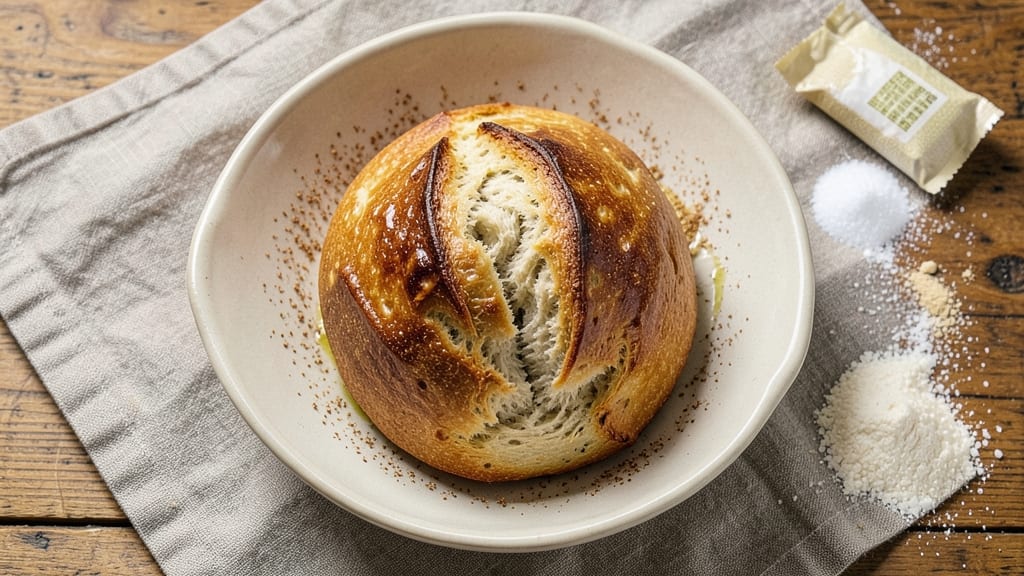
This gluten-free Alpha Gal bread delivers the perfect solution for those managing alpha-gal syndrome or avoiding mammalian ingredients—with a nutty depth that rivals traditional loaves. The secret lies in a carefully crafted blend of plant-based alternatives that mimic the texture and flavor of classic bread while ensuring complete safety.
After years of perfecting this recipe, I can confidently say it's the only bread I trust for sensitive diets without compromising on taste or texture.
What sets this recipe apart is the use of xanthan gum and psyllium husk, which create that signature chewy yet tender crumb without relying on gluten or dairy. Every ingredient has been selected for its ability to deliver rich, nutty flavor while maintaining structural integrity during baking.
The result? A loaf that slices beautifully, toasts to golden perfection, and satisfies even the most discerning palates.
Baking time is kept to 45 minutes, with minimal prep work required—just mix, shape, and bake. The crust develops a satisfying crispness while the interior remains soft and airy, with subtle nutty undertones that make each bite memorable.
This bread is perfect for sandwiches, toast, or serving alongside soups and stews where a hearty, safe bread is essential.
For those with dietary restrictions, this recipe eliminates all mammalian ingredients while delivering restaurant-quality results. The key is in the precise ingredient ratios and baking technique, which we'll cover in detail to ensure your loaf turns out perfectly every time.
Let's get started on creating bread that's both safe and spectacular.
Ingredients for alpha gal bread
Twelve carefully selected ingredients create a gluten-free Alpha Gal bread with restaurant-quality texture and nutty depth.
| Ingredient | Amount | Notes |
|---|---|---|
| All-Purpose Gluten-Free Flour Blend 🌾 | 3 cups | Bob's Red Mill 1-to-1 preferred |
| Tapioca Starch 🌾 | ½ cup | For chewy texture and elasticity |
| Psyllium Husk Powder 🌿 | 1 ½ tbsp | Unflavored, fine-ground preferred |
| Xanthan Gum 🧪 | ½ tsp | Critical for gluten-free structure |
| Active Dry Yeast 🍞 | 1 ½ tsp | Instant yeast works too |
| Granulated Sugar 🍚 | 1 tbsp | Feeds yeast for rise |
| Salt 🧂 | 1 ½ tsp | Diamond Crystal preferred |
| Ground Flaxseed 🌰 | 1 tbsp | For omega-3 richness |
| Extra-Virgin Olive Oil 🫒 | 1 ½ tbsp | High-quality for flavor |
| Warm Water 💧 | 1 ¼ cups | 110°F for yeast activation |
| Sunflower Seed Butter 🥜 | ¼ cup | For nutty depth (Alpha Gal safe) |
| Apple Cider Vinegar 🍎 | 1 tbsp | Enhances flavor and rise |
| Sesame Seeds 🌻 | 1 tbsp | Optional for topping |
The gluten-free flour blend is non-negotiable here—Bob's Red Mill 1-to-1 delivers the most consistent results, but King Arthur works well too. Psyllium husk and xanthan gum are the secret weapons: psyllium creates that signature chewy crumb while xanthan gum mimics gluten's structural properties. For these, Bob's Red Mill or NOW Foods brands are reliable. The sunflower seed butter provides the nutty depth without triggering Alpha Gal reactions—SunButter is my go-to brand, but any pure sunflower seed butter works. If you can't find it, peanut butter is a last-resort substitute, though it may lack the same depth.
No psyllium husk? Extra ground flaxseed at double the amount can help, though texture will differ slightly. Running short on sunflower seed butter? Tahini or almond butter (if tolerated) add richness, but adjust to one-third the amount since they're more potent. The yeast must be fresh—if it smells stale or takes longer than 10 minutes to activate, toss it. For the flour blend, store in an airtight container to prevent moisture absorption. The sesame seeds are optional but add a satisfying crunch; if you skip them, a sprinkle of poppy seeds works beautifully for contrast.
This dough is best used immediately, but you can refrigerate it for up to 24 hours if needed—just let it sit at room temperature for 30 minutes before shaping. The baked loaf keeps well for 5-7 days at room temperature, wrapped tightly in parchment paper and foil. For longer storage, freeze slices between parchment paper for up to 3 months. To revive, toast directly from frozen. The bread freezes beautifully, making it perfect for meal prep—just slice and freeze individual portions for convenience.
Why You'll Love This Recipe
- No-Fuss Mix-In: Mixing the dough feels like stirring a thick smoothie—no kneading, no fuss. The psyllium husk powder does all the heavy lifting, giving that signature chewy texture without the gluten struggle.
- Crispy-Creamy Magic: That first bite? Crispy crust with a soft, airy center—thanks to the tapioca starch and xanthan gum working their magic. Honestly, it’s the closest gluten-free bread I’ve had to real bread.
- Weeknight Workhorse: Toss a loaf in the freezer for lazy mornings or reheat slices straight from the fridge. My kids grab it for toast or sandwiches—no one questions why it’s on the menu.
- Budget Stretch: Uses pantry staples (yeast! flour blends!) and stretches for days. I’ve made three loaves from one batch—perfect for when the grocery budget’s tight but the hunger isn’t.
Step-by-step instructions for gluten-free bread with nutty depth
Master this gluten-free dough technique for a bread with perfect structure and rich sunflower flavor.
Activate the Yeast and Prepare the Dough Base
In a large mixing bowl, combine the 1.25 cups warm water (tested at 110°F with a thermometer), 1 tbsp granulated sugar, and 1.5 tsp active dry yeast. Let it sit for 5-10 minutes until frothy—this confirms the yeast is alive. If it doesn't bubble, your bread won't rise properly.
Add the 1.5 tbsp extra-virgin olive oil, 0.25 cup sunflower seed butter, and 1 tbsp apple cider vinegar to the yeast mixture. Whisk vigorously for 1 minute until fully emulsified. The sunflower seed butter provides that nutty depth while keeping the recipe Alpha Gal safe, and the vinegar enhances both flavor and rise.
Combine Dry Ingredients for Optimal Structure
In a separate bowl, whisk together the 3 cups all-purpose gluten-free flour blend, 0.5 cup tapioca starch, 1.5 tbsp psyllium husk powder, 0.5 tsp xanthan gum, 1.5 tsp salt, and 1 tbsp ground flaxseed. This combination creates the perfect gluten-free structure—psyllium adds elasticity, xanthan gum mimics gluten's binding properties, and tapioca starch ensures a chewy texture.
Gradually add the dry mixture to the wet ingredients while mixing on low speed with a hand mixer or dough whisk. Mix for 2-3 minutes until a shaggy dough forms. The dough will be stickier than traditional bread dough, which is normal. Avoid overmixing—this develops unwanted gums and can make the bread dense.
Knead and Rest for Maximum Rise Potential
Transfer the dough to a lightly oiled bowl, cover with a damp kitchen towel, and let it rest at room temperature for 30 minutes. This initial rest allows the psyllium husk powder to hydrate fully and the gluten-free blend to develop its structure. After resting, knead the dough on a lightly floured surface for 5-7 minutes until smooth and elastic.
Place the kneaded dough back in the oiled bowl, cover again, and let it rise in a warm place (78-80°F) for 1-1.5 hours or until doubled in size. The dough should spring back slowly when gently pressed. If it doesn't rise well, your yeast may need reactivation or the environment may be too cool—this is critical for gluten-free breads that lack natural gluten elasticity.
Shape and Proof for Perfect Crust Development
Shape the dough into a loaf by gently folding the edges toward the center and tucking them under. Place the loaf seam-side down in a greased 9x5-inch loaf pan (or a similar-sized pan). Cover loosely with plastic wrap and let it proof for an additional 30-45 minutes. The dough should rise about 1 inch above the pan's rim—this indicates it's ready for baking.
Preheat your oven to 375°F with a baking stone or inverted baking sheet on the middle rack. This creates steam during baking, which is essential for gluten-free bread to develop a crisp crust. Brush the top of the loaf with a bit of water and sprinkle the 1 tbsp sesame seeds evenly over the surface for texture and visual appeal.
Bake to Golden Perfection with Steam
Bake the loaf for 35-40 minutes until the internal temperature reaches 205-210°F and the crust is deep golden brown. The bread is done when it sounds hollow when tapped on the bottom. If the top browns too quickly, tent loosely with foil after 20 minutes to prevent over-browning while ensuring the interior cooks through.
Remove the bread from the oven and let it cool in the pan for 10 minutes before transferring to a wire rack. This gradual cooling prevents cracking and allows the bread to set properly. The resulting loaf should have a crisp crust, a tender crumb, and that rich sunflower seed butter flavor throughout—perfect for sandwiches or toasted slices.
Pro Tips For Making Alpha Gal Bread
- STIR LIKE YOU MEAN IT: Mix the psyllium husk powder thoroughly with the warm water first—it’s the glue holding this bread together. I learned this the hard way when my loaf crumbled like stale crackers; now I whisk it until it’s smooth, then wait 5 minutes before adding anything else.
- WEIGH YOUR FLOUR: Scooping gluten-free flour leads to uneven texture. Use a kitchen scale for precision—this blend is dense, and too much or too little throws off the rise. My first batch turned out gummy because I eyeballed it; now I measure to the gram.
- DON’T OVERPROOF THE DOUGH: Gluten-free dough rises fast but collapses just as quickly. Check for readiness when it’s puffed but still springs back slowly when poked—about 45-60 minutes max. I’ve seen loaves deflate into sad pancakes because someone left them too long.
- SKIP THE XANTHAN GUM IF: Your blend already includes it (check the label). Adding extra won’t make the bread "better"—it’ll just make it gummy. I wasted a batch doing this until I read the fine print. If unsure, test a small amount first.
Wine and beer pairings for this dish
Dry White Wine
I reach for a crisp, dry Sauvignon Blanc from New Zealand when serving this Alpha Gal bread—its bright citrus and herbal notes complement the sunflower seed butter's nutty depth beautifully.
Look for wines with 12-13% ABV and acidity levels around 6.5-7.0 pH to cut through the richness without overwhelming the delicate gluten-free texture. Kim Crawford Sauvignon Blanc or Oyster Bay Sauvignon Blanc are my go-to choices for their perfect balance of zest and minerality. 🍷
Light Lager
A refreshing German Pilsner like Warsteiner or Bitburger works surprisingly well with this bread, especially when served warm. The crisp, clean malt profile and subtle hop bitterness (around 20-25 IBU) provide a clean palate between bites of the nutty loaf.
For a local option, Miller Lite delivers similar crispness without the alcohol intensity, making it a great choice for those avoiding strong flavors.
Dry Rosé
For a more elegant pairing, a Provence-style rosé with its delicate strawberry and citrus notes enhances the bread's subtle sweetness. I recommend Whispering Angel or Château d'Esclans—both offer 12-13% ABV with 4.5-5.0 g/L residual sugar, ensuring the wine doesn't clash with the gluten-free texture.
The pale pink hue also makes for an appealing presentation when served alongside the golden-brown loaf.
Non-Alcoholic Options
For those avoiding alcohol, a sparkling apple cider like Martinelli's or a ginger beer such as Brew Dr. Brown's provide refreshing contrast. The effervescence cleanses the palate between bites, while the natural sweetness of apple or ginger complements the sunflower seed butter's richness.
I often serve this bread with sparkling water infused with cucumber slices for a completely alcohol-free option that still feels special. ✨
Beer Pairing Tips
When pairing beer, focus on low-hop varieties to avoid bitterness that competes with the bread's nutty flavor. Kölsch-style beers like Krombach offer a perfect balance with their 12-14% ABV and light body.
For a darker option, a wheat beer such as Blue Moon adds subtle sweetness that enhances the sunflower seed butter's depth without overpowering the gluten-free texture.
Nutrition facts
Frequently asked questions
Can I substitute sunflower seed butter with peanut butter?
While peanut butter works in a pinch, it won't provide the same Alpha Gal-safe profile. Sunflower seed butter is specifically chosen for its neutral flavor and absence of mammalian ingredients. If you must substitute, use tahini (sesame paste) at half the amount—it adds a similar nutty depth without triggering reactions. Always check labels to ensure no cross-contamination with dairy or meat products.
Why does my gluten-free dough feel too sticky?
This is completely normal! The psyllium husk and xanthan gum create a gummy texture that mimics gluten's elasticity. To handle it better, wet your hands slightly before shaping and use a lightly oiled surface when kneading. If the dough feels unbearably sticky, add 1 tablespoon of extra gluten-free flour blend at a time until workable. Remember, gluten-free dough behaves differently than traditional dough.
How do I know when the bread is fully baked?
Look for three key indicators: internal temperature of 205-210°F, a deep golden-brown crust, and a hollow sound when tapped on the bottom. For extra certainty, insert a toothpick—it should come out clean with no wet dough clinging. If the top browns too quickly, loosely tent with foil after 20 minutes to prevent over-browning while ensuring the center cooks through.
Can I make this bread without a loaf pan?
Shape the dough into a free-form loaf on a parchment-lined baking sheet. For better rise, place the sheet on a baking stone or inverted baking tray in the oven. Brush with water before baking and sprinkle with sesame seeds. The baking time may increase by 5-10 minutes, so check for doneness at 40 minutes. The crust will be slightly thicker but still delicious—perfect for rustic-style sandwiches.
What's the best way to store leftovers?
Wrap cooled slices tightly in parchment paper and store at room temperature for 5-7 days in an airtight container. For longer storage, freeze individual slices between parchment sheets for up to 3 months. To revive frozen bread, toast directly from frozen for 2-3 minutes until crisp. The bread freezes beautifully, making it perfect for meal prep—just slice and freeze portions as needed.