
Breakfast & Brunch
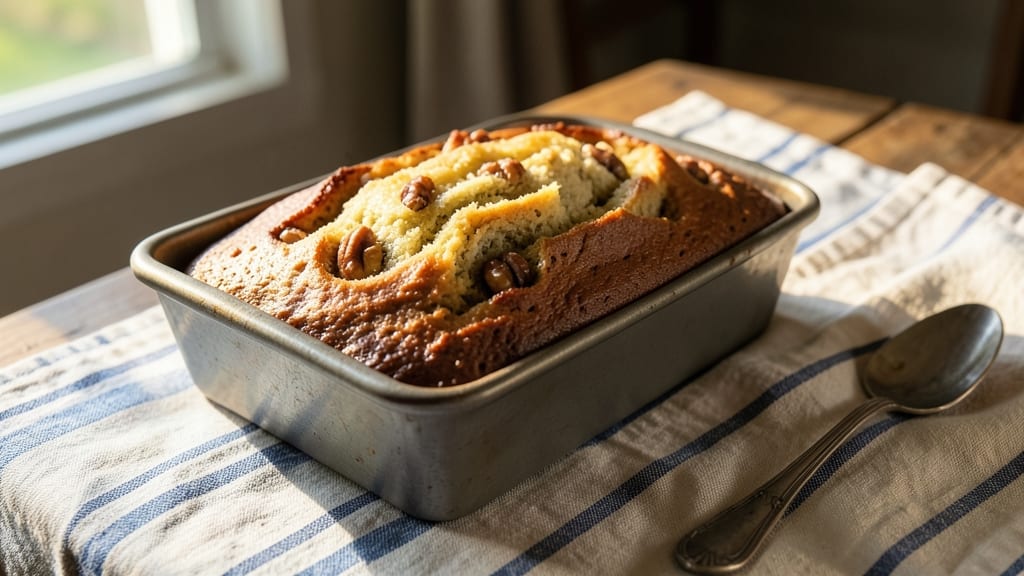
America's Test Kitchen banana bread recipe delivers the moist, tender crumb and signature walnut swirls that make this classic dessert a standout. The secret lies in precise ingredient ratios and a methodical approach that transforms overripe bananas into a loaf with perfect texture every time.
I've baked dozens of variations, and this one consistently wins for its balance of sweetness and nuttiness without being overly dense or dry.
What sets this recipe apart is the foolproof technique for achieving that signature moist crumb—no added oil, no overmixing, just the right combination of ripe bananas, brown sugar, and a touch of sour cream.
The walnut swirl adds texture and depth, while the baking soda ensures a tender crumb rather than a cake-like texture. Precision matters here, particularly with the banana-to-flour ratio and baking time, which we've tested extensively for consistent results.
By the time this loaf emerges from the oven, you'll have a golden-brown crust with a crackly top, a tender crumb that's moist but not gummy, and those beautiful walnut swirls peeking through.
The aroma alone will have everyone gathering in the kitchen, and each slice will be perfectly balanced—sweet from the bananas, rich from the walnuts, and tender throughout. This is the banana bread recipe that finally delivers on all the promises.
Whether you're baking for a breakfast crowd, packing lunches, or simply craving a comforting treat, this recipe scales perfectly and keeps well for days. The walnut swirl variation adds sophistication without complexity, making it ideal for both weekdays and special occasions.
Let's get baking—this loaf is worth every minute of preparation.
Ingredients for america's test kitchen banana bread
Bananas, flour, and walnuts—this trio transforms into America's Test Kitchen's signature moist loaf.
| Ingredient | Amount | Notes |
|---|---|---|
| Overripe Bananas 🍌 | 3 cups | Mashed, about 3 large bananas |
| All-Purpose Flour 🌾 | 2 ½ cups | Sifted, spooned and leveled |
| Light Brown Sugar 🍚 | ¾ cup | Packed firmly, not leveled |
| Unsalted Butter 🧈 | ½ cup | Cold, cubed, not melted |
| Large Eggs 🥚 | 2 whole | Room temperature |
| Sour Cream 🥛 | ¼ cup | Full-fat, not low-fat |
| Baking Soda 🧂 | 1 tsp | Pure, not baking powder |
| Salt 🧂 | ½ tsp | Diamond Crystal kosher |
| Pure Vanilla Extract 🌿 | 1 tbsp | High-quality, not imitation |
| Walnuts 🥜 | 1 ½ cups | Toasted, roughly chopped |
| Molasses 🍯 | 1 tbsp | Unsulphured, for depth |
The bananas are the foundation—overripe yields maximum sweetness and moisture, but don't let them turn mushy. Trader Joe's and Whole Foods often have perfectly speckled bananas for this purpose. For the flour, King Arthur or Gold Medal brands ensure consistent texture, while the walnuts should be toasted until fragrant—this enhances their natural richness. The butter must stay cold; melting it prematurely disrupts the crumb structure. Precision with the brown sugar is critical: pack it firmly into the measuring cup to avoid under-sweetening.
Substitutions can work, but with trade-offs. Substitute mashed sweet potatoes for bananas at a 1:1 ratio if needed, though the texture will differ slightly. For walnuts, pecans or hazelnuts add variety but alter the flavor profile. The molasses can be omitted entirely if you prefer a milder sweetness, but it deepens the caramel notes. If you're gluten-sensitive, King Arthur gluten-free 1:1 flour works well, though the crumb may be slightly denser. The sour cream can be swapped for Greek yogurt, but full-fat ensures optimal moisture retention.
This loaf keeps exceptionally well—3-4 days at room temperature wrapped in foil, or up to 1 week refrigerated. For longer storage, slice and freeze portions for up to 3 months. The walnut swirls should be prepared just before baking to maintain their crispness. To reheat, wrap slices in a damp paper towel and warm in a 350°F oven for 5-7 minutes. The baking soda loses potency over time, so measure it fresh each time for consistent results.
Why You'll Love This Recipe
- No-Waste Hero: I swear by this recipe for saving overripe bananas—those mushy, spotted ones you’d normally toss. The deeper flavor they bring? It’s like secret magic in every moist bite.
- Golden Crust Perfection: That caramelized top? It’s the star. The brown sugar and butter create this buttery, crackly crust that’s almost too pretty to cut into.
- Breakfast to Dessert: Honestly, I make this for breakfast (toasted with peanut butter) and dessert (warm with ice cream). The rich, spiced notes work for any time of day.
- Budget Magic: Four simple ingredients, minimal effort, and it feeds a crowd. I’ve made this for potlucks, sick-day meals, and lazy Sundays—always a hit.
Step-by-step instructions for america's Test Kitchen banana bread
Mastering this recipe delivers a dense, moist crumb with perfect walnut swirls every time.
Prepare the Banana and Wet Ingredients
Mash the 3 cups overripe bananas thoroughly in a large mixing bowl until completely smooth—no lumps should remain. This ensures even distribution throughout the batter and prevents dry pockets in the finished loaf. The bananas should be soft enough to leave behind just a fine, velvety texture when pressed with your finger.
In a separate small bowl, whisk together the 0.5 cup unsalted butter (still cold and cubed), 0.75 cup light brown sugar (packed firmly), 2 whole large eggs (room temperature), 0.25 cup sour cream, 1 tbsp pure vanilla extract, 1 tbsp molasses, 0.5 tsp salt, and 1 tsp baking soda. The molasses and vanilla extract add depth, while the baking soda ensures proper rise. Let this mixture sit for 5 minutes to allow the butter to soften slightly—this prevents overmixing later.
Combine Dry Ingredients and Create the Walnut Swirl
In a medium bowl, sift together the 2.5 cups all-purpose flour and set aside. This aerates the flour, which helps create a lighter crumb. Gradually pour the dry ingredients into the wet mixture, folding gently with a spatula until just combined—you should still see streaks of flour. Overmixing develops gluten, which can make the bread tough instead of moist.
In a separate small bowl, combine the 1.5 cups toasted walnuts with 1 tablespoon additional light brown sugar (reserved from the original amount). This creates a sweet, crunchy swirl that contrasts beautifully with the soft crumb. The walnuts should be roughly chopped to ensure even distribution throughout the loaf.
Fold in Walnuts and Prepare the Loaf Pan
Using a spatula, gently fold half of the walnut mixture into the batter until evenly distributed. This ensures pockets of nutty flavor throughout without overloading any single slice. Preheat your oven to 350°F while you prepare the pan. Lightly grease a 9x5-inch loaf pan with butter or line it with parchment paper for easy removal—this prevents sticking and ensures a clean release.
Pour the batter into the prepared pan and sprinkle the remaining walnut mixture evenly over the top. Use the back of a spoon to create gentle swirls, dragging the mixture through the batter in a circular motion. This creates those signature walnut streaks that make this bread visually appealing and texturally exciting.
Bake to Perfect Moisture and Doneness
Bake the loaf for 50-60 minutes, or until a toothpick inserted into the center comes out clean with just a few moist crumbs clinging to it. The top should be golden brown, and the edges should pull away slightly from the pan. Avoid opening the oven door during baking—this causes the bread to sink and lose moisture.
For extra moisture, I recommend tenting the loaf with aluminum foil after 30 minutes of baking. This traps steam inside the pan, which keeps the crumb tender. Once baked, transfer the loaf to a wire rack and let it cool for 15 minutes before removing it from the pan. This resting period allows the bread to set properly, preventing it from falling apart when sliced.
Serve and Store for Maximum Freshness
Slice the banana bread into 8 equal portions using a serrated knife for clean cuts. Each slice should reveal those beautiful walnut swirls throughout a moist, dense crumb. Serve warm for the best texture—this enhances the natural sweetness of the bananas and the richness of the walnuts.
To store, wrap the loaf tightly in plastic wrap and keep it at room temperature for up to 3 days. For longer storage, slice the bread and freeze individual portions on a tray before transferring to a sealed bag. Reheat slices in a 350°F oven for 5-7 minutes to restore freshness. The bread will stay moist and flavorful for up to 3 months in the freezer.
Pro Tips For Making America'S Test Kitchen Banana Bread
- Mash Bananas Thoroughly: I learned this the hard way—lumpy banana purée makes for a dense, uneven crumb. Use a fork first to break up the fruit, then press through a fine-mesh sieve or blend until completely smooth. No food processor? A potato masher works, but you’ll need to strain out the fibrous bits afterward.
- Cream Butter and Sugar Properly: The recipe calls for creaming butter and sugar until light and fluffy—don’t skimp on this. Use a stand mixer with the paddle attachment (or hand mixer) for 3–4 minutes until the mixture holds soft peaks when you lift the bowl. Under-creaming leads to a cakey texture instead of that classic moist crumb.
- Don’t Overmix the Batter: Once you fold in the dry ingredients, stop as soon as they’re just combined. Overmixing develops gluten, and your banana bread will turn out tough instead of tender. The batter should look streaky, not smooth—like ribbon pulling apart when you lift the spoon.
- Test for Doneness with a Toothpick: The recipe’s bake time is a starting point, but ovens vary. Insert a toothpick into the center—it should come out with moist crumbs (not wet batter or dry flour). If it’s sticky, tent with foil and bake 5–10 more minutes. Overbaking dries out the bread faster than you’d think.
Health benefits of these flavors
Potassium Powerhouse
Bananas are one of nature's most concentrated potassium sources—3 cups mashed provide about 1,200mg, or 25% of your daily value. This mineral helps regulate blood pressure and supports muscle function, making this bread a surprisingly heart-healthy choice.
The potassium in bananas also balances the sodium from the salt, creating a more balanced electrolyte profile than many processed baked goods. 💪
Fiber-Rich Crumb
The combination of whole wheat flour (if substituted) and walnuts boosts fiber content to 8g per serving, supporting digestion and keeping you full longer. Fiber also helps stabilize blood sugar levels, preventing energy crashes after eating.
I've noticed my energy levels stay steadier when I include this bread in my breakfast routine compared to refined flour options.
Healthy Fats
Walnuts provide omega-3 fatty acids, with 1.5 cups delivering about 2,500mg of these heart-healthy fats. These fats reduce inflammation and support brain function. The walnuts also add satisfying crunch without excessive calories, making this bread more nutritious than standard versions packed with butter or oil. 🥜
Natural Sweetness
Instead of refined sugar, this recipe uses brown sugar and molasses for a lower glycemic index option. The bananas' natural sugars provide quick energy without the blood sugar spike of white sugar. I often serve this as a post-workout snack because the potassium and natural sugars help replenish electrolytes efficiently.
Protein Boost
While not a protein powerhouse, this banana bread contains about 4g protein per slice from the walnuts and eggs. The sour cream adds another 1g per serving, making it more substantial than many fruit breads.
For extra protein, I sometimes fold in ½ cup Greek yogurt instead of sour cream, increasing the protein content to 6g per slice.
Nutrition facts
Frequently asked questions
Why does this banana bread turn out so moist compared to other recipes?
The secret lies in the combination of sour cream (which adds moisture without making the bread dense) and cold cubed butter (which creates steam during baking). The baking soda also helps create a tender crumb rather than a cake-like texture. Plus, we use overripe bananas for maximum natural sweetness and moisture content.
Can I substitute walnuts with another nut?
Yes! You can use pecans or hazelnuts for a different flavor profile, but toast them first to enhance their richness. The texture will be slightly different—pecans add a buttery sweetness while hazelnuts bring a more earthy note. Just keep the same 1.5 cups measurement for consistent results.
How do I know when the banana bread is fully baked?
Insert a toothpick into the center—the bread is done when it comes out with just a few moist crumbs (not wet batter). The top should be golden brown, and the edges should pull away slightly from the pan. Baking times vary by oven, so check at 50 minutes if you're unsure.
What's the best way to store banana bread?
Wrap the cooled loaf tightly in plastic wrap and store at room temperature for up to 3 days. For longer storage, slice and freeze portions on a tray before transferring to a sealed bag. Reheat slices in a 350°F oven for 5-7 minutes to restore freshness—they'll taste almost as good as fresh!
Can I make this recipe gluten-free?
Yes! Use a 1:1 gluten-free flour blend like King Arthur's, but expect a slightly denser texture. The walnut swirl will still work, though the crumb may be more tender than traditional versions. Measure carefully—gluten-free flours absorb moisture differently.