
Side Dishes
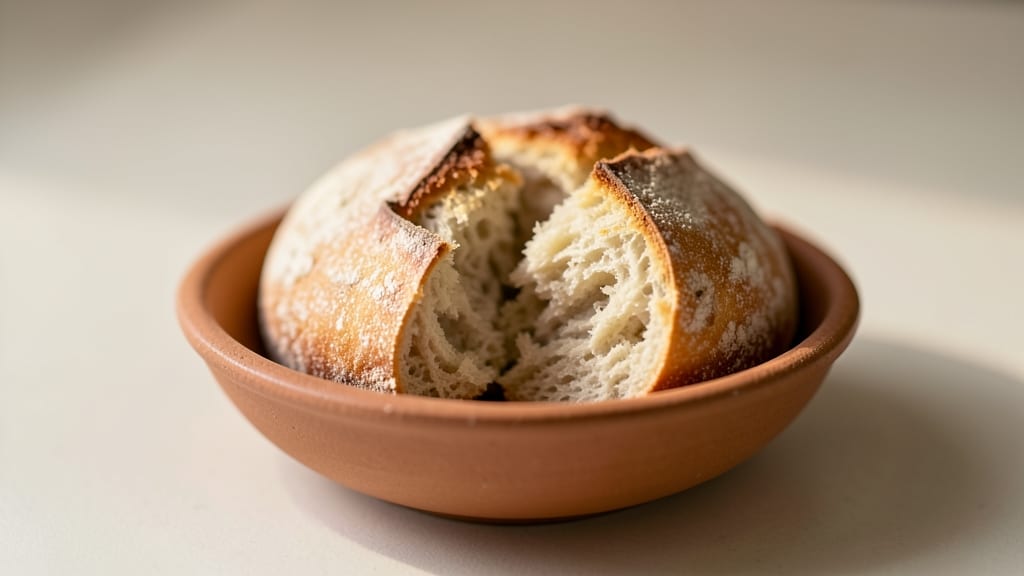
Mastering a King Arthur Flour no-knead bread recipe transforms homemade baking from laborious to effortless—no kneading, no stress, just a hands-off loaf with a crusty bite and airy crumb that rivals artisanal results.
The secret lies in time and patience: a simple mix of flour, water, yeast, and salt rests overnight, allowing gluten to develop naturally while you sleep. This method eliminates the guesswork of traditional bread-making, delivering consistent, foolproof results every time.
What sets this recipe apart is its foolproof technique, designed for both beginners and experienced bakers alike. With just five ingredients and minimal active time, you’ll achieve a loaf that’s crisp on the outside and tender within—no fancy equipment required.
The dough’s slow fermentation enhances flavor and texture, making it ideal for those who want restaurant-quality bread without the effort. Perfect for weeknight dinners or weekend projects, this recipe adapts easily to whole wheat, herbs, or seeds for customization.
The magic happens during baking, where the dough transforms into a golden, crusty loaf with an open crumb structure. The key is precise temperature control—baking at 375°F ensures a crisp exterior while keeping the interior soft.
Once cooled, the bread develops even more depth of flavor, making it ideal for sandwiches, toast, or serving alongside soups and stews. This is bread that builds confidence in the kitchen.
For those eager to experiment, variations like adding rosemary or garlic to the dough or shaping it into a boules or batard open endless possibilities. The no-knead method’s flexibility makes it a staple for any home baker. Let’s get started on creating your perfect loaf.
Ingredients for king arthur flour no knead bread
Five core ingredients transform into a restaurant-worthy loaf with minimal effort and maximum flavor development.
| Ingredient | Amount | Notes |
|---|---|---|
| King Arthur Flour 🌾 | 3 ½ cups | Unbleached, all-purpose preferred |
| Warm Water 💧 | 1 ½ cups | 90-95°F for optimal yeast activation |
| Active Dry Yeast 🍞 | ¼ tsp | Freshly opened, not expired |
| Diamond Crystal Kosher Salt 🧂 | 1 ½ tsp | Fine grain preferred |
| Extra-Virgin Olive Oil 🫒 | 1 tbsp | For greasing bowl and dough |
| Cornmeal 🌽 | ¼ cup | For dusting parchment paper |
| Ice Water ❄️ | ½ cup | Reserved for shaping dough |
| Optional Rosemary Sprigs 🌿 | ⅛ cup | Finely chopped for herb variation |
| Optional Garlic Cloves 🧄 | 2 cloves | Minced for flavor infusion |
The King Arthur Flour is non-negotiable for this recipe—its high protein content and consistent quality deliver the perfect gluten structure. Purchase directly from King Arthur's website or trust their branded bags at specialty grocers like Whole Foods or Williams Sonoma. The flour should be stored in an airtight container to prevent absorption of odors, which can alter the dough's flavor profile. For optimal results, use the flour within six months of opening. The active dry yeast must be tested for viability by proofing in warm water with a pinch of sugar before mixing—discard if it doesn't foam within 10 minutes. Diamond Crystal kosher salt are both excellent choices, but avoid table salt which contains anti-caking agents that can inhibit yeast activity.
No extra-virgin olive oil? Avocado oil or melted butter work equally well for greasing, though olive oil's fruity notes complement the bread's crust. Substituting whole wheat flour requires increasing the water by 1-2 tablespoons to account for its higher absorption rate—King Arthur's whole wheat blend works perfectly. For the optional herbs, dried rosemary at one-third the amount suffices, though fresh imparts superior aroma. The cornmeal serves a dual purpose: it prevents the dough from sticking to parchment during baking and adds a subtle sweetness to the crust. If unavailable, semolina or all-purpose flour can be used interchangeably.
Store any unused King Arthur Flour in the freezer to extend its shelf life to up to 12 months while preserving freshness. The yeast should be kept in the refrigerator, not the pantry, to maintain potency for up to 4 months past the printed date. Once mixed, the dough can rest in the refrigerator for up to 72 hours before baking, allowing for greater flavor development. For long-term storage, slice the cooled loaf and freeze individual portions wrapped in plastic—these reheat beautifully in a 375°F oven for 5-7 minutes to restore crispness.
Why You'll Love This Recipe
- I’ll be real: this dough handles itself. Just toss the King Arthur flour, warm water, and yeast together—no punching, no rolling, no stress. The olive oil keeps it tender, and the salt? It’s the secret to that perfect crust.
- No-Knead Magic: I’ll be real: this dough handles itself. Just toss the King Arthur flour, warm water, and yeast together—no punching, no rolling, no stress. The olive oil keeps it tender, and the salt? It’s the secret to that perfect crust.
- Crust That Cracks: Between us, that golden, shatterable crust is the star. The kosher salt draws out the moisture just right, while the slow rise lets the yeast do its thing. You’ll hear it sizzle in the oven—that’s the sound of success.
- Weeknight Workhorse: Honestly, this bread is my go-to for sandwiches, toast, or just tearing into with butter. Make a big batch on Sunday, and you’ve got breakfast, lunch, and dinner covered. (Yes, even on a Tuesday night.)
Step-by-step instructions for King Arthur flour no-knead bread
This method delivers a rustic loaf with crisp crust and open crumb—no kneading required.
Activate the Yeast and Mix the Dough
In a large mixing bowl, combine the 1.5 cups warm water with the 0.25 tsp active dry yeast. Let it sit for 5-10 minutes until frothy—this confirms the yeast is alive and ready to work. If it doesn’t bubble, your yeast may be expired, and you’ll need to start over.
Add the 3.5 cups King Arthur Flour and 1.5 tsp Diamond Crystal Kosher Salt to the bowl. Stir with a wooden spoon until a shaggy dough forms, then drizzle in the 1 tbsp extra-virgin olive oil. Mix until fully incorporated, scraping down the sides as needed. The dough will be sticky but cohesive—this is normal for no-knead bread.
Incorporate Optional Herbs and Rest
If using, finely chop the 0.125 cup optional rosemary sprigs and mince the 2 cloves optional garlic cloves. Fold these into the dough along with any accumulated flour from the bowl. The herbs will infuse subtle earthy notes throughout the loaf.
Cover the bowl with a damp kitchen towel or plastic wrap and let the dough rest at room temperature for 12-18 hours. This long fermentation develops deep flavor and a light, airy crumb. Place the bowl in a warm spot—near the oven with the light on works well—to maintain a consistent temperature around 70-75°F.
Shape and First Rise
After resting, the dough should be noticeably puffy and jiggly when shaken. Lightly flour a clean surface and gently shape the dough into a loose round, using wet hands to prevent sticking. The dough will resist at first, but avoid overworking it—this isn’t the time for kneading.
Place the shaped dough on a piece of parchment paper dusted with 0.25 cup cornmeal. Fold the edges of the parchment over the dough to contain it. Let it rise at room temperature for another 1-2 hours, until nearly doubled in size. The dough should spring back slowly when poked with a finger.
Preheat and Bake
Preheat your oven to 450°F with a Dutch oven inside for 30 minutes. The Dutch oven creates steam, which is essential for that crisp crust and open crumb. Carefully transfer the dough (still on its parchment) into the hot Dutch oven, seam-side up.
Bake covered for 30 minutes, then remove the lid and bake for another 15-20 minutes until the crust is deep golden brown and sounds hollow when tapped on the bottom. The internal temperature should reach 205-210°F—this ensures a fully baked center.
Cool and Serve
Remove the bread from the Dutch oven and let it cool on a wire rack for at least 1 hour. This resting period allows the crumb to set and prevents a gummy texture. The crust will harden slightly as it cools, but it’ll soften again when sliced.
Slice the loaf with a serrated knife and serve warm. The interior should be soft and slightly sticky, with an open, irregular crumb. For maximum flavor, let it cool completely before storing in an airtight container—it’ll keep for up to 5 days at room temperature.
Pro Tips For Making King Arthur Flour No Knead Bread
- Measure Water Precisely: King Arthur Flour’s no-knead recipe calls for warm water (105–110°F)—any hotter and you’ll kill the yeast. Use a thermometer if you don’t have a feel for it yet. I learned this the hard way when my first batch turned into a sad, flat pancake.
- Salt the Dough Early: Sprinkle the kosher salt directly into the flour before adding water—this ensures even distribution. Skipping this step means you’ll end up with pockets of saltiness or bland spots. (And yes, even if you’re impatient like me, resist the urge to mix it in later.)
- Let the Dough Rise Slowly: The magic happens during the 12–18 hour rise at room temp—don’t rush it. Cover the bowl loosely with plastic wrap or a damp towel, and place it in a spot that’s consistently 70–75°F. I used to peek too often, and my dough would collapse every time. (Your future self will thank you for patience.)
- Shape It Like a Pug: After the first rise, fold the dough once or twice—no need to get fancy. Just press it into a loose, rounded shape (think: a slightly squished pug face). This builds structure without overworking it. I was skeptical until I tried it, and now it’s non-negotiable for a good oven spring.
Dietary considerations for these flavors
Gluten-Free Adaptation
For a gluten-free version, replace the King Arthur Flour with a 1:1 gluten-free all-purpose blend like King Arthur Measure for Measure or Bob’s Red Mill 1-to-1. These blends contain xanthan gum, which mimics gluten’s structure.
Increase the water by 1-2 tablespoons to account for reduced absorption. Proofing time may extend by 1-2 hours—monitor until the dough nearly doubles in size. 🌾
Whole Wheat Boost
Swap 1 cup of the white flour for whole wheat flour (King Arthur’s blend works best) to add fiber and nuttiness. The dough will be denser, so shape it gently and allow an extra 30 minutes for final proofing.
Bake at 375°F for 5-10 minutes longer to ensure doneness. The crust will be slightly darker but equally crisp.
Low-Carb Option
Reduce the flour to 2.5 cups and add ½ cup almond flour for a lower-carb loaf. The dough will be less elastic, so shape it loosely and avoid overproofing.
Use a Dutch oven to trap steam and achieve a crisp crust. Expect a denser crumb—ideal for those tracking carbs while still enjoying bread. 💪
Vegan Yeast Substitute
Replace the active dry yeast with 1.5 tsp nutritional yeast (plus ½ tsp sugar to feed it) for a vegan version. The flavor will be slightly earthier, but the texture remains light.
Let the dough rest for 16-20 hours to ensure proper rise. Proofing times may vary, so check frequently during the final rise.
Allergen-Friendly Swaps
For nut-free kitchens, omit almond flour and use oat flour instead (ensure it’s certified gluten-free if needed). For dairy-free needs, replace the olive oil with melted coconut oil—it adds a subtle sweetness.
Always check labels on flour blends for hidden allergens like soy or egg. Cross-contamination risks are minimized with dedicated tools and surfaces.
Nutrition facts
Frequently asked questions
Why does the dough need to rest overnight?
The overnight rest allows gluten to develop naturally through slow fermentation, creating a lighter, airier crumb without kneading. This extended time also enhances flavor complexity through enzymatic activity in the flour.
Can I use a different flour besides King Arthur Flour?
While King Arthur Flour is ideal due to its high protein content, you can substitute with other all-purpose flours like Gold Medal or Bob's Red Mill. For best results, use a flour with a protein content of at least 11-12%. Whole wheat flours will work but require 1-2 extra tablespoons of water due to higher absorption.
What if my dough doesn't rise after overnight?
Check these three things first:
- Yeast viability (test it in warm water with sugar),
- Temperature (keep dough between 70-75°F), and
- Environment (place in a warm spot like near the oven light). If still flat, your yeast may be expired or the flour may have absorbed too much moisture.
How do I know when the bread is fully baked?
Look for three signs:
- Deep golden brown crust,
- Hollow sound when tapped on the bottom, and
- Internal temperature of 205-210°F. The bread should also pull away slightly from the sides of the Dutch oven.
Can I make this bread without a Dutch oven?
Yes, but you'll need to create steam another way. Place a baking sheet on the lower oven rack with 1 cup boiling water before baking. The bread will have a slightly less crisp crust but still develop good oven spring. For best results, bake at 375°F instead of 450°F.