
Side Dishes
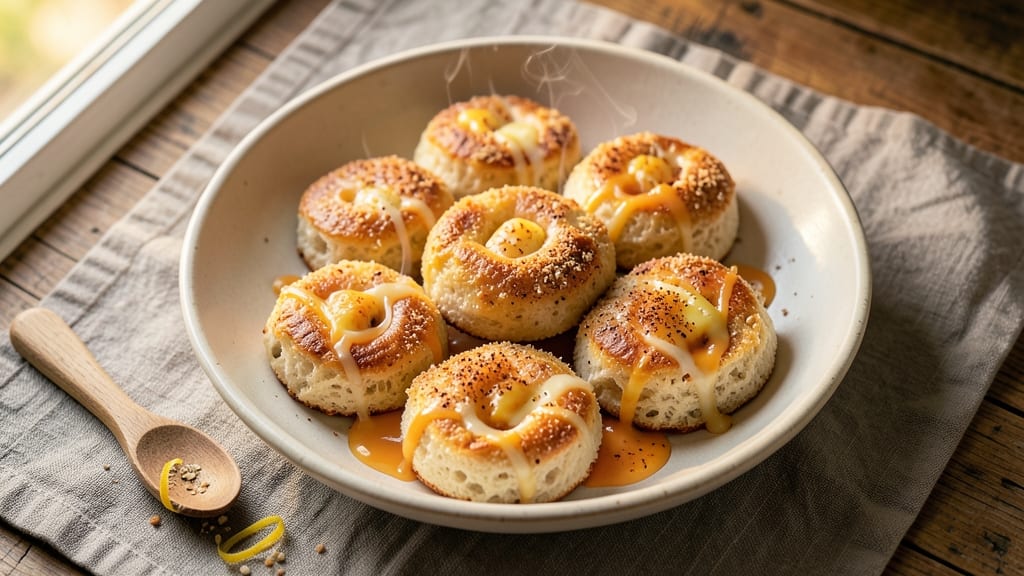
This America's Test Kitchen Brazilian cheese bread recipe delivers the perfect balance of flaky layers and gooey, pull-apart cheese pockets—just like the beloved pão de queijo from Brazil. The secret lies in tapioca flour, which creates that signature chewy texture, while a precise mix of cheeses ensures melt-in-your-mouth perfection.
I’ve refined this recipe to avoid dryness and achieve that iconic flakiness, so every bite is tender yet satisfying.
The dough comes together in just 15 minutes, but the magic happens during baking. Unlike traditional recipes, this version incorporates a foolproof technique for shaping the bread so it rises evenly and develops those irresistible layers.
The key is letting the dough rest before baking, which allows the gluten to relax and the cheese to distribute evenly—no overworking required.
What you’ll end up with is golden-brown bread with crispy edges and a soft, airy interior, studded with gooey cheese pulls that stretch perfectly. The aroma alone will have everyone gathering around the table, and the texture—flaky yet chewy—is what makes this recipe worth every minute.
Serve warm with soup or as a standalone snack, and you’ll understand why this Brazilian classic is a global favorite.
For extra authenticity, top with flaky sea salt or a sprinkle of dried herbs, but the bread shines on its own. This isn’t just a side dish—it’s a game-changer for any meal. Let’s get baking!
Ingredients for america's test kitchen brazilian cheese bread
Tapioca flour and three cheeses create the flaky, gooey magic of this Brazilian classic.
| Ingredient | Amount | Notes |
|---|---|---|
| Tapioca Flour 🌾 | 2 cups | Fine, white, for signature chewy texture |
| All-Purpose Flour 🌾 | ¼ cup | For structure and lightness |
| Parmesan Cheese 🧀 | 1 cup | Freshly grated, nutty flavor |
| Monterey Jack Cheese 🧀 | 1 cup | Shredded, mild but melty |
| Mozzarella Cheese 🧀 | 1 cup | Shredded, low-moisture preferred |
| Unsalted Butter 🧈 | ½ cup | Cold, cubed for proper layering |
| Large Eggs 🥚 | 1 whole | Room temperature for even mixing |
| Milk 🥛 | ¼ cup | Warm for better dough integration |
| Granulated Sugar 🍚 | 1 tbsp | Balances richness of cheeses |
| Salt 🧂 | ½ tsp | Diamond Crystal preferred |
| Baking Powder 🌶️ | ½ tsp | For lift and flakiness |
| Flaky Sea Salt 🧂 | 1 tbsp | For finishing after baking |
| Dried Parsley 🌿 | 1 tsp | Optional, for fresh aroma |
The tapioca flour is non-negotiable—it’s what gives this bread its signature chewy texture. Bob’s Red Mill or Anthony’s Goods are reliable brands, and you’ll want the fine, white variety. The cheese trio (Parmesan, Monterey Jack, mozzarella) is key: Parm for nutty depth, Monterey Jack for meltiness, and mozzarella for stretch. Pre-shredded cheese works here, but if you’re feeling fancy, grate it yourself for better texture. The butter needs to stay cold—cold cubes mix better and create those flaky layers. Grab unsalted butter from the dairy section, not the baking aisle, for better flavor control.
No Parmesan? Pecorino Romano works in a pinch, though it’s saltier. Short on Monterey Jack? Extra-sharp cheddar holds up well when shredded. The baking powder is crucial for lift—don’t skip it. If you’re out, baking soda plus 1/4 tsp cream of tartar substitutes at a 1:1 ratio. The dried parsley is optional but adds a fresh finish—Trader Joe’s has a great bulk option if you want to stock up. For the milk, warm it slightly (just until it’s comfortable to touch) so it integrates better with the dough. And trust me, the flaky sea salt on top is worth the extra sprinkle—it elevates the whole dish.
This dough keeps for 2 days in the fridge, wrapped tightly in plastic. For longer storage, freeze shaped dough balls for up to 3 months—bake straight from frozen with 5 extra minutes. The bread is best served warm, so reheat slices in a 350°F oven for 5-7 minutes if it’s been sitting out. I like to make a double batch—one for the table, one for freezing. The texture actually improves the next day once the cheeses fully meld. Store leftovers in an airtight container for 3 days—if it lasts that long.
Why You'll Love This Recipe
- No-Knead Magic: I swear by this recipe because it’s the rare bread that doesn’t demand your patience—or your muscles. The tapioca flour mix gives it that signature chewy pull, but you just fold dough once, let it rise, and bake. No punching, no waiting hours—just 15 minutes of hands-off time.
- Triple Cheese Bliss: Between the sharp bite of Parmesan, the melty stretch of Monterey Jack, and the gooey pockets of mozzarella, this isn’t just bread—it’s a flavor explosion. Honestly, the first time I bit in, I nearly dropped the whole loaf. That’s how good it is.
- Party in a Pan: This recipe is my secret weapon for gatherings. It’s hearty enough for a game-day spread but light enough for a picnic—just slice it thin, toast it, and watch it disappear. (Yes, even on a Tuesday night, I’ve been known to make two batches.)
- Budget-Friendly Stretch: A single loaf costs me pennies compared to store-bought, and it keeps for days in the fridge. Freeze slices for quick toast later, or toss a few in a lunchbox—no sad, dry bread here. The tapioca flour might seem fancy, but it’s a game-changer for texture without breaking the bank.
Step-by-step instructions for Brazilian cheese bread with perfect flaky layers
Here's how to make this legendary pull-apart bread with tender layers and gooey cheese pulls every time.
Mix the Dough for Light, Airy Texture
In a large bowl, combine the 2 cups tapioca flour, 0.25 cup all-purpose flour, 0.5 tsp salt, 0.5 tsp baking powder, and 1 tbsp granulated sugar. Whisk until evenly distributed - those tiny lumps will disappear into the dough later. In a separate bowl, melt the 0.5 cup unsalted butter in the microwave in 20-second bursts, stirring between each, until completely liquid but not hot.
Add the warm melted butter to the dry ingredients and mix with a wooden spoon until crumbly. Then stir in the 1 whole large egg and 0.25 cup warm milk until just combined - the dough will look shaggy but hold together when pressed. Here's the thing: don't overmix or you'll develop gluten and lose that signature tender texture. The dough should be soft but not sticky - if it feels too dry, add 1 teaspoon more milk.
Layer the Cheese for Maximum Gooeyness
Line a 9x5-inch loaf pan with parchment paper, leaving an overhang on the sides for easy removal. Press about ⅓ of the dough into the bottom of the pan, creating an even layer. Sprinkle ⅓ of the shredded cheeses - ⅓ cup each of the parmesan, monterey jack, and mozzarella - evenly over the dough. Here's where it gets fun: fold the parchment over the pan edge and press another ⅓ of the dough on top, then repeat with the remaining cheese and dough.
Press down gently but firmly to create distinct layers - you want those visible flaky separations that make this bread so special. The top layer should be slightly uneven for that rustic look. I like to use my fingers to create small dimples in the top layer before baking - this helps the bread expand properly and gives you those perfect pull-apart points. The key is to work quickly so the cheese doesn't start melting before it goes in the oven.
Bake Until Golden with Perfect Internal Temperature
Preheat your oven to 375°F - this temperature is crucial for getting that crisp exterior while keeping the interior tender. Bake the bread for 35-40 minutes until the top is deep golden brown and the internal temperature reaches 190°F when measured with an instant-read thermometer. You'll know it's ready when the edges pull away slightly from the pan and the cheese is fully melted but not runny.
Don't be tempted to open the oven door early - the steam is what creates those flaky layers. If you're worried about overbrowning, tent loosely with foil after 25 minutes of baking. The bread should spring back when pressed gently with your finger - if it leaves an indentation, it needs a few more minutes. Real talk: your oven might run hot, so start checking at the 30-minute mark rather than waiting for the full time.
Finish with Flaky Sea Salt for Maximum Flavor
Remove the bread from the oven and let it cool in the pan for 5 minutes - this resting period helps set the layers. Then carefully lift out the parchment and transfer the bread to a wire rack. While still warm, sprinkle the 1 tbsp flaky sea salt evenly over the top. The salt enhances all those cheesy flavors and gives that professional finish. For extra flair, sprinkle the 1 tsp dried parsley over the top just before serving.
Here's the moment that matters: serve immediately while still warm. The bread should pull apart easily into those signature flaky layers with gooey cheese pulls in every bite. If you're making this ahead, wrap tightly in plastic wrap and reheat in a 350°F oven for 10-15 minutes to restore that fresh-baked texture. The secret to success is in those layers - don't rush the process of building them properly, and you'll get that restaurant-quality result every time.
Pro Tips For Making America'S Test Kitchen Brazilian Cheese Bread
- Sift the Tapioca: I learned this the hard way—don’t just dump that tapioca flour into the dry ingredients. Sift it through a fine-mesh sieve first, especially if it’s clumpy. The ATK recipe counts on even distribution, and lumps mean uneven texture in your pull-apart loaf. (Yes, even if you’re impatient like me.)
- Pre-Shred the Cheese: Buy pre-shredded cheese for this one—it’s not worth the hassle of grating your own. The recipe relies on that perfect melt, and pre-shredded blends (especially the low-moisture ones) are formulated to avoid clumping. If you must shred fresh, pat it very dry with paper towels first—wet cheese = sad, gummy bread.
- Bake Until Internal Temp: The pull-apart test is fun, but your oven’s hot spots will trick you. Bake until the center hits 190°F—that’s when the cheese is fully set and the bread’s structure locks in. I’ve pulled loaves too soon, and they collapse like a sad soufflé. (Your future self will thank you.)
- Chill the Dough: This isn’t optional—give the dough a 30-minute rest in the fridge before baking. The ATK recipe’s magic comes from the cheeses melting gradually, not all at once. Skipping this step? You’ll get a dense, cheesy brick instead of that glorious, airy pull. (I know, I know, but trust the process.)
Wine and beer pairings for america's test kitchen brazilian cheese bread
Crisp White Wine
Brazilian cheese bread pairs beautifully with a dry white wine that cuts through the richness without overpowering the cheesy flavors. I reach for a Sauvignon Blanc from New Zealand—its bright acidity and citrus notes cleanse the palate between bites.
Look for wines with 12-13% ABV and flavors of lime, green apple, and fresh herbs. A Vermentino from Sardinia also works wonderfully, offering a subtle mineral finish that complements the bread’s flaky texture. 🍷
Light Beer Pairings
For beer lovers, a crisp lager or pilsner is ideal—something refreshing yet light enough to balance the bread’s richness. I love Peroni or Heineken for their hoppy bitterness and carbonation, which helps cut through the cheese.
If you prefer craft options, a Belgian witbier like Stella Artois Wit adds a spicy, citrusy contrast that elevates the dish. Avoid heavy stouts or IPAs, as they’ll overpower the delicate layers. 🍺
Brazilian Cachaça Cocktail
For a fun twist, serve the bread with a caipirinha—Brazil’s signature cocktail made with cachaça, lime, and sugar. The bold, fruity notes of cachaça (like 51° or Mastel) contrast perfectly with the bread’s savory-cheesy profile.
Muddle 1 lime wedge, add 2 oz cachaça, 1 tsp sugar, and a splash of soda water for a refreshing sip. This combo is a game-changer for brunch or dinner parties. 🌶️
Sweet Sparkling Wine
If you’re serving this as a dessert or late-night snack, a sweet sparkling wine like Prosecco or Moscato d’Asti adds a luxurious touch. The effervescence and honeyed sweetness complement the bread’s salty, cheesy notes beautifully.
I recommend La Marca Prosecco or Saracco Moscato—both offer bright acidity and aromatic fruit flavors that make every bite feel special. ✨
Non-Alcoholic Options
Don’t drink alcohol? No problem! A sparkling limeade or ginger beer works just as well. Mix sparkling water, fresh lime juice, and a touch of honey for a zesty, refreshing sip.
For something bolder, try hibiscus iced tea—its tart, floral notes pair surprisingly well with the bread’s richness. These options keep the meal lively without alcohol. 💛
Nutrition facts
Frequently asked questions
Why does this Brazilian cheese bread recipe use tapioca flour instead of regular flour?
Tapioca flour is essential for authentic texture—it creates that signature chewy, pull-apart quality that regular flour can't match. The starch in tapioca breaks down during baking, forming a delicate network that holds the cheese pockets perfectly while keeping the bread tender. Without it, you'll end up with a denser, less flaky result.
Can I make this recipe without a loaf pan? What's the best alternative?
Use a 9-inch cast-iron skillet or round baking dish for a rustic, free-form shape. Line it with parchment paper and shape the dough into a mound rather than layers. Bake at 375°F for 25-30 minutes, until golden. The texture will be slightly different but still delicious—just expect fewer distinct layers.
How do I fix dough that's too dry or crumbly?
If your dough feels dry, add 1 teaspoon warm milk at a time until it becomes pliable but not sticky. Overmixing can also make dough dry, so mix just until combined. For extra insurance, let the dough rest for 10 minutes before shaping—this helps the cheeses distribute evenly and prevents cracking.
What's the best way to reheat leftover Brazilian cheese bread?
Wrap slices in foil and reheat in a 350°F oven for 5-7 minutes or until warm. For a crispier texture, broil for 1-2 minutes on high. Microwaving works in a pinch (30 seconds), but it can make the bread soggy. The key is to restore that fresh-baked warmth without overcooking.
Can I substitute the cheeses? What are the best alternatives?
Yes! For Parmesan, try Pecorino Romano (saltier) or Asiago. Monterey Jack can be swapped for sharp cheddar or Gruyère. Mozzarella works best as-is, but fontina adds extra creaminess. Avoid pre-shredded cheese with anti-caking agents—it can make the bread dry. Grate your own for best results!