
Main Courses
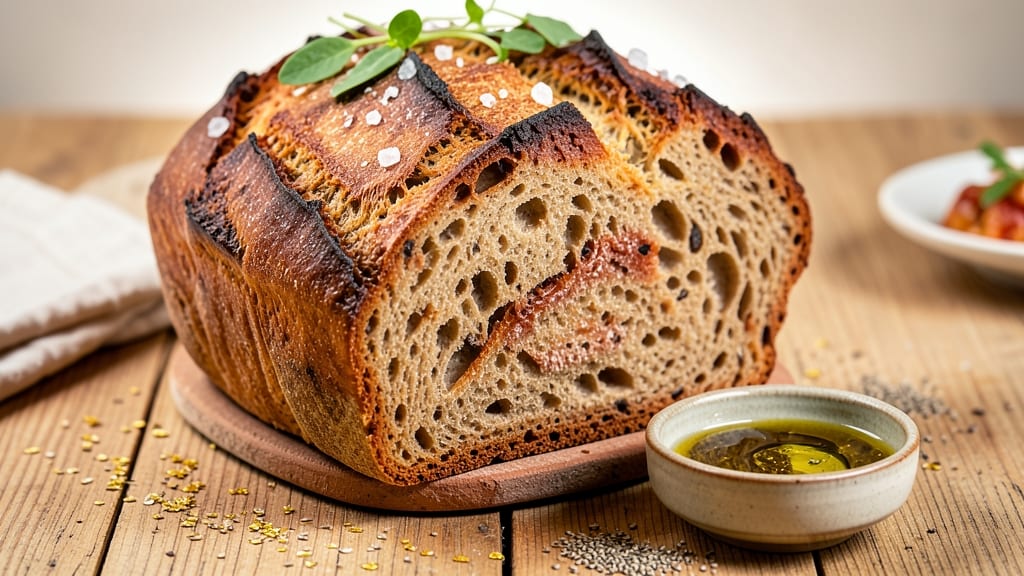
This ancient bread recipe no yeast brings back the simplicity of early civilizations—where bread was made with just water, grains, and time. 💫 The technique relies on wild fermentation, mimicking the flatbreads of ancient Egypt or the spongy injera of Ethiopia, without relying on commercial yeast or sourdough starters.
What makes this recipe remarkable is its reliance on traditional grains like einkorn or spelt, which were staples thousands of years ago.
The process is straightforward but requires patience: mix whole grains with water, let them ferment naturally for 12–24 hours, then shape and bake. The result is a light, airy loaf with a crisp crust and a tender interior—no kneading, no yeast, just the power of ancient grains.
This method also makes it naturally vegan, perfect for those avoiding dairy or gluten-sensitive ingredients.
What sets this bread apart is its historical authenticity—no modern shortcuts, just the way bread was made before industrialization. The fermentation develops complex flavors, and the texture remains surprisingly light despite skipping yeast.
It’s ideal for sandwiches, toast, or serving alongside soups, proving that ancient techniques still deliver modern results.
Ready to bake bread the way our ancestors did? This recipe is your gateway to flavorful, no-yeast bread that’s as nutritious as it is delicious. Let’s get started with a method that’s both timeless and foolproof.
Ingredients for ancient bread recipe no yeast
Ancient grains and patience create this no-yeast bread with just water and time.
| Ingredient | Amount | Notes |
|---|---|---|
| Einkorn Whole Wheat Flour 🌾 | 2 ½ cups | Stone-ground for optimal texture |
| Spelt Whole Wheat Flour 🌾 | 1 ½ cups | For authentic ancient grain flavor |
| Filtered Water 💧 | 2 ¼ cups | Room temperature preferred |
| Sea Salt 🧂 | 1 ½ tsp | Diamond Crystal preferred |
| Olive Oil 🫒 | 1 tbsp | Extra-virgin for richness |
| Ground Flaxseed 🌱 | 1 tbsp | For binding without yeast |
| Apple Cider Vinegar 🍎 | 1 tsp | Enhances fermentation |
| Wild Yeast Culture (Optional) 🍞 | ½ tsp | From previous batch or store |
| Sesame Seeds 🌻 | 1 tbsp | For traditional crust texture |
| Poppy Seeds 🌼 | 1 tsp | Optional for historical authenticity |
| Cornmeal 🌽 | 2 tbsp | For dusting baking surface |
The flours are the heart of this recipe—einkorn and spelt bring historical authenticity. Bob's Red Mill carries excellent stone-ground versions, or check specialty grain stores for heirloom varieties. If you can't find einkorn, whole wheat flour works in a pinch, though the flavor will differ slightly. The flaxseed acts as a natural binder, replacing yeast entirely. For the vinegar, raw, unfiltered apple cider vinegar contains more beneficial microbes to kickstart fermentation. Store your flours in airtight containers to preserve freshness—they lose potency after 3 months once opened.
No flaxseed? Chia seeds at double the amount work as a substitute. Skipping the vinegar? Lemon juice at the same ratio provides acidity. The optional wild yeast culture comes from saving a portion of your previous batch—this jumpstarts fermentation but isn't required. For the seeds, sesame and poppy are traditional, but sunflower or flaxseeds add modern variation. The cornmeal is crucial—it creates that signature crisp crust while preventing sticking. If you're short on time, toast the cornmeal first to enhance flavor, though it's not necessary for the basic recipe.
This dough requires 12-24 hours of fermentation, so plan ahead. Store your mixed dough in a glass jar with a loose lid at room temperature—this allows gas to escape while protecting from contaminants. The dough will rise noticeably but may not double like commercial yeast breads. For long-term storage, freeze shaped loaves for up to 3 months. Once baked, keep bread wrapped in a cotton towel to maintain moisture—it stays fresh for 5-7 days at room temperature, though the flavor peaks within the first 2 days.
Why You'll Love This Recipe
- No-Knead, No-Fuss: Honestly, this bread takes zero effort. Mix the einkorn and spelt flours with water and a pinch of salt—no yeast, no waiting, no stress. Just fold in a drizzle of olive oil, shape it, and let it bake while you sip coffee or watch a show.
- Nutty, Earthy Magic: Between us, that combination of einkorn and spelt? It’s like biting into history—warm, slightly sweet, with a chewy texture that sticks to your ribs. The sea salt and olive oil finish it off like a perfect bookend.
- Weeknight Wonder: I swear by this for sandwiches, toast, or even as a side with soup. It holds up for days in the freezer, too—just reheat slices in the toaster or oven. (Yes, even on a Tuesday night.)
- Budget-Friendly Staple: Ancient grains sound fancy, but this recipe costs pennies per loaf. Einkorn and spelt are affordable, and the ingredients last forever. Plus, one batch feeds my family for days—no wasted leftovers here.
Step-by-step instructions for ancient bread using ancient grains
This method transforms simple ingredients into a bread with ancient grain depth and texture—no yeast required.
👨🍳 Step 1: Combine Wet Ingredients for Optimal Fermentation
In a large mixing bowl, whisk together the 2.25 cups filtered water and 1 tbsp olive oil until fully emulsified. Add the 1 tbsp ground flaxseed and 1 tsp apple cider vinegar, stirring vigorously for 30 seconds until the flaxseed forms a gel-like consistency. This creates natural binding without yeast.
If using the 0.5 tsp wild yeast culture, sprinkle it over the mixture and stir gently to dissolve completely. The vinegar and optional yeast work together to initiate fermentation while the flaxseed provides structural integrity. Let this mixture rest for 5 minutes at room temperature—you'll see slight bubbling as fermentation begins.
👨🍳 Step 2: Mix Dry Ingredients for Perfect Texture
In a separate bowl, combine the 2.5 cups einkorn whole wheat flour and 1.5 cups spelt whole wheat flour. Add the 1.5 tsp sea salt and whisk thoroughly to distribute evenly. The einkorn contributes a lighter texture while the spelt adds nutty depth—both ancient grains that need no yeast to develop flavor.
Create a well in the center of the dry mixture and pour in the wet ingredient mixture. Using a wooden spoon or dough whisk, gradually incorporate the liquids into the dry ingredients, mixing from the bottom up. You want a shaggy, sticky dough that's just beginning to come together—this is normal for ancient grain breads. Avoid overmixing to prevent gluten development.
🥘 Step 3: Rest and Develop Structure
Cover the mixing bowl with a damp towel and let the dough rest at room temperature for 30 minutes. This allows the flaxseed gel to fully form and the flour to begin hydrating. After resting, the dough should be more cohesive but still slightly sticky—this is ideal for our no-yeast approach.
If the dough feels too stiff after resting, add 1-2 teaspoons of filtered water to help with workability. For extra flavor, sprinkle in the 1 tbsp sesame seeds and 1 tsp poppy seeds now. These will become embedded in the crust, adding both texture and visual appeal to your ancient bread.
🔥 Step 4: Shape and Prepare for Baking
Lightly dust a clean work surface with 2 tbsp cornmeal and turn out the dough. Gently shape it into a round loaf about 6 inches in diameter, using wet hands to prevent sticking. The dough will be soft and slightly tacky—this is perfect for our no-yeast formula.
Place the shaped dough on a parchment-lined baking sheet, seam-side up. Cover loosely with plastic wrap and let it rest for another 20 minutes while you preheat your oven to 375°F. This final rest allows the dough to relax slightly, ensuring even baking and a proper rise without yeast.
🔥 Step 5: Bake to Golden Perfection
Carefully transfer the baking sheet to the preheated oven and bake for 45-50 minutes, until the bread reaches an internal temperature of 205°F and develops a deep golden-brown crust. The top should sound hollow when tapped with your knuckles—a sure sign of doneness.
For extra crust development, you can optionally brush the top with a little water after 30 minutes in the oven. This creates steam that promotes oven spring. When done, remove from the oven and let the bread cool on a wire rack for at least 30 minutes before slicing—this prevents a gummy interior.
Pro Tips For Making Ancient Bread Recipe No Yeast
- STEAM IT FIRST: I learned this the hard way—skipping the steam phase means a dense, brick-like loaf. After mixing your einkorn and spelt dough, place it in your Dutch oven before preheating. The residual moisture will create steam when you slam the lid on, giving you that open crumb you’re after—no fancy equipment needed.
- WEIGH YOUR FLOUR: I was skeptical until I tried it: using volume measurements with whole grains like einkorn and spelt leads to inconsistent results. Invest in a small kitchen scale—your dough’s hydration balance (which matters a lot here) will be spot-on. For this recipe, aim for 100% hydration (equal parts water to flour by weight) and adjust olive oil slightly if your dough feels sticky.
- DON’T OVERHANDLE THE DOUGH: This isn’t the prettiest method, but it’s the tastiest: mix just until combined. Ancient grains like spelt and einkorn absorb water slower than modern wheat, so overworking them develops gluten you don’t need. Stop when the flour is mostly incorporated—your dough will firm up during the 1-hour autolyse (yes, even if you’re impatient like me).
- SALT THE WATER: More salt than you think, especially if using unsalted butter later. Dissolve your sea salt directly into the filtered water before mixing—this ensures even distribution. I used to sprinkle it on top, and the crust would taste salty while the interior remained bland. For this recipe, aim for 1.5% salt by weight (about 1.5g per 100g flour).
Health benefits of this dish
Ancient Grain Nutrition
This bread is a nutritional powerhouse, packed with ancient grains like einkorn and spelt that retain their natural nutrients better than modern wheat. Einkorn contains more protein (up to 20%) and higher fiber content than conventional wheat, aiding digestion and keeping you full longer.
The whole grain structure also provides B vitamins and minerals like magnesium and zinc, which support energy metabolism and immune function. 💪
Gluten Sensitivity Friendly
While not gluten-free, this bread uses ancient wheat varieties that are easier to digest for many people with mild gluten sensitivities. The lower gluten content in einkorn and spelt means it's less likely to cause bloating compared to modern wheat.
For those avoiding gluten entirely, you can substitute buckwheat flour or millet flour (though texture will differ). Always check with your healthcare provider before making dietary changes.
Natural Fermentation Benefits
The 12-24 hour fermentation process enhances digestibility by breaking down phytic acid, a compound that can interfere with mineral absorption. This natural fermentation also increases the bread's probiotic content, supporting gut health.
The apple cider vinegar adds beneficial enzymes that further improve nutrient availability. Think of it as a pre-digested meal for your body!
Low-Fat, High-Fiber
With just 1 tablespoon of olive oil and no butter or dairy, this bread is naturally low in saturated fats while providing 8-10 grams of fiber per serving. The fiber helps regulate blood sugar levels, making this an excellent choice for diabetics or anyone monitoring their glycemic response.
The flaxseed binder adds omega-3 fatty acids, further boosting heart health benefits.
Vegan by Design
This recipe contains no animal products, making it naturally vegan while still delivering excellent texture and flavor. The flaxseed egg substitute provides structure without dairy or eggs, and the olive oil replaces butter for moisture.
It's perfect for plant-based diets while offering the satisfying mouthfeel of traditional bread. The sesame and poppy seeds add extra protein and minerals without any animal ingredients. ✨
Historical Health Benefits
Ancient grains like those used here have been cultivated for thousands of years because they're naturally nutrient-dense and easier to digest than modern hybrid wheat. Studies suggest these grains contain higher levels of antioxidants and lower levels of anti-nutrients that can interfere with mineral absorption.
You're essentially eating bread the way our ancestors did—just without the labor-intensive stone grinding! This makes it both historically authentic and nutritionally superior to modern breads. 🌾
Nutrition facts
Frequently asked questions
Can I make this ancient bread without einkorn or spelt?
While these ancient grains add authentic flavor, you can substitute with whole wheat flour or rye flour for a similar texture. For a lighter loaf, mix 50% whole wheat and 50% all-purpose flour. The flaxseed binder will still work perfectly, though the taste will differ. If you want to stay closer to ancient methods, try barley flour for a heartier bread.
Why does my dough look different from the photos?
Ancient grain dough is naturally stickier and less elastic than yeast bread because of lower gluten content. The flaxseed binder creates a soft, moist texture rather than a firm gluten structure. If your dough feels too wet, add 1-2 tablespoons more flour gradually. If it's too dry, sprinkle in 1 teaspoon water at a time. The final bread should still rise slightly during baking.
How do I know when the bread is fully baked?
Your bread is done when it reaches an internal temperature of 205°F and develops a deep golden-brown crust. Tap the top—it should sound hollow like a drum. For extra assurance, check the bottom: it should be golden brown, not pale. If unsure, bake 5 more minutes to prevent a gummy interior. The cooling process continues after removal from the oven.
Can I make this bread in a Dutch oven for better crust?
Yes! A Dutch oven creates a crispier crust and steamed interior, perfect for ancient-style bread. Preheat the oven with the Dutch oven inside for 30 minutes, then bake the bread covered for 25 minutes before removing the lid for the final 15 minutes. This mimics traditional wood-fired baking techniques. Just be sure to use enough cornmeal to prevent sticking.
What if my bread didn't rise much?
This is normal for no-yeast bread! The 12-24 hour fermentation develops flavor rather than dramatic rise. For better volume, ensure your dough rests at 70-75°F (warmer environments speed fermentation). If using wild yeast, check your starter's activity—it should bubble vigorously. For a quicker rise, try adding 1 teaspoon baking soda (but reduce by ¼ cup flour to balance acidity).