
Side Dishes
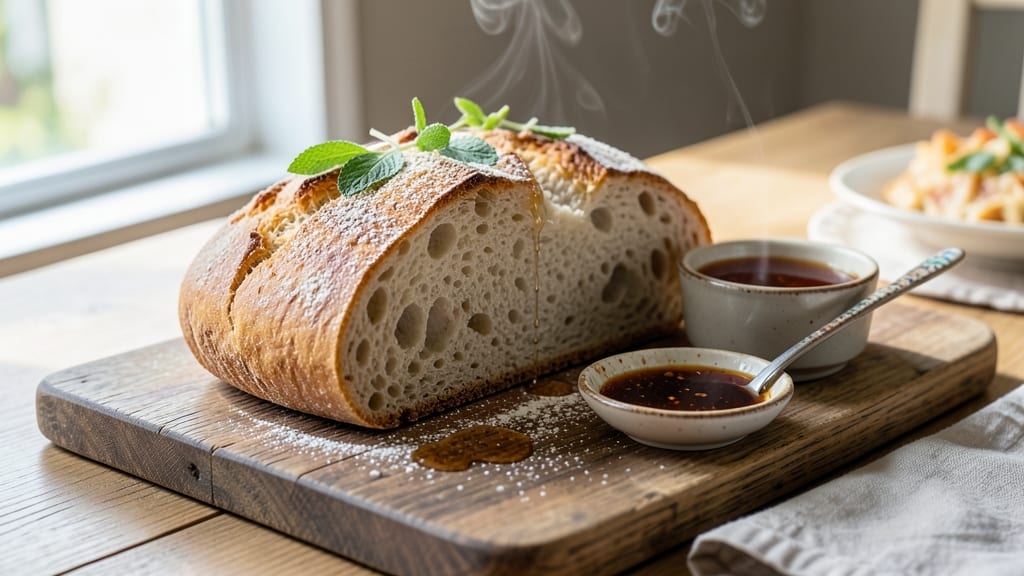
This Antigua bread recipe brings the warm, spiced flavors of the Caribbean to your kitchen with a crusty loaf infused with rum—a tradition that transforms simple ingredients into something extraordinary. 🌟 The secret lies in the fermentation process, where flour, yeast, and a touch of spiced rum work together to create a bread with a crisp exterior and tender, slightly sweet crumb.
This isn’t just bread; it’s a taste of Antigua’s culinary soul, perfect for soaking up stews or pairing with hearty soups.
The dough requires patience, but the reward is worth it—a loaf with a golden, crackling crust and a subtle rum aroma that lingers with every bite. Unlike many modern bread recipes, this one embraces tradition, using techniques passed down through generations.
The rum isn’t just for flavor; it adds depth and a hint of warmth that makes this bread unforgettable. Whether you’re baking for a family gathering or simply craving a taste of the Caribbean, this recipe delivers.
What sets this Antigua bread apart is its versatility—serve it warm with butter, alongside a rich curry, or even toasted for breakfast. The fermentation process ensures a light, airy texture, while the rum infusion adds a layer of complexity that elevates it beyond ordinary bread.
It’s a dish that bridges tradition and modern convenience, making it accessible yet deeply authentic.
Ready in about 2 hours (including fermentation time), this recipe is designed for home bakers who want restaurant-quality results without the fuss. The key is letting the dough rise slowly, allowing the flavors to develop fully. Once baked, the aroma alone will have everyone asking for seconds. Let’s get started!
Ingredients for antigua bread
Simple pantry staples meet Caribbean tradition in this rustic loaf—flour, yeast, and rum transform into a golden, aromatic bread.
| Ingredient | Amount | Notes |
|---|---|---|
| All-Purpose Flour 🌾 | 5 cups | High-protein for structure |
| Active Dry Yeast 🍞 | 2 ¼ tsp | Ensure it's fresh |
| Granulated Sugar 🍚 | 1 tbsp | Feeds yeast for rise |
| Salt 🧂 | 1 ½ tsp | Kosher or sea salt |
| Spiced Rum 🍹 | ½ cup | Dark or gold rum preferred |
| Warm Water 💧 | 1 ¼ cups | 110°F for yeast activation |
| Extra-Virgin Olive Oil 🫒 | 2 tbsp | For dough elasticity |
| Ground Cinnamon 🌿 | ½ tsp | For subtle warmth |
| Ground Nutmeg 🌿 | ¼ tsp | Freshly grated preferred |
| Allspice Berries 🌶️ | ½ tsp | Crushed for depth |
| Cornmeal 🌽 | ¼ cup | For dusting baking sheet |
| Large Egg 🥚 | 1 whole | For egg wash |
The flour is the foundation—King Arthur or Caputo bread flour gives that perfect crusty exterior and airy crumb. If you can't find either, all-purpose plus 1 tbsp vital wheat gluten works in a pinch. Yeast is non-negotiable here; Bob's Red Mill or Saf-Instant are reliable brands. Spiced rum adds soul—Havana Club or Captain Morgan are classic choices, but any dark rum with warm spices will do. The water needs to be 110°F to activate the yeast without killing it; use a thermometer if your kitchen isn't warm enough.
No spiced rum? Substitute with 1/4 cup warm water plus 1 tsp vanilla extract and 1/2 tsp cinnamon—it won't be identical, but it'll still taste amazing. Allspice berries can be swapped for 1/4 tsp ground allspice, though whole berries add a nice texture contrast. Short on cinnamon or nutmeg? Pumpkin pie spice at half the amount covers both. The egg wash is optional but gives that gorgeous golden sheen—aquafaba (chickpea brine) works perfectly as a vegan substitute. For the dough, if your kitchen is cold, place the mixing bowl in a warm oven (off) for 5 minutes to help the yeast wake up faster.
This dough needs time—at least 2 hours of rising at room temperature, then another 1 hour in the fridge for flavor development. Don't rush it! The bread keeps well for 3-4 days at room temperature wrapped in a clean kitchen towel, or 1 week in a bread bag in the fridge. For longer storage, slice and freeze—toast straight from frozen for a crispy result. The rum aroma intensifies as it sits, so if you're making it ahead, let it sit uncovered for 10 minutes after baking to release those warm spices fully.
Why You'll Love This Recipe
- Pantry-Friendly Magic: I swear by this recipe when my fridge is bare. Five ingredients—yeast, flour, sugar, salt, and that little splash of spiced rum—mean no last-minute grocery runs. The rum adds warmth without needing specialty items, and honestly? It’s the kind of bread that makes you feel like you’ve baked from scratch, even when you’re cutting corners.
- Warm Spice Hug: That spiced rum isn’t just for flavor—it’s the soul of this bread. The slow rise lets those cinnamon and clove notes seep into the dough, giving every slice a cozy, slightly boozy depth. It’s the kind of taste that lingers, making you want to pair it with everything—jam, butter, even just a cup of tea.
- Leftovers That Shine: This bread keeps for days, and honestly? It gets better. The crust stays crisp, the interior softens just enough, and those rum-infused layers develop even more richness. I freeze slices too—toss them in a bag, and they’re perfect for toast or French toast later. No sad, dried-out loaves here.
- Weeknight Win: No kneading, no fuss, no waiting hours. Mix, let it rise overnight (or even just 2 hours if you’re in a rush), and bake while you sleep. The yeast does all the work, and the result? A loaf that’s ready for breakfast, lunch, or dinner without stealing your whole evening. My lazy-Sunday-morning secret weapon.
Step-by-step instructions for spiced rum-infused crusty loaf
This Caribbean-inspired dough transforms simple ingredients into a fragrant, golden loaf with a crisp crust and tender crumb.
👨🍳 Step 1: Activate the Yeast with Warm Spiced Rum Mixture
In a small bowl, combine the 1.25 cups warm water (tested at 110°F with a thermometer), 1 tbsp granulated sugar, and 0.5 cup spiced rum. Stir until the sugar dissolves completely. The alcohol in the rum helps activate the yeast while adding depth of flavor to the final loaf.
Sprinkle the 2.25 tsp active dry yeast over the liquid and let it sit for 5-10 minutes until it becomes frothy and doubles in volume. You'll see small bubbles forming on the surface and the mixture will look foamy. If it doesn't activate within 10 minutes, your yeast may be expired—start over with fresh yeast.
👨🍳 Step 2: Mix the Dough with Wet and Dry Ingredients
In a large mixing bowl, combine the 5 cups all-purpose flour, 1.5 tsp salt, 0.5 tsp ground cinnamon, 0.25 tsp ground nutmeg, and 0.5 tsp crushed allspice berries. Whisk these dry ingredients together to distribute the spices evenly throughout the flour.
Make a well in the center and pour in the yeast mixture along with the 2 tbsp extra-virgin olive oil. Using a wooden spoon or dough whisk, gradually incorporate the liquids into the dry ingredients until a shaggy dough forms. The olive oil adds elasticity to the dough, preventing it from becoming too dense.
🥘 Step 3: Knead Until Smooth and Elastic
Turn the dough onto a lightly floured surface and knead for 8-10 minutes by hand, or use a stand mixer with a dough hook attachment for 5-6 minutes on medium speed. You're looking for a dough that's smooth, elastic, and springs back slowly when poked.
During kneading, the gluten develops, giving the bread its characteristic structure. If the dough feels too sticky, add 1-2 tablespoons of flour at a time, but don't overdo it—the extra flour can make the crust too hard. The dough should be slightly tacky but not wet when you're done kneading.
⏰ Step 4: First Rise and Shape the Loaf
Lightly oil a large bowl, place the dough inside, and cover it with a damp kitchen towel. Let it rise in a warm place for 1-1.5 hours or until it has doubled in size. The warm environment helps the yeast work efficiently, and the damp towel prevents the dough from drying out.
Once doubled, punch down the dough to release any air bubbles, then shape it into a 9x5-inch loaf pan. The rum-infused dough will be slightly sticky, so wet your hands with water to prevent sticking. Tap the pan gently on the counter to help the dough settle evenly into the corners.
🔥 Step 5: Second Rise and Bake to Golden Perfection
Cover the loaf pan with the damp towel again and let it rise for another 30-45 minutes until it's just slightly puffed above the rim. This second rise ensures a light, airy texture. Preheat your oven to 375°F while the dough rises.
When ready to bake, whisk the 1 whole large egg in a small bowl, then brush it evenly over the top of the dough. Sprinkle the 0.25 cup cornmeal over the egg wash for added texture and a golden crust. Bake for 35-40 minutes until the loaf is golden brown and sounds hollow when tapped on the bottom.
🍽️ Step 6: Cool and Serve for Maximum Flavor
Remove the loaf from the oven and let it cool in the pan for 10 minutes, then transfer it to a wire rack to cool completely. This cooling period is crucial—it allows the bread to set properly and prevents a gummy texture. The rum-infused bread will continue to develop its rich, spiced aroma as it cools.
Slice the loaf while still slightly warm for the best texture. Serve with butter or jam, or use it to make delicious French toast. The combination of warm spices and rum creates a unique flavor profile that makes this bread perfect for breakfast or as a side dish with soups and stews.
Pro Tips For Making Antigua Bread
- Use Warm Water for Yeast: I learned this the hard way—yeast in cold water just sits there. Mix the yeast with warm water (about 110°F/43°C) and a pinch of sugar first, then let it bubble for 5-10 minutes before adding to the flour. That rum in the dough needs active yeast to work its magic.
- Dissolve Sugar in Rum First: Skip the clumpy mess by mixing the granulated sugar with the spiced rum before adding it to the dough. This ensures even distribution and lets the rum’s flavors infuse properly. (Yes, even if you’re tempted to just splash it in.)
- Don’t Over-Knead the Dough: Antigua bread isn’t dense—it’s light and airy. Knead just until the dough comes together smoothly (about 5-7 minutes by hand). Overworking it makes the bread tough, and this recipe relies on the rum and sugar to keep it tender.
- Let the Dough Rise Twice: The first rise is obvious, but the second one—after shaping—is non-negotiable. Let the shaped loaves rise for another 30-45 minutes before baking. This step guarantees a proper crumb and that signature spiced-rum aroma. (Your future self will thank you.)
Common mistakes when making perfect results
Over-Kneading the Dough
I’ve seen beginners knead this Antigua bread dough for 15+ minutes, thinking more work equals better results. But over-kneading develops too much gluten, making the bread dense and tough.
Aim for 8-10 minutes by hand or 5-6 minutes in a mixer—just until the dough springs back slowly when poked. The rum-infused dough is stickier than usual, so resist the urge to add extra flour mid-knead unless absolutely necessary. 💫
Skipping the Rum Infusion
Some home bakers worry about alcohol content or substitute it entirely, but the rum is what gives this bread its signature depth. If you’re concerned about the alcohol, let the dough rise uncovered for 10 minutes after mixing—this allows most of the alcohol to evaporate while retaining the flavor.
Never skip it entirely; the spices in the rum (like cinnamon and nutmeg) are essential for that warm, aromatic profile. 🌶️
Ignoring the Second Rise
Rushing the second rise is a common mistake that results in a dense, flat loaf. The dough needs that final 30-45 minutes to develop its airy texture and rise slightly above the pan.
If your kitchen is cold, place the covered pan near a warm spot (like the top of the oven with the light on) to help it puff up properly. Skipping this step is like skipping the proofing in sourdough—it’s non-negotiable for the best texture. ⏰
Overbaking for a Darker Crust
I’ve pulled out loaves that were overbaked by 5-10 minutes just to get a darker crust, but this burns the interior and dries out the crumb. The bread is done when it’s a deep golden brown (35-40 minutes at 375°F) and sounds hollow when tapped on the bottom.
If it’s not brown enough, broil for 1-2 minutes at the end—just watch it closely to avoid burning. 🔥
Using Cold Ingredients
Cold water or ingredients straight from the fridge can shock the yeast, slowing down or even killing it. Always use warm water (110°F) for the yeast mixture and let other ingredients (like eggs or butter) sit at room temperature before mixing.
If your kitchen is chilly, place the mixing bowl in a warm oven (off) for 5 minutes to create a cozy environment for the yeast to activate. ❄️
Not Letting It Cool Properly
Slicing the bread too soon is a cardinal sin—it releases steam and makes the crumb gummy. Let the loaf cool in the pan for 10 minutes first, then transfer to a wire rack for complete cooling (at least 30 minutes).
The rum-infused flavors actually deepen as it cools, so patience pays off. Trust me, that first warm slice is worth the wait! 💡
Nutrition facts
Frequently asked questions
Can I make this Antigua bread without spiced rum?
The rum adds depth and warmth, but you can substitute 1/4 cup warm water plus 1 tsp vanilla extract and 1/2 tsp cinnamon for a similar effect. For best results, let the dough rise uncovered for 10 minutes after mixing to allow alcohol to evaporate. The spices in rum (cinnamon, nutmeg) are key for that Caribbean flavor profile.
How long does Antigua bread keep fresh?
Wrap the cooled loaf in a clean kitchen towel and store at room temperature for 3-4 days. For longer storage, slice and freeze—toast straight from frozen for a crispy result. The rum-infused flavors actually intensify slightly as it sits, making it taste even better the next day!
Why did my bread turn out dense instead of light?
Dense bread usually means the dough didn't rise enough. Check these common issues:
- Cold ingredients (use 110°F water for yeast),
- Skipping the second rise (30-45 minutes is crucial), or
- Over-kneading (8-10 minutes max). The rum-infused dough needs patience—don't rush the fermentation process!
What's the best way to reheat Antigua bread?
For a crispy crust, wrap slices in foil and warm in a 350°F oven for 5-7 minutes. For toast, use a dry pan over medium heat for 2-3 minutes per side. The rum-infused bread reheats beautifully—perfect for breakfast with butter or jam. Avoid the microwave as it makes the crust soggy.
Can I use whole wheat flour instead of all-purpose?
You can substitute up to 25% whole wheat flour (about 1.25 cups), but expect a denser texture. The rum and spices will still shine through! For best results, add 1 extra tablespoon of olive oil to maintain elasticity. The bread will have a nuttier flavor but slightly less airy crumb.