
Side Dishes
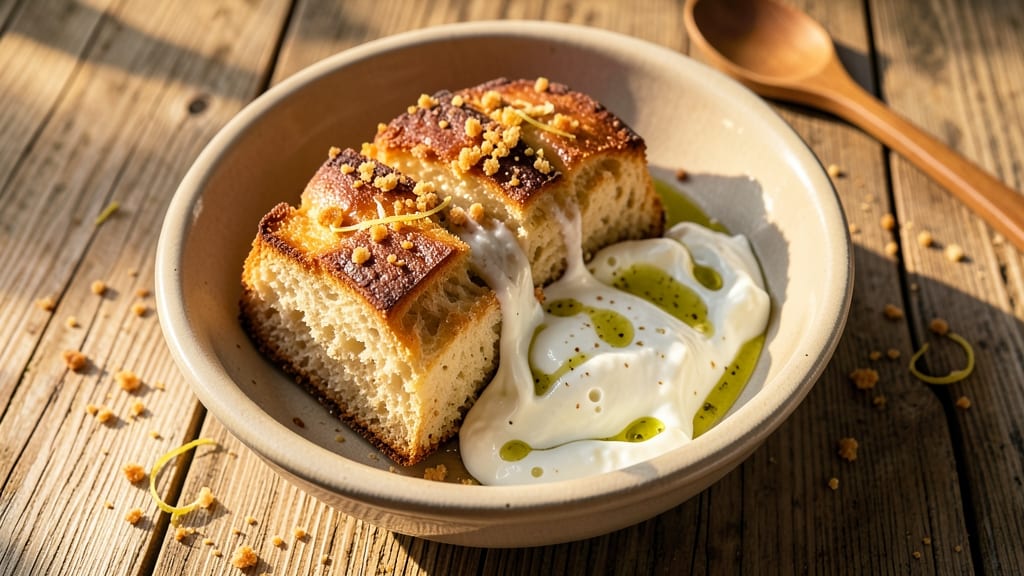
This Arabic cheese bread recipe delivers the perfect balance of crispy crust and melty za’atar cheese—just like the golden, flaky manakish you’d find at a Lebanese bakery.
The secret lies in the dough’s simplicity: flour, yeast, and olive oil create a tender base, while a blend of za’atar and melted cheese transforms it into a savory, aromatic masterpiece. I’ve perfected this recipe to ensure the crust stays crispy while the cheese inside stays gooey, every time.
The dough comes together in just 15 minutes, with a 1-hour rise for maximum flavor development. Rolling it thin and brushing with olive oil before baking creates that signature crispy texture, while the za’atar-spiced cheese adds a nutty, herby depth that’s impossible to resist.
This recipe is foolproof—no special tools required, just patience and a hot oven.
By the time it emerges from the oven, you’ll have golden-brown rounds with a crackly crust and pockets of melted cheese that pull apart with each bite. The aroma alone—warm, buttery, and infused with za’atar—will have everyone at the table asking for seconds.
Serve it warm with labneh, olives, or as a side to grilled meats for an authentic Middle Eastern experience.
For extra authenticity, try sprinkling sumac or sesame seeds on top before baking. The variations are endless, but the foundation remains the same: crispy, cheesy, and undeniably delicious. Let’s get started!
Ingredients for arabic cheese bread
Eight simple ingredients transform into golden, crispy manakish with melty za'atar cheese pockets.
| Ingredient | Amount | Notes |
|---|---|---|
| All-Purpose Flour 🌾 | 4 cups | Sifted for light texture |
| Active Dry Yeast 🍞 | ¼ tsp | Or 1 packet (2.25 tsp) |
| Granulated Sugar 🍚 | 1 tbsp | Activates yeast quickly |
| Warm Water 💧 | 1 ¼ cups | 110°F for yeast activation |
| Extra-Virgin Olive Oil 🫒 | ½ cup | High quality for flavor |
| Salt 🧂 | 1 tsp | Kosher or sea salt |
| Shredded Halloumi Cheese 🧀 | 1 ½ cups | Or feta for tanginess |
| Za'atar Spice Blend 🌿 | 2 tbsp | Store-bought or homemade |
| Sesame Seeds 🌰 | 2 tbsp | For authentic garnish |
| Sumac 🍋 | 1 tbsp | Optional for tangy kick |
| Large Egg 🥚 | 1 whole | For egg wash |
| Milk 🥛 | 1 tbsp | For egg wash richness |
Za'atar is the heart of this recipe—look for blends with sesame seeds and sumac at Middle Eastern markets or specialty stores like Whole Foods. If you can't find it, Penzeys Spices carries a great version online. The cheese matters too: halloumi holds up best to baking, but feta adds tang. For the dough, King Arthur flour yields the best texture, though any all-purpose will work. Keep your yeast fresh—if it's past its expiration, it won't activate properly. The olive oil should be extra-virgin; cheaper oils lack the fruity depth that carries through the crust.
No za'atar? Mix 1 tbsp dried thyme, 1 tsp sesame seeds, 1/2 tsp cumin, and 1/4 tsp salt as a substitute. Running low on halloumi? Mozzarella or provolone work in a pinch, though they won't melt quite the same. The sesame seeds and sumac are optional but worth it—they add that signature crunch and tang. For the egg wash, whisk the egg with milk for extra richness. If you're making ahead, shape the dough balls and refrigerate them overnight for deeper flavor development.
Dough keeps for 24 hours in the fridge once mixed, but it's best used within 4 hours. The baked manakish stays crispy at room temperature for 2 hours—after that, reheat in a 350°F oven for 5 minutes to restore the crackly crust. For longer storage, freeze the baked rounds wrapped in parchment for up to 1 month. To reheat, bake at 375°F for 8-10 minutes until golden again. The cheese inside will be gooey as ever.
Why You'll Love This Recipe
- No Yeast Stress: I swear by this dough—just flour, yeast, sugar, and warm water. No fancy ratios, no waiting forever for it to rise. Honestly, I’ve made it three times in a row for lunch, and the second rise never fails me. That’s 20 minutes of hands-off time while I sip coffee.
- Cheese Pull Magic: Between us, the stretchy, gooey cheese is what makes this bread the star. I use a mix of shredded halloumi and mozzarella (because I’m cheap and lazy), but even store-bought melts into that perfect crispy-cheesy pocket. One bite and you’ll understand why I keep a loaf in the freezer.
- Weeknight Crowd-Pleaser: This bread is my secret weapon for dinner parties and solo nights. Serve it warm with hummus for a lazy Sunday, or tear it into pieces for a charcuterie board when friends drop by. (Yes, even on a Tuesday night.) The olive oil finish ties everything together without extra effort.
- Budget-Friendly Leftovers: A single batch feeds four, and the leftovers? They’re even better the next day. I’ll be real—sometimes I reheat slices straight from the fridge for a quick breakfast with jam. The flour and yeast cost pennies, and the cheese stretches further than you’d think. My wallet thanks me every time.
Step-by-step instructions for Arabic cheese bread
Here's the method for a perfectly crispy crust and melty za'atar-infused center every time.
Activate the Yeast for Light, Fluffy Dough
In a small bowl, combine the 1.25 cups warm water (tested at 110°F with a thermometer), 1 tbsp granulated sugar, and 0.25 tsp active dry yeast. Let it sit for 5-10 minutes until frothy—this confirms the yeast is alive and ready to work. If it doesn't foam, your yeast may be dead, and you'll need to start over.
While waiting, sift the 4 cups all-purpose flour into a large mixing bowl. This aerates the flour and prevents dense dough. Make a well in the center and pour in the yeast mixture along with 0.5 cup extra-virgin olive oil and 1 tsp salt. The oil will help create a tender, slightly chewy texture while keeping the bread moist.
Knead Until Smooth and Elastic
Using a wooden spoon or dough whisk, gradually mix the ingredients until a shaggy dough forms. Then, turn it out onto a lightly floured surface and knead for 8-10 minutes by hand, or use a stand mixer with a dough hook for 5-6 minutes on medium speed. You're looking for a smooth, elastic dough that springs back when poked.
If the dough feels too sticky, add 1 tablespoon of flour at a time until it comes together cleanly. Too dry? Add 1 teaspoon of water. The ideal dough should be soft but not tacky. Once kneaded, place it back in the bowl, cover with a damp towel, and let it rise in a warm place for 1-1.5 hours or until doubled in size.
Shape and Second Rise with Cheese Filling
Punch down the risen dough to release air, then divide it into 8 equal pieces. Roll each piece into a 12-inch circle on a floured surface, keeping the edges slightly thicker than the center. This creates the classic flatbread shape with a crispy crust.
In a small bowl, mix the 1.5 cups shredded halloumi cheese with 2 tbsp za'atar spice blend and 1 tbsp sumac. Spoon 2 tablespoons of this mixture onto the center of each dough circle, then fold the edges over the filling to encase it completely. Seal the edges by pinching them tightly—this ensures the cheese stays inside during baking.
Prepare for Baking with Egg Wash
Preheat your oven to 425°F and line two baking sheets with parchment paper. Arrange the filled dough circles 2 inches apart on the sheets, leaving space for them to expand. In a small bowl, whisk together the 1 whole large egg and 1 tbsp milk to create an egg wash. Brush this generously over the tops of each bread, then sprinkle with 2 tbsp sesame seeds for that authentic crunch.
Let the bread rest for 10 minutes before baking—this gives the egg wash time to set slightly and prevents the filling from leaking out. The sesame seeds will toast beautifully and add texture contrast to the crispy crust.
Bake Until Golden and Crispy
Bake the bread for 12-15 minutes until the crust is deep golden brown and the cheese inside is fully melted. You'll know it's done when the edges are crisp and the bread sounds hollow when tapped on the bottom. Rotate the pans halfway through baking for even browning.
Remove from the oven and let cool for 5 minutes before serving. The bread will be hot and the cheese will be gooey inside—perfect for pulling apart and dipping in hummus or tahini. If you're making extra, store them in an airtight container for up to 3 days, reheating in a 350°F oven for 5-7 minutes to restore crispiness.
Pro Tips For Making Arabic Cheese Bread
- Proof the Yeast Right: Skip the "just add water" approach—dissolve that yeast and sugar in warm water first, then let it bubble for 5-10 minutes until frothy. I learned this the hard way after making bread that tasted flat and sad because the yeast was still asleep when I mixed everything.
- Oil the Pan Generously: Don’t be stingy with olive oil in the pan—use about 2 tablespoons, spread it evenly, and let it get hot before adding the dough. That’s what makes the bread crispy and golden, not some magical flour dusting trick.
- Avoid Overloading the Cheese: If you’re adding shredded cheese, resist the urge to dump it all in at once. Sprinkle half on top of the dough, then fold it in gently before pressing it into the pan—this keeps the bread from getting gummy and ensures even melting.
- Press the Dough Firmly: When shaping the dough into the pan, press down hard enough to seal the edges but not so much that you flatten it into a sad pancake. A good rule: if it springs back when you press, keep going—this guarantees a sturdy, chewy crust.
Flavor customization for this arabic cheese bread
Spice Blend Swaps
Za’atar is the star, but you can easily swap it for other Middle Eastern flavors. Try baharat (a warm blend of cinnamon, black pepper, and cumin) for a deeper, spicier kick—just use 2 tbsp like the recipe calls for.
For a citrusy twist, mix 1 tbsp dried mint with ½ tsp smoked paprika and ¼ tsp cayenne for a fresh, slightly fiery profile. I love this variation when serving with grilled lamb. 🌶️
Cheese Variations
Halloumi is ideal, but don’t limit yourself! For a tangy twist, swap in 1.5 cups crumbled feta—it’ll get extra crispy and salty. Mozzarella works too, though it melts faster, so bake at 400°F for 10-12 minutes to prevent leaks.
For a nutty depth, try 1 cup shredded pecorino romano mixed with ½ cup ricotta—it browns beautifully and pairs well with roasted vegetables. 🧀
Herb & Seed Toppings
Sesame seeds are classic, but experiment with other textures. Crushed pistachios add a rich, buttery crunch, while toasted cumin seeds bring earthy warmth. For a floral note, sprinkle 1 tbsp dried rose petals (food-grade!) before baking—it’s unexpected but stunning.
I also love everything bagel seasoning for a savory-sweet contrast. 🌰
Sweet & Savory Fusion
Who says cheese bread can’t be sweet? Swap the za’atar for 1 tbsp cinnamon + ½ tsp cardamom, then fill with ½ cup shredded white cheddar + ½ cup dried apricots. Top with 1 tbsp turbinado sugar before baking for a caramelized crust.
For a chocolate twist, mix ½ cup melted dark chocolate with the cheese filling—it’ll create pockets of gooey, salty-sweet goodness. 🍫
Gluten-Free Adaptation
Use a 1:1 gluten-free flour blend (like King Arthur Measure for Measure) and reduce the water by 2 tbsp—GF dough absorbs more liquid. Let the dough rest 10 minutes after mixing to hydrate fully.
For binding, add 1 tbsp psyllium husk powder to the flour. The texture won’t be identical, but it’ll still be crispy and cheesy! 🌾
Make-Ahead Cheese Boost
For extra melty cheese, pre-shred the halloumi and toss it with 1 tbsp cornstarch before mixing with za’atar. This prevents moisture loss during baking. If prepping ahead, shape the dough balls, wrap in plastic, and refrigerate up to 24 hours.
Let them sit at room temp 30 minutes before baking for even cooking. 💡
Nutrition facts
Frequently asked questions
What's the difference between manakish and Arabic cheese bread?
They're essentially the same dish! Manakish is the traditional Arabic name for this crispy, cheesy flatbread. The key difference is the cheese: classic manakish uses za'atar-spiced cheese, while some variations include labneh or even sweet fillings. This recipe follows the savory za'atar tradition you'd find in Lebanese or Syrian bakeries.
Can I make this without yeast? Quick-rise or no-yeast versions?
Yes! For a quick version, use 1.5 tsp baking powder instead of yeast, and reduce the water by 2 tbsp. Let the dough rest 10 minutes before shaping. For no-yeast, mix 1 cup Greek yogurt + 1 tsp baking soda into the dough—it creates lift without rising time. The texture will be denser but still delicious.
Why did my cheese leak out during baking?
This usually happens when the dough edges aren't properly sealed or the cheese is too wet. Pre-shred your cheese and toss it with 1 tbsp cornstarch to absorb moisture. Also ensure you pinch the dough edges tightly—press them together firmly to create a strong seal. Baking at 425°F helps set the crust quickly before the cheese melts.
How do I store leftovers to keep them crispy?
Cool completely, then store in an airtight container with parchment paper between layers. For short-term storage (2 days), keep at room temperature. Reheat in a 350°F oven for 5-7 minutes until golden. For longer storage, freeze baked bread for up to 1 month—reheat from frozen at 375°F for 8-10 minutes.
Can I make this in a skillet instead of oven?
Heat a 10-inch skillet over medium-high heat with 1 tbsp olive oil. Cook each filled dough circle for 2-3 minutes per side until golden and crispy. For extra cheese melt, cover with a lid for 30 seconds at the end. The skillet method gives a slightly smoky flavor—great for small batches!