
Side Dishes
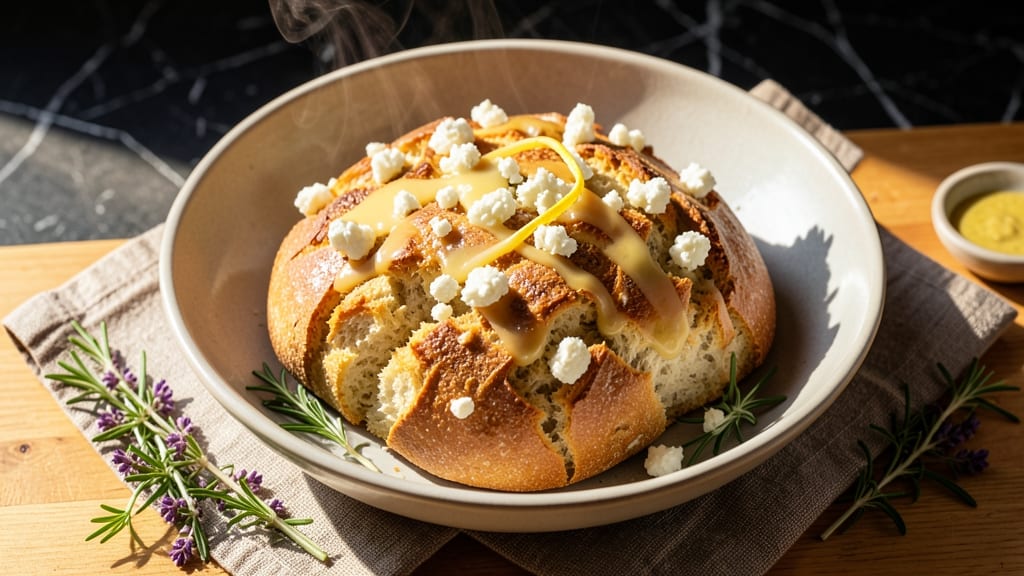
Aubree's Feta Bread Recipe transforms simple ingredients into a golden, cheesy loaf with irresistible feta threads that pull apart at every bite. The secret lies in blending tender dough with crumbly feta, creating a texture that's crisp on the outside and soft on the inside—perfect for soaking up soups or pairing with salads. This recipe delivers restaurant-quality results with just a few key techniques and minimal effort.
The magic happens when you incorporate feta into the dough before shaping, ensuring those signature cheese threads run through every slice. Unlike traditional bread recipes, this version gets its signature flavor from the salty, tangy feta, which melts slightly during baking for a rich, briny depth.
The crust develops a beautiful golden-brown color while staying crisp, thanks to a simple egg wash and high-heat baking method.
By the time your oven timer goes off, you'll have a loaf that's impossible to resist—each slice offering a perfect balance of chewy dough and pull-apart feta.
The aroma alone will have everyone gathering around the table, and the first bite delivers that satisfying contrast of crispy crust and tender, cheesy interior. This bread is versatile enough for any meal but special enough to feel like a treat.
Whether you're serving it warm with dinner or saving slices for sandwiches, this recipe guarantees a showstopper that's as impressive as it is delicious. The process is straightforward, but the results are anything but ordinary—proof that even simple bread can become extraordinary with the right technique. Let's get started!
Ingredients for aubree's feta bread
Nine simple ingredients transform into a showstopping loaf with golden crust and pull-apart feta threads.
| Ingredient | Amount | Notes |
|---|---|---|
| All-Purpose Flour 🌾 | 4 cups | Sifted for even texture |
| Active Dry Yeast 🍞 | ¼ oz | 1 packet or 2 1/4 tsp |
| Granulated Sugar 🍚 | ½ tbsp | Feeds yeast for activation |
| Warm Water 💧 | 1 cup | 110°F for yeast activation |
| Unsalted Butter 🧈 | ½ cup | Softened, room temperature |
| Crumbled Feta Cheese 🧀 | 1 cup | High-quality, crumbled by hand |
| Large Egg 🥚 | 1 whole | For egg wash |
| Diamond Crystal Kosher Salt 🧂 | 1 ½ tsp | Adjust to taste |
| Extra-Virgin Olive Oil 🫒 | ¼ cup | For dough enrichment |
| Cornmeal 🌽 | ¼ cup | For dusting baking sheet |
The feta is everything here—look for blocks, not pre-crumbled (it melts better). Whole Foods or Trader Joe's carry the best quality, but any salty, tangy feta works. The butter should be soft but not melted—room temperature is key. For the yeast, check the expiration date—old yeast won't activate properly. If your kitchen is cold, warm the water to 110°F (like baby bath temperature) to ensure quick activation. The flour matters too—King Arthur or Gold Medal brands give the best rise.
No feta? Substitute with a mix of goat cheese and Parmesan—goat adds tang, Parm adds melt. Running short on butter? Olive oil works in a pinch, but the texture will be slightly denser. The egg wash can be skipped if you prefer a less golden crust, but trust me on this—it's worth the extra minute. For a gluten-free version, swap the flour for a 1:1 gluten-free blend (like Bob's Red Mill), but expect a slightly denser crumb. The cornmeal is optional but helps create that perfect crispy bottom crust.
This bread keeps well for 2-3 days at room temperature wrapped in a clean kitchen towel. For longer storage, freeze slices individually—they reheat beautifully in a toaster or oven. The feta threads get even more pronounced after a day or two, so make it ahead if you can. If you're prepping for a crowd, double the recipe—just use two 9x5-inch loaf pans for even baking. Leftovers? Toast them and use for crostini or sandwiches—they're even better the next day.
Why You'll Love This Recipe
- No Yeast Fuss: I swear by this—just flour, water, and a pinch of sugar. No waiting for yeast to activate, no second rise to mess up. The dough comes together faster than my coffee brews, and honestly? That’s saying something.
- Salty-Sweet Magic: That feta crumbles right into the dough, creating pockets of tangy, buttery goodness. Every bite has this perfect contrast—soft, pillowy bread with sharp, briny bursts. (Yes, even on a Tuesday night.)
- Pantry Staple Power: Between us, you’re already buying these ingredients. Flour, butter, sugar—this recipe turns them into something special without extra shopping. My grocery budget stays happy, and my kitchen stays simple.
- Make-Ahead Gold: Bake a batch on Sunday, and you’ve got breakfast, snacks, or a quick lunch all week. The bread keeps well at room temp, and toasted slices? Absolute game. (My kids still ask for seconds, even after I’ve warned them.)
Step-by-step instructions for aubree's feta bread
This method delivers a perfectly balanced loaf with crispy crust and tender crumb infused with salty feta threads.
Activate the Yeast and Create the Dough Base
In a large bowl, combine the 1 cup warm water (tested at 110°F with your finger—it should feel warm but not hot) with the 0.5 tbsp granulated sugar and 0.25 oz active dry yeast. Let this sit for 5-10 minutes until the mixture becomes frothy and bubbly. This confirms your yeast is active and ready to work.
Once bubbly, add the 4 cups all-purpose flour and 1.5 tsp diamond crystal kosher salt. Using a wooden spoon or dough whisk, stir until a shaggy dough forms. The flour will initially resist, but keep mixing—this prevents gluten development too early. When the dough pulls away from the sides of the bowl, you're ready for the next step.
Incorporate Wet Ingredients and Knead
Add the 0.5 cup softened unsalted butter, 0.25 cup extra-virgin olive oil, and 1 whole large egg to the flour mixture. Using your hands, gently work these ingredients into the dough until fully incorporated. The butter should be soft enough to press into the dough without resistance.
Transfer the dough to a lightly floured surface and knead for 8-10 minutes until smooth and elastic. You'll know it's ready when it springs back slowly when poked. If the dough feels too sticky, add flour 1 tablespoon at a time; if too dry, add 1 teaspoon water. The goal is a dough that's pliable but not tacky.
Fold in Feta and First Rise
Divide the dough into two equal portions. On a floured surface, gently flatten each portion into a rectangle about ½-inch thick. Sprinkle ½ cup crumbled feta cheese evenly over each rectangle, then roll them up tightly like jelly rolls. Seal the seams to prevent cheese from leaking out during rising.
Place the sealed dough logs seam-side down in a lightly greased bowl. Cover with a damp towel and let rise in a warm place for 1-1.5 hours or until doubled in size. You'll see the dough puff up noticeably and feel light when pressed gently with one finger. This first rise develops flavor and structure—don't rush it.
Shape and Second Rise
Punch down the risen dough logs to release air, then shape each into a 10-inch round loaf on a parchment-lined baking sheet. Cover loosely with plastic wrap and let rise for another 30-45 minutes until puffy. The edges should pull away slightly from the sides of the pan, indicating it's ready for baking.
Preheat your oven to 375°F while the dough rises. Just before baking, brush the tops with a beaten egg wash (the 1 whole large egg you reserved earlier, beaten with 1 teaspoon water). This creates a golden crust while keeping the interior tender. Sprinkle with remaining ½ cup crumbled feta cheese for extra flavor bursts.
Bake to Golden Perfection
Bake for 25-30 minutes until the crust is deep golden brown and sounds hollow when tapped on the bottom. The internal temperature should reach 190-195°F when tested with an instant-read thermometer. If the top browns too quickly, tent with foil after 15 minutes to prevent over-browning.
Remove from the oven and let cool on a wire rack for 10 minutes before slicing. The bread will be warm inside but firm enough to handle. For best results, serve at room temperature the next day—this allows the flavors to meld completely and the crumb to soften slightly, making each bite of feta-infused dough even more satisfying.
Pro Tips For Making Aubree'S Feta Bread
- Use Room-Temp Butter: The feta chunks in this bread need to melt into that creamy, salty goodness—not sit in cold lumps. Let your unsalted butter sit out for 30-45 minutes before mixing, or even better, microwave it for 10 seconds to soften just enough to fold in smoothly. Trust me, your bread’s texture will thank you.
- Dissolve Yeast in Warm Water: I learned this the hard way—yeast and sugar clumping like glue when you toss them dry into flour. Instead, mix the yeast with the warm water first, let it sit for 5 minutes until frothy, then add the sugar. This guarantees your dough rises faster and more evenly, especially if your kitchen’s cooler than a fridge.
- Don’t Over-Knead the Dough: This isn’t a baguette—you’re not chasing gluten city. Once the dough pulls away from the bowl and springs back when poked (about 5-7 minutes by hand), stop. Overworking it makes the bread dense and chewy, and you’ll end up with a sad, flat loaf. Less effort here means more airy pockets for that feta to shine.
- Press Feta into the Top: Skip the random sprinkle—press the feta chunks firmly into the dough’s surface before baking. This keeps them from floating away or burning while the bread browns. Use your fingers to dimple the dough slightly first, so the feta sinks in and melts into the crust. Your future self will cut into a golden, feta-studded loaf instead of a sad, topple-prone one.
Wine and beer pairings for aubree's feta bread
Crisp White Wine
Pair your Aubree's Feta Bread with a dry Assyrtiko from Greece—its bright citrus and mineral notes cut through the feta's saltiness beautifully. I love Gaia Assyrtiko ($18) from Santorini, which balances the bread's tangy richness with crisp acidity. Serve slightly chilled to refresh your palate between bites. 🍷
Light Red Option
A Pinot Noir from Oregon or New Zealand works surprisingly well, especially if you prefer red wine. Look for La Crema Sonoma Coast Pinot Noir ($35) with its red fruit and earthy undertones that complement the feta's brininess. Avoid heavy Cabernets—they'll overpower the delicate dough. 🍇
Beer Pairings
A Greek lager like Fix ($4) or Mytilineos ($5) mirrors the bread's Mediterranean roots while cleansing your palate. For craft beer lovers, try a Belgian witbier such as Stella Artois Wit—its coriander and citrus notes enhance the feta's tang. Avoid heavy IPAs or stouts. 🍺
Non-Alcoholic Choices
Sparkling water with a squeeze of lemon mimics wine's acidity and keeps the meal refreshing. For something more substantial, try San Pellegrino Aranciata—its blood orange flavor bridges the bread's savory and sweet notes. I keep a bottle chilled in my fridge for quick pairings. 💧
After-Dinner Digestif
Finish with a Greek ouzo like Metaxa ($20) or Tsipouro ($15) to echo the feta's salty profile. Serve over ice with a splash of water to mellow the anise flavor. The herbal notes contrast perfectly with the bread's richness. 🥃
Nutrition facts
Frequently asked questions
Why does the dough need two rises?
The first rise activates the yeast and develops flavor, while the second creates the final shape. Skipping either can make the bread dense or misshapen. The first rise should double the dough in 1-1.5 hours—if it doesn't, your yeast may be old or your kitchen too cold. Try a warmer spot next time!
Can I make this bread without a stand mixer?
This recipe is designed for hand-kneading. Just work the dough on a floured surface for 8-10 minutes until smooth and elastic. The key is consistent pressure—press and fold from the center outward. Your arms will thank you for the workout!
What if my feta melts too much during baking?
Use cold feta straight from the fridge and crumble it by hand (not pre-shredded) for better texture. Also, bake at 375°F—higher temps cause faster melting. If it still pools, try rolling the dough logs more tightly to contain the cheese. The result should be pull-apart threads, not a gooey center!
How do I store leftovers to keep them fresh?
Wrap cooled slices in a clean kitchen towel and store in an airtight container for 2-3 days. For longer storage, freeze slices individually—they reheat beautifully in a toaster or oven. The feta actually tastes better after 24 hours as flavors meld!
Can I add other cheeses to this recipe?
Yes! Swap ½ cup feta for ½ cup goat cheese (for tang) or ½ cup Parmesan (for umami). For extra richness, add ¼ cup cream cheese to the dough. Just reduce the total cheese to 1 cup to maintain proper texture. The feta's signature crumbly threads will still shine through!