
Side Dishes
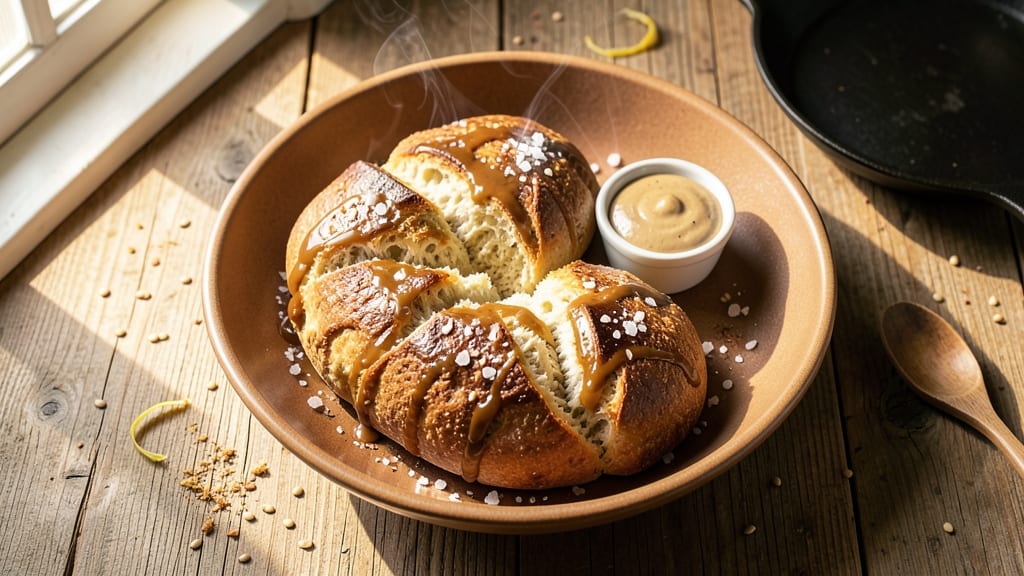
Armenian tahini bread transforms simple ingredients into a nutty, aromatic masterpiece with a crispy crust and tender crumb—perfect for wrapping around kebabs or serving alongside soups. This recipe captures the essence of Armenian cuisine, where tahini isn’t just an ingredient but the soul of the bread, adding depth and richness with every bite. The dough’s elasticity and the tahini’s nutty flavor create a texture that’s both chewy and delicate, a balance that’s surprisingly easy to achieve at home.
The secret lies in the dough’s hydration and the tahini’s slow incorporation, which prevents the bread from becoming too dense. Unlike traditional flatbreads, this version relies on a touch of yeast for a slightly raised, pillowy interior while maintaining that signature crispness.
Baking on a hot stone or cast-iron skillet mimics the traditional lavash method, ensuring a golden, blistered crust that’s irresistible. Whether you’re serving it at a family gathering or meal-prepping for the week, this bread’s versatility makes it a staple.
What sets this recipe apart is the tahini’s role—not just as a binder but as the star, infusing the dough with a subtle nuttiness that pairs beautifully with herbs, garlic, or even a sprinkle of sesame seeds.
The result is a bread that’s as satisfying to make as it is to eat, with a texture that’s crisp on the outside and soft on the inside. Once you try it, you’ll understand why Armenian households keep this recipe close for generations.
For those new to tahini bread, start with a small batch to perfect the dough’s consistency. The key is patience—letting the dough rest allows the gluten to relax and the tahini to fully integrate, ensuring a bread that’s light yet sturdy.
Serve warm with olive oil, a sprinkle of flaky salt, or stuffed with your favorite fillings. This isn’t just bread; it’s a taste of Armenia’s culinary tradition, brought to life in your kitchen.
Ingredients for armenian tahini bread
Eight simple ingredients create Armenian tahini bread's signature nutty crunch and pillowy heart.
| Ingredient | Amount | Notes |
|---|---|---|
| All-Purpose Flour 🌾 | 3 ½ cups | Unbleached preferred for best texture |
| Tahini (Sesame Paste) 🥜 | ½ cup | 100% sesame, no additives |
| Active Dry Yeast 🍞 | ¼ tsp | Ensure it's fresh (test in warm water) |
| Granulated Sugar 🍚 | 1 tbsp | Feeds yeast for rise |
| Salt 🧂 | 1 ½ tsp | Fine sea salt preferred |
| Warm Water 💧 | 1 ¼ cups | 110°F for yeast activation |
| Olive Oil 🫒 | ¼ cup | Extra-virgin for flavor |
| Sesame Seeds 🌻 | ½ cup | Toasted for extra crunch |
| Garlic Powder 🧄 | 1 tsp | Freshly ground preferred |
| Dried Parsley 🌿 | 1 tsp | Or 1 tbsp fresh chopped |
| Flaky Sea Salt 🧂 | 1 tsp | For final sprinkle |
Tahini is the star here—look for 100% sesame paste with no additives at Middle Eastern markets or well-stocked grocery stores. Penzeys carries a great brand if you're local. The sesame seeds for topping should be toasted (3-5 minutes in a dry pan) for maximum crunch. Flour matters too—King Arthur or Gold Medal brands give the best rise. And that yeast? Test it first—sprinkle in warm water and wait 5 minutes; if it bubbles, you're good to go.
No tahini? Substitute 3 tbsp sesame oil plus 2 tbsp flour—it won't taste identical but works in a pinch. For a garlic kick, add 1 minced clove fresh garlic to the dough. Out of sesame seeds? Poppy seeds or extra flaky salt work for topping. The dried parsley can be swapped for dried dill at half the amount if you're feeling Mediterranean. And if your dough feels too sticky, add 1 tbsp more flour—it's better to err on the dry side with tahini bread.
This dough needs at least 2 hours of rest—that's when the tahini magic happens. Store it wrapped in plastic in the fridge for up to 2 days or freeze for 3 months. The baked bread? Keeps 3 days at room temp wrapped in a towel, or 1 week refrigerated. For extra crispiness, reheat in a 350°F oven for 5 minutes before serving.
Why You'll Love This Recipe
- No-Knead Magic: I swear by this dough—just mix, let it rise, and forget it. The tahini gives it this unexpected richness without extra effort, and honestly? My hands stay clean while the yeast does all the work.
- Sesame Kiss: That first bite—crisp crust, soft inside, with tahini’s nutty depth? It’s like a hug for your taste buds. I’ll be real: I’ve made bread with tahini before, but this version balances it perfectly with just enough flour and sugar to keep it from being too heavy.
- Breakfast to Brunch: Toast it with jam for a lazy morning or drizzle with honey for a fancy brunch spread. My teens grab it for school lunches, and my partner sneaks slices with his coffee. It’s the one loaf that everyone reaches for.
- Budget Stretch: A single batch feeds my family of four for days—sometimes even five. The tahini might seem pricey, but a little goes a long way, and the rest? Basic pantry staples. I’ve made this for under $3 a loaf, and it’s never gone to waste.
Step-by-step instructions for Armenian tahini bread
Here's how to make this nutty, sesame-crusted bread with a soft interior that's perfect for dipping.
Activate the Yeast with Warm Water and Sugar
In a small bowl, combine the 1.25 cups warm water (around 110°F) with the 1 tbsp granulated sugar and 0.25 tsp active dry yeast. Let it sit for 5-10 minutes until it becomes frothy. This step ensures your yeast is alive and ready to make the bread rise properly.
If the mixture doesn't bubble after 10 minutes, your yeast might be old—start over with fresh yeast. The warm water is crucial; too hot will kill the yeast, too cold will slow it down. You'll know it's ready when you see small bubbles forming on the surface and a slightly foamy texture.
Mix the Dough with Tahini and Olive Oil
In a large mixing bowl, whisk together the 3.5 cups all-purpose flour, 1.5 tsp salt, 1 tsp garlic powder, and 1 tsp dried parsley. Create a well in the center and pour in the yeast mixture, 0.5 cup tahini, and 0.25 cup olive oil. Using a wooden spoon or dough whisk, gradually mix until a shaggy dough forms.
The tahini gives this bread its signature nutty flavor, so don't skip it. If the dough feels too sticky, add 1-2 tablespoons of flour at a time until it comes together but remains slightly tacky. Kneading isn't necessary for this recipe—just mix until everything is combined and the dough is smooth.
Let the Dough Rest for Maximum Flavor
Cover the bowl with a damp towel or plastic wrap and let the dough rest at room temperature for 1 hour. This step allows the tahini and olive oil to fully incorporate, creating a tender crumb. The dough should nearly double in size and feel slightly sticky but not wet.
Resist the urge to rush this step—proper resting ensures the bread develops its signature texture. If your kitchen is cold, place the bowl in a slightly warm spot (like near the oven with the light on) to help the dough rise evenly. The tahini adds richness, so the longer it rests, the better the flavor will develop.
Shape and Toast the Sesame Crust
Lightly flour a clean surface and turn out the dough. Gently shape it into a 12x8-inch rectangle about 1-inch thick. Brush the top with a little water, then sprinkle evenly with the 0.5 cup sesame seeds and 1 tsp flaky sea salt. Press the seeds gently into the dough so they stick.
This step is what gives the bread its iconic crunchy crust. For extra flavor, toast the sesame seeds in a dry skillet over medium heat for 2-3 minutes until golden before sprinkling. The salt enhances the nutty taste, so don't skip it—just be careful not to over-salt, as the tahini is already rich.
Bake Until Golden and Hollow-Sounding
Preheat your oven to 375°F. Place the shaped dough on a parchment-lined baking sheet and bake for 25-30 minutes until the top is deep golden brown and the bread sounds hollow when tapped on the bottom. The crust should be crisp, while the interior remains soft and pillowy.
If the top browns too quickly, tent the bread with foil after 15 minutes to prevent burning. The tahini and olive oil make this bread extra tender, so avoid overbaking—it should pull away from the sides of the pan but still feel slightly warm inside. Let it cool for 10 minutes before slicing to ensure clean cuts.
Pro Tips For Making Armenian Tahini Bread
- Whisk the Tahini: DESCRIPTION: Don’t just dump it in—mix the tahini into the wet ingredients with a whisk until it’s completely smooth. Lumps in tahini bread mean uneven texture, and nobody wants a chewy bite next to a dry one. (Yes, even if you’re tempted to cut corners.)
- Proof at 75°F: DESCRIPTION: If your kitchen’s colder than that, pop the dough in a slightly warm spot—like the oven with the light on—to speed up rising. Cold dough takes forever, and impatient you (like me) will end up over-kneading or under-proofing. Trust the thermometer, not your guesswork.
- Salt the Dough Twice: DESCRIPTION: Sprinkle half the salt in the dry ingredients, then add the rest to the wet mix. This ensures even distribution, especially since tahini’s richness can make the bread taste flat if salt is uneven. (I learned this after a batch that tasted bland in the middle.)
- Brush with Water, Not Oil: DESCRIPTION: For that signature Armenian tahini bread shine, brush the baked loaves with water—not oil—right after pulling them from the oven. The steam creates a glossy crust, and the tahini flavor stays front and center. (Oil just makes it greasy.)
Flavor customization for armenian tahini bread
Sweet Tahini Twist
Add 1-2 tablespoons of honey or maple syrup to the dough for a subtle sweetness that balances the tahini’s nuttiness. I like using Manuka honey for its floral notes—just mix it with the warm water before activating the yeast.
This variation works beautifully with savory fillings like hummus or labneh, creating a perfect sweet-savory contrast. 🍯
Herb-Infused Variations
Swap the dried parsley for 1 tablespoon each of dried mint and dill to capture the fresh flavors of Armenian summer gardens. For a stronger herb profile, add 2 tablespoons chopped fresh herbs after shaping the dough but before baking.
These herbs pair exceptionally well with the tahini’s earthiness, elevating the bread’s aromatic complexity.
Spiced Tahini Bread
Infuse the dough with warmth by adding ½ teaspoon ground cumin or ¼ teaspoon smoked paprika to the dry ingredients. For a bolder kick, toast ½ teaspoon coriander seeds in a dry pan until fragrant, then grind them and mix into the flour.
These spices complement the tahini beautifully, adding depth that’s perfect for hearty stews or grilled meats.
Cheesy Tahini Bread
Fold ½ cup crumbled feta or goat cheese into the dough after the initial mixing but before shaping. The cheese melts slightly during baking, creating pockets of tangy richness.
For extra indulgence, sprinkle ¼ cup grated Pecorino Romano on top before baking—it adds a sharp, salty contrast to the tahini’s creaminess. 🧀
Whole Grain Boost
Replace 1 cup of all-purpose flour with whole wheat flour or spelt flour for a nuttier, heartier bread. The tahini’s flavor shines even more against the grain’s earthiness. For best results, use a blend of 70% all-purpose and 30% whole grain flour to maintain the bread’s tenderness.
This version is perfect for those seeking a healthier twist without sacrificing texture.
Garlic-Butter Finish
After baking, brush the warm bread with a mix of 2 tablespoons melted butter and 1 teaspoon minced garlic. This finishing touch adds a luxurious richness that pairs perfectly with the tahini’s nutty depth.
For extra flair, sprinkle with extra flaky sea salt while the bread is still warm—it enhances every bite with a savory crunch. 🧄
Nutrition facts
Frequently asked questions
Why does Armenian tahini bread have a crispy crust but soft interior?
The tahini's high fat content creates a tender crumb while the sesame seed topping and baking method (high heat) generate the crispy crust. The dough's long rest period also helps distribute moisture evenly, ensuring a perfect texture.
Can I make this bread without tahini?
Yes, but the flavor will change significantly. Substitute with 3 tbsp sesame oil plus 2 tbsp flour—though it won't replicate tahini's nutty depth. For a closer match, try almond butter or tahini-free sesame paste if available. The bread will still be delicious but lose its signature Armenian character.
How do I store leftover Armenian tahini bread?
Wrap cooled bread in a clean kitchen towel and store at room temperature for 3 days to maintain crispness. For longer storage, refrigerate wrapped in plastic for 1 week or freeze for 3 months. To revive stale bread, reheat at 350°F for 5 minutes—the tahini keeps it moist longer than regular bread.
What's the best way to serve Armenian tahini bread?
Serve warm with olive oil and flaky salt for dipping, or use as a wrap for kebabs, falafel, or hummus. The nutty flavor also pairs beautifully with grilled meats, fresh salads, or even as a side to soups. For a sweet option, spread with manuka honey or labneh.
My dough was too sticky—how do I fix it?
Add 1-2 tablespoons flour at a time until the dough is workable but still slightly tacky. Tahini absorbs more moisture than regular dough, so don't overdo it—too much flour makes the bread dense. If the dough cracks while shaping, gently press it together and let it rest 10 minutes before proceeding.