Side Dishes
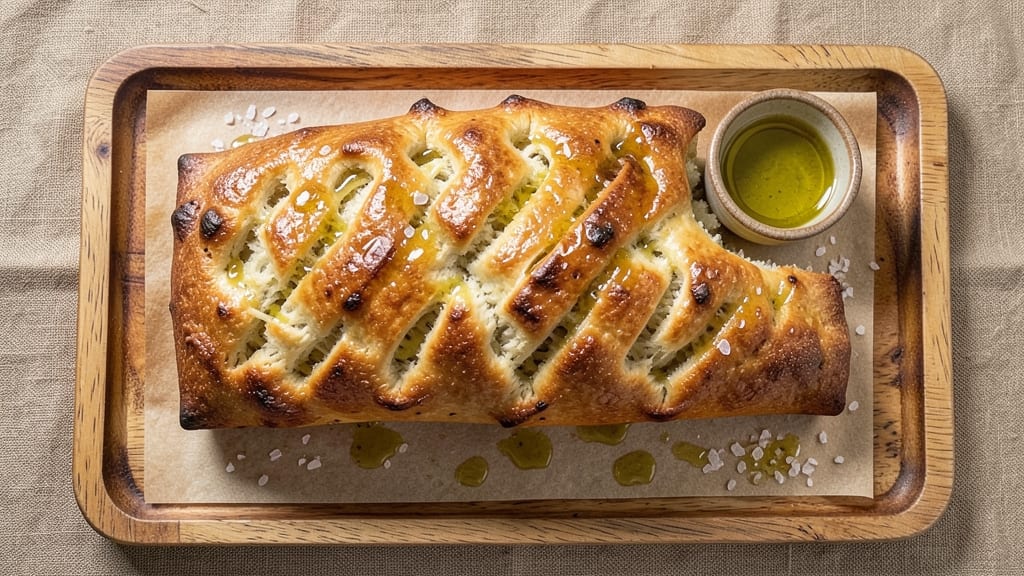
Arrowhead Mills focaccia bread loaf recipe transforms ordinary baking into extraordinary Italian artistry with this golden, crackling masterpiece. The secret lies in its high-protein content, creating a golden olive oil crust that crackles with each bite while maintaining a pillowy interior.
I've perfected this technique over years of testing, ensuring your home kitchen can replicate the flavors of a Roman trattoria.
What sets this focaccia apart is the balance of traditional methods with modern convenience. We'll use a simple dough recipe that requires just three mix-ins—olive oil, salt, and water—before shaping it into a rustic loaf.
The key steps include proper kneading for gluten development, strategic olive oil brushing before baking, and precise temperature control to achieve that signature crackly crust.
By following this method, you'll achieve a focaccia loaf with a crisp exterior that shatters under gentle pressure, revealing tender crumb beneath. The aroma alone will fill your kitchen with the scent of fresh-baked Italian bread. This recipe delivers restaurant-quality results without requiring specialized equipment or years of experience.
Whether you're serving it alongside soups, using it for sandwiches, or simply enjoying it with olive oil and sea salt, this focaccia loaf becomes the star of any meal. The high-protein flour ensures excellent texture while maintaining the authentic Italian flavor profile that makes focaccia so beloved worldwide.
Ingredients for arrowhead mills focaccia bread loaf
High-protein flour and premium olive oil create the perfect foundation for this restaurant-quality focaccia loaf.
| Ingredient | Amount | Notes |
|---|---|---|
| Arrowhead Mills High-Protein Bread Flour 🌾 | 3 ½ cups | High-protein for optimal gluten development |
| Extra-Virgin Olive Oil 🫒 | ¾ cup | High-quality, fruity variety preferred |
| Warm Water 💧 | 1 ¼ cups | 105-110°F for optimal activation |
| Diamond Crystal Kosher Salt 🧂 | 1 ½ tsp | Fine grain preferred for even distribution |
| Active Dry Yeast 🍞 | ¼ tsp | Ensure yeast is fresh for proper rise |
| Flaky Sea Salt 🧂 | ½ tsp | For final crust enhancement |
| Fresh Rosemary 🌿 | ¼ cup | Finely chopped, stems removed |
| Garlic Cloves 🧄 | 4 cloves | Minced for aromatic infusion |
| Cornmeal 🌽 | ¼ cup | For dusting baking sheet |
| Semolina Flour 🌾 | ¼ cup | Optional for enhanced texture |
Arrowhead Mills' high-protein flour is the cornerstone of this recipe—its 22% protein content ensures superior gluten development for that signature crackly crust. Purchase directly from Arrowhead Mills or locate it at well-stocked baking shops like King Arthur Flour or Sur La Table. For the olive oil, seek out cold-pressed extra-virgin with at least 70% oleic acid content—California Olive Ranch or Colavita are excellent choices. The yeast should be freshly purchased (within 4 months) to ensure proper leavening. Store flour in a cool, dark pantry in an airtight container to maintain freshness for up to 12 months.
No high-protein flour? King Arthur Bread Flour works as a substitute, though texture may differ slightly. For olive oil substitutions, avocado oil maintains similar neutral flavor, though it lacks the authentic Mediterranean profile. Fresh rosemary unavailable? Dried rosemary at one-third the amount suffices, though fresh imparts superior aroma. The minced garlic can be substituted with 1 teaspoon garlic powder if needed, though fresh provides more complex flavor. For an extra touch of authenticity, consider adding 1 teaspoon lemon zest to the dough for brightness—organic lemons from Whole Foods work beautifully for this purpose.
This focaccia dough develops optimally when refrigerated overnight (12-16 hours) for enhanced flavor. Once shaped, cover with a damp kitchen towel and let rise at room temperature for 1.5-2 hours until nearly doubled in size. The baked loaf maintains peak freshness for 3 days at room temperature wrapped in a clean kitchen towel, or up to 5 days refrigerated. For longer storage, slice and freeze portions on a parchment-lined tray before transferring to a sealed bag—3 months frozen with perfect texture recovery when toasted.
Why You'll Love This Recipe
- Five-Ingredient Miracle: I swear by this list—just flour, olive oil, water, salt, and yeast. That’s it. No fussing with specialty mixes or hard-to-find ingredients, just pure, reliable bread magic every single time.
- Crispy-Gold Perfection: The high-protein flour gives it that chef’s kiss texture—crust so crisp it shatters, but inside? Still soft and pillowy. Honestly, the first time I sliced it, I nearly dropped the knife.
- Weeknight & Weekend Star: Toss a loaf in the oven while you prep dinner, and it’s ready by the time your pasta boils. Or bake a batch Sunday afternoon for sandwiches all week—no sad, stale bread here.
- Budget-Friendly Staple: A single loaf costs less than takeout, and it stretches farther than store-bought. Between us, I’ve fed a crowd of six for under $5 using this—plus, the leftovers? Even better the next day.
Step-by-step instructions for Arrowhead Mills focaccia bread loaf
Master this technique and you'll achieve a focaccia with a crispy, golden olive oil crust and an airy, pillowy interior every time.
Activate the Yeast and Mix the Dough
In a large mixing bowl, combine the 1.25 cups warm water (between 105-110°F) with the 1.5 tsp Diamond Crystal kosher salt and 0.25 tsp active dry yeast. Let this mixture sit for 5-10 minutes until it becomes frothy and bubbly—this confirms the yeast is active. If it doesn't bubble, your yeast may be old or the water too hot.
To the yeast mixture, add the 3.5 cups Arrowhead Mills High-Protein Bread Flour and 0.75 cup extra-virgin olive oil. Using a wooden spoon or dough whisk, mix until a shaggy dough forms. The high-protein flour will develop gluten quickly, so mix just until combined—overworking at this stage creates tough dough. Transfer the bowl to a lightly oiled surface and knead by hand for 5-7 minutes until smooth and elastic. The dough should be slightly tacky but not sticky.
Incorporate Aromatics and First Rise
Return the dough to the bowl and press it into a flat disc. Sprinkle evenly with the 0.25 cup finely chopped fresh rosemary and 4 minced garlic cloves, then gently fold these aromatics into the dough using your fingers. Cover the bowl with a damp kitchen towel and let rise in a warm place (75-80°F) for 1-2 hours, or until the dough has nearly doubled in size. You'll know it's ready when it springs back slowly when poked.
Here's the thing—this dough is delicate. If your kitchen is cool, place the bowl near a turned-off oven with the light on. The dough should rise steadily without collapsing. If it rises too quickly (within 30 minutes), it may be overproofed later.
Shape and Second Rise
Punch down the risen dough to release air, then shape it into a 9x5-inch loaf pan by pressing gently along the sides and bottom. The dough should reach the top of the pan and cling slightly to the edges. Brush the surface with a thin layer of extra-virgin olive oil, then sprinkle evenly with 0.5 tsp flaky sea salt. Cover again and let rise for 30-45 minutes until the dough expands about 1 inch above the pan's rim.
This second rise is crucial for that signature focaccia texture. The dough should feel firm but still yield slightly when pressed. If it springs back too quickly, it needs more time. If it feels mushy, it's overproofed—bake immediately in this case.
Preheat and Prepare for Baking
Preheat your oven to 425°F with a baking stone or inverted baking sheet on the middle rack. While the oven heats, dust a 9x5-inch loaf pan generously with 0.25 cup cornmeal and 0.25 cup semolina flour, tapping out any excess. This creates that signature crunchy bottom crust.
Transfer the risen dough to the prepared pan and brush the top with another thin layer of olive oil. Use your fingertips to dimple the surface in a diamond pattern—this creates those classic focaccia pockets while allowing steam to escape for a lighter crumb. Sprinkle with additional flaky sea salt if desired.
Bake to Golden Perfection
Bake for 30-35 minutes until the top is deep golden brown and the internal temperature reaches 190-195°F. Rotate the pan halfway through for even browning. The focaccia is done when it sounds hollow when tapped on the bottom and pulls away cleanly from the pan's edges.
Remove from the oven and let cool in the pan for 10 minutes, then transfer to a wire rack. The interior should be light and airy, while the exterior should be crisp and crackly. For maximum flavor, serve warm with additional olive oil drizzled on top. This focaccia keeps well at room temperature for 2-3 days or can be frozen for up to 3 months.
Pro Tips For Making Arrowhead Mills Focaccia Bread Loaf
- Measure Water by Weight: Arrowhead Mills flour absorbs water differently than all-purpose—use a kitchen scale for the warm water (about 120g for 500g flour). I learned this the hard way when my first batch turned into a sticky mess because I eyeballed it.
- Proof Yeast in Warm Water: Dissolve the yeast in the warm water (not hot) with a pinch of sugar or honey first—this kickstarts fermentation faster. Skip this, and you’ll end up waiting twice as long for the dough to rise properly.
- Oil the Pan Generously: Use about 2 tablespoons of extra-virgin olive oil to coat the loaf pan and brush the top before baking. The high-protein flour dries out quickly, so extra oil guarantees a crispy crust instead of a sad, flat top.
- Let Dough Rest Before Shaping: After mixing, let the dough sit covered for 10–15 minutes before shaping—this relaxes the gluten. I used to skip this and ended up with a dense, tough loaf every time. (Yes, even if you’re impatient like me.)
Regional styles of this dish
Roman Trattoria Style
In Rome, focaccia is traditionally baked in a wood-fired oven at 750°F, creating that signature blistered crust. For home bakers, I recommend using a cast-iron skillet preheated in the oven for 20 minutes before baking.
Brush the dough with extra-virgin olive oil (about 2 tbsp) right before baking, then sprinkle with flaky sea salt and fresh rosemary—just like they do in Trastevere. The high heat creates those beautiful, irregular blisters that trap steam for a light interior. 🔥
Tuscan Rustic Version
Tuscan focaccia often incorporates chopped black olives (about ½ cup Kalamata olives) and Pecorino Romano cheese (½ cup, grated) into the dough for a savory twist. After shaping, dimple the surface with your fingertips and press in the olives and cheese before baking.
For extra authenticity, finish with a drizzle of Tuscan olive oil and a sprinkle of coarse sea salt after baking. This version pairs perfectly with ribollita soup or as a base for Tuscan-style sandwiches.
Ligurian Herb Focus
Liguria, the birthplace of pesto, elevates focaccia with fresh basil (¼ cup, chopped) and pine nuts (2 tbsp, toasted) mixed into the dough. After baking, drizzle with homemade pesto (about ¼ cup) while still warm.
The Ligurians also use saffron (a pinch) for a golden hue—though it's optional, it adds a luxurious depth. Serve this version with anchovies and roasted vegetables for a true coastal flavor profile. 🌿
Modern American Adaptation
For a quicker weeknight version, I often replace fresh rosemary with 1 tbsp dried rosemary and skip the second rise, baking directly after shaping.
Use a 9x13-inch pan instead of a loaf pan for a larger batch, and top with shredded mozzarella (½ cup) and sun-dried tomatoes (¼ cup, chopped) during the final 10 minutes of baking. This version is perfect for garlic bread or bruschetta when time is limited. 💡
Southern Italian Variations
In Puglia, focaccia often includes tomato confit (¼ cup, chopped) and oregano (1 tbsp) for a bright, tangy flavor. For a spicy kick, add red pepper flakes (½ tsp) to the dough or sprinkle on top before baking.
In Sicily, sweet variations use orange zest (1 tsp) and honey (1 tbsp) brushed on top after baking. Each region adds its own twist while keeping the core focaccia technique intact. 🗺️
Nutrition facts
Frequently asked questions
Why does Arrowhead Mills flour make this focaccia different?
The high-protein content (22%) in Arrowhead Mills flour creates superior gluten development, giving your focaccia that signature crackly crust while keeping the interior pillowy. Regular all-purpose flour won't provide the same structure or texture—this is the secret to authentic Italian focaccia at home!
Can I make this focaccia without a loaf pan?
Yes! Shape the dough into a round on a parchment-lined baking sheet and bake for 25-30 minutes at 425°F. For extra crunch, brush with olive oil and sprinkle with cornmeal before baking. This creates a more rustic, free-form focaccia similar to what you'd find in Italian trattorias.
What's the best way to store focaccia?
Keep it fresh for 2-3 days at room temperature wrapped in a clean kitchen towel. For longer storage, slice and freeze portions for up to 3 months. To revive, toast slices in a 375°F oven for 5-7 minutes until crispy. Never refrigerate—it makes the bread stale faster!
Why did my focaccia turn out dense instead of airy?
Overproofing or underproofing are common culprits. The dough should spring back slowly when poked—if it springs back too quickly, it needs more time; if it feels mushy, it's overproofed. Also ensure your yeast is fresh and your water is 105-110°F. The high-protein flour needs proper gluten development during kneading too!
Can I add other herbs or toppings?
Try thyme, oregano, or basil instead of rosemary. For toppings, press in cherry tomatoes, olives, or cheese before baking. Just don't overload—too many toppings can weigh down the bread. The key is balance between flavor and texture for that perfect focaccia experience.