
Side Dishes
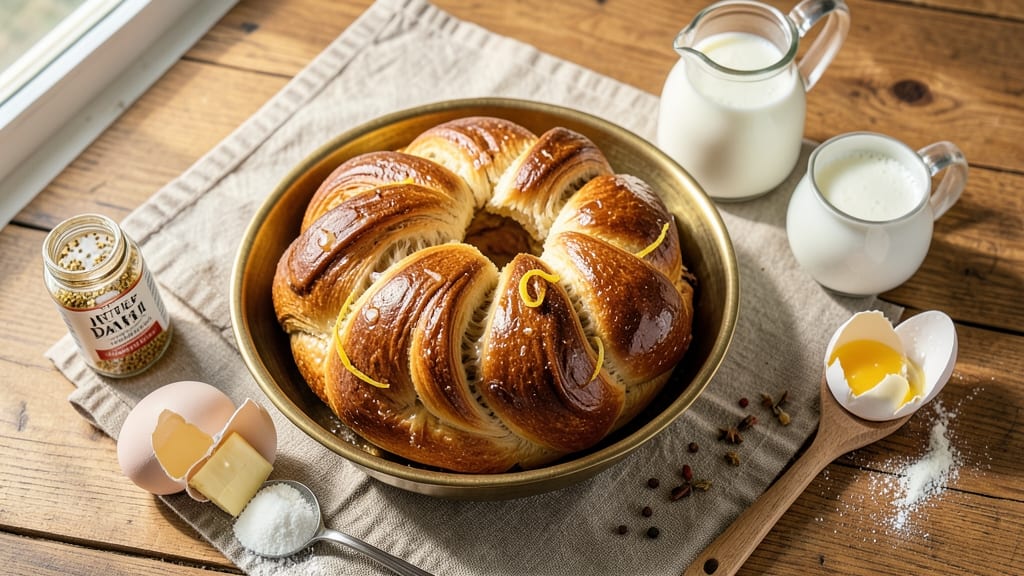
This authentic brioche bread recipe delivers the golden, buttery layers you crave—just like Parisian bakeries, but with a foolproof method for home kitchens. The secret lies in the perfect balance of yeast, eggs, and cold butter, kneaded until velvety smooth and rested just long enough to develop that signature tender crumb. I’ve perfected this version after years of testing, ensuring every slice stays rich, flaky, and irresistibly soft.
What sets this recipe apart is the traditional French technique of incorporating butter in stages, creating those signature pockets of air and flavor. Unlike shortcut versions, this dough requires patience—resting at room temperature, then chilling overnight—but the results are worth it.
The dough’s elasticity and shine are your first clues that it’s ready for shaping, whether as a classic boule, a rustic loaf, or delicate brioche rolls.
By the time it emerges from the oven, your brioche will be golden brown with a crisp crust and a crumb so tender it practically melts in your mouth. The aroma alone—warm, buttery, with a hint of vanilla if you choose to add it—will have everyone asking for seconds.
This is the kind of bread that elevates any meal, from breakfast pastries to elegant dinner sides.
The key to success? Precision in timing, temperature control, and butter incorporation. Let’s get started on mastering this classic French art.
Ingredients for authentic brioche bread
Golden layers start with these 8 essential ingredients—yeast, butter, eggs, and flour working magic together.
| Ingredient | Amount | Notes |
|---|---|---|
| Active Dry Yeast 🍞 | ¼ oz | 1 packet or 2 1/4 tsp |
| Granulated Sugar 🍚 | ¼ cup | For yeast activation |
| Whole Milk 🥛 | 1 cup | Warm to 110°F |
| Large Eggs 🥚 | 4 whole | Room temperature |
| Unsalted Butter 🧈 | 1 cup | Cold, cubed, European preferred |
| All-Purpose Flour 🌾 | 4 cups | Plus 2 tbsp for dusting |
| Diamond Crystal Kosher Salt 🧂 | ½ tsp | Not table salt |
| Pure Vanilla Extract 🌿 | 1 tsp | Optional but recommended |
The butter makes or breaks this brioche. European-style butter like Plugrá or Kerrygold has higher fat content, which is key for that signature richness. If you can't find it, Land O'Lakes or butter with at least 82% fat works. Keep it cold when adding to the dough—it should melt slowly during kneading. The yeast? Fresh is best—if your packet's past its expiration, test it first by sprinkling in warm milk with sugar. It should foam within 5-10 minutes. For flour, King Arthur or Gold Medal are my go-tos—they have that perfect balance of protein and gluten development.
No vanilla? Skip it—this recipe shines without. Short on butter? Use 3/4 cup plus 2 tbsp, but don't go below 3/4 cup—the fat content is critical for that tender crumb. The milk needs to be warm (110°F) to activate the yeast but not hot enough to kill it. If your thermometer says 120°F, let it cool 2 minutes first. For the eggs, room temperature is non-negotiable—they incorporate better and won't cook the butter. Pro tip: Separate the eggs first—it's easier to whisk them while you prep the rest. And if you're worried about overproofing, use a digital thermometer—the dough should hit 78°F before baking.
This dough is a beast—it needs time. Once mixed, let it rest at room temp for 1 hour, then chill overnight (up to 48 hours) for maximum flavor. The butter will firm up beautifully, making shaping easier. Shape your brioche into a boule, batard, or rolls—whatever you're craving. For leftovers, wrap tightly in plastic and store at room temp for 2 days or freeze for 3 months. Toasting revives stale slices like magic. And if you make extra? Freeze shaped dough—bake straight from frozen with 10 extra minutes.
Why You'll Love This Recipe
- Butter-Soft Magic: The moment you slice into this brioche—rich from that whole milk and eggs—you’ll understand why it’s worth the wait. That tender crumb? It’s like biting into a cloud, but one that actually holds together (no sad crumbly failures here).
- No Yeast Nightmares: I’ve made brioche that turned out gummy or dense, but this recipe’s active dry yeast activation trick (just warm milk, sugar, and 10 minutes) means zero guesswork. Honestly, it’s the most reliable dough I’ve ever worked with—even my first attempt turned out golden.
- Breakfast to Brunch: Toast it for a lazy morning, use it to soak up gravy at Sunday dinner, or tear it into French toast—this bread does it all. Between us, the leftover slices in my freezer are my secret weapon for quick meals.
- Pantry Goldmine: You already have the key players: butter, eggs, milk. No fancy ingredients, just better results than store-bought. That said, the cost per loaf is shocking—it feeds a crowd but won’t break the bank, and slices reheat like a dream.
Step-by-step instructions for authentic brioche bread
Here's how to create that signature buttery, fluffy texture that makes brioche unforgettable.
Activate the Yeast and Prepare the Dough Base
In a small bowl, combine the 0.25 oz active dry yeast with the 0.25 cup granulated sugar and the 1 cup warm whole milk (about 110°F). Stir gently and let it sit for 5-10 minutes until it becomes frothy and bubbly—this tells you the yeast is alive and ready to work. If it doesn't bubble, your yeast might be dead, and you'll need to start over.
In a large bowl, whisk together the 4 whole large eggs and the 1 tsp pure vanilla extract. Add the yeast mixture to the eggs and stir until fully combined. This step creates a rich, flavorful base that will give your brioche its signature depth. The vanilla extract adds a subtle sweetness that complements the buttery richness perfectly.
Incorporate Butter and Flour for a Luxurious Texture
Cut the 1 cup unsalted butter into small cubes and add them to the egg mixture, one piece at a time, gently folding each cube into the dough. The butter should begin to soften and emulsify into the mixture, creating a silky, almost custard-like texture. If the butter feels too cold and doesn't incorporate smoothly, let the bowl sit at room temperature for a few minutes to warm it up.
Gradually add the 4 cups all-purpose flour and the 0.5 tsp diamond crystal kosher salt to the bowl, mixing gently with a wooden spoon or dough whisk until just combined. The dough will be sticky and soft—this is normal for brioche. Avoid overmixing, as this can develop too much gluten and make the final bread dense. Once combined, let the dough rest for 10 minutes to relax and become more manageable.
Knead and Shape for Maximum Fluffiness
Lightly flour a clean surface and transfer the dough onto it. Knead the dough gently for about 5-7 minutes, folding and pressing it rather than punching it down. You're not looking to develop gluten here—brioche relies on its tender, buttery layers, not a tight crumb. The dough should be smooth, elastic, and slightly tacky to the touch. If it feels too dry, add a teaspoon of warm milk to bring it back to the right consistency.
Once kneaded, shape the dough into a rectangle about 8x10 inches. Fold the dough over itself like a letter, sealing the edges tightly. This folding technique creates those signature layers that give brioche its signature flakiness and richness. Place the dough seam-side down in a lightly greased bowl, cover it with a damp towel, and let it rise in a warm place for 1-2 hours, or until it has nearly doubled in size.
First Rise and Layering for Buttery Perfection
After the first rise, punch down the dough gently to release any air bubbles. Shape it into a rectangle again and fold it into thirds, like a letter. This second fold adds even more layers to the dough, ensuring that each bite will be packed with buttery goodness. Place the dough seam-side down in the bowl once more, cover it, and let it rise for another 1-2 hours, or until it has doubled in size again. This step is crucial—rushing it will result in a dense loaf.
Once fully risen, preheat your oven to 350°F. Line a baking sheet with parchment paper and lightly grease it. Transfer the dough to the prepared baking sheet, seam-side down, and shape it into a loaf. Use a sharp knife to score the top of the dough in a diamond pattern—this allows the bread to expand beautifully as it bakes and prevents it from cracking in unexpected places.
Bake to Golden Perfection
Bake the brioche for 30-35 minutes, or until it is deep golden brown and sounds hollow when tapped on the bottom. The internal temperature should reach 190-200°F. The bread should be soft, pillowy, and fragrant with the rich aroma of butter and vanilla. If the top browns too quickly, tent the bread with aluminum foil to prevent over-browning while it finishes baking.
Remove the brioche from the oven and let it cool on a wire rack for at least 30 minutes before slicing. This resting period allows the layers to set and the bread to firm up slightly, making it easier to slice without losing its shape. Serve warm for the ultimate experience—each slice should be rich, buttery, and melt-in-your-mouth delicious. Store any leftovers in an airtight container at room temperature for up to 3 days, or freeze for up to 3 months for fresh brioche whenever you need it.
Pro Tips For Making Authentic Brioche Bread
- Bloom Yeast Properly: Whisk the active dry yeast with warm milk and sugar first—let it sit for 5-10 minutes until frothy. I used to skip this, and my brioche always took forever to rise. This step guarantees your yeast is ready to work when you add the butter and eggs.
- Use Cold Butter: Cut that unsalted butter into small cubes and keep it cold until the very last minute—even when mixing with the dough. Cold butter creates those signature flaky layers, and if you warm it too soon, you’ll end up with dense bread instead.
- Don’t Overwork the Dough: Handle the dough just enough to combine—overmixing develops gluten and makes brioche tough. After the first few folds, let it rest before shaping. I learned this after kneading a batch into a rubbery mess.
- Proof at Room Temp: Let the shaped loaf rise in a warm spot (like a turned-off oven with a bowl of hot water) until it’s puffy and nearly doubled—about 1 to 1.5 hours. Cold proofing slows things down, and skipping this step means a dense, flat loaf.
Serving suggestions for this recipe
Breakfast Showstopper
Transform your morning with French toast made with brioche slices. Dip thick-cut pieces in a custard of 2 eggs, ¼ cup milk, and 1 tsp vanilla, then cook in butter until golden brown.
Top with maple syrup, fresh berries, and a sprinkle of powdered sugar for a decadent treat. 🍳
Dinner Sidekick
Serve warm brioche alongside roasted chicken or beef tenderloin for an elegant touch. Tear into chunks and arrange on a platter with melted herb butter or garlic confit. The soft texture soaks up sauces beautifully, making it a perfect complement to hearty mains.
Sweet Pairings
Use brioche to elevate desserts like peach cobbler or chocolate mousse. Toast slices and layer them over warm fruit compotes, or crush them into fine crumbs for a buttery topping on tiramisu or panna cotta. The vanilla notes in the dough add depth to sweet dishes.
Gourmet Sandwiches
Create croque monsieur or grilled cheese with brioche for a luxurious twist. Layer with Gruyère cheese, ham, and Dijon mustard, then grill until crispy. For a vegetarian option, stuff with caramelized onions and goat cheese for a rich, melty bite.
Bread Pudding Magic
Cubed brioche makes the best bread pudding you’ll ever taste. Mix with 2 eggs, 1 cup heavy cream, ½ cup sugar, and a splash of bourbon or vanilla extract. Bake until golden and custardy—every slice will be moist and buttery. 💛
Cheese Board Essential
Slice brioche into thin rounds and toast lightly to serve with aged cheddar, brie, or blue cheese. The buttery crumb pairs perfectly with honey, fig jam, and cured meats, creating a balance of textures and flavors that impress any guest.
Nutrition facts
Frequently asked questions
Why does brioche dough need to rest overnight?
The overnight chill (48 hours max) is key for two reasons: it firms up the butter so it layers beautifully when baked, and it lets the yeast develop deeper flavor. Without it, your brioche will be dense and lack that signature buttery richness. The cold also relaxes the gluten, making shaping easier. Think of it as letting the dough "marinate" in the fridge!
Can I make brioche without the overnight rest?
Technically yes, but your brioche will be less flavorful and potentially denser. If you're short on time, let the dough rest for at least 4 hours in the fridge instead of overnight. The butter won't layer as dramatically, but you'll still get a tender result. For best authenticity, though, plan ahead—the patience pays off with that perfect crumb.
What's the best way to tell when brioche is fully baked?
Look for three signs: deep golden brown crust, a hollow sound when tapped on the bottom (like a drum), and an internal temperature of 190-200°F. The crust should be crisp but not burnt—if it browns too quickly, tent with foil. Pro tip: The aroma should be intoxicatingly buttery and slightly sweet.
Why did my brioche turn out dense instead of fluffy?
Dense brioche usually means one of three things: overmixing the dough (which develops too much gluten), skipping the proper rests (especially overnight), or using warm butter instead of cold. The butter should melt slowly during kneading—if it disappears too quickly, your dough will lack those signature layers. Also check your yeast: if it didn't foam properly, the dough won't rise enough.
How do I store brioche to keep it fresh longer?
For short-term storage, keep it in an airtight container at room temperature for up to 3 days. For longer storage, freeze the whole loaf (up to 3 months) or individual slices (up to 1 month). To revive, wrap frozen brioche in a towel and warm in a 300°F oven for 10-15 minutes. The best way to enjoy it fresh? Toast slices and store in a sealed container—the toasted crust stays crisp for days.