
Side Dishes
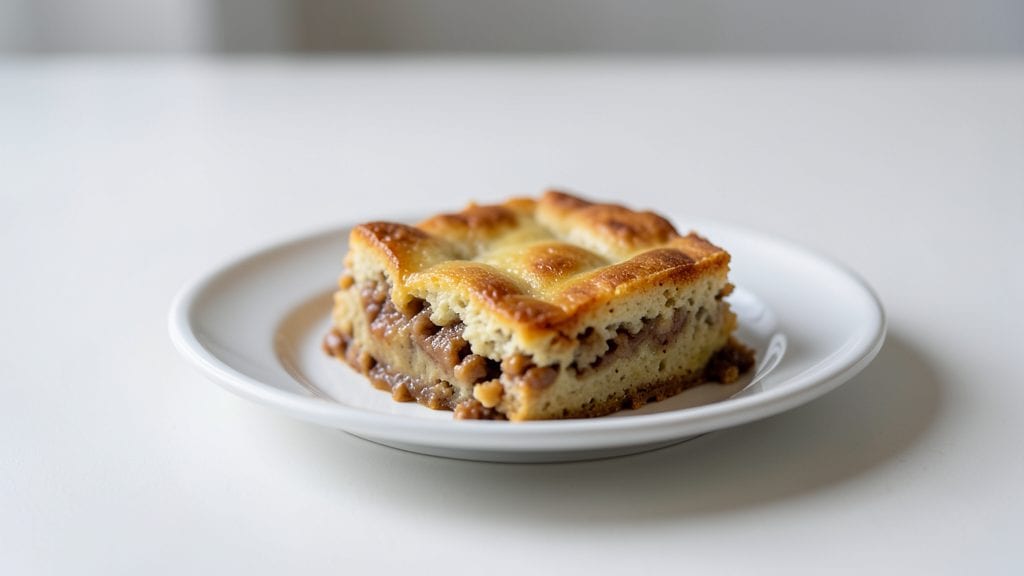
Transforming stale bread into a Barefoot Contessa savory bread pudding is one of those culinary magic tricks that turns leftovers into a showstopping side dish. The secret lies in a rich blend of sharp cheddar, aromatic herbs, and a golden toasted crust that becomes irresistibly crispy.
I developed this recipe after realizing how versatile bread pudding could be beyond sweet versions—it’s the perfect way to elevate any meal.
This savory bread pudding delivers a restaurant-quality texture with tender, cheesy layers and a crisp exterior that holds up beautifully. The dish requires just 15 minutes of prep and 45 minutes in the oven, making it ideal for weeknight dinners or holiday gatherings.
The combination of cheddar, thyme, and chicken broth creates depth that pairs perfectly with roasted meats or grilled vegetables.
What makes this recipe stand out is its foolproof technique—no special equipment needed, just a baking dish and a little patience. The result is a dish that’s rich, savory, and just cheesy enough to satisfy even the pickiest eaters.
Serve it warm with a sprinkle of fresh parsley for a touch of brightness that ties everything together.
The beauty of this savory bread pudding is its versatility—it works as a side for Thanksgiving turkey, a hearty addition to game day spreads, or even a satisfying main course with a simple salad. Once you try it, you’ll never think of stale bread the same way again.
Ingredients for barefoot contessa savory bread pudding
Sixteen ingredients transform stale bread into a restaurant-quality savory masterpiece.
| Ingredient | Amount | Notes |
|---|---|---|
| Stale Bread 🍞 | 12 cups | Day-old or slightly stale, cubed |
| Sharp Cheddar Cheese 🧀 | 2 cups | Shredded, aged 6+ months preferred |
| Chicken Broth 🍲 | 1 ½ cups | Low-sodium, homemade or quality store-bought |
| Heavy Cream 🥛 | 1 cup | Full-fat for richness |
| Large Eggs 🥚 | 4 whole | Room temperature, beaten |
| Fresh Thyme Leaves 🌿 | ¼ cup | Chopped, or 1 tbsp dried thyme |
| Fresh Parsley Leaves 🌿 | ¼ cup | Chopped, for garnish |
| Garlic Cloves 🧄 | 4 cloves | Minced, or 1 tsp garlic powder |
| Unsalted Butter 🧈 | ½ cup | Melted, for crust |
| Salt 🧂 | 1 ½ tsp | Kosher or sea salt, adjust to taste |
| Black Pepper 🌶️ | ½ tsp | Freshly ground, for balance |
| Extra-Virgin Olive Oil 🫒 | 2 tbsp | For greasing the dish |
| Panko Breadcrumbs 🍞 | ½ cup | For extra crispy crust |
| White Pepper 🌶️ | ¼ tsp | Optional, for subtle warmth |
The cheddar is non-negotiable here—aged 6+ months delivers that sharp, complex flavor. Whole Foods or specialty cheese shops carry the best, but Kraft sharp cheddar works in a pinch if you're in a hurry. Fresh thyme is ideal, but dried thyme at one-third the amount keeps the aromatic profile intact. For the bread, French or Italian loaves hold up best, but sourdough or even dinner rolls work beautifully. If you're using a baguette, tear it into irregular pieces for better texture. The chicken broth should be low-sodium—homemade or Pacific Foods brand if you're buying store-bought. Trust me, the difference is noticeable.
No sharp cheddar? Pepper jack or Gruyère bring bold flavors, though Gruyère leans more nutty. Short on fresh thyme? Dried thyme plus a pinch of rosemary mimics that earthy depth. For the crust, panko plus extra Parmesan if you've got it—it adds a salty crunch that's irresistible. The eggs must be room temperature for proper binding. If you're making this ahead, beat the eggs and broth first, then mix in the bread last to prevent a gummy texture. The garlic can be pre-minced from a jar if you're in a rush, but fresh is always better. For extra richness, add a splash of cream to the crust mixture before baking.
This reheats beautifully—350°F for 10 minutes restores that golden crust. Keeps 4-5 days in the fridge, 3 months frozen. Portion into individual ramekins for easy reheating. The crust stays crispy for 2-3 days if stored properly. For a holiday spread, double the recipe—it's perfect for Thanksgiving sides or game day appetizers. Leftovers? Toss with a fried egg for breakfast the next morning—game changer.
Why You'll Love This Recipe
- I swear by this trick: just tear that stale bread into chunks—no knife skills required. The sharp cheddar melts into gooey pockets while the eggs bind everything together like magic.
- No-Chop Necessary: I swear by this trick: just tear that stale bread into chunks—no knife skills required. The sharp cheddar melts into gooey pockets while the eggs bind everything together like magic.
- Cheesy-Creamy Magic: That moment when the top gets golden and crispy while the inside stays rich and custardy? It’s the heavy cream and eggs working their charm, with the cheddar adding a sharp bite that makes every bite unforgettable.
- Leftover Hero: Turns dry bread into a creamy, savory masterpiece in one bowl—no one will guess it’s just using up yesterday’s loaf. Honestly, I’ve made this for Sunday brunch and late-night snacks with zero shame.
Step-by-step instructions for savory bread pudding
This method transforms simple ingredients into a rich, cheesy bread pudding with a golden crust.
Prepare the Bread and Cheese Mixture
Tear the 12 cups stale bread into 1-inch cubes, discarding any crusty ends. Spread them evenly on a baking sheet and toast in a 375°F oven for 10-12 minutes until lightly golden and dry. This step removes excess moisture, which is critical for a crispy texture later.
While the bread toasts, shred the 2 cups sharp cheddar cheese using a box grater. For even distribution, fold the shredded cheese into the warm bread cubes in a large bowl. Add the 0.25 cup chopped fresh thyme leaves, 0.25 cup chopped fresh parsley leaves, and 4 minced garlic cloves. Sprinkle with 1.5 teaspoons salt and 0.5 teaspoon black pepper, mixing gently to coat all bread pieces evenly.
Create the Custard Base
In a separate bowl, whisk together the 4 whole large eggs, 1 cup heavy cream, 1.5 cups chicken broth, and the 0.5 cup melted unsalted butter. The mixture should be smooth but slightly thick—this ensures a creamy texture without being watery. Add the 0.25 teaspoon white pepper and mix until fully incorporated.
Pour the custard mixture over the bread and cheese in the bowl. Let it sit for 5 minutes to absorb, stirring occasionally. The bread should be fully saturated but not soggy—if it appears dry in spots, add 1-2 tablespoons additional chicken broth to help bind everything together.
Assemble and Bake for a Golden Crust
Grease a 9x13-inch baking dish with 2 tablespoons extra-virgin olive oil, ensuring the entire surface is coated. Transfer the bread mixture to the dish, pressing down gently to compact it. Sprinkle the 0.5 cup panko breadcrumbs evenly over the top for extra crunch.
Bake uncovered at 350°F for 40-45 minutes, until the top is deep golden brown and the center feels set when gently shaken. The edges should pull away slightly from the dish, indicating a firm yet tender interior. If the top browns too quickly, tent loosely with foil for the last 10 minutes to prevent over-browning.
Rest and Serve Warm
Remove the bread pudding from the oven and let it rest for 10 minutes before serving. This resting period allows the custard to set slightly, making it easier to slice without falling apart. The internal temperature should reach 160°F—use an instant-read thermometer to check the center for doneness.
Garnish with additional chopped fresh parsley leaves and serve warm, straight from the baking dish. The contrast of the crispy crust with the creamy, cheesy interior makes every bite satisfying. For extra richness, drizzle with a little melted unsalted butter before serving.
Pro Tips For Making Barefoot Contessa Savory Bread Pudding
- Soak the Bread Properly: Don’t just toss the bread cubes in liquid and hope for the best. Use a mix of warm chicken broth and heavy cream (about 1:1 ratio) to soak them for 10 minutes—not longer, or they’ll turn to mush. I learned this the hard way when my first batch fell apart like wet cardboard. Let them sit undisturbed, then drain just enough to keep them damp but not soggy.
- Grate the Cheese Fine: Sharp cheddar is the star, but big chunks won’t melt evenly. Pulse it in a food processor for 3–4 seconds—just enough to break it into rice-sized pieces. This ensures a creamy, gooey texture throughout, not just in pockets. (Yes, even if you’re impatient like me, resist the urge to skip this.)
- Bake Until Golden, Not Just Set: The Barefoot Contessa version needs a crispy top, not a sad, pale one. Start baking at 350°F (175°C) for 30 minutes, then crank it to 375°F (190°C) for the last 10–15 minutes. Watch closely—it should turn golden brown, not just “done.” I was skeptical until I tried it: the contrast of crispy and custardy is what makes this dish sing.
- Whisk Eggs Like a Pro: Beat the eggs and heavy cream together until they’re just combined—no need to overdo it, but don’t leave streaks. A few faint ribbons when you lift the whisk means they’re ready. Over-whisking adds air, which can make the pudding dense. (Your future self will thank you for skipping the food processor here.)
Essential equipment for this recipe
Baking Dish Essentials
Start with a 9x13-inch baking dish—I recommend Ceramic Non-Stick from USA Pan for even browning and easy release. The dish should be large enough to hold all 12 cups of bread cubes without overcrowding, which prevents a crispy crust.
If you don’t have one, a 9x13-inch glass dish works too, but grease it generously with extra-virgin olive oil to prevent sticking. 🧑🍳
Crust Tools Matter
For that golden, crispy crust, use panko breadcrumbs—they’re lighter than regular breadcrumbs and create a satisfying crunch. I keep a small container of panko (like Kikkoman brand) in my pantry for quick bread pudding prep.
If you’re short on panko, toast ½ cup regular breadcrumbs in a dry pan for 2-3 minutes to crisp them up before using.
Mixing Containers
A large mixing bowl (at least 8-quart capacity) is essential for combining the bread, cheese, and custard. I use a stainless steel bowl from OXO because it’s durable and easy to clean. Avoid glass bowls if you’re making this ahead—they can crack when transferring to the oven.
For the custard mixture, a medium-sized bowl (like Pyrex) works perfectly for whisking the eggs and cream smoothly.
Thermometer for Precision
An instant-read thermometer (I swear by ThermoWorks Thermapen ONE) ensures your bread pudding is 160°F internally—the perfect temperature for creamy yet set custard. Without one, you risk undercooking (gummy texture) or overcooking (dry crust).
Check the center by inserting the probe into the thickest part of the pudding before removing it from the oven.
Optional: Ramekins for Portions
For individual servings, use 6-8 ramekins (about 6-ounce size) to bake mini bread puddings. These are great for game day appetizers or holiday buffets. I like Corelle Stoneware ramekins because they’re oven-safe and easy to stack.
Grease them lightly with butter or olive oil to prevent sticking, and reduce the baking time to 30-35 minutes for smaller portions.
Storage Containers
For leftovers, transfer slices to airtight containers (like Rubbermaid Brilliance) to keep the crust crispy for up to 3 days. If freezing, use quart-sized freezer bags—they’re flat and stackable. Label with the date and reheat at 350°F for 10-12 minutes until the crust is golden again. 💡
Nutrition facts
Frequently asked questions
Can I use day-old bread instead of stale bread for this recipe?
Yes! Day-old bread works perfectly—it's already slightly stale, which helps create that ideal texture. Just tear it into 1-inch cubes and toast them briefly at 375°F for 5-7 minutes to dry out any lingering moisture. This ensures your bread pudding stays tender inside with a crispy crust.
What can I substitute if I don't have sharp cheddar?
Try Pepper Jack for a spicy kick or Gruyère for a nutty depth—both work beautifully. If you're using a milder cheese like Colby, add ½ teaspoon smoked paprika to enhance flavor. Avoid pre-shredded cheese (it contains anti-caking agents that can make the pudding gummy).
Why did my bread pudding turn out gummy instead of creamy?
Gummy texture usually means the custard didn't set properly. This often happens if the eggs weren't fully incorporated or if the baking time was insufficient. Next time, whisk the eggs and cream until completely smooth, and bake until the center reaches 160°F. For extra insurance, let it rest 15 minutes after baking—this helps the custard firm up.
Can I make this ahead of time for a holiday meal?
This bread pudding actually tastes better the next day. Assemble it up to 24 hours ahead and refrigerate uncovered. When ready to bake, add 5-10 minutes to the baking time (check at 350°F for 50-55 minutes). For parties, bake it in individual ramekins—this makes serving easier and keeps the crust crispy.
How do I reheat leftovers without making the crust soggy?
Reheat slices at 350°F for 8-10 minutes covered with foil to trap moisture, then uncover for the last 2 minutes to crisp the top. For microwave reheating, wrap slices in a damp paper towel and heat for 20-30 seconds. The key is to restore that golden crust—never microwave uncovered.