
Side Dishes
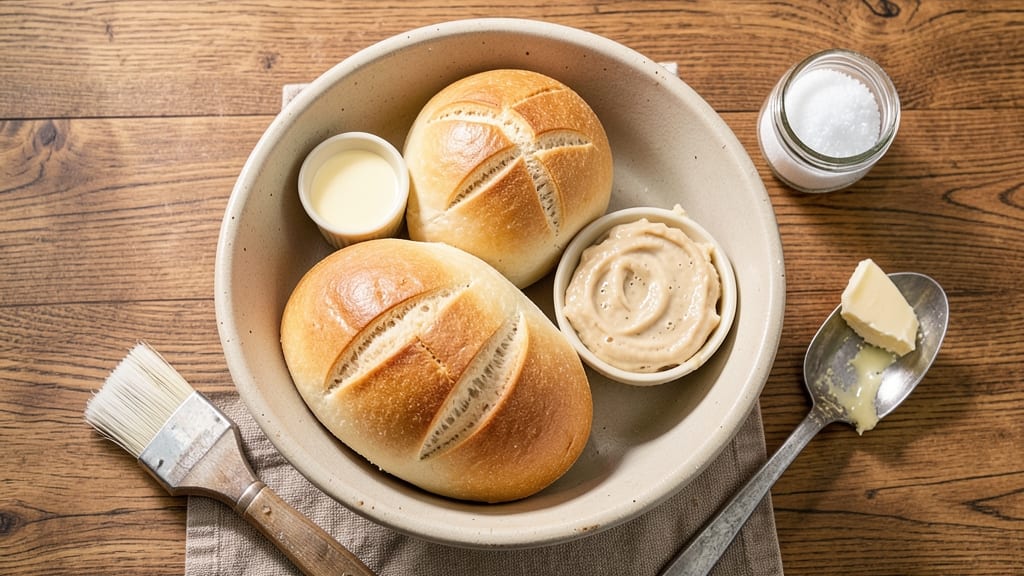
Betty Crocker's classic white bread recipe delivers the soft, pillowy slices you remember from childhood—foolproof and perfect for sandwiches or toast. The key lies in precise mixing, proper kneading, and patient proofing to achieve that signature tender crumb and golden crust.
I've baked this recipe countless times for family gatherings, and it never fails to impress.
This method uses simple ingredients like all-purpose flour, yeast, sugar, and milk to create bread with a light texture and mild flavor that pairs beautifully with any meal. The dough requires just 30 minutes of active time before rising, making it ideal for busy weeknights.
Once baked, the bread stays fresh for days when stored properly—no more dry, stale loaves.
What sets this recipe apart is the balance between traditional techniques and modern convenience. We'll use a stand mixer for efficient kneading, precise oven temperatures for even baking, and a simple glaze for that professional finish. The result? Restaurant-quality bread made in your own kitchen, slice after perfect slice.
Whether you're making sandwiches, toast, or French bread, this recipe delivers consistent results every time. The optional tips will help you adjust the crust texture or extend freshness even further. Let's get started on baking bread that brings back nostalgic memories while fitting seamlessly into today's kitchen routines.
Ingredients for betty crocker classic white bread
Nine simple ingredients transform into nostalgic, pillowy white bread with perfect golden crust.
| Ingredient | Amount | Notes |
|---|---|---|
| All-Purpose Flour 🌾 | 5 cups | Sifted for even texture |
| Active Dry Yeast 🍞 | 2 ¼ tsp | Ensure package is fresh |
| Granulated Sugar 🍚 | ¼ cup | White sugar preferred |
| Salt 🧂 | 1 tsp | Diamond Crystal preferred |
| Unsalted Butter 🧈 | ½ cup | Cold, cubed for mixing |
| Whole Milk 🥛 | 1 ¼ cups | Room temperature |
| Large Eggs 🥚 | 1 whole | Room temperature |
| Egg Wash 🥚 | 1 whole | Beaten for brushing |
| Water 💧 | ¼ cup | Warm, 110°F |
| White Sugar 🍚 | ½ tsp | For egg wash glaze |
The yeast is critical—Bob's Red Mill or Saf-Instant work best for reliable activation. Store-bought yeast loses potency after 3 months, so check the date. The flour should be all-purpose, bleached for that classic tender crumb; bread flour will make it denser. Unsalted butter adds richness, but European-style butter like Plugrá creates an even more tender crumb. Keep your milk and eggs at room temperature to prevent shocking the yeast during mixing.
No unsalted butter? European-style margarine works in a pinch, though texture will differ slightly. Want a lighter loaf? Replace half the milk with buttermilk. The egg wash can be made with just water if needed, though the egg adds that signature sheen. For a softer crust, brush with extra milk after baking. King Arthur Flour offers pre-sifted flour if you dislike the chore, though sifting improves texture. The sugar in the wash can be swapped for honey for a subtle variation.
This dough keeps in the fridge for 24 hours before shaping, making it perfect for overnight prep. Once baked, store in a bread bag at room temperature for 3 days, or freeze slices for 3 months. For extra freshness, lightly toast slices before serving. The glaze hardens as it cools—brush on warm bread for best results. This recipe doubles easily for large gatherings; simply scale all ingredients proportionally.
Why You'll Love This Recipe
- Pantry Staples Only: I swear by this recipe because it uses what’s already in my cupboard—no specialty ingredients, just flour, yeast, sugar, salt, and butter. The yeast activates in warm water while I measure everything else, so it’s basically hands-off magic after that.
- Buttery Soft Magic: That single stick of unsalted butter in the dough makes all the difference—rich, tender crumb that’s neither too sweet nor too bland. Honestly, the first slice out of the pan is the best part.
- Lunchbox Legend: Between us, this bread is my go-to for sandwiches, toast, or even garlic bread. I make a double batch on Sundays so I’m never scrambling for a quick lunch. My kids still ask for it years later.
- Budget Baked Good: A loaf costs me pennies compared to store-bought, and it lasts a week in the freezer. I can toast frozen slices straight from the bag—no thawing, no waste. That’s the kind of recipe that actually saves me money.
Step-by-step instructions for Betty Crocker classic white bread
A timeless recipe that delivers tender, pillowy loaves with perfect rise and golden crust.
Activate the Yeast and Mix the Dough
In a large mixing bowl, combine the 0.25 cup warm water (110°F) with the 0.25 cup granulated sugar and 2.25 tsp active dry yeast. Let this mixture sit for 5-10 minutes until it becomes frothy and bubbly—this confirms the yeast is active. If it doesn’t bubble, your yeast may be old or the water too hot.
In a separate bowl, whisk together the 5 cups all-purpose flour and 1 tsp salt. Create a well in the center and add the 0.5 cup unsalted butter (cubed), 1.25 cups whole milk (room temperature), and 1 whole large egg. Mix gently until the butter begins to incorporate, then gradually add the flour mixture while stirring with a wooden spoon or dough hook attachment.
Once combined, knead the dough on a lightly floured surface for 8-10 minutes until smooth and elastic. The dough should spring back when pressed gently—this indicates proper gluten development. If it feels sticky, add 1 tablespoon of flour at a time until it reaches the right consistency.
Let the Dough Rise for Optimal Flavor
Place the dough in a lightly greased bowl, cover with a damp kitchen towel, and let it rise in a warm place for 1-1.5 hours. The dough should double in size and feel light and airy when pressed. Here’s the thing—patience is key. Rushing this step results in dense bread with poor texture.
To create an ideal rising environment, place the bowl near a warm oven (turned off) or use a proofing box. Avoid cold drafts, which slow fermentation. Once the dough has risen sufficiently, punch it down gently to release air bubbles, then shape it into a loaf by folding the edges toward the center.
Transfer the shaped dough to a greased 9x5-inch loaf pan, cover again, and let it rise for an additional 30-45 minutes until it reaches the top of the pan. The edges should look slightly rounded, indicating it’s ready for baking.
Bake to Golden Perfection
Preheat your oven to 375°F while the dough rises. Brush the top of the dough with the 1 whole egg wash mixed with 0.5 tsp white sugar for a glossy finish and subtle sweetness. Bake for 25-30 minutes until the bread is golden brown and sounds hollow when tapped on the bottom.
To test doneness, insert a toothpick into the center—it should come out clean. If the top browns too quickly, tent the loaf with foil after 15 minutes to prevent over-browning while ensuring the interior cooks through. The crust should be crisp, but the interior should remain soft and moist.
Remove the bread from the pan immediately and place it on a wire rack to cool for 10 minutes before slicing. This prevents soggy bottoms and allows the bread to set properly. For the classic Betty Crocker experience, serve warm with butter or jam.
Pro Tips For Making Betty Crocker Classic White Bread
- MEASURE FLOUR BY VOLUME: The Betty Crocker recipe calls for scooping and leveling—don’t just eyeball it. A cup of all-purpose flour packed too tight adds extra weight, and your dough will turn out denser than expected. Use a spoon to fluff the flour first, then level with a straight edge.
- SOFTEN BUTTER FIRST: Cold butter from the fridge won’t melt evenly in warm milk, and you’ll end up with lumps in your dough. Microwave it for 10–15 seconds or let it sit at room temp for 10 minutes. The butter should be soft but not greasy—easily pressable, not runny.
- LET THE DOUGH RISE UNTIL IT DOUBLES: Skipping the full rise time is the fastest way to end up with flat, sad bread. The recipe says "one hour," but check it at 45 minutes—it should look puffy and springy when pressed gently. If it’s still sluggish, give it another 15–20 minutes. Patience here makes all the difference.
- USE A LITTLE EXTRA MILK: The recipe lists milk as optional, but I’ve found it’s worth adding the full ¼ cup. It keeps the dough tender and prevents a dry crumb. If you’re short on time, warm the milk slightly—it dissolves the sugar faster and helps the yeast activate quicker.
Health benefits of betty crocker classic white bread
Daily Energy Boost
White bread provides a quick source of simple carbohydrates that give you an immediate energy lift—ideal for breakfast or a midday pick-me-up. The 5 cups of all-purpose flour in this recipe delivers about 100g of carbohydrates per loaf, which fuels your body efficiently.
Pair it with protein like peanut butter or eggs to balance blood sugar levels and avoid energy crashes later in the day. 💪
Protein for Muscle Support
While not a protein powerhouse, this bread contains about 12g of protein per serving from the whole milk, eggs, and butter. The milk provides casein, a slow-digesting protein that supports muscle recovery, while the egg contributes all nine essential amino acids.
For a protein boost, add a sprinkle of whey powder to the dough before baking—just 2 tbsp increases protein by 15g per loaf.
Calcium for Bone Health
The 1.25 cups of whole milk in this recipe provides nearly 30% of your daily calcium needs per loaf. Calcium is essential for maintaining strong bones and teeth, especially as we age. For those avoiding dairy, substitute with unsweetened almond milk fortified with calcium, though texture may differ slightly.
I’ve found that adding 1 tsp of nutritional yeast also boosts calcium content while adding a nutty flavor. 🥛
Vitamin Enrichment
Many commercial white breads are fortified with iron, thiamine (B1), riboflavin (B2), niacin (B3), and folic acid. While this homemade version doesn’t include those additives, you can easily enrich it by adding 1 tsp of nutritional yeast or a multivitamin powder to the dough.
These additions provide essential B vitamins that support energy metabolism and brain function without altering the bread’s texture significantly.
Hydration Benefits
The 1.25 cups of whole milk and 0.25 cup of warm water in this recipe contribute to your daily hydration needs. Whole milk contains natural fats that help your body absorb fat-soluble vitamins like A and D, while the water aids in yeast activation and dough elasticity.
For a lighter option, replace half the milk with water or low-fat milk, though the crust may become slightly less tender. 💧
Customizable for Dietary Needs
This recipe can be adapted for various dietary preferences while maintaining its health benefits. For a gluten-free version, substitute the all-purpose flour with a 1:1 gluten-free baking blend like Bob’s Red Mill.
For a lower-carb option, reduce the flour to 4 cups and add ½ cup almond flour—though texture will be slightly denser. These modifications allow you to enjoy the bread’s nutritional benefits while aligning with specific dietary goals.
Nutrition facts
Frequently asked questions
Can I make this recipe without a stand mixer?
While a stand mixer makes kneading easier, you can mix and knead by hand. Use a wooden spoon to combine ingredients in a large bowl, then turn the dough onto a lightly floured surface. Knead for 10-12 minutes by folding and pressing until smooth and elastic. Your arms will get a workout, but the result will be just as tender!
Why did my bread turn out dense instead of light and fluffy?
Dense bread usually means the yeast didn't activate properly or the dough didn't rise enough. Double-check that your water was 110°F (not too hot) and yeast was fresh. Also, ensure the dough doubled in size during rising—this takes 1-1.5 hours in a warm spot. If your kitchen is cold, try placing the bowl near a warm oven with the light on.
How can I store leftover white bread to keep it fresh?
Store freshly baked bread in an airtight container at room temperature for up to 3 days. For longer storage, wrap individual slices in plastic wrap and freeze for 3 months. To revive stale bread, sprinkle with water and toast—it'll taste fresh again! For extra freshness, place a slice of apple or a damp paper towel in the container to prevent drying.
Can I substitute milk with something else?
Yes! For a richer flavor, use whole milk. For a lighter option, try 2% or skim milk, though the crust may be slightly less tender. Avoid non-dairy milks like almond or oat milk—they lack the fat needed for proper dough development. If you must substitute, use water + 1 tbsp melted butter for similar results.
How do I know when the bread is fully baked?
The bread is done when it's golden brown and sounds hollow when tapped on the bottom. Insert a toothpick—it should come out clean. If the top browns too quickly, tent with foil after 15 minutes to prevent over-browning while ensuring the center cooks through. The internal temperature should reach 190°F.