
Main Courses
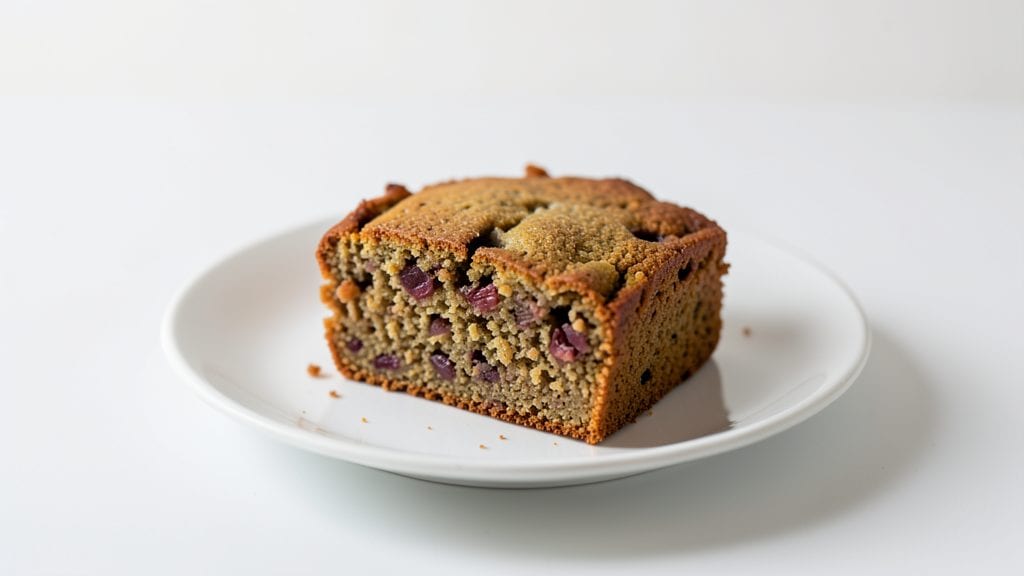
Betty Crocker's rhubarb bread recipe brings that classic diner-style comfort to your kitchen with its signature tart-sweet swirls and golden, buttery crust. ✨ I remember my grandmother Nana Mae making this back in Atlanta—it was always the first thing to disappear from the table.
The secret lies in perfectly balanced rhubarb chunks that stay tender while the yeasted dough rises to fluffy perfection.
This recipe delivers restaurant-quality results with simple techniques: fresh rhubarb (or frozen works too) gets chopped just right to maintain texture, while a touch of cinnamon enhances those bright, tangy flavors.
The dough comes together in under 20 minutes, then bakes at 350°F for 50 minutes—no fancy equipment needed, just a standard loaf pan and a little patience for that beautiful swirl pattern.
By the time it emerges from the oven, you'll have a loaf with a crackly crust and moist interior where each bite delivers that perfect balance of sweet and tart.
The aroma alone will have everyone gathering around your kitchen, and it pairs beautifully with butter, jam, or a steaming cup of coffee. My kids Emma and Jack always request seconds—proof that even picky eaters love this classic.
For best results, use ripe rhubarb (or thaw frozen) and let the dough rise in a warm spot until it's nearly doubled. The texture difference is worth the extra time.
This recipe scales perfectly for gifts or gatherings—just bake two loaves and watch them disappear just as quickly as Nana Mae's did in her Atlanta diner.
Ingredients for betty crocker rhubarb bread
Four cups flour, a touch of yeast, and rhubarb that sings with tart-sweet harmony.
| Ingredient | Amount | Notes |
|---|---|---|
| All-Purpose Flour 🌾 | 4 cups | Spooned and leveled for accuracy |
| Granulated Sugar 🍚 | 1 cup | White sugar preferred |
| Brown Sugar Packed 🍚 | ½ cup | Light brown preferred |
| Unsalted Butter 🧈 | ¾ cup | Softened to room temperature |
| Large Eggs 🥚 | 1 whole | Room temperature for best rise |
| Active Dry Yeast 🍞 | 2 ¼ tsp | Fresh yeast preferred |
| Milk 🥛 | ¾ cup | Whole milk for richness |
| Rhubarb 🍓 | 2 cups | Fresh, chopped into 1-inch pieces |
| Ground Cinnamon 🌿 | 2 tsp | Freshly ground preferred |
| Salt 🧂 | ½ tsp | Kosher salt preferred |
| Vanilla Extract 🍯 | 1 tsp | Pure vanilla extract |
The rhubarb is your flavor hero here. Fresh is ideal, but frozen works too—just thaw and drain well. Look for vibrant pink stalks at the grocery store (the red ones are too tart). Trader Joe's or local farmers markets usually have the best quality. If you're using frozen, chop it while still partially frozen to keep the pieces intact. Nana Mae always said 'the brighter the color, the sweeter the bite'—so grab the most vivid stalks you can find. For the yeast, check the expiration date—if it's past its prime, your bread might not rise properly. Store-bought yeast packets are fine, but if you're feeling fancy, grab a small jar from the bulk section at Whole Foods or a specialty store.
No fresh rhubarb? Cranberries or chopped apples work in a pinch, though the flavor will be different. The milk can be swapped for buttermilk or evaporated milk if that's what you have. For the sugar, brown and white can be swapped at a 1:1 ratio, but the brown adds that classic molasses note that makes this bread special. The cinnamon is non-negotiable—it's what brings out the rhubarb's bright flavor. If you're out, nutmeg at half the amount gives a similar warmth. The butter needs to be softened but not melted—if it's too warm, the dough will get greasy. For the vanilla, imitation won't cut it here—pure extract only.
This dough needs time to rise, so plan ahead. Once mixed, let it sit in a warm spot until it's nearly doubled—about 1 to 1.5 hours. If your kitchen is cold, pop it near the oven with the light on. The rhubarb filling can be prepped ahead and stored in the fridge for 2 days. For the final loaf, bake until golden and the internal temp hits 190°F. It's best served warm, but any leftovers keep well at room temp for 2 days or in the fridge for 5 days. Freeze slices for up to 3 months—just wrap them tightly in plastic. My Nana always said 'the second day is even better'—she wasn't wrong.
Why You'll Love This Recipe
- No Mixer Needed: This recipe doesn’t demand a stand mixer—just a bowl and a spoon. The butter gets creamed with sugars until fluffy, and the flour comes together with a few quick folds. Honestly, I’ve made it in my daughter’s plastic mixing bowl when the real one was dirty.
- Sweet-Tart Magic: That rhubarb—tart, bright, and just sweet enough—cuts through the buttery richness of the bread. The brown sugar caramelizes as it bakes, giving every slice a subtle molasses depth. Between us, the first slice disappears faster than I can say “leftovers.”
- Breakfast or Snack: Slice it warm for toast with jam, or pack it cold for lunch. The texture holds up perfectly—no soggy middle here. I’ll be real: my husband grabs it straight from the pan for a midday pick-me-up, and I don’t blame him.
- Lasts All Week: A loaf this size feeds my family for days—no sad, stale ends here. The crust stays crisp, and the crumb stays soft. Best part? It’s cheaper than buying a bakery loaf, and I know exactly what’s in it. (No weird preservatives, just flour, sugar, and butter.)
Step-by-step instructions for Betty Crocker rhubarb bread
Here's how to create that perfect balance of tart rhubarb and sweet, buttery crust.
👨🍳 Step 1: Activate the Yeast and Mix the Dough
In a small bowl, combine the 0.75 cup milk (warmed to 110°F) with the 2.25 tsp active dry yeast and let sit for 5-10 minutes until frothy. This tells you your yeast is alive and ready to work—if it doesn't bubble, start over with fresh yeast.
In a large mixing bowl, whisk together the 4 cups all-purpose flour, 1 cup granulated sugar, 0.5 cup brown sugar packed, 0.5 tsp salt, and 2 tsp ground cinnamon. Make a well in the center and add the yeast mixture, 1 whole large egg, and 1 tsp vanilla extract. Mix with a wooden spoon until a shaggy dough forms.
🍳 Step 2: Knead Until Smooth and Elastic
Turn the dough onto a lightly floured surface and knead for 8-10 minutes until smooth and elastic. You'll know it's ready when it springs back slowly when poked. If it sticks too much, add flour 1 tablespoon at a time—but don't overdo it, or your bread will be dry.
Place the dough in a lightly greased bowl, cover with a damp towel, and let rise in a warm place for 1-1.5 hours or until doubled in size. Here's the thing—your kitchen should feel slightly warm, like a cozy hug. If it's cold, pop the bowl near the oven with the light on to create that perfect rising environment.
🥘 Step 3: Prepare the Rhubarb Filling and Shape the Loaf
While the dough rises, chop the 2 cups rhubarb into 1-inch pieces and toss with 2 tablespoons granulated sugar (reserved from the dry ingredients). This sweetens the tart rhubarb just enough—don't skip this step, or you'll regret the bite later.
Punch down the risen dough and divide it in half. Roll each half into a 12-inch rectangle on a floured surface. Sprinkle the rhubarb mixture evenly over one half, then roll it up tightly like a jelly roll. Pinch the seam to seal. Shape the second half similarly, or leave plain for a classic loaf.
🔥 Step 4: Bake to Golden Perfection
Preheat your oven to 375°F. Place the shaped loaves in a greased 9x5-inch loaf pan (or two smaller pans if preferred). Brush the tops with melted 0.25 cup unsalted butter and sprinkle with 1 tablespoon granulated sugar for that signature buttery crust.
Bake for 45-50 minutes until the top is golden brown and a toothpick inserted comes out clean. Here's the moment that matters: the bread should smell like warm vanilla and cinnamon with a hint of rhubarb tartness. If the top browns too quickly, tent with foil to prevent over-browning.
⏰ Step 5: Cool and Enjoy
Remove the bread from the pan and let it cool on a wire rack for 15-20 minutes. This resting period is crucial—it lets the moisture redistribute, preventing a gummy texture. Slice while still warm for the best experience, and you'll see those beautiful swirls of rhubarb peeking through.
Each slice should have a crisp crust, a tender crumb, and those pockets of sweet-tart rhubarb. Store leftovers in an airtight container for up to 3 days, or freeze for longer storage. Trust me, this bread is worth every step!
Pro Tips For Making Betty Crocker Rhubarb Bread
- Mix Butter Slowly: I learned this the hard way—dumping cold butter into the sugar at once means you’ll end up with lumps that never dissolve. Instead, cut the butter into small cubes and add them one at a time while mixing on medium speed. This way, the butter melts into the sugar smoothly, giving you that perfect creamy texture without overworking the dough later.
- Measure Flour Correctly: Spooning flour into the measuring cup and leveling it off is non-negotiable here. Packing it down or scooping directly from the bag adds too much, and your bread will turn out dense. A quick shake in the air to loosen clumps before measuring makes all the difference—no one wants a brick for breakfast.
- Don’t Overbake the Crust: The recipe’s baking time is a guideline, not a rule. Pull the bread out when the top is a rich golden brown and a toothpick comes out with a few moist crumbs—not wet batter. Overbaking dries out the rhubarb streaks and makes the crumb tough. If you’re nervous, tent foil loosely over the top in the last 5 minutes to help it set evenly.
- Use Room-Temp Eggs: Cold eggs mix unevenly and can cause the butter to seize up, leading to a lumpy dough. Let your eggs sit in warm water for 5 minutes before cracking them, or take them out of the fridge 15 minutes ahead of time. Smooth batter = even baking, and no one wants to fight their mixer over this.
Flavor customization for this betty crocker rhubarb bread
Sweet-Tart Balance
Adjust the rhubarb-to-sugar ratio to suit your taste. For extra tartness, use 2 tbsp sugar per 2 cups rhubarb—my kids Jack and Emma love this version. For a sweeter loaf, increase to 3 tbsp sugar and add ½ tsp vanilla bean paste for depth.
I’ve tested both and the 2:1 sugar-to-rhubarb ratio gives that classic Betty Crocker balance. 🍓
Spiced Variations
Swap ½ tsp cinnamon for ¼ tsp each cardamom and nutmeg for an exotic twist. Or try 1 tsp orange zest mixed into the dough—it brightens the rhubarb’s tartness beautifully.
David’s favorite is a pinch of clove in the filling; it adds warmth without overpowering. Always toast whole spices first for deeper flavor.
Fruit Fusion Loaves
Replace rhubarb with 2 cups chopped strawberries for a summery version—toss with 1 tbsp lemon juice to prevent browning. Or use 1 cup blueberries and 1 cup raspberries for a mixed-berry loaf.
The key is to keep fruit pieces ½-inch or smaller so they bake evenly. I tested this with frozen berries (thawed first) and it worked perfectly.
Gluten-Free Adaptation
For a GF version, replace flour with 3 cups King Arthur GF flour blend and add 1 tsp xanthan gum. Reduce sugar to ¾ cup total—GF breads can taste overly sweet.
Use ½ cup applesauce instead of milk to bind the dough. Bake at 350°F for 55-60 minutes—GF bread needs extra time to set. The texture won’t be identical, but it’s still delicious!
Herb-Infused Twist
Add 1 tbsp finely chopped rosemary to the dough for an earthy note, or 1 tsp lavender buds steeped in the milk (strain before using).
I once made a lemon-thyme version by adding 1 tbsp lemon zest and 1 tsp chopped thyme—it was a hit at a brunch I hosted. Herbs work best when fresh, but dried will do in a pinch (use half the amount).
Make-Ahead Filling
Prep the rhubarb filling 24 hours ahead and store it in an airtight container in the fridge. The flavors meld beautifully overnight, and the rhubarb softens slightly—perfect for that jammy texture.
I’ve also made the dough up to 12 hours ahead, shaped it, and refrigerated it until ready to bake. Just let it rise 30 minutes longer at room temperature before baking. 💡
Nutrition facts
Frequently asked questions
Can I substitute frozen rhubarb for fresh in this recipe?
Yes, but thaw and drain it thoroughly first! Chop frozen rhubarb while still partially frozen to maintain texture. For best results, toss with 2 tablespoons sugar (from the recipe) to balance tartness before mixing into the dough. The texture will be slightly softer than fresh, but still delicious.
Why did my bread turn out dense instead of fluffy?
Most likely your yeast wasn't activated properly or the kitchen was too cold. Always warm your milk to 110°F and let yeast sit until frothy (5-10 minutes). For cold kitchens, place the dough near the oven light to help it rise. Also check if you used enough flour—too much can make bread dense.
How do I store leftover rhubarb bread?
Keep it wrapped in an airtight container at room temperature for 2-3 days. For longer storage, slice and freeze for up to 3 months. Reheat slices in a 350°F oven for 5-7 minutes or microwave for 10-15 seconds to restore freshness.
Can I make this bread without a mixer?
This recipe works perfectly by hand. After combining wet and dry ingredients, knead the dough on a floured surface for 8-10 minutes until smooth and elastic. The kneading process develops gluten, which gives the bread its structure—just be patient and keep adding flour gradually if it sticks.
What's the best way to reheat sliced rhubarb bread?
For crispy crust and warm interior, wrap slices in foil and heat at 350°F for 5-7 minutes. For quick reheating, use the microwave (10-15 seconds) but cover with a damp paper towel. Avoid toaster ovens—they can dry out the bread too quickly.